
Politics is often seen as a distant, complex, or even corrupt system managed by politicians in faraway capitals. Yet, at its core, politics is simply the way people in groups make decisions. Whether it’s a family deciding where to go on vacation, a school board setting curriculum standards, or a nation passing laws, political processes are at work. Understanding politics is not just for those who want to run for office—it’s essential for every citizen who wants to live in a fair, functional, and responsive society.
From healthcare access to environmental regulations, from education policy to national security, political decisions shape nearly every aspect of our daily lives. Ignoring politics doesn’t shield us from its effects; it only leaves us vulnerable to outcomes we didn’t help shape. A functioning democracy depends on informed and engaged citizens who understand both the mechanisms of governance and their own role within them.
The Fundamental Purpose of Politics
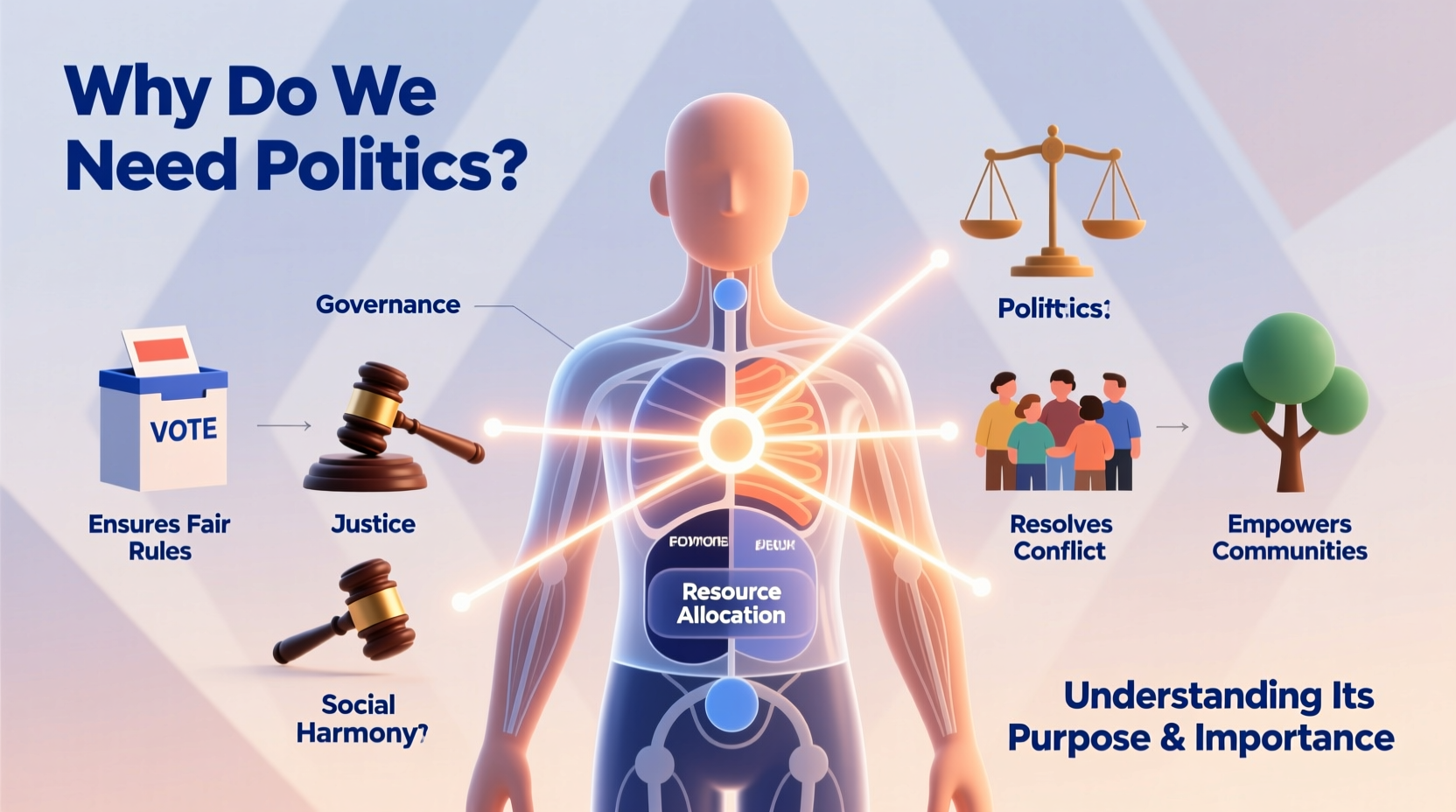
At its most basic level, politics exists to manage conflict and allocate resources in human societies. No community—no matter how small—can function without rules, leadership, and agreed-upon ways of resolving disputes. Politics provides the structure through which collective decisions are made, especially when individuals or groups have competing interests.
Consider a city council debating whether to build a new park or expand a parking lot downtown. The decision affects residents’ quality of life, business owners, environmental sustainability, and public spending. There is no neutral or automatic answer—someone must decide, and that decision-making process is inherently political. Without such systems, chaos or domination by the strongest would replace cooperation and fairness.
Political systems also establish rights and responsibilities. They define what freedoms citizens enjoy, how leaders are chosen, and how power is checked and balanced. In democratic societies, politics enables self-governance: the idea that people should have a say in the rules that govern them.
“Democracy is not a state. It is an act. And each generation must do its part.” — John Lewis, Civil Rights Leader and U.S. Congressman
Why Political Understanding Matters in Everyday Life
Many people disengage from politics because they believe it has little impact on their personal lives. This belief couldn't be further from the truth. Political decisions influence:
- Taxes and income: How much you earn, how much you keep, and what services your taxes fund.
- Education: What children learn, how schools are funded, and access to higher education.
- Healthcare: Whether medical services are affordable and accessible.
- Safety and justice: Policing, criminal justice reform, and civil liberties.
- Environment: Air and water quality, climate change policies, and urban planning.
For example, zoning laws—determined through local political processes—affect housing affordability and neighborhood development. A decision to underfund public transportation can increase commute times and pollution. These are not abstract issues; they directly affect health, opportunity, and quality of life.
Tip: Follow local government meetings or city council agendas—they often address issues that impact your neighborhood more immediately than national politics.How Civic Awareness Strengthens Democracy
A healthy democracy relies on more than elections. It requires an informed public capable of holding leaders accountable, participating in debates, and contributing to policy discussions. When citizens disengage, power concentrates in fewer hands, and governance becomes less representative.
Civic awareness means understanding not just who holds office, but how institutions function, how policies are formed, and how to advocate for change. It includes recognizing bias in media, identifying misinformation, and understanding the difference between opinion and evidence-based analysis.
When people understand politics, they are more likely to vote, volunteer, attend town halls, contact representatives, and support causes aligned with their values. This engagement creates feedback loops that make governments more responsive and transparent.
Step-by-Step Guide to Becoming Politically Informed
- Identify your sources: Choose reliable news outlets with a track record of factual reporting.
- Learn your government structure: Understand the roles of local, state, and national offices.
- Follow key issues: Pick 2–3 topics that matter to you (e.g., education, environment, housing).
- Engage locally: Attend a school board meeting or join a neighborhood association.
- Take action: Contact elected officials, sign petitions, or volunteer for advocacy groups.
Common Misconceptions About Politics
Several myths discourage people from engaging with politics:
| Misconception | Reality |
|---|---|
| “My vote doesn’t matter.” | In close elections, single votes have determined outcomes. Local races are especially influenced by turnout. |
| “All politicians are corrupt.” | While corruption exists, many public servants act with integrity. Accountability reduces abuse. |
| “Politics is too complicated.” | Core principles—representation, rights, and rule of law—are accessible with basic learning. |
| “I don’t have time to follow politics.” | Even 15 minutes a week reading summaries can build meaningful awareness. |
Real-World Example: The Power of Community Organizing
In 2018, residents of Flint, Michigan, continued advocating for clean water long after national headlines faded. Despite initial government failures to respond to lead contamination, sustained civic pressure—through protests, legal action, and voter mobilization—led to infrastructure investments, policy reforms, and greater oversight of public utilities.
This case illustrates that political understanding empowers communities to demand accountability. Residents educated themselves about environmental regulations, testified before lawmakers, and partnered with advocacy groups. Their actions transformed a public health crisis into a catalyst for systemic change.
Checklist: Building Your Political Literacy
- ✅ Register to vote and check your status annually.
- ✅ Subscribe to a nonpartisan news summary (e.g., The Week, Reuters, BBC Newsround).
- ✅ Learn who represents you at all levels: city council, state legislature, Congress.
- ✅ Attend one public meeting this year (school board, city council, or library forum).
- ✅ Discuss a current policy issue with someone who holds a different view—respectfully.
- ✅ Volunteer with a nonprofit focused on an issue you care about.
Frequently Asked Questions
Isn’t politics just about power and control?
While power dynamics are central to politics, the goal of democratic systems is to distribute power fairly and prevent its abuse. Politics also enables collaboration, justice, and collective progress. It’s not inherently negative—it’s a tool that reflects the values and choices of a society.
Can one person really make a difference?
Yes. History shows that individuals—from Rosa Parks to Greta Thunberg—have sparked major movements. Even behind-the-scenes efforts, like writing letters, organizing neighbors, or running for local office, create ripple effects. Change often starts small.
Do I need to be politically active to benefit from politics?
You benefit from political systems whether you participate or not—roads, schools, and emergency services exist because of political decisions. But without participation, you surrender influence over those systems. Engagement ensures your needs and values are represented.
Conclusion: Take Ownership of Your Role in Society
Understanding politics is not about memorizing laws or idolizing leaders. It’s about recognizing that every societal outcome—equitable or unjust, sustainable or short-sighted—is the result of political choices. Those choices are shaped by who shows up, who speaks, and who cares.
Democracy does not run on autopilot. It requires constant maintenance, vigilance, and renewal. By educating ourselves, engaging in dialogue, and taking thoughtful action, we honor the responsibility that comes with citizenship. You don’t need to become a politician to make a difference. You just need to care, learn, and act.
💬 Your voice matters. Start today: research one policy issue, talk to a neighbor about local concerns, or write a letter to your representative. Small steps build powerful change.