Limited edition trading card packs have evolved from childhood hobbies into a high-stakes marketplace where collectors, investors, and enthusiasts converge. What once began as a pastime for kids flipping Pokémon cards in schoolyards has transformed into a global economic phenomenon. Today, sealed booster boxes sell for tens of thousands of dollars, rare pulls trade hands at auction for life-changing sums, and entire online communities thrive on speculation and scarcity. But what drives individuals to buy these packs not to play with, but to resell? The answer lies at the intersection of psychology, economics, and culture.
The Allure of Scarcity and Exclusivity
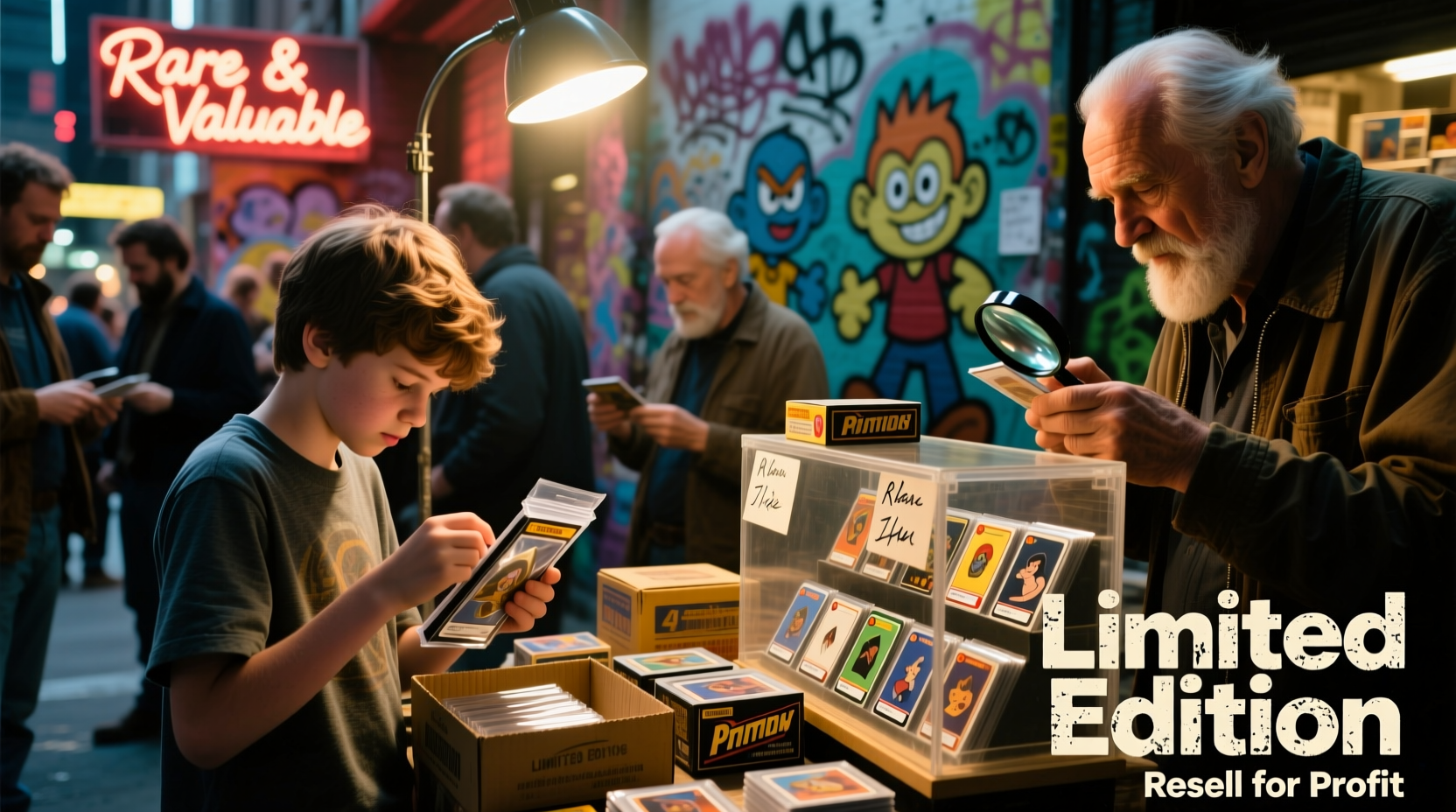
At the heart of the limited edition trading card market is the principle of scarcity. When companies like Topps, Upper Deck, or The Pokémon Company release products labeled “limited run,” “chase variants,” or “serial-numbered inserts,” they trigger a primal response in consumers: fear of missing out (FOMO). Limited availability creates perceived value, even before the product is opened.
Collectors know that once a set sells out, secondary market prices often rise sharply. This anticipation fuels demand. For example, a 2022 Panini National Treasures football box with only 5,000 produced became an instant commodity. Within weeks of release, unopened boxes were listed for over $3,000 due to the potential for rare autographed rookie cards.
Scarcity isn’t just about quantity—it’s also about access. Some editions are exclusive to conventions, regional retailers, or subscription services, making them inherently more desirable. Owning something others can’t easily obtain becomes a status symbol within collector communities.
Tip: Monitor official release calendars and retailer exclusives to identify low-supply products early.Profit Motivation: Turning Hobbies into Investments
For many, collecting limited edition packs isn't just about ownership—it's about return on investment. Reselling has become a legitimate side hustle, and in some cases, a full-time income. The logic is simple: buy low during launch, hold or flip based on market trends, and sell high when demand peaks.
Consider this real-world scenario: A collector purchases five sealed boxes of a new Yu-Gi-Oh! premium set at $120 each. Inside, there’s a small chance of pulling a secret rare holographic card worth $800. Even if only one box contains such a card, the potential profit exceeds $200 after costs. But savvy resellers don’t wait to open them—they assess market sentiment and may sell the entire unopened box for $700 if hype is strong, capitalizing on speculative value alone.
This behavior mirrors stock market dynamics. Just as traders bet on future company performance, card resellers bet on future card value. They analyze player performance (in sports cards), meta shifts (in gaming cards), and pop culture relevance (e.g., a Pokémon character featured in a hit movie).
“Trading cards are no longer just toys—they’re alternative assets. We’ve seen clients treat their collections like portfolios.” — Daniel Ruiz, Founder of Cardfolio Analytics
Key Drivers of Profitability
- Rookie Cards: First appearances of athletes or characters often appreciate significantly.
- Autographs & Memorabilia: Embedded jersey swatches or signed cards command premiums.
- Grading: Professionally graded PSA 10 cards can be worth 10x ungraded versions.
- Hype Cycles: Media coverage, game releases, or athlete breakouts spike demand overnight.
The Thrill of the Hunt: Psychological Rewards
Beyond financial gain, the emotional experience plays a crucial role. Opening a pack carries built-in suspense—a psychological loop similar to gambling. Will this pack contain a rainbow foil parallel? A one-per-box insert? That uncertainty activates dopamine pathways, reinforcing repeat behavior.
Resellers aren’t immune to this thrill. Many start as passionate fans who enjoy the chase. Over time, they learn to balance emotion with strategy. The joy isn’t just in selling high—it’s in identifying undervalued sets, predicting trends, and outmaneuvering the market.
Some collectors follow a ritual: filming pack openings (“pulls”) and uploading them to YouTube or TikTok. These videos attract millions of views, creating micro-celebrities and further fueling demand. The social validation from discovering a rare card amplifies the experience, turning individual acts into shared cultural moments.
Mini Case Study: From Garage Sales to Six Figures
Take the story of Marcus Tran, a former retail worker from Austin, Texas. In 2020, he began buying unopened Magic: The Gathering Chronicles Edition boxes from estate sales for $40 each. At the time, the 1995 set was considered outdated. But Marcus researched reprints and realized original printings contained valuable Alpha/Beta-era cards.
He invested $2,000 to acquire 50 boxes. After carefully opening and grading key rares like Black Lotus and Mox Sapphire, he sold the haul through auction houses and private buyers. His net profit: $117,000. Today, Marcus runs a YouTube channel analyzing vintage set investments and consults for new collectors.
His success wasn’t luck—it was pattern recognition, historical knowledge, and patience. He didn’t rush to sell; he waited for the right buyers and optimal timing.
Market Infrastructure: How Reselling Works
The modern trading card economy is supported by robust infrastructure. Platforms like eBay, TCGplayer, and Cardmarket provide global reach. Grading services (PSA, Beckett, SGC) add trust and standardization. Social media groups offer real-time price checks and networking.
Here’s how a typical reseller operates:
- Research: Identify upcoming releases with high chase card potential.
- Purchase: Buy at retail or pre-order to secure inventory.
- Store: Keep packs sealed and protected from light, moisture, and temperature swings.
- Monitor: Track sales data, community buzz, and grading results.
- Sell: List individually, in bulk, or via auctions depending on demand.
Timing is critical. Selling too early means leaving money on the table. Waiting too long risks market saturation or declining interest. Successful resellers use tools like TCGplayer’s price history charts and Reddit sentiment analysis to make informed decisions.
Do’s and Don’ts of Card Reselling
| Do’s | Don’ts |
|---|---|
| Buy from authorized distributors to avoid counterfeits | Overinvest in a single brand without diversifying |
| Use penny sleeves and top loaders for protection | Open packs immediately unless pulling for specific content |
| Get high-value cards professionally graded | Ignore shipping costs and fees when calculating profit margins |
| Join collector forums for early trend spotting | Let emotions drive selling decisions (e.g., holding due to nostalgia) |
Cultural Shift: Cards as Collectible Art and Status Symbols
In recent years, trading cards have gained legitimacy as cultural artifacts. Museums have displayed vintage baseball cards. Auction houses like Heritage Auctions regularly sell six-figure lots. High-profile figures—from Logan Paul to Kevin Durant—have entered the space, launching their own card lines or investing in grading startups.
This mainstream acceptance elevates the perception of cards beyond mere memorabilia. They are now viewed as tangible pieces of history, art, and fandom. A mint-condition 1952 Topps Mickey Mantle card isn’t just paper and ink—it’s a relic of postwar American culture.
Similarly, modern limited editions are designed with aesthetics in mind. Foil stamping, embossing, and intricate artwork make packs visually appealing even before opening. Collectors display unopened boxes like sculptures, treating them as decor for “card rooms” or man caves.
This shift benefits resellers. As public interest grows, so does buyer diversity. Investors who wouldn’t touch a comic book or action figure see cards as a more accessible entry point into alternative assets.
Tip: Present your listings with detailed descriptions, clear condition notes, and professional packaging to build buyer trust.Step-by-Step Guide to Starting a Reselling Strategy
If you're considering entering the limited edition card resale market, follow this structured approach:
- Educate Yourself: Spend time in communities like r/TradingCards or Blowout Forums. Learn terminology, grading scales, and common scams.
- Start Small: Allocate a modest budget ($100–$200) to test different brands (Pokémon, NBA, Marvel, etc.). Focus on one niche initially.
- Source Smartly: Buy at retail launch, use store pickup to avoid shipping delays, or join group buys for better pricing.
- Protect Your Inventory: Store packs flat in a cool, dry place away from sunlight. Use UV-protective sleeves if displaying.
- Analyze Data: Use TCGplayer’s historical pricing or CardLadder’s analytics to spot upward trends.
- Choose Your Exit: Decide whether to sell sealed (higher risk, higher reward) or after pulling (more control, lower ceiling).
- Scale Gradually: Reinvest profits into higher-tier products only after mastering fundamentals.
Frequently Asked Questions
Is reselling trading card packs legal?
Yes, reselling trading card packs is completely legal. Once you purchase a product at retail, you own it and can resell it at any price. However, some brands discourage mass scalping and may restrict bulk purchases during high-demand launches.
How do I know if a card will increase in value?
Look for indicators such as rookie status, low print runs, player or character popularity, and inclusion in competitive formats (e.g., tournament-legal cards). Historical precedent helps—cards from past breakout stars often follow similar appreciation curves.
Should I open packs or sell them sealed?
It depends on your goals. Sealed packs carry speculative value and appeal to investors. Opened packs let you extract specific high-value cards but destroy the box’s completeness. Many resellers do both: keep some sealed for long-term holds and open others to harvest singles.
Checklist: Launch-Day Reselling Preparation
- ✅ Research the product’s hit rate and chase cards
- ✅ Set up accounts on eBay, TCGplayer, or Facebook Groups
- ✅ Prepare storage supplies (top loaders, binders, boxes)
- ✅ Schedule alerts for drop times and restocks
- ✅ Calculate break-even points including fees and shipping
- ✅ Follow influencers or YouTubers covering the release
Conclusion: More Than Just Cards—A Modern Marketplace of Passion and Profit
People collect and resell limited edition trading card packs for reasons that span practicality and emotion. Some see dollar signs, calculating ROI down to the penny. Others relish the hunt, the surprise, the connection to a character or athlete they admire. Most operate somewhere in between—blending passion with pragmatism.
The rise of digital tracking, grading transparency, and online marketplaces has professionalized what was once a backyard barter system. Today, anyone with research skills, discipline, and a bit of startup capital can participate in a global economy driven by nostalgia, scarcity, and storytelling.
If you've ever dismissed trading cards as child’s play, reconsider. Behind every sealed pack is a complex ecosystem of supply, demand, psychology, and culture. Whether you're in it for fun, profit, or both, understanding this world opens doors—not just to rare cards, but to smarter ways of thinking about value itself.
🚀 Ready to dive in? Start by tracking one upcoming release, set a budget, and observe the market. The first step to successful reselling is informed curiosity—begin there.