Seeing a flag flying at half-mast often prompts curiosity—and sometimes concern. Whether you're passing a government building, school, or memorial site, noticing a lowered flag can signal a moment of national reflection. But what does it mean when flags are at half-mast? Who decides this, and why is it happening today? Understanding flag status goes beyond tradition; it reflects respect, mourning, and national unity during times of loss.
What Does Half-Mast Mean?
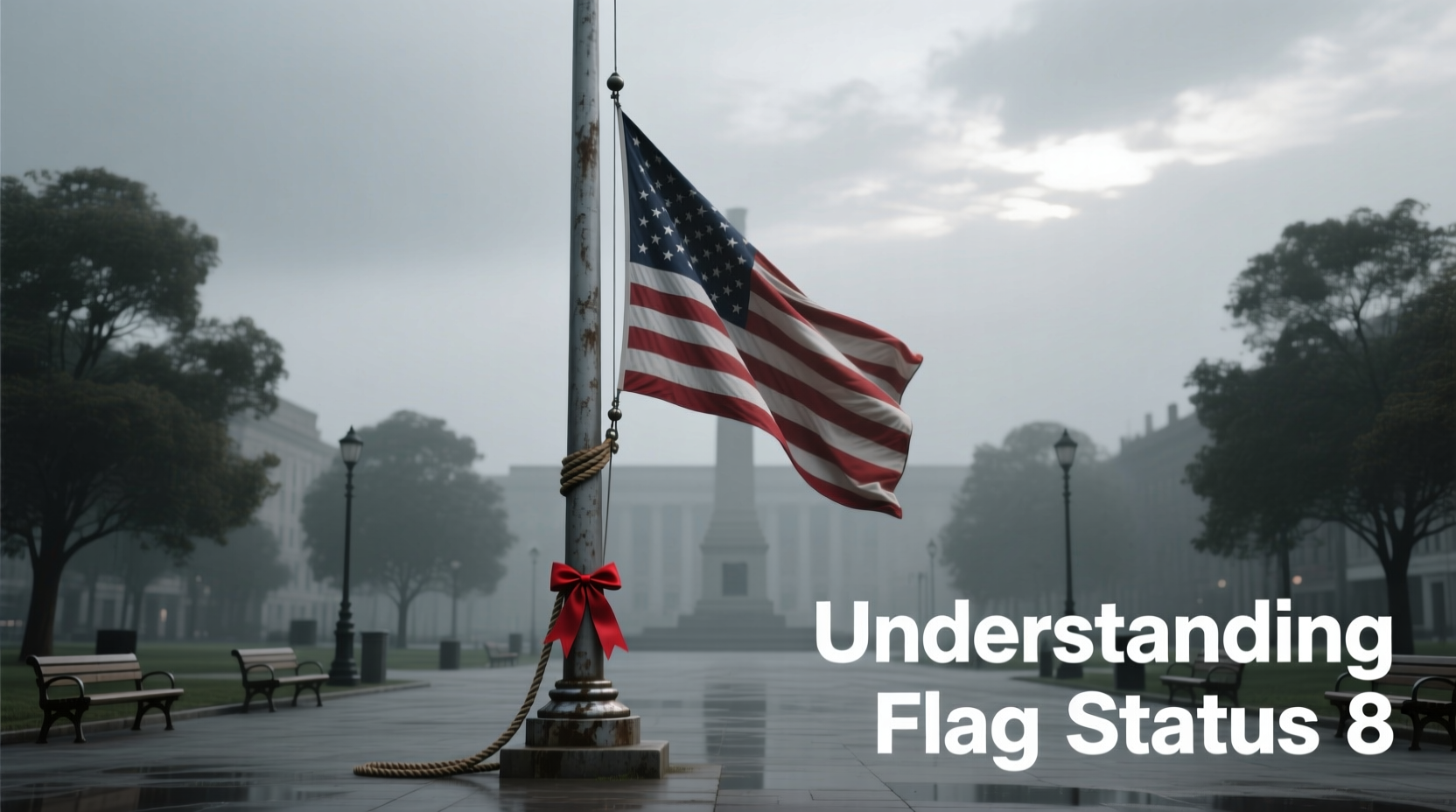
The term \"half-mast\" refers to a flag that is flown below the top of a flagpole as a sign of respect, mourning, or distress. While commonly used interchangeably with \"half-staff,\" there is a technical distinction: “half-mast” applies to flags on ships or masts at sea, while “half-staff” is correct for land-based poles. However, both terms are widely accepted in general usage.
This symbolic gesture dates back centuries. One origin story traces it to 17th-century naval tradition, where lowering the flag was believed to make room for the invisible flag of Death, acknowledging its presence during times of mourning. Today, the practice remains a powerful visual cue of collective grief or honor.
“Lowering the flag is not just a procedural act—it’s a solemn message of shared sorrow and respect.” — Dr. Alan Peterson, Historian of American Symbols
Who Authorizes Flags at Half-Mast?
In the United States, the authority to order flags flown at half-mast lies primarily with the President, state governors, and certain local officials. These proclamations are typically issued under specific circumstances, such as the death of prominent public figures or in response to national tragedies.
Federal law (4 U.S. Code § 7) outlines several automatic instances when the U.S. flag must be flown at half-staff:
- 30 days following the death of a former or current U.S. President
- 10 days after the death of a Vice President, Chief Justice, or Speaker of the House
- From the day of death until interment for other members of Congress
- On Memorial Day (May 30), from sunrise to noon only
Beyond these mandates, discretionary proclamations may be issued by the President to mark events like mass shootings, natural disasters, or the passing of influential cultural figures.
Tip: To find out why flags are at half-mast today, check official sources such as the White House website, your state governor’s office, or reputable news outlets.Common Reasons for Half-Mast Flag Status
Flags are lowered for various reasons, each carrying emotional and civic weight. Here are some of the most frequent causes:
- National Mourning: After the death of a president, military leader, or public servant, the nation observes a period of mourning. For example, flags were lowered for 30 days after the passing of President Jimmy Carter in December 2024.
- Tragic Events: Mass shootings, terrorist attacks, or major accidents often prompt presidential orders. Following the 2023 Monterey Park shooting, flags across California and federal installations were lowered.
- Memorial Observances: On May 30 each year, all U.S. flags are flown at half-staff until noon, then raised to full staff to honor fallen service members.
- First Responders & Military Personnel: In recent years, governors have increasingly ordered flags lowered to honor police officers, firefighters, and soldiers killed in the line of duty.
- Disasters: Natural catastrophes such as hurricanes, wildfires, or floods may also trigger half-staff declarations to honor victims.
How Long Do Flags Stay at Half-Mast?
The duration depends on the nature of the event or individual being honored:
| Occasion | Duration |
|---|---|
| Death of a sitting or former U.S. President | 30 days |
| Death of Vice President, Chief Justice, or Speaker | 10 days |
| Death of a Cabinet member or Supreme Court Justice | From death to burial |
| Memorial Day | Sunrise to noon only |
| Presidentially declared tragedy | Varies (often 3–7 days) |
For example, when Justice Ruth Bader Ginsburg passed away in September 2020, President Trump ordered flags flown at half-staff until her interment. Similarly, after the tragic collapse of the Champlain Towers South in Surfside, Florida, flags were lowered for seven days by gubernatorial order.
Step-by-Step: How to Verify Today’s Flag Status
If you notice flags at half-mast and want to understand why, follow this practical process:
- Check the White House Website: Visit whitehouse.gov and search “proclamation” along with the current date. Presidential orders are published here officially.
- Review Your State Governor’s Office: Most governors issue press releases or social media updates when ordering flags lowered within their state.
- Consult Reliable News Sources: Major outlets like The Associated Press, CNN, or NPR often report on flag status changes with context.
- Visit USFlag.org or FOTW (Flags of the World): These sites track current flag protocols and provide historical context.
- Contact Local Authorities: Municipal buildings, schools, or veterans organizations often display notices explaining local flag decisions.
Real Example: Flags Lowered After a Fallen Officer
In March 2024, Officer Maria Thompson of the Austin Police Department was fatally injured responding to a domestic disturbance call. Within hours, Texas Governor Greg Abbott issued a proclamation ordering all state and federal flags in Texas to fly at half-staff for five days.
Local communities responded with vigils, and city halls displayed photos of Officer Thompson alongside the lowered flag. This act served not only as a tribute but also reminded citizens of the risks first responders face daily. National attention followed, reinforcing how localized tragedies can prompt widespread symbolic gestures.
Do’s and Don’ts of Respecting Half-Mast Protocol
When flags are lowered, public behavior should reflect the gravity of the occasion. Here’s how to respond appropriately:
| Do | Don't |
|---|---|
| Honor the moment with silence or reflection | Take casual photos for social media without context |
| Display your own flag at half-staff if possible | Ignore or mock the gesture |
| Learn who or what is being honored | Assume it's a mistake or routine maintenance |
| Share factual information about the reason | Spread unverified rumors online |
FAQ
Why are flags at half-mast today if no major event has been reported?
Sometimes flags are lowered for lesser-known figures or local tragedies not covered by national media. It could also be a state-specific observance, such as honoring a fallen firefighter or commemorating a historical remembrance day.
Can private citizens fly their flag at half-mast?
Yes, though it should be done respectfully and in accordance with official proclamations. The U.S. Flag Code does not prohibit private individuals from lowering their flag, especially to honor personal losses like a deceased veteran family member.
Is flying a flag at half-mast the same everywhere?
No—different countries have distinct customs. In the UK, flags are lowered for royal deaths or national tragedies. Canada uses similar protocols, often for Indigenous leaders or national emergencies. Always consider local norms when interpreting flag status abroad.
Conclusion: A Symbol That Speaks Without Words
A flag at half-mast is more than a piece of fabric lowered on a pole—it is a silent yet powerful statement of unity, grief, and respect. Whether marking the loss of a national leader or a hometown hero, this gesture connects communities through shared emotion. Understanding why flags are at half-mast today helps us stay informed, empathetic, and civically engaged.
Next time you see a flag flying low, take a moment to look up—not just at the sky, but into the story behind the symbol. Learn who is being honored, reflect on their legacy, and carry forward the values they represented.
💬 Did you learn something new about today’s flag status? Share this article to help others understand the meaning behind the gesture—or leave a comment with your thoughts on national symbols and remembrance.