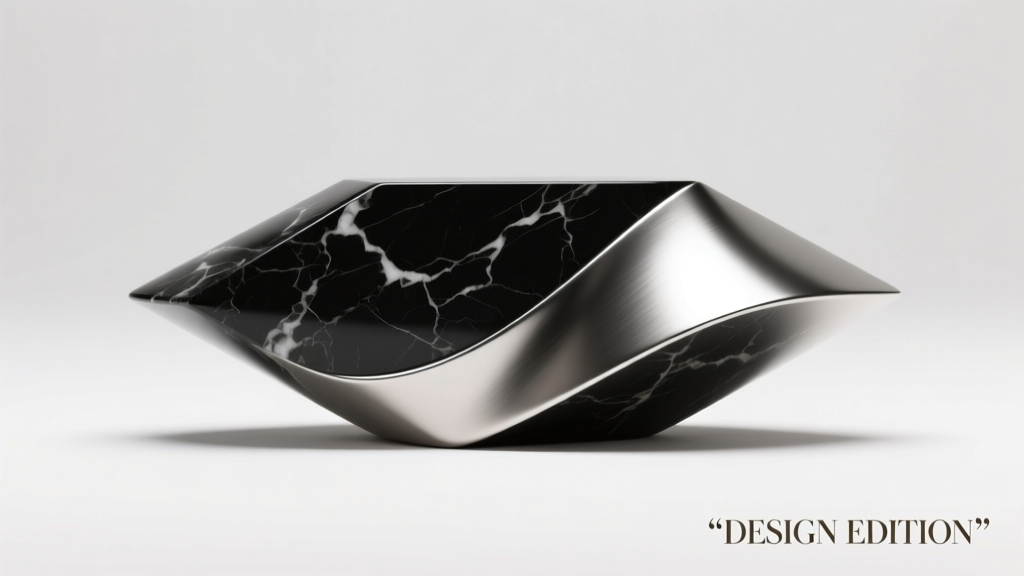
Types of Shenzhen Art Tech
Shenzhen, often dubbed the "Silicon Valley of Hardware," has emerged as a global epicenter for the fusion of art and technology. Known for its rapid innovation, advanced manufacturing, and vibrant tech ecosystem, the city has cultivated a unique art-tech landscape where creativity meets cutting-edge engineering. Shenzhen's art-tech scene encompasses a diverse range of disciplines, from digital media to AI-driven installations, each redefining the boundaries of artistic expression.
This guide explores the major types of art-tech innovations originating from Shenzhen, highlighting their defining features, applications, and impact on the global creative industry.
Digital Art Solutions
At the heart of Shenzhen's creative economy lies its world-class digital art production. Leveraging the city’s robust software development infrastructure and access to high-performance computing, digital artists create visually stunning and technically advanced content.
Advantages
- Highly scalable and adaptable across platforms
- Seamless integration with AR/VR and mobile applications
- Supports rapid prototyping and iteration
- Widely applicable in gaming, advertising, and publishing
Challenges
- Requires continuous software and hardware updates
- High dependency on skilled digital artists
- Potential for digital fatigue or oversaturation
Best for: Multimedia campaigns, immersive storytelling, digital branding, and interactive media
3D Printing Art
Shenzhen is a global leader in 3D printing technology, and this expertise extends into the realm of artistic creation. Artists and designers use industrial-grade 3D printers to produce intricate sculptures, architectural models, and wearable art with precision unattainable through traditional methods.
Advantages
- Enables creation of highly complex geometries
- Supports rapid prototyping and customization
- Compatible with diverse materials (resin, metal, PLA, etc.)
- Cost-effective for small-batch or bespoke production
Limitations
- Post-processing (sanding, painting) often required
- Large-scale prints can be time-consuming
- Material limitations for outdoor or high-stress applications
Best for: Sculptural art, custom jewelry, design prototypes, and limited-edition collectibles
Interactive Art Installations
Shenzhen’s public and private spaces are increasingly adorned with interactive art that responds to human presence and movement. These installations integrate sensors, LED matrices, motion detectors, and sound systems to create dynamic, real-time experiences that transform passive viewers into active participants.
Advantages
- Fosters audience engagement and emotional connection
- Enhances public spaces and urban aesthetics
- Promotes community interaction and social dialogue
- Highly customizable for events and exhibitions
Challenges
- Requires ongoing technical maintenance
- Higher initial setup and energy costs
- Susceptible to vandalism or environmental wear
Best for: Urban design, museums, festivals, and experiential marketing
AI-Generated Art
Shenzhen is at the forefront of AI-powered creativity, where machine learning models are trained on vast visual datasets to generate original artworks. These AI systems can produce images, animations, and even 3D models based on textual prompts, style transfer, or generative adversarial networks (GANs).
Advantages
- Accelerates the creative process with rapid ideation
- Enables exploration of novel artistic styles and forms
- Democratizes art creation for non-artists
- Generates unique, data-driven visual narratives
Considerations
- Raised ethical questions about authorship and originality
- Dependent on training data quality and bias
- May lack the emotional depth of human-created art
Best for: Concept art, digital exhibitions, NFT creation, and experimental design
| Type | Innovation Level | Creative Flexibility | Technical Complexity | Primary Applications |
|---|---|---|---|---|
| Digital Art Solutions | High | Excellent | Medium | Advertising, gaming, publishing, AR/VR |
| 3D Printing Art | Very High | Very Good | High | Sculpture, jewelry, design, prototyping |
| Interactive Installations | Very High | Excellent | High | Public art, exhibitions, urban spaces |
| AI-Generated Art | Exceptional | Outstanding | Very High | Digital art, NFTs, concept design, research |
Expert Tip: When commissioning AI-generated or 3D-printed art from Shenzhen studios, ensure clear communication of creative vision and technical specifications. Many Shenzhen-based art-tech firms offer end-to-end services—from concept to fabrication—making them ideal partners for innovative international projects.
Shenzhen’s art-tech ecosystem is a testament to the city’s ability to merge industrial capability with creative vision. As technology continues to evolve, Shenzhen remains a key player in shaping the future of digital and interactive art, offering artists, designers, and brands around the world access to groundbreaking tools and production capabilities.
Design of Shenzhen Art Tech
Shenzhen Art Tech represents a dynamic fusion of creativity and innovation, where traditional artistry meets cutting-edge technology. As one of China’s most forward-thinking cities, Shenzhen has become a global hub for digital art, interactive installations, and experimental design. The city’s unique blend of rapid urbanization, technological infrastructure, and cultural diversity shapes an artistic identity that is both futuristic and deeply rooted in heritage.
Core Elements of Shenzhen Art Tech Design
Materials: From Physical to Digital Mediums
In traditional fine arts, Shenzhen artists emphasize the use of premium, sustainable materials—high-grade canvases, archival paints, and eco-friendly pigments. This commitment reflects both environmental responsibility and a dedication to preserving the longevity and vibrancy of artworks.
For digital creations, the concept of "material" evolves into software and hardware ecosystems. Artists utilize advanced graphic tablets, high-performance computers, and industry-standard design platforms such as Adobe Creative Suite, Blender, and TouchDesigner to produce high-resolution illustrations, animations, and immersive visual experiences.
3D printing has emerged as a transformative medium in Shenzhen’s art scene. Artists experiment with a wide range of filaments—including PLA, ABS, flexible TPU, and even metal-infused composites—to achieve intricate geometries, structural resilience, and tactile richness. These innovations enable the production of hybrid artworks that serve both aesthetic and functional purposes, from wearable art to architectural prototypes.
Styles: Bridging Tradition and Innovation
The artistic styles in Shenzhen reflect a bold synthesis of old and new. While rooted in centuries-old Chinese aesthetics—such as calligraphy, ink wash painting, and symbolic motifs—contemporary artists reinterpret these traditions through digital and technological lenses.
Digital abstraction, generative art, and algorithm-driven visuals are increasingly prevalent, allowing artists to explore motion, interactivity, and real-time responsiveness. Static images evolve into living installations that react to sound, movement, or environmental data, transforming passive viewing into immersive engagement.
This stylistic evolution is exemplified in public art displays across Shenzhen’s tech parks and metro stations, where augmented reality (AR) murals and LED-integrated sculptures merge cultural storytelling with futuristic design. The result is a distinct visual language that honors heritage while embracing the possibilities of the digital age.
Influences: Urban Energy and Cultural Diversity
Shenzhen’s identity as a metropolis of innovation deeply influences its art tech landscape. The city’s towering skyline, bustling streets, and dense network of tech startups inspire themes centered around connectivity, artificial intelligence, smart cities, and human-technology interaction.
Artists frequently explore questions about digital identity, data privacy, and the emotional impact of automation—turning abstract technological trends into tangible, thought-provoking experiences. Installations often incorporate sensors, AI algorithms, or live data feeds, making the artwork a responsive participant in its environment.
Fueled by a highly diverse population—comprising migrants from across China and international innovators—the art scene thrives on cross-cultural collaboration. This melting pot of perspectives fosters collective creation, where interdisciplinary teams of engineers, designers, and traditional artists co-develop projects that reflect a shared vision of the future.
Technology as a Creative Partner
Unlike conventional art forms where tools serve only as extensions of the artist’s hand, in Shenzhen Art Tech, technology becomes an active collaborator. Machine learning models generate novel patterns; robotics assist in large-scale installations; and virtual reality (VR) platforms allow audiences to step inside the artwork itself.
Maker spaces and open labs throughout the city—such as those in the OCT-LOFT Creative Culture Park—provide accessible resources for prototyping and experimentation. This democratization of technology empowers emerging artists to test ideas without prohibitive costs, accelerating innovation and inclusivity.
Annual events like the Shenzhen International Digital Art Festival and the Urbanism\Architecture Bi-City Biennale showcase groundbreaking works that push the boundaries of what art can be, reinforcing the city’s position at the forefront of global art-tech movements.
| Design Element | Key Characteristics | Examples in Practice |
|---|---|---|
| Materials | Eco-conscious physical media; advanced digital tools; experimental 3D printing filaments | Biodegradable paint on silk; AI-generated NFTs; metal-blend 3D printed sculptures |
| Artistic Style | Fusion of traditional Chinese motifs with digital abstraction and interactivity | Animated ink landscapes; AR calligraphy walls; motion-responsive light installations |
| Technological Integration | Use of AI, VR, sensors, robotics, and real-time data in artistic expression | AI-composed music visuals; VR museum tours; crowd-responsive LED displays |
| Cultural Influence | Urban life, tech culture, migration, and multicultural collaboration | Smart city data art; collaborative migrant worker storytelling projects |
Why Shenzhen Stands Out in Global Art Tech
Note: The evolution of Shenzhen Art Tech is not just about aesthetics—it’s a reflection of societal transformation. As technology continues to advance, artists in Shenzhen are uniquely positioned to lead conversations about ethics, sustainability, and human-centered design in the digital era. Understanding this context enriches appreciation of the work and highlights the city’s role as a pioneer in 21st-century creative expression.
Scenarios of Shenzhen Art-Tech Integration
Shenzhen has emerged as a global leader in the fusion of art and technology, leveraging its robust tech ecosystem and vibrant creative community to pioneer innovative applications across multiple domains. From public spaces to commercial platforms, the city exemplifies how digital innovation can elevate artistic expression and cultural engagement. Below are key scenarios where Shenzhen’s art-tech synergy is transforming urban life, creative industries, and audience experiences.
Public Art Displays
Shenzhen’s urban environment is reimagined through dynamic public art installations that merge technology with aesthetics. These include interactive digital billboards, augmented reality (AR)-enabled murals, and sensor-driven sculptures that respond to environmental stimuli such as sound, motion, and light levels.
- AR street art allows passersby to view animated layers via smartphones, turning static walls into evolving narratives
- Solar-powered LED installations adapt brightness based on ambient light, enhancing energy efficiency and visual impact
- Sound-reactive light sculptures in parks create immersive experiences during evening hours, fostering community engagement
Impact: These installations not only beautify the city but also position Shenzhen as a model for smart, culturally rich urban development.
Art Galleries and Museums
Traditional art institutions in Shenzhen are embracing digital transformation, offering hybrid exhibitions that feature virtual reality (VR), projection mapping, and AI-generated artworks alongside classical pieces.
- VR galleries allow visitors to "walk through" digital exhibitions from around the world without leaving the city
- Interactive touchscreens provide deep contextual information about artists, techniques, and historical significance
- AI-curated exhibits dynamically change based on visitor behavior and preferences, personalizing the experience
Innovation: This integration deepens audience engagement, making art more accessible and experiential, especially for younger, tech-savvy demographics.
Workshops and Community Events
Shenzhen hosts a growing number of art-tech workshops and maker festivals that bring together artists, engineers, and designers to collaborate on cutting-edge projects. These events often take place in innovation hubs like OCT-LOFT and Huaqiangbei’s maker spaces.
- Hands-on sessions teach digital illustration, 3D modeling, coding for interactive art, and wearable tech design
- Open-source hardware platforms like Arduino and Raspberry Pi are used to prototype responsive installations
- Cross-disciplinary hackathons encourage rapid prototyping of art-tech solutions for social and environmental themes
Community Impact: These initiatives nurture a culture of co-creation, empowering individuals to experiment and innovate at the intersection of art and engineering.
Art in Advertising
The advertising sector in Shenzhen is increasingly adopting art-tech to create compelling brand experiences. Companies collaborate with digital artists to develop immersive campaigns that go beyond traditional media.
- Interactive storefront displays use motion sensors to engage pedestrians with personalized animations
- Projection-mapped facades transform buildings into storytelling canvases during product launches
- AI-generated visuals tailor ad content in real time based on demographic data and user interaction
Marketing Advantage: These artistic, tech-enhanced campaigns stand out in crowded urban environments, improving brand recall and emotional connection with consumers.
Online Art Marketplaces
Digital platforms have revolutionized how Shenzhen-based artists distribute and monetize their work. Online marketplaces support NFTs, digital downloads, and on-demand 3D-printed sculptures, enabling global reach and new revenue models.
- Blockchain-based marketplaces ensure authenticity and provenance for digital artworks
- AI-powered recommendation engines help collectors discover emerging Shenzhen artists
- Integrated AR preview tools allow buyers to visualize art in their own space before purchasing
Global Access: Artists from Shenzhen can now reach international collectors, galleries, and brands, amplifying the city’s cultural influence worldwide.
Education and Creative Learning
Art-tech is also reshaping education in Shenzhen, with schools and private academies incorporating digital creativity into curricula to nurture future innovators.
- Students learn generative art using code-based tools like Processing and p5.js
- Robotics and AI art projects encourage problem-solving through creative expression
- After-school programs partner with tech firms to provide access to VR studios and laser cutters
Future-Ready Skills: By blending technical literacy with artistic exploration, Shenzhen is cultivating a new generation of interdisciplinary creators.
Insight for Stakeholders: Whether you're an artist, urban planner, educator, or entrepreneur, Shenzhen’s art-tech ecosystem offers valuable lessons in innovation through collaboration. The city’s success lies in its ability to bridge hardware manufacturing, software development, and creative design—providing a blueprint for other cities aiming to build culturally vibrant, technologically advanced communities.
| Application Area | Key Technologies Used | Primary Benefits | Notable Examples |
|---|---|---|---|
| Public Art | AR, Sensors, LED Networks | Urban beautification, public engagement | Dongmen AR Mural, Civic Center Light Sculptures |
| Museums & Galleries | VR, Projection Mapping, AI Curation | Immersive experiences, accessibility | Shenzhen Museum of Contemporary Art & Urban Planning |
| Advertising | Interactive Displays, AI Creativity Tools | Brand differentiation, customer engagement | Huawei Flagship Store Motion Art |
| Online Marketplaces | Blockchain, AR Previews, 3D Printing | Global reach, new business models | NFT exhibitions on Shenzhen Digital Art Hub |
Emerging Trends in Shenzhen Art-Tech
- AI-Generated Art: Local artists are experimenting with machine learning models to create unique visual styles and generative compositions
- Metaverse Integration: Virtual galleries and digital twins of physical installations are expanding into metaverse platforms
- Sustainable Art-Tech: Eco-conscious creators are using recycled materials and low-energy displays in their installations
- Biometric Interactivity: Installations that respond to heart rate, facial expressions, or brainwave data are being tested in experimental spaces
- Open Innovation Platforms: Government-supported initiatives provide grants and lab access for art-tech prototyping and research
Specification & Maintenance Guide for Shenzhen Art Tech Innovations
Shenzhen has emerged as a global hub for cutting-edge art technology, blending creativity with advanced engineering. This guide provides a comprehensive overview of the technical specifications and essential maintenance practices for four key domains of Shenzhen's art tech ecosystem: Digital Art, 3D Printing, Interactive Installations, and AI-Generated Art. Whether you're an artist, curator, technician, or collector, understanding these systems ensures longevity, optimal performance, and protection of valuable creative assets.
Important Note: Art technology requires both technical expertise and creative sensitivity. Always follow manufacturer guidelines and consult specialists when integrating complex systems into exhibitions or production workflows.
Digital Art: Tools, Workflow, and Preservation
Digital art in Shenzhen leverages state-of-the-art hardware and software to produce visually stunning and technically precise works. Artists use high-performance devices and professional-grade applications to create everything from concept sketches to full-scale digital paintings and animations.
- Core Specifications:
- High-resolution displays (4K or higher) with accurate color calibration (sRGB, Adobe RGB, or DCI-P3)
- Graphics tablets with pressure-sensitive styluses (e.g., Wacom, Huion) for precise input
- Professional software such as Adobe Creative Suite, Corel Painter, Procreate, or Blender for 3D illustration
- High-performance computers with dedicated GPUs and ample RAM for rendering complex projects
- Maintenance Best Practices:
- Regularly update design software to access new tools, security patches, and compatibility improvements
- Implement automated cloud backups (e.g., Google Drive, Dropbox, or specialized platforms like Backblaze) to prevent data loss
- Perform local backups using external SSDs or NAS (Network Attached Storage) devices on a weekly basis
- Clean screens and tablets with microfiber cloths and approved cleaning solutions to avoid scratches and smudges
- Calibrate monitors monthly to ensure color consistency across devices and outputs
Expert Tip: Use version control for major digital art projects. Save incremental versions (e.g., "Project_v1_final," "Project_v2_revised") to track creative evolution and enable easy rollback if needed.
3D Printing: Materials, Processes, and Equipment Care
Shenzhen's 3D printing scene is renowned for its rapid prototyping and artistic innovation. Artists use additive manufacturing to transform digital models into tangible sculptures, installations, and wearable art using a variety of materials and printer types.
- Technical Specifications:
- FDM (Fused Deposition Modeling) printers using PLA, ABS, PETG, or flexible TPU filaments
- SLA/DLP resin printers for high-detail models with smooth surface finishes
- Print resolution ranging from 100μm to 25μm depending on application
- Build volumes tailored to project scale, from desktop units to industrial-sized printers
- Maintenance & Artwork Care:
- Inspect belts, rails, and stepper motors regularly for signs of wear or misalignment
- Clean the print nozzle after every 5–10 prints using a brass brush or cold pull technique
- Use high-quality, dry filament stored in sealed containers with desiccants to prevent moisture absorption
- Level the print bed weekly or after moving the printer to ensure adhesion and precision
- Dust 3D printed artworks gently with a soft brush or compressed air; avoid water unless the material is waterproof
- Handle delicate resin prints with gloves to prevent skin oils from degrading the surface
Interactive Installations: Sensors, Systems, and Stability
Interactive art installations in Shenzhen often integrate sensors, lighting, sound, and real-time data processing to create immersive experiences. These systems respond to audience movement, touch, or environmental changes, making them dynamic and engaging.
- System Components & Specs:
- Sensors: Infrared, ultrasonic, capacitive touch, motion (PIR), or camera-based tracking systems
- Lighting: Addressable LED strips (e.g., WS2812B), programmable via Arduino or Raspberry Pi
- Audio: Embedded speakers, microphones, and digital signal processors for responsive soundscapes
- Controllers: Microcontrollers (Arduino, ESP32) or single-board computers (Raspberry Pi) for logic and integration
- Maintenance Protocols:
- Test all sensors weekly for responsiveness and recalibrate if necessary
- Replace batteries in wireless components monthly or use regulated power supplies for permanent installations
- Clean sensor lenses and LED surfaces with isopropyl alcohol to maintain sensitivity and brightness
- Inspect wiring and connections for fraying or corrosion, especially in high-traffic or outdoor areas
- Update firmware on controllers and audio modules to ensure compatibility and security
- Protect electronics from dust, moisture, and temperature extremes using enclosures or climate-controlled environments
Pro Insight: Create a maintenance log for interactive installations, noting sensor performance, battery changes, and software updates. This helps anticipate failures and streamline troubleshooting during exhibitions.
AI Art Generation: Data, Hardware, and Ethical Considerations
AI-generated art in Shenzhen utilizes machine learning models trained on vast datasets to produce original images, animations, and conceptual designs. This fusion of algorithmic intelligence and artistic direction is reshaping creative workflows.
- Technical Requirements:
- AI models such as Stable Diffusion, DALL·E, or custom GANs (Generative Adversarial Networks)
- High-performance GPUs (e.g., NVIDIA RTX series) with at least 8GB VRAM for efficient training and inference
- Curated datasets for fine-tuning models, ensuring stylistic coherence and thematic relevance
- Cloud computing platforms (e.g., AWS, Alibaba Cloud) for scalable processing power
- Maintenance & Management:
- Update training datasets periodically to reflect new styles, cultural contexts, or project needs
- Keep hardware clean and well-ventilated; use dust filters and monitor GPU temperatures (ideally under 80°C)
- Apply thermal paste to GPUs and CPUs every 1–2 years to maintain optimal cooling efficiency
- Ensure all software and datasets are properly licensed to avoid copyright infringement or legal disputes
- Store AI-generated artworks in multiple formats (e.g., PNG, TIFF, JSON metadata) and locations for redundancy
- Document prompts, parameters, and model versions to enable reproducibility and attribution
| Art Tech Domain | Key Maintenance Frequency | Critical Tools & Supplies | Risks of Neglect |
|---|---|---|---|
| Digital Art | Weekly backups, monthly calibration | Cloud storage, SSDs, colorimeter | Data loss, color inaccuracy, corrupted files |
| 3D Printing | After every 5–10 prints, weekly bed leveling | Nozzle cleaning kit, filament dryer, calipers | Clogs, failed prints, mechanical wear |
| Interactive Installations | Weekly sensor checks, monthly battery replacement | Multimeter, compressed air, soldering iron | Unresponsive systems, audio dropouts, safety hazards |
| AI Art Generation | Quarterly dataset updates, continuous cooling monitoring | GPU monitoring software, thermal paste, license records | Overheating, legal issues, model obsolescence |
General Maintenance Recommendations
- Establish a routine maintenance schedule tailored to each technology and its usage intensity
- Train staff or collaborators on basic troubleshooting and safety procedures
- Keep spare parts (e.g., nozzles, LEDs, cables) on hand for quick replacements
- Document all maintenance activities for accountability and long-term planning
- Consider environmental factors—humidity, temperature, and UV exposure—when displaying or storing tech-based art
Shenzhen's art tech landscape thrives on innovation, but sustainability depends on disciplined maintenance and technical care. By respecting both the creative and engineering aspects of these systems, artists and institutions can ensure their works remain functional, impactful, and preserved for future audiences. When in doubt, consult technical specialists or reach out to Shenzhen's vibrant maker communities and tech labs for support.
Frequently Asked Questions About Shenzhen Art & Technology
Q1: What Makes Art Digital Shenzhen Unique?Art Digital Shenzhen stands out as a global hub where traditional Chinese artistic heritage meets the forefront of digital innovation. Unlike other creative centers, Shenzhen’s identity is deeply rooted in its status as China’s "Silicon Valley," fostering an environment where technology and art co-evolve.
- Integration of Tradition and Innovation: Artists in Shenzhen seamlessly blend classical elements—such as calligraphy, ink painting, and folk motifs—with digital mediums like motion graphics, generative AI, and virtual reality.
- Access to Advanced Tech Infrastructure: The city’s robust electronics manufacturing ecosystem provides artists with immediate access to cutting-edge tools, including high-performance graphic tablets, VR headsets, 3D modeling software, and custom-built interactive hardware.
- Interactive and Immersive Art Forms: Shenzhen is a pioneer in augmented reality (AR) exhibitions, real-time data-driven installations, and AI-generated artwork that respond to audience interaction.
- Vibrant Cross-Disciplinary Community: Collaboration between tech developers, designers, and fine artists is common, leading to groundbreaking projects that push the boundaries of both art and engineering.
This fusion of cultural depth and technological agility makes Shenzhen a leading force in the future of digital art, reflecting the city’s rapid urban evolution and creative ambition.
Q2: What Are Common Shenzhen Art-Tech Product Bundles Purchased by Customers?Shenzhen’s art-tech market thrives on integrated solutions that empower creators and enhance consumer experiences. Customers often buy complementary products in bundles to maximize functionality and creativity:
| Product Category | Common Bundles | Use Case |
|---|---|---|
| Digital Illustration | Graphics tablet + stylus pen + color-accurate 4K monitor | Enables precise, high-resolution digital painting and design work. |
| 3D Art & Printing | 3D printer + PLA/ABS filament + resin + post-processing tools | Used for creating physical sculptures, prototypes, and collectibles from digital models. |
| Digital Art Display | Digital photo frame + licensed digital artwork + cloud subscription | Ideal for homes, offices, or galleries showcasing rotating digital exhibitions. |
| Interactive Installations | Sensors (motion, touch) + microcontrollers + software development kits (SDKs) | Allows creation of responsive art that changes based on viewer movement or input. |
These curated bundles reflect Shenzhen’s ecosystem of seamless hardware-software integration, making it easier for artists, educators, and businesses to deploy sophisticated art-tech solutions efficiently.
Q3: What Are the Most Popular Styles in Shenzhen Art-Tech?The art-tech scene in Shenzhen is defined by innovation, interactivity, and digital experimentation. The most popular styles showcase the city’s forward-thinking approach to artistic expression:
- Augmented Reality (AR) Art: Artists overlay digital visuals onto physical spaces using smartphones or AR glasses, transforming public areas into dynamic galleries. These installations are widely used in urban branding, museums, and marketing campaigns.
- Digital Illustration & Concept Art: With strong ties to gaming, animation, and mobile app design, Shenzhen artists produce highly detailed, stylized digital artwork that blends Eastern aesthetics with futuristic themes.
- Interactive Installations: Utilizing sensors, motion tracking, and AI, these artworks respond to human presence—changing color, sound, or form based on audience interaction. Often seen at tech expos and cultural festivals.
- Generative & AI Art: Leveraging machine learning algorithms, artists create evolving visual pieces that generate new patterns or imagery in real time, exploring the relationship between human creativity and artificial intelligence.
- LED & Projection Mapping: Large-scale light-based installations on buildings or stages use synchronized projections to tell stories or visualize data in visually stunning ways.
These styles not only highlight technical mastery but also emphasize audience engagement, positioning Shenzhen at the forefront of experiential digital art.
Q4: Can Shenzhen Art Be Customized for the Tech & Gifts Industry?Absolutely. Shenzhen is a global leader in customizable art-tech solutions, especially for the tech and corporate gift markets. Its manufacturing agility and creative talent pool enable rapid prototyping and personalization at scale.
- Custom Digital Art Frames: Branded with company logos or personalized messages, these frames can display curated digital artwork, animations, or even live social media feeds.
- Personalized 3D-Printed Art: From miniature sculptures to intricate name art, clients can customize design, size, material (e.g., wood-like PLA, translucent resin), and finish.
- Laser-Engraved Tech Gifts: Devices like smart speakers, wireless chargers, or tablets can be engraved with names, dates, or artistic patterns for premium gifting.
- Interactive VR Experiences: Companies commission immersive VR art tours or branded virtual galleries for events, training, or marketing—fully tailored to their brand identity.
- Culturally Inspired Designs: Clients can request artwork incorporating Chinese motifs (e.g., dragons, lotus flowers, traditional landscapes) adapted into modern digital formats.
With access to rapid manufacturing, skilled designers, and advanced personalization technologies like AI-driven design tools and automated production lines, Shenzhen offers unmatched flexibility in creating unique, high-impact art-tech products for commercial and promotional use.