
It’s 2024, and smartphones have evolved at a breakneck pace—folding screens, AI-powered cameras, 5G connectivity, and chipsets that rival desktop computers. Yet, in online forums, Reddit threads, and niche tech communities, one debate refuses to die: the Motorola Moto G5 versus the Samsung Galaxy S4. One launched in 2017, the other in 2013. They’re separated by four years of technological advancement, yet users continue to compare them. Why?
This isn’t just a discussion about outdated hardware. It’s a cultural artifact—a window into how we value durability, simplicity, and user experience over raw innovation. The persistence of this debate reveals deeper truths about consumer behavior, planned obsolescence, and the emotional connection people form with their devices.
The Specs Don’t Tell the Whole Story
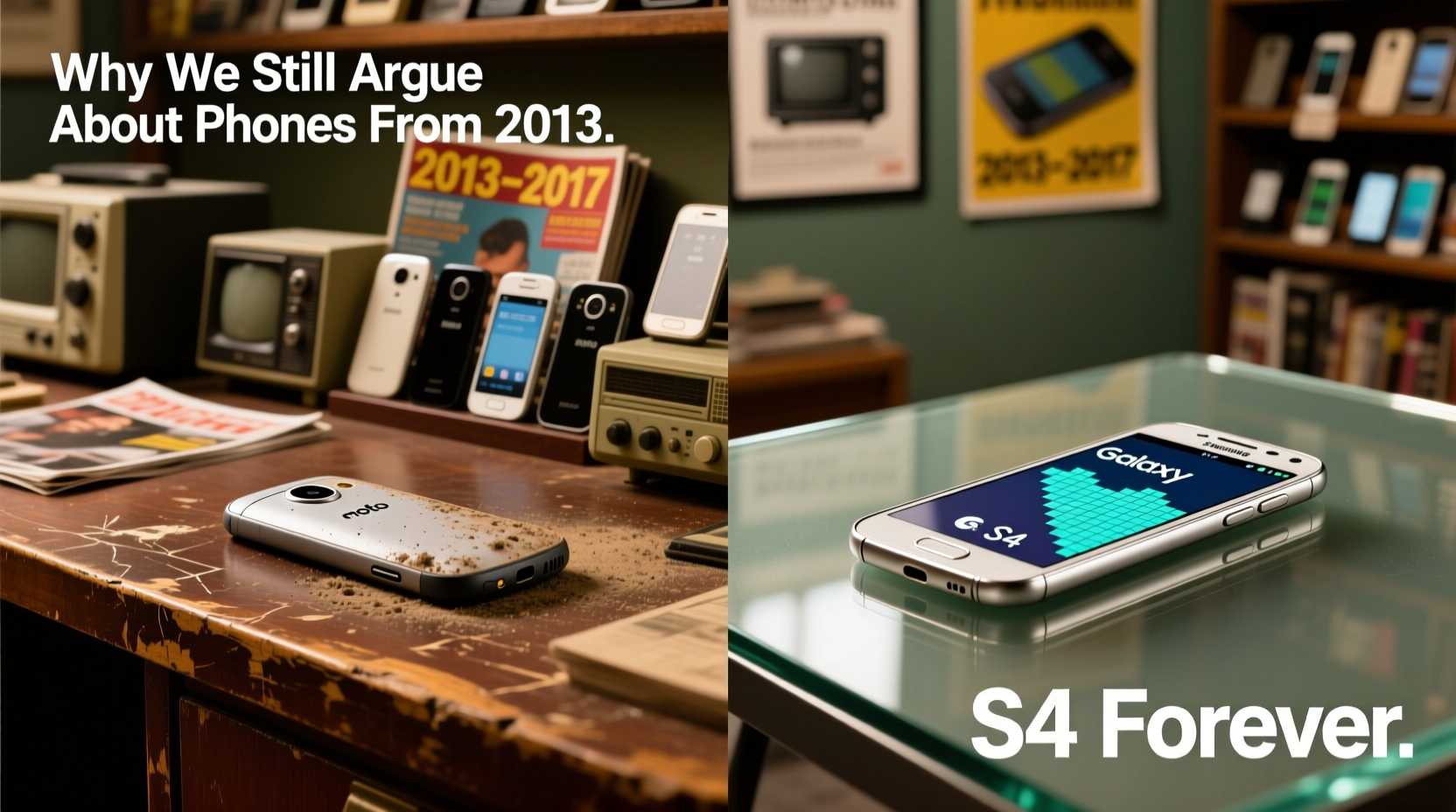
On paper, the comparison is lopsided. The Galaxy S4 was a flagship device in its time, boasting a 1.9GHz quad-core processor (or 1.6GHz octa-core, depending on region), 2GB of RAM, and a 5-inch 1080p display. The Moto G5, released four years later, featured a more modest Snapdragon 430, 2GB or 3GB of RAM, and a 5.2-inch 720p screen. By modern standards, both are underpowered. But specs alone don’t explain why users still return to them.
The real story lies in software optimization and long-term usability. The Galaxy S4 originally ran Android 4.2.2 with Samsung’s TouchWiz interface—a bloated, feature-heavy skin that slowed performance over time. In contrast, the Moto G5 shipped with near-stock Android 7.0 Nougat, known for its clean interface and faster updates. This difference in software philosophy had lasting implications.
“People don’t miss old phones because they were powerful—they miss them because they worked when you needed them, without fuss.” — David Lin, Mobile Historian & Tech Archivist
Nostalgia Meets Practicality
For many, revisiting the Moto G5 vs Galaxy S4 debate isn’t about choosing a daily driver. It’s about remembering a time when phones lasted longer, charged slower but steadier, and didn’t demand constant attention. These devices represent a transitional era—before app overload, endless notifications, and social media addiction became the norm.
The Galaxy S4 was among the first smartphones to integrate fitness tracking, IR blasters, and eye-tracking features. It was ambitious, sometimes to a fault. The Moto G5, meanwhile, was part of Motorola’s resurgence—a budget-friendly device that offered core functionality without gimmicks. Its appeal was reliability.
Tip: If you're using older smartphones today, disable background sync and automatic updates to extend battery life and reduce lag.Longevity and Repairability
One reason these phones remain relevant in conversation is their repairability. Both models featured user-replaceable batteries—a rarity today. A cracked screen or swollen battery didn’t mean replacing the entire device. Third-party repair kits were widely available, and teardowns on sites like iFixit gave users confidence to fix them independently.
In contrast, modern smartphones are sealed units. Replacing a battery often requires heat, suction tools, and technical skill. Many users now treat phones as disposable, upgrading every two years. But those who kept their Moto G5 or Galaxy S4 running for five or more years developed a sense of ownership and pride.
Comparison Table: Key Differences and Longevity Factors
| Feature | Galaxy S4 (2013) | Moto G5 (2017) |
|---|---|---|
| Operating System | Android 4.2.2 (upgradable to 5.0.1) | Android 7.0 (upgradable to 8.1) |
| Battery (Removable) | Yes (2600mAh) | Yes (2800mAh) |
| Storage (Expandable) | Up to 64GB via microSD | Up to 128GB via microSD |
| Software Updates | Limited after 2015 | Security patches until 2019 |
| Average Lifespan (User Reports) | 4–6 years (with care) | 5–7 years (with care) |
| Current Usability (2024) | Limited (no app support) | Basic tasks (calls, SMS, offline apps) |
A Mini Case Study: The Phone That Wouldn’t Die
Consider Mark R., a high school teacher from Portland, who used his Moto G5 as his primary phone from 2017 to 2023. He replaced the battery twice, swapped out the screen once after a drop, and relied on lightweight apps like F-Droid and K-9 Mail. “I didn’t need Instagram or TikTok,” he says. “I used my phone to call parents, check email, and time my classes. The G5 did all that without slowing down.”
When he finally upgraded in 2023, it wasn’t because the G5 failed—it was because WhatsApp dropped support for older Android versions. His experience isn’t unique. Across forums like XDA Developers and r/Android, users share similar stories of extending the life of older devices far beyond expected limits.
In contrast, early adopters of the Galaxy S4 often report diminishing returns after 2016. TouchWiz updates became sluggish, and app compatibility dwindled faster than hardware degradation. Still, some modders kept the device alive using custom ROMs like LineageOS, proving that community support can outlive manufacturer commitment.
Why This Debate Still Matters
The continued discussion around the Moto G5 and Galaxy S4 reflects growing skepticism toward the current smartphone lifecycle. With flagship phones now costing over $1,000 and lasting barely three years, consumers are questioning whether innovation justifies cost and waste.
These older phones symbolize a different approach: good-enough technology designed to last. They weren’t the fastest or flashiest, but they were functional, repairable, and respectful of user autonomy. In an age of digital fatigue, that legacy resonates.
- They remind us that software bloat can shorten a device’s useful life more than hardware limits.
- They highlight the importance of open ecosystems and third-party support.
- They challenge the assumption that newer is always better.
Checklist: How to Extend the Life of Any Smartphone
- Use a protective case and screen protector – Prevent physical damage from drops.
- Replace the battery when capacity drops below 80% – Avoid sudden shutdowns and performance throttling.
- Limit background apps and auto-sync – Reduces strain on CPU and battery.
- Install lightweight alternatives – Use Firefox Lite, Nova Launcher, or offline-first apps.
- Flash custom ROMs if supported – Extend software life beyond official updates.
- Store firmware backups – Allows rollback if updates cause issues.
- Keep a secondary device for testing – Avoid risking your main phone on experimental setups.
Frequently Asked Questions
Can I still use a Moto G5 or Galaxy S4 in 2024?
Possibly, but with significant limitations. Basic functions like calling, texting, and offline music playback will work. However, most modern apps—including banking, social media, and navigation—require newer Android versions and security protocols. Chrome stopped supporting Android 8.1 in 2023, so web browsing is severely restricted.
Why do older phones like these come up in eco-conscious discussions?
Because they exemplify repairability and long-term usability. Extending a phone’s life by even one year can reduce its carbon footprint by up to 30%. Devices with replaceable batteries and modular parts generate less e-waste and align with right-to-repair principles.
Was the Galaxy S4 really worse than the Moto G5?
Not inherently. The S4 was a premium device with cutting-edge features for 2013. However, its heavy software layer and earlier end-of-support made it less sustainable long-term compared to the G5’s leaner design and later release date. The debate often reflects personal priorities: innovation vs. endurance.
Conclusion: Beyond the Spec Sheet
The debate between the Moto G5 and Galaxy S4 isn’t really about which phone was better in its time. It’s about what we’ve lost in the evolution of smartphones: durability, user control, and meaningful longevity. People aren’t clinging to nostalgia—they’re critiquing an industry that prioritizes profit over sustainability.
Every time someone asks, “Which lasted longer?” or “Which felt more reliable?” they’re questioning the pace of modern tech. These conversations matter because they push manufacturers to consider not just what’s new, but what’s necessary.
🚀 Still using an older phone? Or remember what it was like to keep one for years? Share your story in the comments—your experience could inspire others to think differently about their next upgrade.