When it comes to children’s toys, few decisions seem trivial when viewed through the lens of emotional connection, developmental benefit, and long-term appeal. One increasingly common dilemma for parents and gift-givers is choosing between a Remy plush toy—soft, stylized, and cartoonish—and a hyper-realistic rat toy that mimics actual rodents in texture, shape, and movement. While both fall under the category of animal-themed toys, they cater to vastly different sensibilities. Understanding what kids truly want requires looking beyond aesthetics and considering developmental psychology, sensory preferences, peer influence, and even cultural context.
The Appeal of the Remy Plush Toy
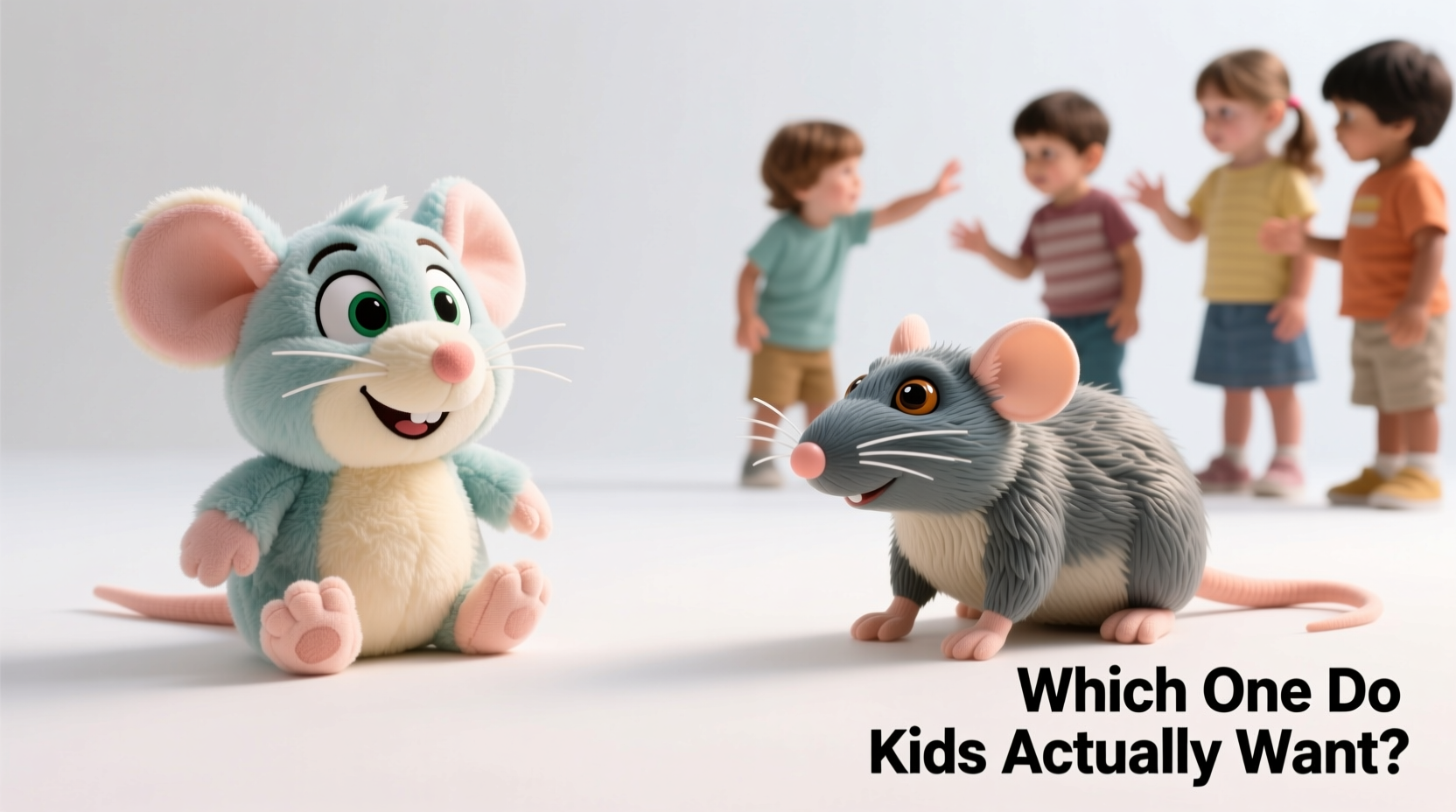
The Remy plush toy draws its inspiration from the beloved character in Pixar’s *Ratatouille*. With large expressive eyes, soft pastel fur, and a perpetually curious expression, this plush embodies warmth, approachability, and whimsy. It’s designed not to replicate a real rat but to transform one into a lovable protagonist.
Children are naturally drawn to exaggerated facial features—big eyes, small noses, rounded shapes—which signal safety and friendliness. This design principle, known as “neoteny,” taps into innate human responses that favor infantile traits. The Remy plush leverages this instinct, making it instantly appealing to young children who may otherwise fear or dislike real rodents.
Additionally, plush toys serve multiple roles: companions during bedtime, confidants in imaginative play, and comfort objects during transitions like starting school or traveling. The softness and huggable nature of the Remy plush make it ideal for emotional regulation, especially for toddlers and preschoolers.
Tip: For children under 6, prioritize plush toys with embroidered eyes and securely stitched features to avoid choking hazards.The Rise of Realistic Rat Toys
In contrast, realistic rat toys aim for authenticity. Made with textured synthetic fur, articulated limbs, and sometimes even sound modules that mimic squeaks, these toys blur the line between plaything and simulation. Some models include educational elements, such as labeled anatomical parts or accompanying booklets about rodent biology.
These toys often appeal to older children—typically ages 7 and up—who are developing scientific curiosity or have a fascination with animals, even those considered “unconventional” pets. Realistic rat toys can spark interest in biology, pet care, or environmental science. They’re also popular among kids who already own pet rats and want a companion toy to mirror their real-life experiences.
However, realism doesn’t always equal desirability. Studies in developmental psychology suggest that while some children enjoy lifelike representations, others experience discomfort due to the \"uncanny valley\" effect—the eerie feeling triggered by something almost, but not quite, human (or animal). In the case of realistic rat toys, the fine line between cute and creepy can be easily crossed, particularly if the toy has glassy eyes or stiff movements.
Comparing Key Factors: What Kids Actually Prefer
| Feature | Remy Plush Toy | Realistic Rat Toy |
|---|---|---|
| Audience Age | 3–8 years | 7+ years |
| Sensory Experience | Soft, warm, comforting | Textured, sometimes stiff or cold |
| Play Value | Imaginative storytelling, cuddling | Educational role-play, mimicry of pet care |
| Fear Factor | Very low | Moderate to high (depending on design) |
| Durability | High (if well-made) | Variable (articulated joints may break) |
| Emotional Connection | Strong (comfort object) | Context-dependent (often intellectual rather than emotional) |
“Children don’t just play with toys—they project onto them. A plush character like Remy becomes a friend; a realistic model might become a subject of study.” — Dr. Lena Patel, Child Development Specialist, University of Michigan
Real-World Example: Two Siblings, Two Choices
Consider the Miller family, where 5-year-old Mia and 9-year-old Jake were each given $20 to spend on a toy at a specialty store. Mia went straight to the plush section and hugged a Remy doll, declaring, “He looks like he’d tell me secrets.” Jake, meanwhile, spent ten minutes examining a motorized realistic rat with moving tail and blinking eyes before deciding it was “kind of cool, but maybe too weird for my room.”
He eventually chose a mid-range model without sound, using it to act out pet care routines with his younger sister’s stuffed animals. Over time, Mia slept with her Remy every night, naming him “Chef Leo.” Jake used his rat intermittently for science class presentations but didn’t form an emotional attachment.
This scenario illustrates a broader trend: younger children seek emotional resonance, while older ones may appreciate realism for functional or educational purposes—but not necessarily for companionship.
How to Choose the Right Toy: A Practical Checklist
- Assess the child’s age: Under 6? Lean toward plush. Over 8 and scientifically curious? Consider realism.
- Observe existing interests: Does the child love cartoons, pets, or science shows?
- Check for sensory sensitivities: Some kids reject rough textures or unexpected sounds.
- Consider gifting context: Is it a comfort gift (e.g., after a move) or an educational one?
- Test reactions discreetly: Show images of both types and ask which one “looks like a good friend.”
Expert Insight: Bridging the Gap Between Fun and Learning
Dr. Arjun Mehta, an educational psychologist, suggests a hybrid approach: “We don’t need to choose between emotional engagement and realism. Some newer toys combine soft bodies with accurate markings or include QR codes linking to fun facts. That way, a child can hug a plush rat while learning about its real-world counterpart.”
This middle ground is gaining traction in the toy industry. Brands like WildLife Huggables and CritterBuds now offer “smart plush” versions—Remy-style designs with embedded NFC chips that, when scanned, launch animated videos about rat behavior, habitats, and care tips. These bridge imagination and education without sacrificing emotional safety.
Frequently Asked Questions
Are realistic rat toys scary for most kids?
Not all kids, but many younger ones find them unsettling, especially if the eyes are glossy or the posture is rigid. Children under 6 are more likely to perceive them as strange or threatening, even if they claim to like animals.
Can a Remy plush toy still be educational?
Absolutely. When paired with books or discussions about Paris, cooking, or even rodent biology, a plush can serve as a conversation starter. The emotional connection often makes learning more memorable.
Do kids outgrow plush toys?
They may stop carrying them around, but the transition is gradual. Many children maintain quiet attachments to specific plushes well into elementary school. Forcing a child to give up a comfort toy can backfire emotionally.
Final Thoughts: What Kids Want vs. What Adults Assume
The answer to “which toy do kids actually want?” isn’t universal—it depends on age, temperament, and context. However, data from toy sales, child development research, and observational studies consistently show that the majority of children under 8 prefer the Remy plush over realistic alternatives. Its combination of emotional safety, tactile comfort, and narrative potential makes it a standout favorite.
Older children, particularly those with pets or strong interests in science, may appreciate realistic models—but even then, these toys are more likely to be used as tools than treasured companions.
Ultimately, what children want isn’t just a toy—it’s a relationship. Whether it’s a brave little chef from a Parisian kitchen or a lifelike replica of a brown rat, the best toy is the one that invites interaction, sparks imagination, and feels like a true friend.
🚀 Ready to make a choice? Observe your child’s reactions, follow their lead, and remember: the best toy isn’t the most realistic—it’s the one they reach for when they need comfort, joy, or a partner in adventure.