Gift exchanges are a staple at holiday parties, office celebrations, and family gatherings—but traditional formats can grow predictable. Enter the deck of cards game: a dynamic, easy-to-learn twist that adds suspense, laughter, and strategic fun to any gift swap. Using nothing more than a standard 52-card deck, these games transform the mundane into something truly engaging. Whether you're planning a lighthearted office Secret Santa or a spirited family night, card-based gift exchanges offer structure, fairness, and surprise.
Why Use a Deck of Cards for Gift Exchanges?
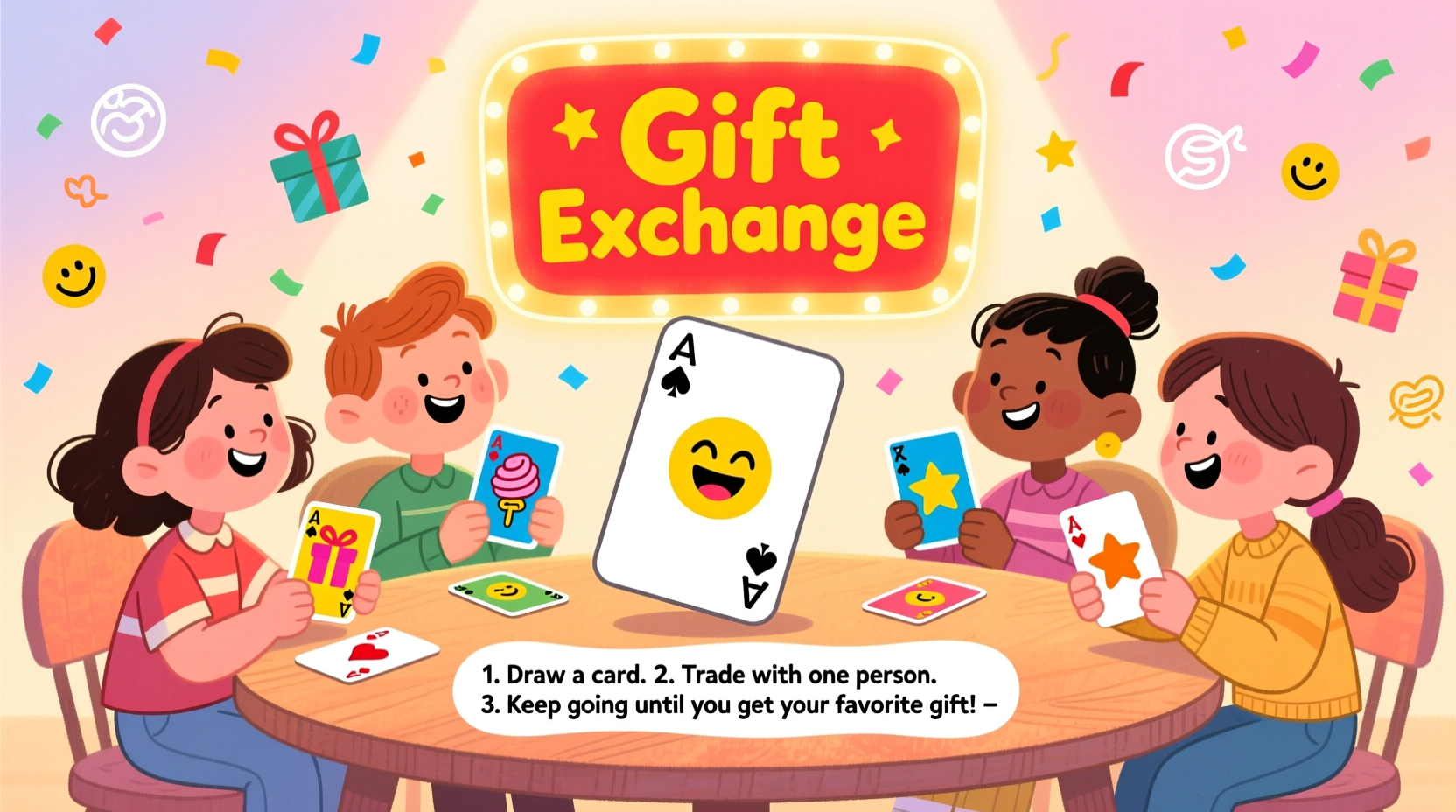
The beauty of using playing cards lies in their simplicity and randomness. Each card draw determines the next player’s turn, creating an unpredictable flow that keeps everyone engaged. Unlike fixed-order games, card mechanics introduce variability—sometimes accelerating swaps, sometimes pausing action—making the experience feel fresh every time.
Additionally, card-based systems require minimal setup. No complicated apps, printed instructions, or timers needed. Just shuffle, deal, and play. The inherent neutrality of a shuffled deck also reduces perceptions of favoritism, ensuring all participants feel the process is fair.
Tip: Use two decks if you have more than 52 guests, or assign multiple people to one card (e.g., all hearts go to one team).Popular Card-Based Gift Exchange Games & Rules
Below are three proven variations, each offering unique pacing and interaction levels. All assume gifts are wrapped, placed in a central area, and assigned to players either by drawing cards or sitting in order around a table.
1. Classic Card Swap (Best for 8–20 Players)
This version uses a single deck and follows suit or rank rules to trigger actions. It's ideal for groups who enjoy moderate interaction without constant chaos.
- Assign each player a card from the deck (shuffle and hand out one card per person).
- Arrange seating in order of card value (2 = first, Ace = last) or suit ranking (Clubs, Diamonds, Hearts, Spades).
- Start with the player holding the 2 of Clubs. They open any gift.
- The next player must play a card that matches either the suit or rank of the previous card.
- If they can’t play, they draw a card from the deck and pass.
- If they can play, they choose to either open a new gift or steal one already opened (if allowed by house rules).
- Play continues clockwise until all gifts are opened or the deck runs out.
Stealing Rules: Limit each gift to being stolen 2–3 times to prevent endless loops. Once a gift is “frozen” (maximum steals reached), it stays with the current holder.
2. Speed Circle (High-Energy Group Play)
Perfect for lively parties, this version removes turns entirely. When certain cards are drawn, everyone reacts simultaneously.
- Shuffle the deck and place it face down in the center.
- All players sit around the circle with hands on the table.
- One designated dealer flips cards one at a time.
- When a numbered card (2–10) appears, nothing happens—keep flipping.
- Face cards trigger actions:
- Jack: Everyone races to touch the pile. Last person picks up the entire discard stack.
- Queen: Players switch seats with someone across the circle.
- King: Free-for-all! All players may steal any gift once before order resumes.
- Ace: Freeze round—no one can be stolen from for the next three turns.
- The game ends when the deck is exhausted or after a set number of rounds.
This version thrives on energy and quick reflexes. It’s especially effective with teams or mixed-age groups where physical engagement boosts enjoyment.
3. Reverse Progression (Strategic & Thoughtful)
Designed for smaller groups (6–12), this method rewards patience. Lower cards act later, giving them more information and better odds of securing desired gifts.
- Each player draws one card. Order is determined by rank: 2 = last to act, Ace = first.
- The Ace starts by opening a gift.
- The King goes next—they may open a new gift or steal the Ace’s.
- If a gift is stolen, the previous holder may either open a new gift or steal another (cannot re-steal the same item immediately).
- Continue down to the 2, who has the final move.
Because lower-ranked players act last, they benefit from seeing which gifts remain unclaimed and how often items are swapped. This creates tension and strategy, making it popular among adults who appreciate tactical decisions.
“Games that incorporate delayed choice, like Reverse Progression, tap into behavioral psychology—people value options more when they feel informed.” — Dr. Alan Pierce, Behavioral Game Designer
Comparison Table: Which Game Is Right For You?
| Game Name | Group Size | Pace | Strategy Level | Best Setting |
|---|---|---|---|---|
| Classic Card Swap | 8–20 | Moderate | Medium | Families, Holiday Parties |
| Speed Circle | 6–30 | Fast | Low | Office Events, Teen Gatherings |
| Reverse Progression | 6–12 | Slow Build | High | Adult Dinners, Small Circles |
Step-by-Step Setup Guide
Follow this timeline to ensure a smooth, enjoyable game:
- 1 Week Before: Send invitations with theme details (e.g., “$20 White Elephant,” “Ugly Sweater Gifts”). Specify if gag gifts are welcome.
- Day Before: Test your deck—remove jokers unless specified. Prepare extra cards for ties or replacements.
- Arrival: Have guests place wrapped gifts in a central location. Assign spots or let them draw cards upon entry.
- Start Game: Explain rules clearly. Demonstrate one round if needed.
- During Play: Designate a rules referee to resolve disputes (e.g., double-steals, frozen gifts).
- End Game: Announce closure clearly. Encourage photo sharing or quick show-and-tell of favorite items.
Mini Case Study: Office Holiday Party Success
The marketing team at Nexus Creative struggled with low engagement during their annual gift exchange. In 2022, only half the staff participated, citing boredom with the same old format. For 2023, the HR coordinator introduced the Speed Circle game using a full deck and themed gifts related to hobbies.
With face cards triggering group actions, even remote employees (via video call) joined in the excitement. The Jack round caused laughter as managers scrambled to touch the screen. By the end, participation jumped to 94%, and post-event surveys rated the activity 4.8/5 for enjoyment. One employee noted, “I actually looked forward to the gift part this year—which never happens.”
FAQs About Card-Based Gift Exchanges
Can children play these games?
Yes, but simplify rules. Use picture cards (Jacks, Queens, Kings) with visual cues. For younger kids, pair them with an adult. Avoid complex stealing chains—limit swaps to one per gift.
What if we run out of cards before everyone gets a gift?
Reshuffle the discard pile into a new draw deck. Alternatively, allow remaining players to pick unopened gifts in order. Always have one extra gift (a “backup present”) in case of mismatches.
Are there printable rule sheets available?
While not included here, many community event blogs offer free PDF downloads. Search “printable card gift exchange rules” for templates. Or create your own using the structures above.
Final Tips for a Memorable Experience
- Set a budget and communicate it early.
- Use themed gifts (e.g., baking items, travel gadgets) to increase relevance.
- Encourage creativity—homemade or humorous presents often become favorites.
- Time the game to fit your schedule (aim for 20–40 minutes).
- Capture moments with a quick group photo holding gifts.
Conclusion: Turn Tradition Into Excitement
A simple deck of cards holds surprising power to revitalize a tired tradition. With thoughtful structure and a few clever rules, you can turn a routine gift swap into the highlight of your gathering. These games balance chance and choice, ensuring fairness while maximizing fun. Whether you’re organizing a corporate event or a cozy dinner party, the right card-based format can bring people together in unexpected ways.
💬 Ready to spice up your next celebration? Try one of these card games and share your results—what worked, what surprised you, and which gift stole the show?