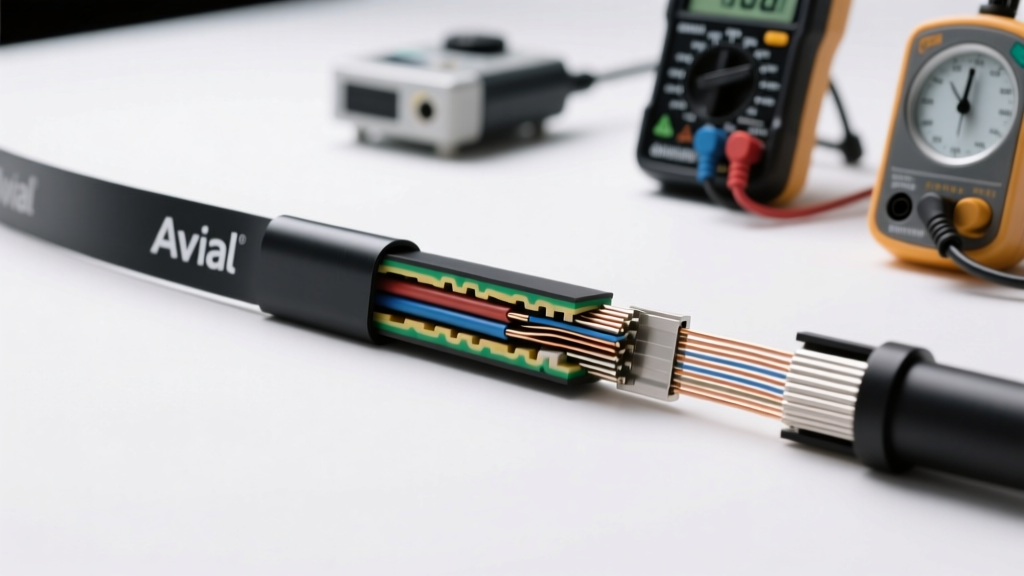
Types of Malaysia Electrical Voltage Products
In Malaysia, electrical systems and equipment are categorized based on operating voltage levels to ensure safety, efficiency, and regulatory compliance. Understanding the different types of voltage equipment is essential for engineers, electricians, and consumers alike. These classifications—high, medium, low voltage, and insulation materials—serve distinct roles in power generation, transmission, distribution, and end-use applications.
High-Voltage Electrical Equipment
Defined in Malaysia as equipment operating above 1,000 volts AC or 1,500 volts DC, high-voltage systems are critical for large-scale power infrastructure.
Key Applications
- Power generation stations
- National grid transmission networks
- Industrial substations
- Utility-scale energy distribution
Common Components
- Transformers
- Circuit breakers
- Insulators
- Switchyards and busbars
Safety Note: Requires specialized training and protective gear due to high risk of arc flash and electrocution.
Medium Voltage Electrical Equipment
Operates between 1,000 V AC and 35,000 V AC, serving as a bridge between high-voltage transmission and low-voltage end-user systems.
Primary Uses
- Distribution to commercial complexes
- Industrial plant power supply
- Urban and suburban electrical networks
- Renewable energy integration (solar/wind farms)
Essential Devices
- Medium-voltage switchgear
- Protective relays
- Voltage transformers
- Ring main units (RMUs)
Importance: Ensures stable, efficient power delivery with reduced losses over medium distances.
Low Voltage Electrical Equipment
Covers systems operating at up to 1,000 V AC or 1,500 V DC, forming the backbone of everyday electrical access.
Applications
- Residential homes
- Commercial buildings
- Small businesses and offices
- Light industrial machinery
Typical Equipment
- Power outlets and switches
- Distribution boards
- Miniature circuit breakers (MCBs)
- Generators and inverters
Standard Voltage: Malaysia uses 230V AC, 50Hz for household and commercial supply.
Electrical Insulation Materials
Used across all voltage levels to prevent current leakage, short circuits, and equipment damage.
Functions
- Prevents electrical shock hazards
- Reduces energy loss
- Protects wiring and components
- Enhances system longevity
Common Materials
- PVC (cables and wires)
- Rubber insulation
- Ceramic insulators (high voltage)
- Epoxy resins and polymers
Critical Role: Found in transformers, cables, motors, and switchgear—essential for system safety and reliability.
| Voltage Type | Voltage Range (AC) | Voltage Range (DC) | Primary Applications | Key Equipment |
|---|---|---|---|---|
| High Voltage | > 1,000 V | > 1,500 V | Power transmission, utilities, heavy industry | Transformers, circuit breakers, insulators |
| Medium Voltage | 1,000 V – 35,000 V | Not commonly standardized | Commercial distribution, industrial supply | Switchgear, protective relays, RMUs |
| Low Voltage | ≤ 1,000 V | ≤ 1,500 V | Residential, offices, small businesses | MCBs, outlets, distribution boards |
| Insulation Materials | All voltage levels | All voltage levels | Safety, efficiency, equipment protection | Cables, transformers, motor windings |
Regulatory Insight: In Malaysia, all electrical equipment must comply with standards set by Suruhanjaya Tenaga (Energy Commission) and MS IEC/MS ISO standards to ensure safety, performance, and interoperability across the national grid.
Expert Tip: When selecting electrical equipment, always verify the voltage rating and environmental suitability (e.g., indoor/outdoor, humidity, temperature) to prevent premature failure and ensure long-term operational safety.
Specifications and Maintenance of Malaysia Electrical Voltage Products
Electrical equipment and tools used in Malaysia must meet specific technical and safety standards to ensure optimal performance, reliability, and user safety. Understanding key specifications and implementing effective maintenance practices are essential for preventing equipment failure, minimizing downtime, and complying with national regulations.
Key Electrical Specifications in Malaysia
The performance and safety of electrical products in Malaysia depend heavily on adherence to standardized voltage, frequency, and current parameters. These specifications are governed by the Malaysian Standard (MS IEC) and regulated by the Energy Commission of Malaysia (Suruhanjaya Tenaga). Below are the most critical specifications for electrical equipment used in residential, commercial, and industrial settings.
Voltage Rating
In Malaysia, the standard mains voltage is 230 volts AC at single-phase for household and light commercial use, with a tolerance of ±10%. For industrial applications, three-phase systems operate at 400 volts AC. Equipment must be clearly labeled with its voltage rating to ensure compatibility with the local power supply.
Using equipment rated for lower voltages (e.g., 110V or 120V) without a proper step-down transformer can lead to immediate damage, overheating, or electrical fires. Conversely, under-voltage operation can cause motors and sensitive electronics to malfunction or fail prematurely.
Low-voltage equipment (up to 1000V AC) is common in most applications, while high-voltage systems (above 1000V) are typically reserved for power transmission and heavy industrial machinery, requiring specialized installation and safety protocols.
Power Frequency
The standard power frequency in Malaysia is 50 Hertz (Hz), consistent with most Commonwealth and Asian countries. All electrical devices—especially those with motors, transformers, and timing circuits—must be designed to operate efficiently at this frequency.
Operating equipment designed for 60 Hz (such as North American appliances) on a 50 Hz supply can result in reduced performance, increased core losses, overheating, and shortened lifespan. Synchronous motors will run 17% slower, and power supplies may not regulate correctly.
Frequency-sensitive equipment, such as medical devices, industrial automation systems, and precision instruments, should be verified for 50 Hz compatibility or equipped with frequency converters where necessary.
Current Rating
The current rating indicates the maximum amount of electrical current (measured in amperes, A) that a device or component can safely handle without overheating or degrading insulation. This includes wiring, circuit breakers, sockets, and appliances.
For example, standard household outlets in Malaysia are typically rated for 13A or 16A, while industrial equipment may require ratings of 32A, 63A, or higher. Exceeding the current rating can lead to insulation breakdown, fire hazards, and tripped circuit breakers.
Proper current rating selection must consider both continuous load and inrush current (e.g., during motor startup). Devices should be paired with appropriately rated protective devices such as fuses and circuit breakers to prevent overcurrent situations.
Environmental & Safety Standards
Electrical products in Malaysia must comply with MS IEC 60335 (safety of household appliances) and MS IEC 60947 (low-voltage switchgear). Additionally, the SIRIM QAS International certification ensures compliance with national safety and electromagnetic compatibility (EMC) requirements.
Equipment used in humid, dusty, or outdoor environments must have appropriate IP (Ingress Protection) ratings—such as IP54 or IP65—to protect against moisture and particulate ingress. This is especially important in tropical climates like Malaysia’s, where high humidity and rainfall are common.
| Specification | Malaysian Standard | Notes |
|---|---|---|
| Single-Phase Voltage | 230V ±10% | Standard for homes and small offices |
| Three-Phase Voltage | 400V | Used in factories and large buildings |
| Power Frequency | 50 Hz | Must match device design; no tolerance for deviation |
| Socket Type | G-Type (BS 1363) | 13A fused plugs; compatible with UK standards |
| Low Voltage Definition | Up to 1000V AC | Covers most consumer and industrial equipment |
Essential Maintenance Practices for Electrical Equipment
Regular maintenance is crucial to ensure the longevity, efficiency, and safety of electrical systems in Malaysia’s demanding tropical environment. Poorly maintained equipment is a leading cause of electrical fires, system failures, and workplace accidents.
Important: Always de-energize equipment before inspection or maintenance and follow lockout/tagout (LOTO) procedures. Only qualified electricians should perform electrical work in compliance with the Electricity Supply Act 1990 and Occupational Safety and Health Act (OSHA). Failure to maintain equipment properly can result in fire hazards, equipment damage, injury, or legal liability.
By adhering to Malaysian electrical standards and implementing a structured maintenance program, businesses and homeowners can ensure safe, efficient, and reliable operation of all electrical systems and appliances.
Scenarios for Using Malaysia Electrical Voltage Products
Electrical voltage products play a critical role across various sectors in Malaysia, ensuring reliable power delivery, operational efficiency, and safety. Designed to meet national and international standards, these products support infrastructure development and technological advancement. Below are key application areas where electrical voltage equipment is essential.
Industrial Manufacturing
In Malaysia’s industrial manufacturing sector, high-voltage electrical systems are the backbone of production operations. These systems power heavy machinery, automated assembly lines, conveyor systems, and robotics, enabling continuous and efficient manufacturing processes. High-capacity transformers, induction motors, and switchgear are deployed to manage the substantial energy demands of factories producing electronics, automotive parts, and consumer goods.
Precise voltage regulation is crucial to prevent equipment damage, reduce downtime, and maintain consistent product quality. Advanced monitoring systems and protective relays ensure operational stability, while energy-efficient motors and drives help reduce power consumption and carbon emissions. Safety protocols, including arc-flash protection and grounding systems, are integrated to protect workers and equipment.
Key Benefits & Considerations
- High-efficiency motors reduce long-term energy costs
- Voltage stabilizers prevent damage from power fluctuations
- Automation-compatible systems enhance process control
- Compliance with MS IEC standards ensures safety and reliability
Commercial Real Estate
Commercial buildings such as shopping malls, office towers, and hotels rely on low- and medium-voltage electrical systems to power lighting, air conditioning, elevators, security systems, and IT infrastructure. These systems must deliver consistent, safe, and energy-efficient power to support daily operations and ensure occupant comfort.
Modern commercial developments increasingly adopt smart building technologies, including energy management systems (EMS), LED lighting controls, and variable frequency drives (VFDs), all of which depend on stable voltage supply. Circuit breakers, distribution boards, and uninterruptible power supplies (UPS) are essential for preventing outages and protecting sensitive electronic equipment.
Well-designed electrical systems also contribute to green building certifications like GreenRE or LEED by minimizing energy waste and improving sustainability. Regular maintenance and thermal imaging inspections help identify potential faults before they lead to failures.
Key Benefits & Considerations
- Energy-efficient lighting and HVAC reduce operational costs
- Smart distribution panels enable remote monitoring
- Low-heat components extend equipment lifespan
- Dedicated circuits prevent overloads in high-demand areas
Power Generation
Malaysia’s power generation infrastructure—comprising coal, gas, hydro, and renewable energy plants—depends heavily on high- and medium-voltage electrical equipment. Generators, step-up transformers, switchyards, and transmission lines work in tandem to convert mechanical energy into electricity and deliver it to the national grid via Tenaga Nasional Berhad (TNB).
Reliability and efficiency are paramount in power plants, where even minor disruptions can affect thousands of consumers. High-voltage circuit breakers, surge arresters, and protection relays safeguard equipment from faults, while SCADA systems provide real-time monitoring and control. With Malaysia’s growing focus on renewable energy, inverters and grid-tie systems for solar and biomass installations also require precise voltage regulation.
Maintenance of electrical equipment in power plants follows strict schedules to ensure uninterrupted supply and compliance with regulatory standards such as those set by the Energy Commission (Suruhanjaya Tenaga).
Key Benefits & Considerations
- High-efficiency transformers minimize energy loss during transmission
- Redundant systems ensure continuity during maintenance
- Surge protection prevents damage from lightning and grid fluctuations
- Integration with smart grid technologies enhances load balancing
Transportation Systems
Malaysia’s modern transportation network, including the Mass Rapid Transit (MRT), Light Rail Transit (LRT), KTM Komuter, and electric buses, relies on sophisticated electrical systems for operation. These systems require stable voltage supply for traction power, signaling, station lighting, ventilation, and communication networks.
Electric trains operate on high-voltage overhead lines or third rails, with substations converting and regulating power for consistent performance. Signaling and train control systems use low-voltage electronics that must be protected from interference and outages. Emergency backup systems, including batteries and generators, ensure safety during power failures.
As Malaysia expands its electrified public transport, the demand for resilient and intelligent electrical infrastructure grows. Smart monitoring systems detect voltage anomalies in real time, enabling predictive maintenance and reducing service disruptions.
Key Benefits & Considerations
- Regulated traction power ensures smooth train acceleration and braking
- Fail-safe signaling systems enhance passenger safety
- Energy recovery systems (regenerative braking) improve efficiency
- Dedicated power corridors reduce interference from other loads
Telecommunication Systems
Malaysia’s digital economy is supported by a robust telecommunications infrastructure that depends on reliable electrical voltage products. Data centers, mobile base stations, fiber-optic networks, and cloud service providers require uninterrupted power to maintain connectivity for millions of users.
Low- and medium-voltage systems power servers, routers, cooling units, and backup systems. Uninterruptible Power Supplies (UPS), automatic transfer switches (ATS), and diesel generators ensure continuity during grid outages. Precision power distribution units (PDUs) manage load balancing and prevent overloads in high-density server environments.
With the rollout of 5G and increasing data traffic, the demand for energy-efficient and scalable electrical systems has never been higher. Thermal management and power quality monitoring are critical to maintaining optimal performance and preventing hardware failure.
Key Benefits & Considerations
- Redundant power feeds ensure 99.999% uptime (five-nines reliability)
- High-efficiency UPS systems reduce energy waste
- Remote monitoring enables rapid response to power issues
- Compliance with international standards (e.g., TIA-942) ensures data center reliability
Expert Insight: When selecting electrical voltage products for any application in Malaysia, always verify compatibility with the national voltage standard of 230V AC at 50Hz and compliance with SIRIM and MS IEC certifications. Consider future scalability, environmental conditions (humidity, temperature), and integration with smart monitoring systems to maximize performance and longevity.
Strategic Approaches to Choosing Malaysia Electrical Voltage Products
Selecting the right electrical equipment and tools for use in Malaysia requires careful consideration of several key factors. With the country operating on a standard voltage of 230V at 50Hz, and governed by strict electrical safety regulations, making informed decisions is essential for safety, compliance, performance, and long-term value. This guide outlines the most critical aspects to evaluate when purchasing electrical products for residential, commercial, or industrial applications in Malaysia.
Safety & Compliance Alert: Using non-compliant or incompatible electrical equipment can lead to equipment failure, fire hazards, or personal injury. Always verify product specifications and certifications before purchase and installation.
Key Factors in Selecting Electrical Voltage Products for Malaysia
- Compliance with Local Regulations and Safety Standards
When sourcing electrical tools and equipment for the Malaysian market, compliance with national regulations is not optional—it’s mandatory. All electrical products must meet the requirements set by the Energy Commission of Malaysia (Suruhanjaya Tenaga) and conform to the Malaysian Standard (MS IEC) series, particularly MS IEC 60364 for electrical installations.
Certification marks such as the SIRIM QAS International certification are strong indicators that a product has undergone rigorous testing for safety, electromagnetic compatibility, and performance under local conditions. These certifications not only ensure legal compliance but also serve as a risk mitigation strategy, reducing liability and enhancing user safety. Always verify the presence of SIRIM or other recognized certification labels before procurement.
- Reputation of Brands and Market Provenance
The brand behind an electrical product plays a significant role in determining its reliability, durability, and service support. Established brands with a proven track record in Malaysia—such as Honeywell, Schneider Electric, Siemens, Legrand, and local leaders like TNB and Senai Electronics—typically offer higher quality control, better customer service, and greater assurance of compliance with local voltage and environmental conditions.
Before making a decision, research customer reviews, case studies, and industry recommendations. A reputable brand often provides detailed technical documentation, local distributor networks, and responsive support teams. Prioritizing brands that have demonstrated consistent performance in Malaysia’s tropical climate and variable load conditions can significantly reduce maintenance costs and downtime.
- Adaptability to Malaysia’s Voltage and Power Standards
Malaysia operates on a nominal voltage of 230V ±10% at 50Hz, which differs from many other regions (e.g., 110–120V in North America). It is crucial to ensure that all electrical equipment—whether imported or locally manufactured—is rated for this voltage range.
Look for products labeled with input ranges such as 220–240V, 50Hz, or 230V AC. Equipment designed for lower voltages may overheat or fail prematurely, while those not designed for 50Hz operation may experience motor inefficiencies or timing errors. For industrial applications involving high, medium, or low-voltage systems, confirm compatibility with local distribution standards and consider surge protection and voltage stabilization solutions to handle fluctuations common in certain areas.
- Availability of Technical Support and After-Sales Services
Even the most reliable electrical equipment may require maintenance, troubleshooting, or component replacement. Therefore, the availability of robust technical support and after-sales services is a critical factor in long-term satisfaction and operational continuity.
When evaluating a product, consider:
- The length and coverage of the manufacturer’s warranty
- Accessibility of authorized service centers across Malaysia
- Availability of spare parts and replacement components
- Response time for technical inquiries or emergency support
- Training and documentation provided for installation and maintenance
Manufacturers with strong local partnerships or regional headquarters in Southeast Asia are more likely to offer timely support and sustainable service ecosystems, minimizing operational disruptions.
| Evaluation Factor | Why It Matters | What to Look For | Potential Risks of Neglect |
|---|---|---|---|
| Regulatory Compliance | Ensures legal use and user safety | SIRIM QAS certification, MS IEC standards | Fines, equipment seizure, safety hazards |
| Brand Reputation | Indicates quality, reliability, and support | Local market presence, customer reviews, industry recognition | Poor performance, frequent breakdowns, lack of support |
| Voltage Compatibility | Prevents damage and ensures efficiency | 230V, 50Hz rating; wide input range (e.g., 220–240V) | Equipment failure, fire risk, energy waste |
| After-Sales Support | Extends product lifespan and uptime | Warranty terms, service centers, spare parts availability | Extended downtime, high repair costs, obsolescence |
Expert Tip: When importing electrical equipment, work with a certified electrical contractor or consultant familiar with Suruhanjaya Tenaga regulations. They can assist with product verification, testing, and registration to ensure full compliance before deployment.
Additional Recommendations for Buyers
- Always request product datasheets and certification documents before purchase
- Verify plug types—Malaysia uses Type G (BS 1363) outlets; adapters or rewiring may be needed for foreign devices
- Consider energy efficiency ratings (e.g., MEPS – Minimum Energy Performance Standards) to reduce long-term operating costs
- For industrial buyers, conduct site-specific assessments to match equipment with load requirements and environmental conditions
- Keep a log of all electrical purchases, including model numbers, certifications, and warranty details for maintenance tracking
Choosing the right electrical voltage products in Malaysia goes beyond price and specifications. It involves a strategic assessment of compliance, compatibility, brand trust, and ongoing support. By prioritizing these factors, consumers and businesses can ensure safe, efficient, and reliable electrical operations that meet both current needs and future demands.
Frequently Asked Questions About Electrical Voltage Products in Malaysia
Q1: What is the standard voltage and frequency for electrical supply in Malaysia?A1: The standard electrical supply in Malaysia operates at 230 volts (V) with a frequency of 50 hertz (Hz). This specification aligns with the International Electrotechnical Commission (IEC) standards, ensuring compatibility with most modern electrical appliances designed for use in Southeast Asia and Europe.
This voltage replaced the older 240V standard as part of a regional harmonization effort, although the difference is negligible for most devices. Most dual-voltage electronics (such as laptops and phone chargers) can automatically adapt to this range (typically 220V–240V), making them safe to use without a voltage converter.
However, appliances from countries with 110V–120V systems (like the United States or Japan) may require a step-down transformer unless they are specifically labeled as dual-voltage.
Q2: How do I select electrical equipment suitable for the Malaysian market?A2: Choosing the right electrical equipment for Malaysia involves several key considerations to ensure safety, efficiency, and long-term reliability:
- Voltage Compatibility: Confirm that the equipment is rated for 230V, 50Hz operation. Look for labels indicating "Input: 220–240V, 50Hz" to ensure compatibility.
- Compliance with Local Standards: Ensure the product meets Malaysian regulatory requirements, particularly those set by SIRIM QAS International, the national certification body.
- Brand Reputation: Opt for reputable manufacturers with proven track records in quality control, safety testing, and customer support. Established brands are more likely to provide durable and reliable products.
- After-Sales Support: Choose suppliers or brands that offer accessible technical support, warranty services, and spare parts availability within Malaysia.
- Material Quality and Build: High-quality insulation, robust enclosures, and corrosion-resistant components are essential, especially given Malaysia’s tropical climate.
- Energy Efficiency: Prioritize energy-efficient models (e.g., those with MEPS – Minimum Energy Performance Standards compliance) to reduce operating costs and environmental impact.
By carefully evaluating these factors, you can select electrical equipment that performs reliably, lasts longer, and complies with national safety regulations.
Q3: What role do electrical insulation materials play in these products?A3: Electrical insulation materials are critical components in any electrical system, especially in Malaysia’s hot and humid tropical environment. Their primary functions include:
- Preventing Short Circuits: Insulation separates conductive parts, minimizing the risk of unintended current flow between wires or components.
- Protecting Against Electric Shock: By enclosing live parts, insulation shields users from accidental contact with high-voltage elements, enhancing overall safety.
- Reducing Energy Loss: Effective insulation minimizes leakage currents and resistive losses, improving the efficiency of power transmission and distribution.
- Withstanding Environmental Stress: In Malaysia’s high humidity and temperature conditions, insulation must resist moisture absorption, thermal degradation, and fungal growth. Common materials include PVC, XLPE (cross-linked polyethylene), rubber, and ceramic coatings.
- Ensuring System Longevity: Durable insulation protects cables and internal components from wear, corrosion, and mechanical damage, extending equipment lifespan.
High-performance insulation is especially vital in industrial settings, outdoor installations, and high-load applications where system failure could lead to downtime, fire hazards, or safety incidents.
Q4: How can one maintain electrical equipment in Malaysia?A4: Proper maintenance is essential to ensure the safe and efficient operation of electrical equipment in Malaysia’s demanding climate. Recommended practices include:
- Routine Visual Inspections: Check for signs of wear, overheating (e.g., discoloration, melting), loose connections, or corrosion—especially in humid or coastal areas.
- Regular Cleaning: Dust, dirt, and salt buildup can impair heat dissipation and cause insulation breakdown. Clean enclosures, vents, and terminals using dry or compressed air and non-conductive cleaning agents.
- Insulation Resistance Testing: Use a megohmmeter (insulation tester) periodically to detect moisture ingress or degradation in insulation, particularly before monsoon seasons.
- Thermal Imaging: For industrial systems, infrared thermography can identify hotspots in switchgear, connections, or motors before they lead to failure.
- Preventive Replacements: Replace aging components such as gaskets, fuses, contactors, and capacitors before they fail. Follow manufacturer-recommended service intervals.
- Tightening Connections: Vibration and thermal cycling can loosen terminals over time. Periodic torque checks help maintain secure electrical contacts.
Implementing a structured preventive maintenance program not only enhances safety but also reduces unexpected breakdowns, lowers repair costs, and extends the operational life of electrical assets.
Q5: Are there any specific certifications to look for when choosing electrical products in Malaysia?A5: Yes, the most important certification to look for is the SIRIM QAS Certification Mark, issued by SIRIM Berhad, Malaysia’s national standards and quality assurance body.
This certification confirms that the electrical product:
- Meets Malaysian Technical Standards (MS IEC or MS standards)
- Complies with safety, performance, and electromagnetic compatibility (EMC) requirements
- Has undergone rigorous testing in accredited laboratories
- Is suitable for use in Malaysian electrical environments
In addition to SIRIM, other relevant indicators of compliance include:
| Certification/Label | Issuing Body | Purpose |
|---|---|---|
| SIRIM QAS Mark | SIRIM Berhad | Mandatory for regulated electrical products; ensures safety and standards compliance |
| MEPS Label | Energy Commission (Suruhanjaya Tenaga) | Indicates energy efficiency compliance for appliances like air conditioners and refrigerators |
| CB Scheme Certificate | IECEE (International) | Facilitates international acceptance; often accepted by SIRIM for faster certification |
Always verify the authenticity of certification marks through the SIRIM website or authorized distributors. Avoid uncertified or counterfeit products, as they pose serious fire and electrocution risks.