
As temperatures rise during summer months and heatwaves become more frequent, people are turning to innovative cooling solutions beyond traditional methods like shade, hydration, and air conditioning. One such product gaining popularity is the neck fan—a wearable device designed to provide personal cooling while allowing freedom of movement. But does it actually work? Can a small fan wrapped around your neck meaningfully lower body temperature or improve comfort during outdoor activities? The answer isn’t a simple yes or no. Effectiveness depends on design, environment, activity level, and individual physiology.
This article dives into the science behind neck fans, evaluates real-world performance, compares models, and offers practical guidance for anyone considering this gadget as part of their heat management strategy.
How Neck Fans Work: The Science Behind Personal Cooling
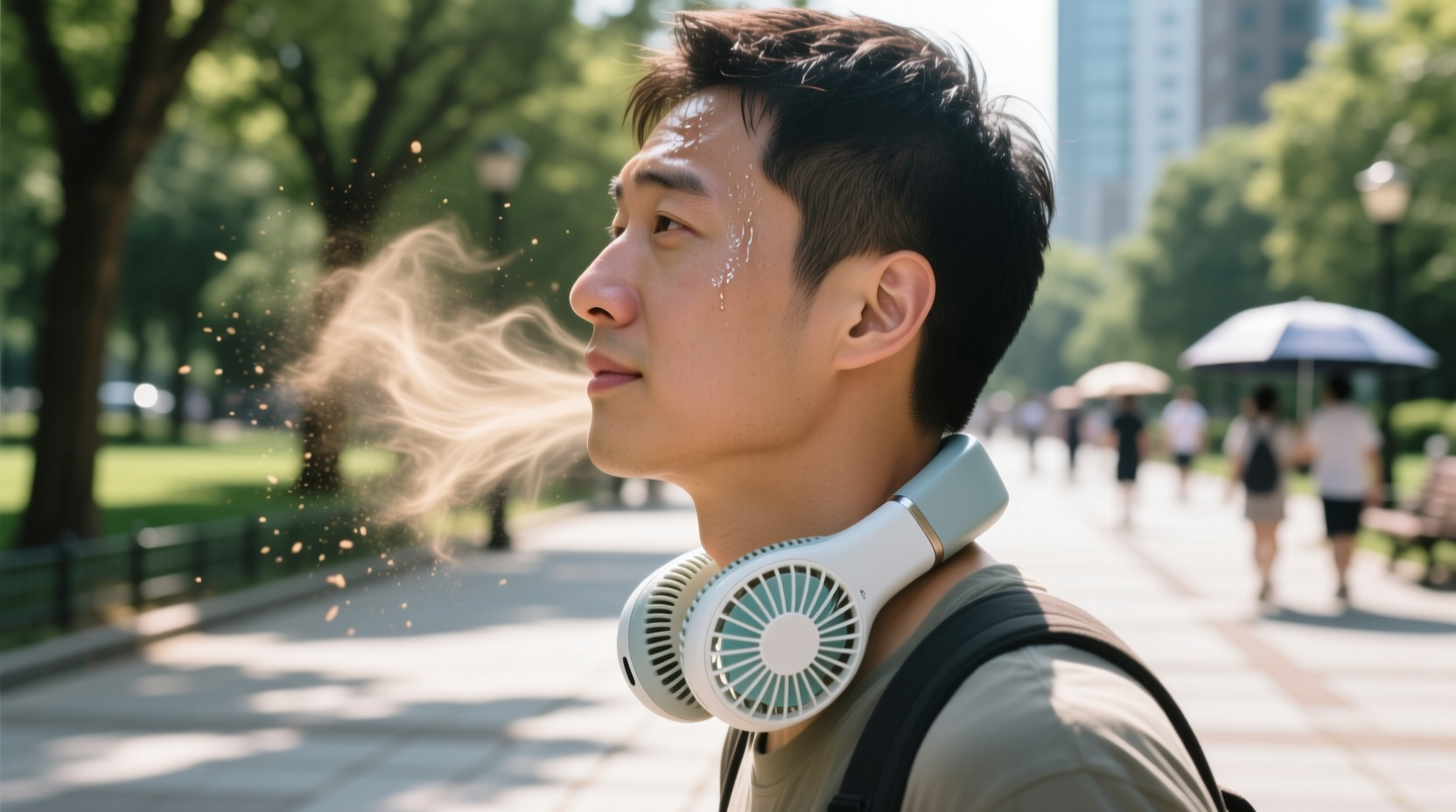
Neck fans operate on the principle of convective and evaporative cooling. They typically feature one or more small, battery-powered fans mounted on a flexible band that rests around the neck. When activated, these fans blow air directly onto the neck and upper chest—areas rich in blood vessels close to the skin’s surface, including the carotid arteries.
Cooling these zones can influence core body temperature perception because blood flowing through them goes directly to the brain. By lowering the temperature of this blood, even slightly, the body may register an overall reduction in heat stress. Additionally, moving air accelerates sweat evaporation, which removes heat from the skin—a process known as evaporative cooling.
However, unlike air conditioners or immersion in cold water, neck fans do not lower ambient temperature. Their impact is localized and subjective. In dry climates with low humidity, where sweat evaporates easily, they tend to be more effective. In humid environments, where evaporation slows, perceived benefits diminish.
“Localized cooling devices like neck fans won't replace environmental cooling, but they can shift thermal comfort thresholds by 2–3°C under optimal conditions.” — Dr. Lena Torres, Environmental Physiologist, University of Arizona
Real-World Performance: When Neck Fans Help (and When They Don’t)
The effectiveness of a neck fan varies significantly depending on context. Below are several scenarios illustrating where neck fans deliver tangible benefits—and where expectations should be tempered.
Tip: For maximum effect, wear your neck fan when you're sweating lightly—this allows airflow to enhance evaporation and cooling.Effective Use Cases
- Walking or light hiking in moderate heat: At temperatures between 85°F and 95°F (29°C–35°C), a neck fan can make a noticeable difference in comfort, especially if there's little natural breeze.
- Standing in line at outdoor events: During concerts, festivals, or airport queues, limited mobility makes passive cooling hard. A neck fan provides active airflow without needing external power.
- Commuting via bike or scooter: Cyclists report improved endurance and reduced fatigue when using neck fans in urban settings, particularly during early morning or late afternoon rides.
- Outdoor work with intermittent breaks: Landscapers, delivery personnel, or construction supervisors who move between shaded and sunny areas often find neck fans helpful during rest periods.
Limited or Ineffective Scenarios
- Intense physical labor in high heat (>100°F / 38°C): Under extreme conditions, metabolic heat production exceeds any cooling benefit from a small fan. Sweat may pool rather than evaporate, reducing efficacy.
- High-humidity environments: In tropical climates or during monsoon seasons, moisture-saturated air limits evaporation. Blowing warm, damp air may feel like a hairdryer effect.
- Prolonged sun exposure without other protection: Relying solely on a neck fan while wearing dark clothing and no hat increases risk of heat-related illness despite perceived cooling.
- Sleeping or resting indoors: Most users find neck fans too noisy or uncomfortable for extended wear during sleep, and ceiling fans or AC remain superior options.
Comparing Neck Fan Types: Features That Impact Effectiveness
Not all neck fans are created equal. Design differences affect airflow, noise, battery life, portability, and safety. Understanding these variations helps determine whether a model will meet your needs.
| Fan Type | Airflow Output | Battery Life | Noise Level | Best For |
|---|---|---|---|---|
| Bladeless Ring Fans | Moderate (uses air multiplier tech) | 4–6 hours | Low (~30 dB) | Office commutes, quiet environments |
| Traditional Blade Fans (Dual-Side) | High (directed jets) | 2–4 hours | Medium-High (~50 dB) | Active use, hiking, cycling |
| Misting Neck Fans | Very High (with water spray) | 1.5–3 hours (plus refill time) | Medium | Dry climates, short-duration relief |
| Foldable/Compact USB Fans | Low-Moderate | Up to 8 hours | Low | Travel, backup cooling |
Misting models combine airflow with fine water droplets, enhancing evaporative cooling. However, they require regular refilling, add weight, and can leave dampness on clothes. In dusty environments, mist systems may clog or promote mineral buildup.
Some premium models include smart features like variable speed control, magnetic charging, UV sterilization (to reduce bacteria), and even built-in speakers. While convenient, these extras often come at the cost of increased bulk and shorter runtimes.
Mini Case Study: A Delivery Worker’s Experience in Phoenix Summer
Jamal Rivera, a food delivery rider in Phoenix, Arizona, tested three different neck fans over a six-week period during July and August, when daytime highs regularly exceed 110°F (43°C). His goal was to assess whether any wearable fan could reduce discomfort and prevent overheating during 6–8 hour shifts.
He started with a basic dual-blade USB fan. It provided initial relief but lost effectiveness after 30 minutes of continuous use due to rapid battery drain and motor overheating. He then tried a bladeless ring-style fan with longer battery life. Though quieter and more comfortable, its lower airflow offered minimal cooling under direct sun.
Finally, he used a misting neck fan with a detachable water tank. This version delivered the most noticeable improvement—especially during midday pickups—but required frequent stops to refill and clean the reservoir. “It helped me push through the worst hours,” Jamal said, “but I still had to rely on ice towels, wide-brim hats, and drinking electrolyte mixes every hour.”
His conclusion: neck fans alone aren’t enough in extreme heat, but they serve as one component of a broader heat mitigation plan.
Step-by-Step Guide: Maximizing Your Neck Fan’s Cooling Potential
To get the most out of a neck fan, follow this practical sequence:
- Charge fully before first use: Ensure batteries are optimized for peak performance, especially in hot conditions where lithium-ion efficiency drops.
- Wear moisture-wicking clothing: Pair the fan with breathable fabrics like polyester blends or merino wool to support evaporation.
- Stay hydrated: Drink water consistently before and during use. Dehydration reduces sweating, limiting the fan’s ability to cool via evaporation.
- Use during transitional moments: Activate the fan when stepping into heat, after exercise, or while waiting—don’t wait until you’re drenched in sweat.
- Combine with other cooling tools: Add a dampened neck gaitie, handheld umbrella, or cooling towel for synergistic effects.
- Clean regularly: Wipe down blades or vents weekly to prevent dust accumulation, which reduces airflow and increases noise.
- Store properly: Keep in a dry place away from direct sunlight to preserve battery health and material integrity.
Common Misconceptions About Neck Fans
Despite growing popularity, several myths persist about what neck fans can achieve:
- Myth: Neck fans cool your entire body.
Reality: They only cool exposed skin and nearby air. Core temperature reduction is modest and indirect. - Myth: Any neck fan will prevent heatstroke.
Reality: No wearable fan eliminates heat illness risk. They should complement—not replace—safety practices like shade breaks and hydration. - Myth: More blades mean better cooling.
Reality: Air velocity, motor efficiency, and directional focus matter more than blade count. - Myth: All models are safe for children.
Reality: Some have exposed rotating parts or choking hazards. Always check age recommendations and supervision guidelines.
Checklist: Is a Neck Fan Right for You?
Before purchasing, ask yourself the following:
- ✅ Will I primarily use it in dry or moderately humid climates?
- ✅ Am I engaging in low-to-moderate intensity outdoor activities?
- ✅ Do I already use other heat safety measures (hydration, shade, appropriate clothing)?
- ✅ Am I looking for supplemental comfort, not a primary cooling solution?
- ✅ Am I willing to recharge or maintain the device regularly?
If you answered “yes” to most of these, a neck fan could be a worthwhile addition to your summer gear. If you're working in extreme heat or rely on constant cooling, consider industrial-grade PPE or climate-controlled environments instead.
FAQ
Can neck fans cause neck pain or muscle strain?
Most modern models weigh between 5 and 8 ounces (140–225 grams), making them lightweight enough for extended wear. However, poorly balanced designs or prolonged use without adjustment may lead to stiffness. Choose ergonomic models with padded supports and take breaks every few hours.
Do neck fans work for people with thick necks or long hair?
Yes, many brands offer adjustable bands that fit a wide range of neck sizes. Long hair may get caught in traditional blade models; opt for enclosed or bladeless designs if this is a concern.
Are neck fans worth the price?
Entry-level models start around $25 and can be effective for casual use. Premium versions ($60+) offer better build quality, longer battery life, and advanced features. Consider usage frequency and expected conditions. For occasional park visits, a budget model suffices. For daily outdoor workers, investing in durability and performance pays off.
Conclusion: A Useful Tool—But Not a Magic Solution
A neck fan can indeed help you stay cooler outdoors—but only within realistic boundaries. It excels as a portable, personal cooling aid in moderate heat, especially when combined with smart habits like hydration, proper attire, and seeking shade. It cannot override dangerous heat levels or substitute for medical-grade heat protection.
For hikers, urban commuters, festival-goers, or anyone spending time outside in warm weather, a well-chosen neck fan adds a layer of comfort and control. Think of it not as a replacement for traditional cooling, but as a tactical enhancement—like sunglasses for your thermal experience.
🚀 Ready to beat the heat smarter? Assess your typical outdoor routine, try a highly rated neck fan this season, and share your experience with others looking to stay cool naturally.