
Guanacaste, on Costa Rica’s Pacific coast, is a paradise of sun-drenched shores, wild beauty, and laid-back charm. With over 300 days of sunshine annually, this region offers some of the most accessible and scenic beaches in Central America. Whether you're seeking surf, solitude, or seaside dining under coconut palms, Guanacaste delivers a coastal experience that blends adventure with relaxation. From bustling resort-lined bays to remote coves reachable only by boat, the variety here ensures every traveler finds their perfect stretch of sand.
The Coastal Allure of Guanacaste
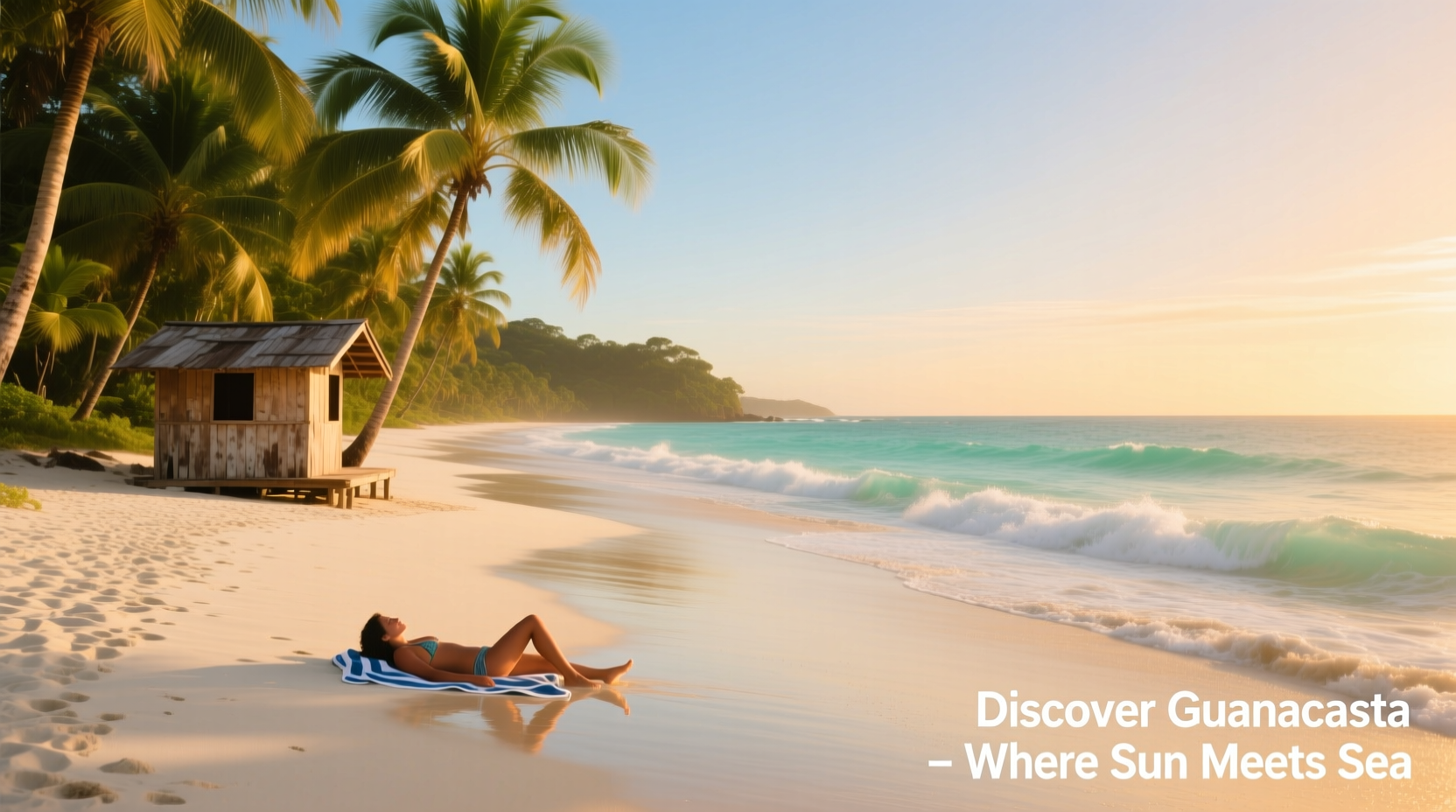
Stretching from the Nicaraguan border down toward the Gulf of Papagayo, Guanacaste’s coastline is defined by dramatic cliffs, mangrove estuaries, and long, sweeping beaches backed by dry tropical forests. The region's dry season—from December to April—makes it ideal for beach lovers who want guaranteed sunshine and calm seas. But even in the green season (May to November), afternoon rains rarely disrupt full days of exploration. The Pacific waters here are warm, and many beaches offer gentle slopes into the ocean, making them safe for swimming and family-friendly activities.
What sets Guanacaste apart is its balance of accessibility and untouched nature. While Tamarindo and Playas del Coco have evolved into vibrant tourist hubs with restaurants, tours, and nightlife, nearby beaches like Playa Naranjo or Islita remain pristine and uncrowded. This contrast allows visitors to choose their pace: dive into surf culture one day and retreat to a secluded shoreline the next.
Tip: Rent a 4x4 vehicle if planning to explore remote beaches—many require rough roads better handled with high clearance.Top Beaches in Guanacaste: A Regional Guide
Each beach in Guanacaste has its own personality. Here’s a curated look at the standout destinations, highlighting what makes each unique.
Tamarindo: Surf, Sand, and Scene
Perhaps the most famous beach in the region, Tamarindo combines a lively town atmosphere with consistent surf and a wide, swimmable bay. The beach curves around a natural cove, offering protection from strong currents. It’s ideal for beginner surfers, thanks to year-round waves and numerous surf schools lining the shore.
Beyond surfing, Tamarindo thrives at sunset, when travelers gather at open-air cafes and beachfront bars. Seafood ceviche, cold beer, and live music create an easygoing rhythm. Accommodations range from boutique hotels to budget hostels, making it a flexible base for exploring northern Guanacaste.
Playa Conchal: Luxury and Crystalline Beauty
Nestled within a private resort enclave, Playa Conchal is renowned for its surreal, shell-powdered sand—so fine it feels like walking on powdered sugar. The beach stretches for nearly a mile along a protected bay, with water so clear you can see stingrays gliding beneath your feet.
Access is partially restricted due to luxury resorts like Westin Reserva Conchal, but day passes and restaurant visits allow non-guests to enjoy the beach. Snorkeling is excellent near the rocky outcrops at either end, and paddleboarding is popular in the calm morning waters.
Playas del Coco: The Gateway to Adventure
A practical hub for travelers, Playas del Coco offers a long crescent beach with black volcanic sand and reliable amenities. It’s a top spot for deep-sea fishing charters, scuba diving trips to Bat Islands, and sunset cruises. While the beach isn’t the softest in Guanacaste, its convenience—restaurants, pharmacies, ATMs, and tour operators all within walking distance—makes it a favorite among families and independent travelers.
At low tide, tidal pools emerge, perfect for kids to explore marine life. Nightlife here is more subdued than Tamarindo but includes several beachfront bars with reggae vibes and fresh coconut drinks.
Playa Flamingo: Where Elegance Meets Nature
Situated in a horseshoe-shaped bay, Playa Flamingo boasts white sand, calm turquoise waters, and upscale resorts like The Westin and Secrets Resort. It’s one of the few beaches in Guanacaste with direct beachfront lodging, allowing guests to step from their rooms onto the sand.
Flamingo is also a premier destination for sportfishing. The offshore waters teem with marlin, sailfish, and dorado, attracting anglers worldwide. For non-fishers, glass-bottom boat tours and snorkeling excursions reveal underwater gardens just minutes from shore.
Playa Avellanas: The Hidden Gem
Just south of Tamarindo, Playa Avellanas retains a bohemian, off-grid feel despite growing popularity. Known locally as “Little Hawaii,” it’s a surfer’s haven with powerful reef breaks attracting experienced riders. The beach itself is expansive at low tide, fringed by casuarina trees that provide natural shade.
A handful of eco-lodges and jungle-chic villas dot the hills behind the beach, emphasizing sustainability and privacy. Dining options include rustic farm-to-table spots serving organic smoothie bowls and fresh-caught tuna tacos.
“Guanacaste’s coastline offers a rare blend—developed enough for comfort, wild enough to feel like discovery.” — Carlos Mendez, Costa Rican Ecotourism Guide
Beach Comparison: Key Features at a Glance
| Beach | Sand Type | Swimming Safety | Best For | Accessibility |
|---|---|---|---|---|
| Tamarindo | Golden | High (protected cove) | Surfing, dining, nightlife | Easy (paved road) |
| Conchal | Shell powder | Very High | Luxury, snorkeling, relaxation | Moderate (resort access) |
| Playas del Coco | Black volcanic | Moderate (check tides) | Fishing, diving, families | Easy (main highway) |
| Flamingo | White | Very High | Resorts, sportfishing, weddings | Easy (paved road) |
| Avellanas | Golden | Low (strong surf) | Surfing, eco-retreats | Moderate (gravel road) |
Planning Your Beach Experience: A Step-by-Step Guide
Maximize your time on Guanacaste’s shores with smart planning. Follow this timeline for a seamless coastal adventure.
- Choose your primary focus: Decide whether you prioritize relaxation, adventure, family fun, or romance. This guides your beach selection.
- Pick a home base: Stay in Tamarindo for vibrancy, Conchal for luxury, or Coco for practicality. Consider mid-range options like Hermosa or Ocotal for quieter alternatives.
- Rent transportation: A car or 4x4 gives freedom to explore multiple beaches in a day. Rentals are available at Liberia Airport (LIR), just 30–60 minutes away.
- Plan daily outings: Combine beach time with a half-day tour—e.g., zip-lining in the morning, followed by an afternoon swim and seafood dinner.
- Respect local rhythms: Many businesses close early. Stock up on water and snacks during daytime hours. Avoid driving at night on rural roads.
- Leave no trace: Use reef-safe sunscreen, carry reusable bottles, and avoid disturbing wildlife—especially nesting sea turtles.
Real Experience: A Day in the Life on Guanacaste’s Coast
Sophia, a solo traveler from Canada, spent a week exploring Guanacaste’s beaches. She began in Tamarindo, taking a sunrise surf lesson and spending afternoons reading under palapas. On day three, she drove south to Playa Conchal, where she booked a snorkeling tour through a local operator. “I saw octopuses hiding in coral crevices and schools of parrotfish—it felt like swimming in an aquarium,” she recalled. Her final stop was Playa Avellanas, where she joined a yoga retreat nestled in the jungle above the shore. “The sound of the waves during meditation was unforgettable,” she said. “It wasn’t just a beach vacation—it was a reset.”
Essential Beach Checklist Before You Go
- ✅ Reef-safe sunscreen (required in many eco-reserves)
- ✅ Reusable water bottle and dry bag
- ✅ Lightweight cover-up and flip-flops
- ✅ Cash (many beach vendors don’t accept cards)
- ✅ Snorkel gear (if sensitive about hygiene)
- ✅ Waterproof phone case
- ✅ Spanish phrasebook or translation app
Frequently Asked Questions
Are Guanacaste beaches safe for swimming?
Most are, especially in sheltered bays like Tamarindo, Conchal, and Flamingo. However, some beaches—like Avellanas or Witches Rock—have strong rip currents and are better suited for experienced swimmers or surfers. Always check local signage and heed lifeguard advice.
When is the best time to visit Guanacaste beaches?
The dry season (December to April) offers peak sunshine and calm seas. However, the green season (May to November) brings fewer crowds, lush landscapes, and lower prices. July and August remain popular due to European and North American summer holidays.
Can I see sea turtles in Guanacaste?
Yes. Several beaches, including Ostional and Camaronal, are key nesting sites for olive ridley and leatherback turtles. Guided night tours during nesting season (July to November) allow respectful observation. Flashlights and noise are strictly controlled to protect the animals.
Final Thoughts: Embrace the Pura Vida Shoreline
The beaches of Guanacaste aren’t just destinations—they’re invitations to slow down, reconnect, and immerse in nature’s rhythm. Whether you're floating in the warm Pacific, hiking coastal trails at golden hour, or savoring grilled fish on a beachside deck, the essence of *pura vida* lives strongest by the sea. Each beach tells a story, from the bustling energy of Tamarindo to the serene silence of a deserted cove at dawn.
🚀 Ready to plan your coastal escape? Pick a beach that matches your spirit, pack light, and let Guanacaste’s sun, sand, and sea rewrite your definition of paradise.