Strategy gaming on PC has evolved dramatically over decades, yet a select few titles have stood the test of time—remaining relevant, replayable, and deeply influential long after their release. These are not just classics; they are foundational experiences that shaped how we think about tactics, resource management, and large-scale decision-making in digital environments. Whether you're a seasoned tactician or new to the genre, these evergreen picks represent the pinnacle of strategic depth, innovation, and lasting appeal.
The Enduring Legacy of Strategy Games
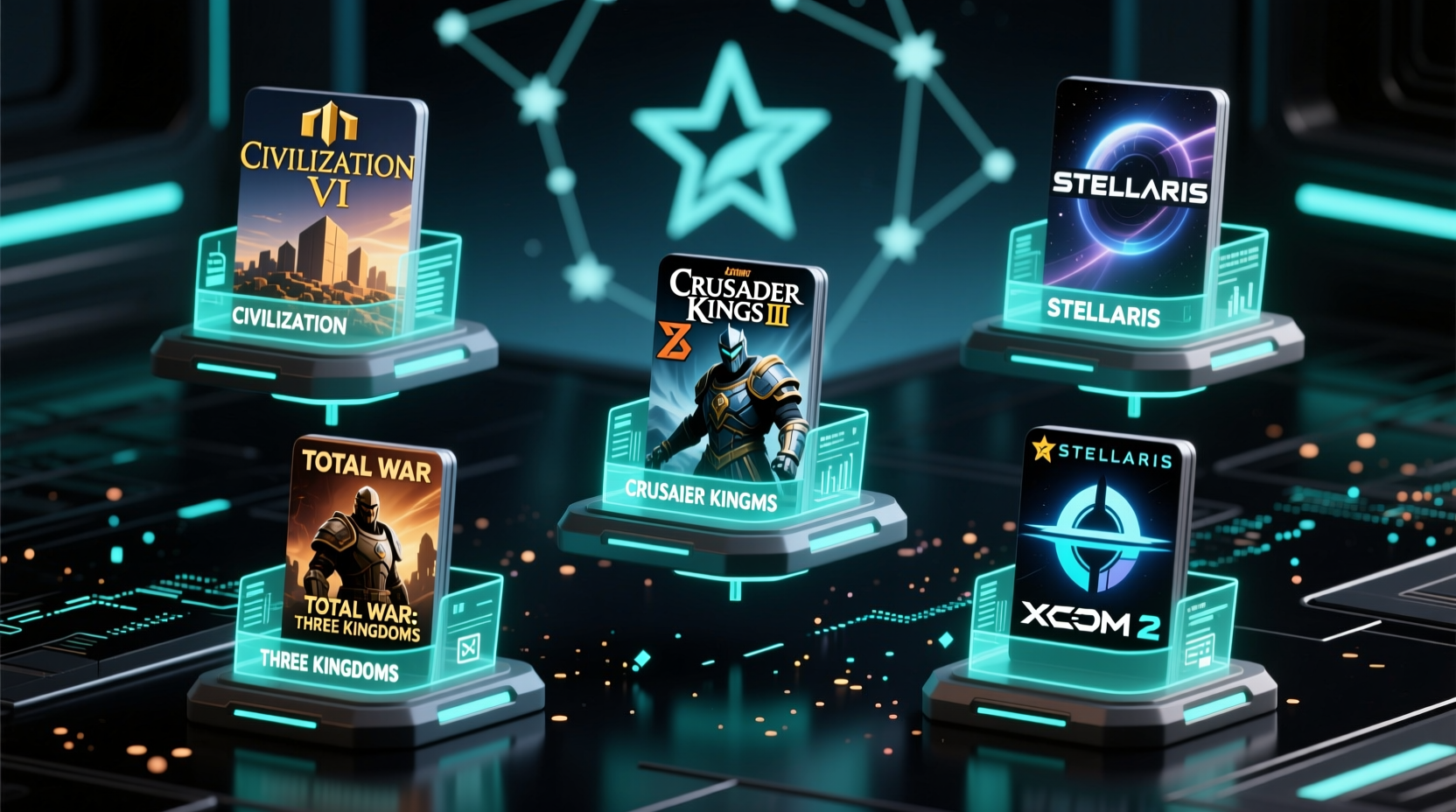
What makes a strategy game \"evergreen\"? It’s more than critical acclaim or sales numbers. True longevity comes from gameplay that rewards mastery, community support that sustains modding and multiplayer, and design principles so solid they remain effective even as technology advances. The best strategy games offer layers: simple enough to learn, complex enough to master, and flexible enough to allow for emergent storytelling through play.
Many modern titles borrow mechanics pioneered by older games—fog of war, base building, tech trees, diplomacy systems—but few match the cultural impact or enduring player engagement of the originals. This list focuses on those rare titles that continue to be played, studied, and celebrated across generations.
Timeless Masterpieces: The Evergreen Picks
Civilization II (1996)
While later entries refined the formula, Civilization II was the first truly accessible 4X experience that allowed players to guide a civilization from antiquity to the space age. Its turn-based structure, diplomatic options, and technological progression created a sandbox where every decision cascaded into future outcomes. Even today, dedicated fans run mods like \"Civ II: Multiplayer Enhanced,\" proving its multiplayer potential still thrives.
Age of Empires II: The Age of Kings (1999)
A landmark in real-time strategy (RTS), this title balanced historical authenticity with deep tactical combat. With 13 civilizations, each possessing unique units and bonuses, it offered asymmetry long before it became standard. The HD and Definitive Editions revitalized the game with modern networking and graphics, but the core mechanics—resource gathering, formation control, and castle-age sieges—remain untouched because they were already perfected.
Tip: In Age of Empires II, mastering micro-management of monks can turn the tide—use healing and conversion strategically during battles.Baldur’s Gate: Dark Alliance II (modded) / Dungeons & Dragons-Inspired Tactics
Though not a traditional strategy title, the rise of tactical RPGs within the strategy ecosystem cannot be ignored. When paired with fan-made total conversions like *FreeCraft* or *Doom Eternal: Grand Campaign*, engines originally built for action games have been repurposed into deep strategic experiences. More importantly, mods for games like *Neverwinter Nights* have produced full-scale strategy campaigns rooted in D&D logic—party composition, terrain advantage, and spell economy acting as core strategic levers.
Crusader Kings III (2020) – A Modern Evergreen
Paradox Interactive redefined grand strategy with Crusader Kings III. Unlike empire-building sims focused on borders and production, this game centers on characters, relationships, and dynastic survival. You don’t just manage armies—you manipulate marriages, exploit religious doctrines, and stage coups using intricate event chains. Its procedural narrative engine ensures no two playthroughs are alike, making it one of the most replayable strategy games ever made.
“Grand strategy isn’t about winning wars—it’s about surviving peace.” — Johan Andersson, Senior Designer at Paradox Development Studio
Fallout Tactics: Brotherhood of Steel (2001)
Often overshadowed by its RPG siblings, this squad-based tactical game deserves recognition for its blend of XCOM-style combat and post-apocalyptic world-building. With permadeath, cover systems, and mission variety, it laid groundwork for later tactical hits like *Wasteland 2* and *Phoenix Point*. Though clunky by today’s standards, its influence persists in niche communities committed to reviving turn-based tactical depth.
Comparison of Core Mechanics Across Eras
| Game | Primary Genre | Key Strategic Element | Still Actively Played? |
|---|---|---|---|
| Civilization II | 4X Turn-Based | Tech tree branching & diplomacy | Yes (via fan patches) |
| Age of Empires II | Real-Time Strategy | Economic scaling & unit counters | Yes (Definitive Edition) |
| Crusader Kings III | Grand Strategy | Character-driven politics | Yes (live updates) |
| Fallout Tactics | Tactical RPG | Squad positioning & AP management | Limited (mod communities) |
| Master of Orion II | Space 4X | Racial traits & planetary specialization | Yes (remake exists) |
How to Get the Most Out of These Classics
Playing older strategy games today requires some adaptation. Hardware compatibility, UI scaling, and lack of tutorials can present barriers. However, the investment pays off in richer, less hand-held experiences.
Step-by-Step Guide to Reviving Classic Strategy Games
- Verify availability: Check platforms like GOG.com, which specializes in DRM-free, pre-configured classic games.
- Install compatibility layers: Use tools like DOSBox or community patches (e.g., Civ II Restoration Project) to run legacy software on modern systems.
- Join active forums: Communities on Reddit (r/aoe2, r/civ), Discord servers, and ModDB provide walkthroughs, bug fixes, and custom scenarios.
- Start with guided mods: Many classics now include “New Player Experience” mods that add tooltips, automation, and quality-of-life improvements.
- Play one campaign slowly: Resist rushing. Let the pacing teach you the rhythm of the game’s strategy layer.
Real Example: The Rise of the Age of Empires II Community
In 2013, Microsoft released Age of Empires II: HD Edition on Steam. At the time, many assumed it would be a nostalgic cash-in with limited lifespan. Instead, the community exploded. Competitive ladders formed. YouTube creators began streaming high-level matches. By 2020, the Definitive Edition launched with 4K visuals, new campaigns, and balance updates—all developed in consultation with top players.
Today, tournaments like the Age of Empires II World Cup draw thousands of viewers. Players memorize build orders down to the second. Strategies evolve weekly. What started as a retro re-release became a living esports title—proof that great design transcends eras.
Essential Tips for Newcomers
Tip: Don’t fear losing early. In grand strategy games, failure teaches more than victory—analyze what went wrong and adjust your next campaign.- Use pause features in real-time-with-pause games (like Crusader Kings) to avoid feeling overwhelmed.
- Watch veteran players on Twitch or YouTube to learn advanced techniques without trial-and-error frustration.
- Experiment with house rules: Try “ironman only” or “no reloading” for deeper immersion.
Checklist: Building Your Evergreen Strategy Library
- ✅ Acquire Age of Empires II: Definitive Edition for RTS fundamentals
- ✅ Play one full campaign of Civilization VI (or II via mod) to understand 4X pacing
- ✅ Dive into Crusader Kings III with a beginner-friendly guide mod
- ✅ Explore free alternatives like FreeCiv or 0 A.D. (open-source RTS)
- ✅ Join a Discord server focused on your chosen game for mentorship
Frequently Asked Questions
Are older strategy games too difficult by modern standards?
Some lack quality-of-life features like auto-save or detailed tooltips, but difficulty often stems from depth, not poor design. With patience and community resources, most classics are approachable. Many fans argue their unforgiving nature enhances satisfaction upon mastery.
Can I play these games solo and still enjoy them?
Absolutely. While multiplayer adds competition, single-player modes in titles like Civilization or Crusader Kings are designed as dynamic, evolving challenges. AI behavior, random events, and procedural narratives ensure variety across playthroughs.
Do I need powerful hardware to run these games?
Most older titles run on minimal specs. Even remastered versions like Age of Empires II: DE are optimized for mid-tier machines. Open-source projects like 0 A.D. are lightweight and free.
Conclusion: Strategy That Stands the Test of Time
The greatest PC strategy games aren’t merely relics—they’re blueprints. They demonstrate how thoughtful mechanics, layered decision-making, and player agency create experiences that endure far beyond their original context. From guiding a tribe through prehistory to orchestrating royal assassinations in medieval Europe, these games invite long-term engagement, intellectual challenge, and creative problem-solving.
They remind us that strategy is not about speed or spectacle, but foresight, adaptation, and consequence. Whether you're launching your first siege or plotting a generational dynasty, the lessons learned here apply well beyond the screen.
🚀 Ready to build an empire, command armies, or outmaneuver rivals? Pick one of these evergreen titles, commit to a full campaign, and discover why true strategy never goes out of style.