Retro pattern phone cases—featuring bold geometrics, vintage florals, or nostalgic 80s motifs—are more than just protective accessories. They’re personal style statements. However, their vibrant designs are vulnerable to fading, cracking, and grime buildup over time. Unlike standard solid-colored cases, retro patterns demand careful handling to maintain visual integrity. With the right cleaning routine and preservation strategy, you can keep your favorite case looking fresh for years. This guide delivers practical, tested methods that balance effectiveness with material safety.
Understanding Your Case Material
The first step in preserving any phone case is identifying its base material. Most retro pattern cases fall into one of three categories: silicone, TPU (thermoplastic polyurethane), or hard plastic with printed designs. Each has different vulnerabilities.
- Silicone: Soft, flexible, and prone to attracting dust and oils. Often used for matte-finish retro styles.
- TPU: Slightly firmer than silicone, with better scratch resistance. Common in transparent or semi-transparent retro cases.
- Hard Plastic (Polycarbonate): Rigid and glossy, ideal for high-definition prints. Susceptible to UV fading and surface scratches.
Cleaning methods must align with these properties. A solution safe for hard plastic might degrade a soft silicone finish, especially if it contains alcohol or abrasives.
Tip: Check manufacturer tags or product descriptions. If unsure, test any cleaner on a small, hidden area first.Step-by-Step Cleaning Process
A consistent cleaning routine prevents dirt accumulation and extends the life of both the case and its design. Follow this timeline for best results:
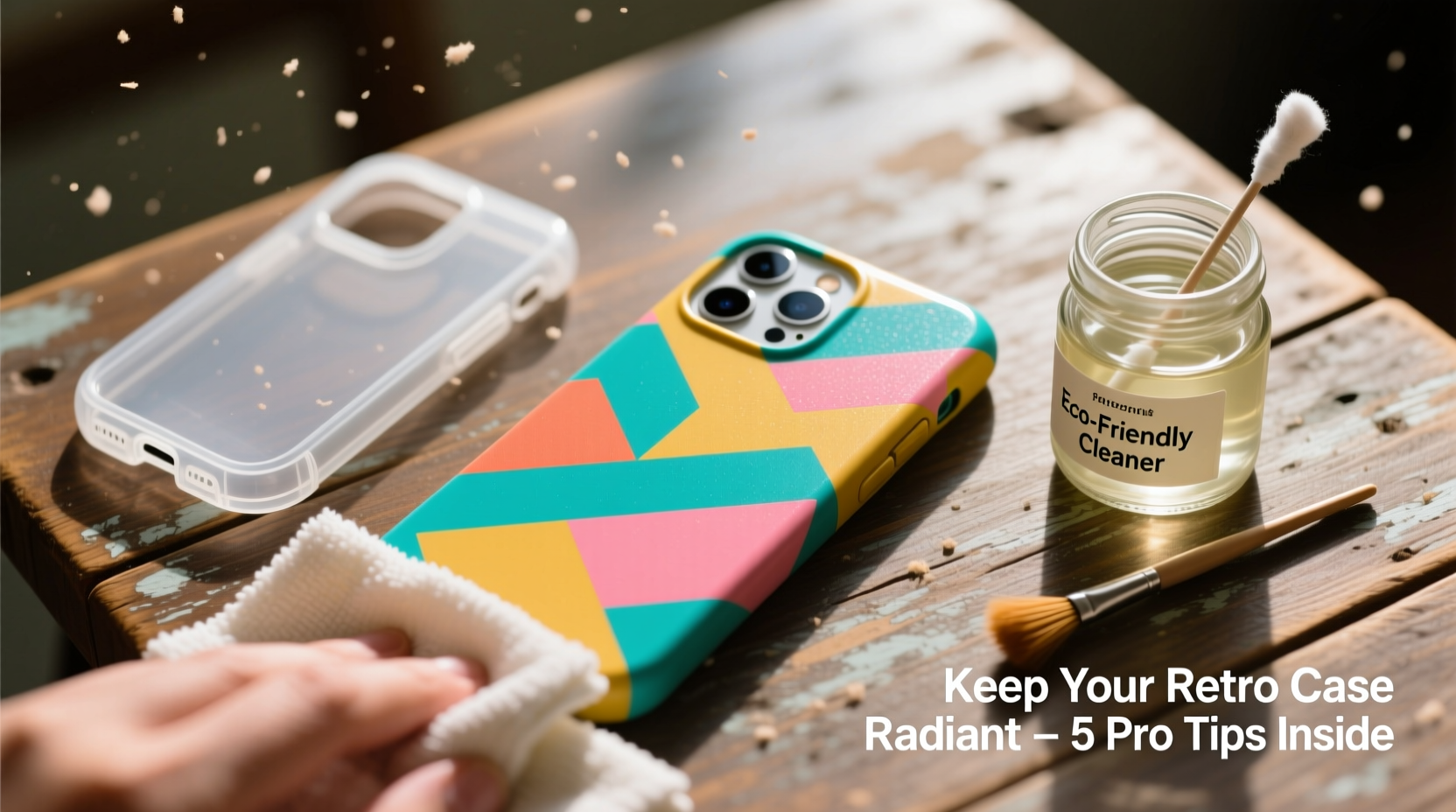
- Remove the case from your phone. Always power down and detach before cleaning to avoid moisture exposure to internal components.
- Shake off loose debris. Tap gently or use a soft brush (like a clean makeup or toothbrush) to dislodge lint and dust from edges.
- Prepare a mild cleaning solution. Mix a few drops of dish soap with warm water in a bowl. Avoid detergents with bleach or degreasers.
- Dampen a microfiber cloth. Do not soak. Wipe the exterior and interior surfaces using light pressure. Focus on corners where sweat and oils accumulate.
- Tackle stubborn stains. For ink marks or adhesive residue, dip a cotton swab in distilled water and gently rub. Never use acetone or nail polish remover.
- Rinse and dry. Wipe with a clean damp cloth to remove soap residue, then air-dry completely on a lint-free towel. Do not use heat sources like hairdryers.
- Reattach only when fully dry. Moisture trapped between case and phone can damage electronics.
This process should be repeated every 7–10 days for daily users, or monthly for occasional wear.
Do’s and Don’ts: Maintenance Table
| Do’s | Don’ts |
|---|---|
| Use a microfiber cloth for wiping | Use paper towels or rough fabrics |
| Clean regularly to prevent buildup | Wait until the case looks dirty or sticky |
| Store in a shaded, cool place | Leave in direct sunlight (e.g., car dashboard) |
| Apply a UV-protective clear coat (for hard plastic) | Expose printed surfaces to alcohol-based sanitizers |
| Rotate between multiple cases to reduce wear | Use abrasive scrubbing pads |
Preserving Print Integrity Over Time
The charm of retro cases lies in their print fidelity. Unfortunately, dyes used in decorative printing often lack industrial-grade durability. Exposure to UV light, friction from pockets, and contact with hand creams can cause colors to fade or peel.
To slow degradation:
- Limit exposure to direct sunlight. Even brief daily exposure on a windowsill can fade colors within weeks.
- Avoid placing the phone face-down on rough surfaces. The case’s backside can scuff, blurring fine lines in the pattern.
- Consider applying a thin layer of UV-resistant clear sealant designed for plastics. Products like Plasti Dip Clear Coat offer protection without altering texture.
“Printed phone cases lose vibrancy fastest when exposed to hand oils and sunlight. A simple nightly wipe-down can delay fading by months.” — Dana Ruiz, Product Durability Analyst at Mobile Accessory LabsTip: Keep a travel-sized microfiber cloth in your bag. A quick wipe after commuting reduces oil buildup significantly.
Real Example: Preserving a 90s-Inspired Geometric Case
Jamie, a graphic designer in Portland, owns a limited-edition translucent TPU case with a neon grid pattern inspired by 1980s synthwave aesthetics. After six months of daily use, the once-vibrant pinks and blues began to dull, and the inner rim turned slightly yellow from skin contact.
She started a bi-weekly maintenance routine: removing the case, washing it with soapy water, and drying it flat. She also stopped storing her phone in her jeans pocket—replacing it with a jacket lining—and avoided setting it on sunlit tables during outdoor meetings. Within two months, further discoloration halted, and the case maintained its look for over a year beyond average lifespan estimates.
Her approach highlights how minor behavioral changes, combined with consistent care, dramatically improve longevity.
Checklist: Monthly Preservation Routine
Stay proactive with this checklist to ensure your retro case remains in top condition:
- ☐ Inspect for cracks, peeling, or discoloration
- ☐ Perform deep clean using mild soap and microfiber cloth
- ☐ Check fit—loose cases increase friction and wear
- ☐ Evaluate storage habits—replace if kept near heat or sunlight
- ☐ Consider rotating with another case to reduce continuous strain
- ☐ Reapply UV sealant if using a hard plastic model (every 3–4 months)
Frequently Asked Questions
Can I use hand sanitizer to clean my retro phone case?
No. Most hand sanitizers contain alcohol (ethanol or isopropanol), which breaks down adhesives in printed layers and causes plastic to become brittle. While convenient, they accelerate fading and structural damage. Stick to soap and water.
Why is my transparent retro case turning yellow?
Yellowing in clear TPU cases is typically due to oxidation from UV exposure and contact with oils. It’s a chemical breakdown of the polymer structure. To minimize this, avoid prolonged sunlight and wash hands before handling. Some yellowing is inevitable over time, but regular cleaning slows the process.
Are retro cases harder to maintain than plain ones?
Yes, visually. While the materials are similar, patterned cases show wear more clearly. Scratches, cloudiness, or fading disrupt the design’s continuity, making defects more noticeable. This doesn’t mean they’re less durable—just that maintenance has a greater aesthetic payoff.
Final Thoughts
A retro pattern phone case is a blend of function and fashion. Its appeal fades quickly without attention—but with mindful cleaning and smart habits, it can remain a standout accessory for years. The key is consistency: treating your case not as disposable, but as a curated part of your daily style.
💬 Protect your style—start today. Implement one new habit this week, whether it’s weekly cleaning or switching storage spots. Share your favorite preservation tip in the comments and help others keep their retro flair alive.