
The rise of e-commerce platforms like Shopify, TikTok Shop, and Amazon has made dropshipping more accessible than ever. By 2025, millions of entrepreneurs have entered the space, flooding the market with nearly identical stores selling trending gadgets, fashion accessories, and home decor. This surge has led many to ask: is dropshipping still profitable when everyone seems to be doing it?
The short answer is yes — but not in the way it used to be. The era of launching a generic store overnight and raking in profits from broad Facebook ads is largely over. What remains is a more sophisticated, competitive landscape where success favors those who treat dropshipping as a real business, not a get-rich-quick scheme.
Why the Saturation Myth Is Only Half True
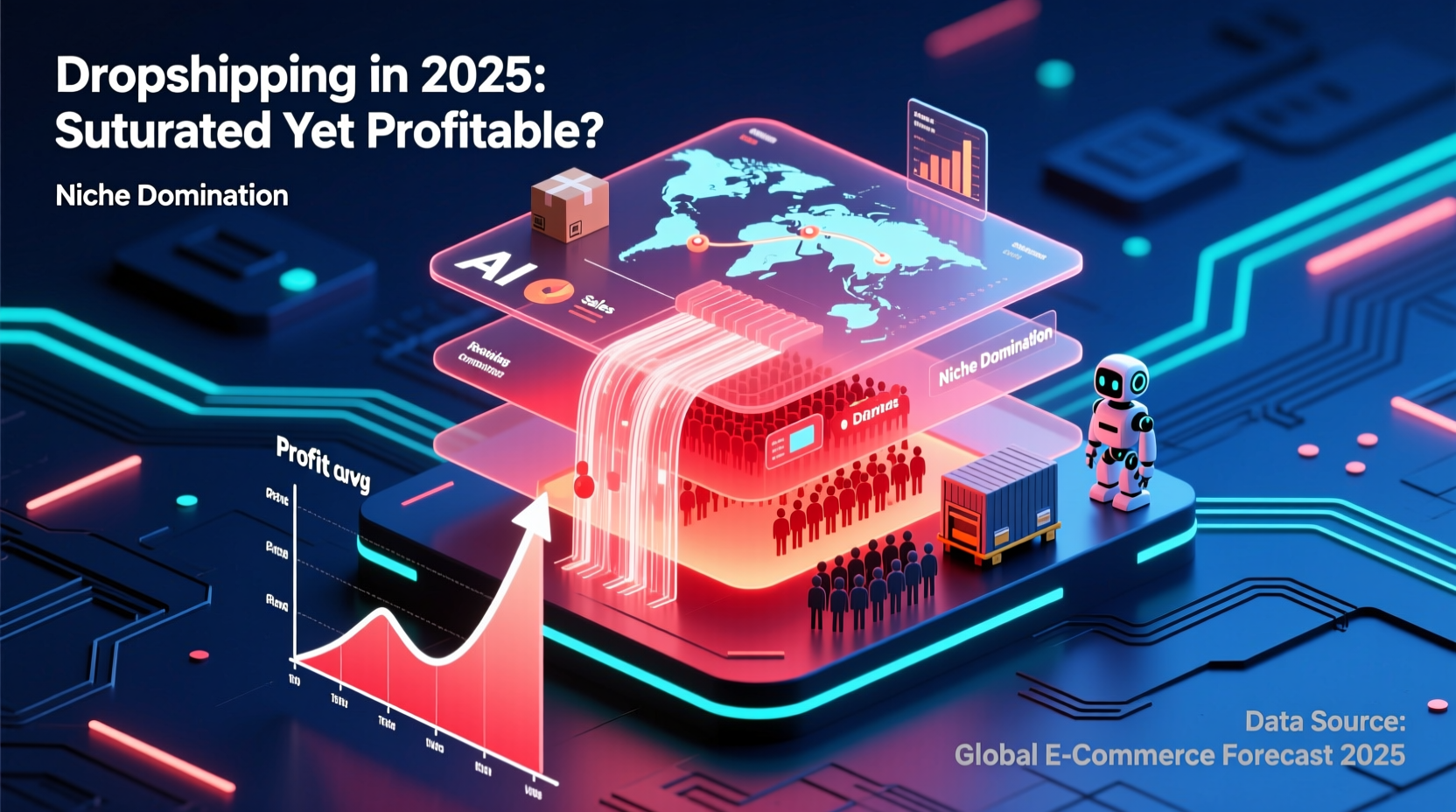
It’s easy to assume that because there are so many dropshipping stores, the market must be completely saturated. But saturation isn’t uniform across all niches. While general product categories like phone grips or LED strip lights are overcrowded, specific sub-niches remain underserved.
Consider this: global e-commerce sales are projected to exceed $8 trillion by 2025. Even with increased competition, consumer demand continues to grow — especially in emerging markets and among younger demographics who prefer shopping online.
Saturation doesn’t mean no opportunity. It means the low-hanging fruit has been picked. To succeed now, you need differentiation, branding, and operational efficiency.
“Dropshipping isn’t dead — it’s maturing. The winners will be those who build real brands, not just stores.” — Sarah Lin, E-commerce Strategist at GrowthStack.io
Niche Selection: The Key to Standing Out
In 2025, successful dropshippers aren’t competing on price alone. They’re winning by solving specific problems for well-defined audiences. A laser-focused niche allows you to craft targeted messaging, build trust, and reduce ad waste.
For example, instead of selling “fitness gear,” consider targeting postpartum women looking for safe, effective recovery tools. Or focus on eco-conscious pet owners seeking biodegradable dog toys. These micro-niches have passionate communities, less competition, and higher customer lifetime value.
Tip: Use tools like Google Trends, Reddit communities, and Amazon Best Sellers to identify rising pain points within broader categories.How to Validate a Profitable Niche in 2025
- Check search volume using tools like Ubersuggest or AnswerThePublic to ensure people are actively searching for solutions.
- Analyze competitor quality — if most stores look unprofessional or have poor reviews, there’s room to outperform them.
- Assess emotional urgency — does the product solve a visible problem (e.g., back pain, pet anxiety) or fulfill a strong desire (e.g., self-expression, convenience)?
- Look for repeat purchase potential — consumables or complementary products increase long-term profitability.
Product Differentiation Beyond Sourcing
Many new dropshippers believe finding a unique product is enough. In reality, even common items can become unique through presentation, bundling, and storytelling.
Take the humble kitchen silicone lid. Hundreds of stores sell them. But one brand positioned theirs as part of a “Zero-Waste Pantry Bundle” — including reusable containers, beeswax wraps, and a downloadable meal planner. The same product, repackaged with purpose, commanded a 40% higher price and built an email list of environmentally conscious buyers.
Differentiation isn’t just about the product — it’s about the experience.
| Strategy | What It Means | Example |
|---|---|---|
| Bundling | Combine related items into kits | Phone grip + screen cleaner + anti-theft lanyard |
| Private Labeling | Add your logo/branding to generic products | Custom-branded resistance bands with workout guide |
| Content Integration | Pair products with valuable digital content | Sleep mask + free meditation audio series |
| Subscription Model | Offer recurring deliveries | Dog treats + monthly toy rotation |
Operational Excellence: The Hidden Edge
In a saturated market, speed, reliability, and communication often decide who wins repeat customers. Two stores might sell the same product at the same price — but one delivers in 8 days with tracking updates; the other takes 22 days with no support. Guess which gets five-star reviews?
By 2025, top dropshippers use automation tools to streamline order processing, customer service, and inventory monitoring. Platforms like Zendrop, Spocket, and DSers integrate directly with Shopify and AliExpress, reducing manual work and human error.
Equally important is supplier vetting. Not all suppliers are equal. Look for:
- ePacket or EU/US warehousing options
- Proven shipping times under 15 days
- Willingness to customize packaging
- Strong communication and responsiveness
Marketing That Works in 2025: Beyond Paid Ads
Paid traffic costs have skyrocketed. Facebook CPMs (cost per thousand impressions) have doubled since 2020. Google Shopping ads are dominated by big retailers. Relying solely on paid acquisition is no longer sustainable for most dropshippers.
The smartest operators in 2025 are building organic reach through:
- TikTok and Instagram Reels — short-form video showing real use cases
- Email and SMS marketing — automated flows for abandoned carts and post-purchase follow-ups
- User-generated content — incentivizing customers to share photos and reviews
- Community building — engaging in niche forums, Facebook groups, or Discord servers
One skincare dropshipper grew to $200k/month by partnering with micro-influencers (5k–20k followers) who genuinely used the product. Instead of one-off promotions, they created a referral program where influencers earned 20% on every sale — leading to consistent, authentic content without upfront costs.
Mini Case Study: From Zero to $70K/Month in 6 Months
Jamie Chen launched a store called \"PawLume\" in early 2024, selling LED collars for dogs. At first, she struggled — her Facebook ads had high CTR but low conversion. Then she shifted strategy.
She joined dozens of dog owner Facebook groups and started sharing videos of her own dog wearing the collar during evening walks. She highlighted safety, visibility, and style. No direct selling — just helpful content.
Within weeks, group members began asking where to buy it. She directed them to her site, added a limited-time discount for group members, and saw a 300% spike in conversions. She then partnered with three small pet bloggers for honest reviews, invested in SEO-optimized blog posts (“Are LED Collars Safe for Dogs?”), and set up automated email sequences.
By mid-2024, PawLume was doing $70,000/month with a 32% profit margin — not because the product was revolutionary, but because the marketing was human, targeted, and multi-channel.
Step-by-Step Guide to Launching a Profitable Dropshipping Store in 2025
- Choose a micro-niche based on passion, pain point, or trend (e.g., ergonomic gardening tools for seniors).
- Validate demand using keyword research, social listening, and competitor analysis.
- Source reliable suppliers via platforms like Spocket or CJ Dropshipping, prioritizing fast shipping and customization.
- Build a branded store on Shopify with clear messaging, professional design, and mobile optimization.
- Create content assets — product videos, comparison guides, FAQs — to build trust and improve SEO.
- Launch with organic traction by engaging communities, collaborating with nano-influencers, and leveraging TikTok/Reels.
- Scale with paid ads only after proving conversion rates — use retargeting and lookalike audiences for efficiency.
- Optimize post-purchase experience with thank-you cards, review requests, and cross-sell emails.
Checklist: Is Your Dropshipping Business Built to Last?
- ✅ Niche is specific, not generic
- ✅ Products solve a real problem or desire
- ✅ Suppliers offer shipping under 15 days
- ✅ Brand has a clear voice and visual identity
- ✅ Website loads quickly and is mobile-friendly
- ✅ You have a plan for organic marketing (content, community, UGC)
- ✅ Customer service protocol is documented
- ✅ Profit margin is at least 25% after all costs
FAQ
Can I start dropshipping with less than $500 in 2025?
Yes. You can launch a basic Shopify store for $29/month, use free themes, source from AliExpress, and run low-budget TikTok ads or organic campaigns. The key is reinvesting early profits into better tools and marketing.
Are AliExpress and Oberlo still viable in 2025?
AliExpress remains a sourcing option, but standalone Oberlo is discontinued. Use modern alternatives like DSers, Zendrop, or AutoDS, which offer faster shipping, product customization, and better integration.
How long does it take to see profit?
Most successful stores break even within 3–6 months. Rapid success stories exist but are outliers. Sustainable growth comes from consistent testing, learning, and optimization.
Conclusion: Profitability Lies in Precision, Not Luck
The idea that dropshipping is “too saturated” in 2025 reflects outdated thinking. Yes, the barrier to entry is lower than ever — but so is the quality of most stores. This creates an opening for serious entrepreneurs who are willing to go deeper: to research niches, refine customer experiences, and build real brands.
Profitability isn’t gone — it’s just relocated. It’s no longer in copying trends, but in creating value. It’s not in spamming ads, but in earning trust. The market rewards effort, intelligence, and consistency.
🚀 Start small, think big, and act now. Pick one niche, validate one product, and launch your first campaign this week. The next six months could be the foundation of a real business — not just another flash-in-the-pan store.