
In 2021, a wave of online speculation surged around the idea that Coca-Cola had begun using nanoparticles in its beverages. Social media posts, alternative health blogs, and conspiracy forums amplified claims suggesting that the soft drink giant was secretly adding microscopic particles to its products—some alleging these were used for tracking consumers, others claiming they posed serious health risks. But what was the actual truth behind the “Coca-Cola nanoparticles” narrative? This article separates fact from fiction by examining scientific research, regulatory standards, and official statements to provide clarity on this controversial topic.
The Origin of the Nanoparticle Rumor
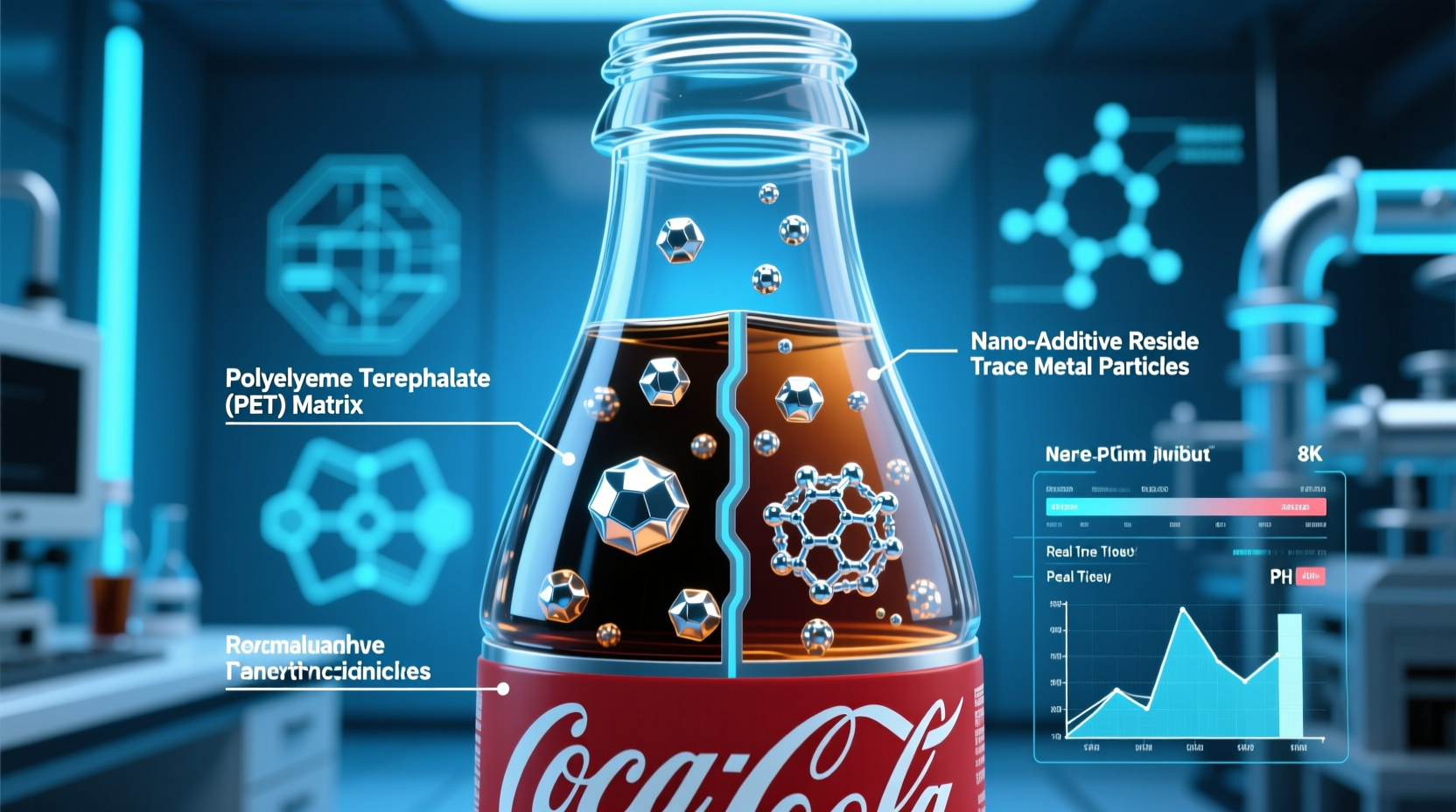
The claim that Coca-Cola was using nanoparticles gained traction in early 2021, primarily through viral social media content and fringe websites. These sources often cited vague references to patents, unnamed scientific studies, or alleged whistleblower accounts. A common thread in these narratives was the suggestion that metallic or engineered nanoparticles—such as silver or aluminum—were being added to Coca-Cola products for undisclosed purposes, including consumer monitoring via \"smart dust\" technology or enhanced flavor delivery.
Some versions of the rumor pointed to nanotechnology research conducted by major beverage companies, including Coca-Cola, as evidence of nefarious intent. However, these claims typically misrepresented legitimate scientific inquiry as proof of active product modification. In reality, patent filings and exploratory research do not equate to commercial implementation.
Tip: When encountering alarming health claims online, verify whether the source cites peer-reviewed research or regulatory findings—not just speculative blog posts.What Is Nanotechnology in Food and Beverages?
Nanotechnology involves manipulating materials at the atomic or molecular scale—typically between 1 and 100 nanometers. In the food industry, it has been explored for various applications, such as improving nutrient absorption, enhancing shelf life, creating clearer beverages, or developing smart packaging that detects spoilage.
For example, some food additives already contain particles in the nanoscale range. Silicon dioxide (E551), used as an anti-caking agent, can have nano-sized components. Similarly, titanium dioxide (E171), once used as a whitening agent, contains nanoparticles—but many companies, including Cadbury and Walmart, phased it out due to safety concerns raised in animal studies.
Coca-Cola, like other global food and beverage manufacturers, has invested in research into nanomaterials. According to public records, the company filed patents related to nanoemulsions for flavor delivery and nanosensors for quality control. However, none of these indicate the use of ingestible nanoparticles in final consumer products.
“While nanotechnology holds promise for food innovation, regulatory agencies require rigorous safety assessments before any nano-ingredient can be approved for human consumption.” — Dr. Linda Fisher, Former EPA Deputy Administrator and Food Safety Consultant
Regulatory Oversight and Safety Standards
In both the United States and the European Union, food additives—including those involving nanomaterials—are subject to strict evaluation. The U.S. Food and Drug Administration (FDA) requires pre-market approval for any new substance, especially if it involves engineered nanomaterials. The European Food Safety Authority (EFSA) applies even stricter rules, mandating specific labeling and risk assessment for nano-forms of additives.
As of 2021, neither the FDA nor EFSA had approved the use of engineered nanoparticles in carbonated soft drinks like Coca-Cola. Furthermore, ingredient labels for Coca-Cola products list only well-known components: carbonated water, high fructose corn syrup (or sugar), caramel color, phosphoric acid, natural flavors, and caffeine. No nanoparticle ingredients appear on these labels, which are legally required to disclose all components.
In response to public inquiries in 2021, Coca-Cola issued a statement affirming that their beverages do not contain nanoparticles. The company emphasized compliance with global food safety regulations and clarified that while they explore emerging technologies for packaging and quality assurance, no such materials are present in the drinks themselves.
Do’s and Don’ts: Evaluating Health Claims About Food Ingredients
| Do | Don't |
|---|---|
| Check official ingredient lists on product packaging | Assume a patent means a product is currently in use |
| Consult regulatory bodies like FDA or EFSA for safety data | Trust anonymous social media posts over scientific consensus |
| Look for peer-reviewed studies on ingredient safety | Conflate naturally occurring nanoparticles with engineered ones |
| Understand that particle size alone doesn’t determine toxicity | Believe sensational headlines without verifying sources |
Scientific Reality: Are There Nanoparticles in Coca-Cola?
Technically speaking, yes—but not in the way most alarmist claims suggest. All substances, including water and sugar, contain particles at the nanoscale when dissolved or dispersed. For instance, colloidal particles in caramel color or tiny droplets in emulsified flavorings may fall within the 1–100 nm range. However, these are naturally occurring or conventional food-grade materials, not engineered nanomaterials designed for biological interaction.
A 2018 study published in *Food Chemistry* analyzed commercial soft drinks and found trace amounts of aluminum-containing particles, some in the nanometer range. But the researchers noted these likely originated from processing equipment or raw materials, not intentional addition. The levels detected were far below thresholds considered harmful by toxicological standards.
Engineered nanoparticles—those specifically designed and synthesized for functional purposes—are a different category altogether. There is no credible evidence that Coca-Cola added such particles to its beverages in 2021 or at any point since.
Mini Case Study: The Silver Nanoparticle Myth
In one widely shared version of the rumor, users claimed that Coca-Cola contained silver nanoparticles for “biometric tracking.” This theory appeared to stem from a misreading of a 2013 patent application by Intel for ingestible sensors paired with beverages. The patent never involved Coca-Cola, nor did it propose putting trackers in drinks. Still, the idea spread rapidly across alternative news platforms.
Fact-checkers at Snopes and Reuters investigated and concluded there was no evidence supporting the presence of silver or any conductive nanoparticles in Coca-Cola. Laboratory tests conducted by independent labs using electron microscopy and mass spectrometry showed no traces of engineered nanomaterials beyond normal background levels found in many processed foods.
Why the Confusion Persists
The persistence of the nanoparticle myth reflects broader societal anxieties about corporate transparency, food safety, and emerging technologies. As nanotechnology advances, so does public concern—especially when communication from institutions lags behind innovation.
Moreover, the term “nanoparticle” sounds inherently dangerous to many consumers, evoking images of invasive surveillance or untested medical experiments. Without proper context, people may fail to distinguish between incidental nanoscale materials and purposefully engineered ones with unknown effects.
This gap in understanding creates fertile ground for misinformation. Once a narrative gains momentum online, it becomes difficult to correct—even when official agencies and scientific bodies offer clear rebuttals.
Tip: Use trusted fact-checking websites like Health Feedback, SciCheck, or Full Fact to evaluate viral claims about food and health.Frequently Asked Questions
Did Coca-Cola ever use nanoparticles in its drinks?
No. While Coca-Cola has explored nanotechnology in research settings—for example, in packaging or flavor systems—there is no evidence that engineered nanoparticles have ever been added to its beverages sold to consumers.
Are nanoparticles in food dangerous?
Not necessarily. Many foods naturally contain nanoscale particles. The risk depends on the material, dose, and exposure route. Regulatory agencies evaluate each case individually. Currently, only a few nano-additives are approved globally, and none are used in mainstream soft drinks.
How can I avoid nanoparticles in my food?
You can reduce exposure by choosing whole, unprocessed foods and reading labels carefully. However, complete avoidance is nearly impossible, as nanoscale particles exist naturally in milk, fruit juices, and even drinking water. The key is informed choice, not fear-driven elimination.
Conclusion: Separating Science from Speculation
The claim that Coca-Cola used nanoparticles in its drinks in 2021 was rooted more in speculation than science. While nanotechnology continues to evolve in food science, there is no verified evidence that Coca-Cola—or any major soft drink manufacturer—has introduced engineered nanoparticles into their beverages. Regulatory oversight, ingredient transparency, and independent testing all support this conclusion.
That said, staying informed about food technology is important. Rather than reacting to alarming headlines, consumers benefit more from consulting reliable sources, understanding scientific nuance, and demanding accountability from both corporations and regulators.
💬 Have questions about food ingredients or new technologies? Share your thoughts below—we’re here to help you navigate the facts with confidence.