
The axolotl, a unique aquatic salamander native to Mexico, has captured the fascination of scientists and animal lovers alike for decades. Known for its ability to regenerate entire limbs, spinal cords, and even parts of its heart and brain, this creature is more than just a biological marvel—it’s a vital indicator of ecosystem health. Yet despite its scientific importance and cultural significance, the axolotl is now critically endangered in the wild. Understanding the complex web of factors driving its decline is essential to reversing the trend and preserving this extraordinary species.
Habitat Loss: The Primary Threat
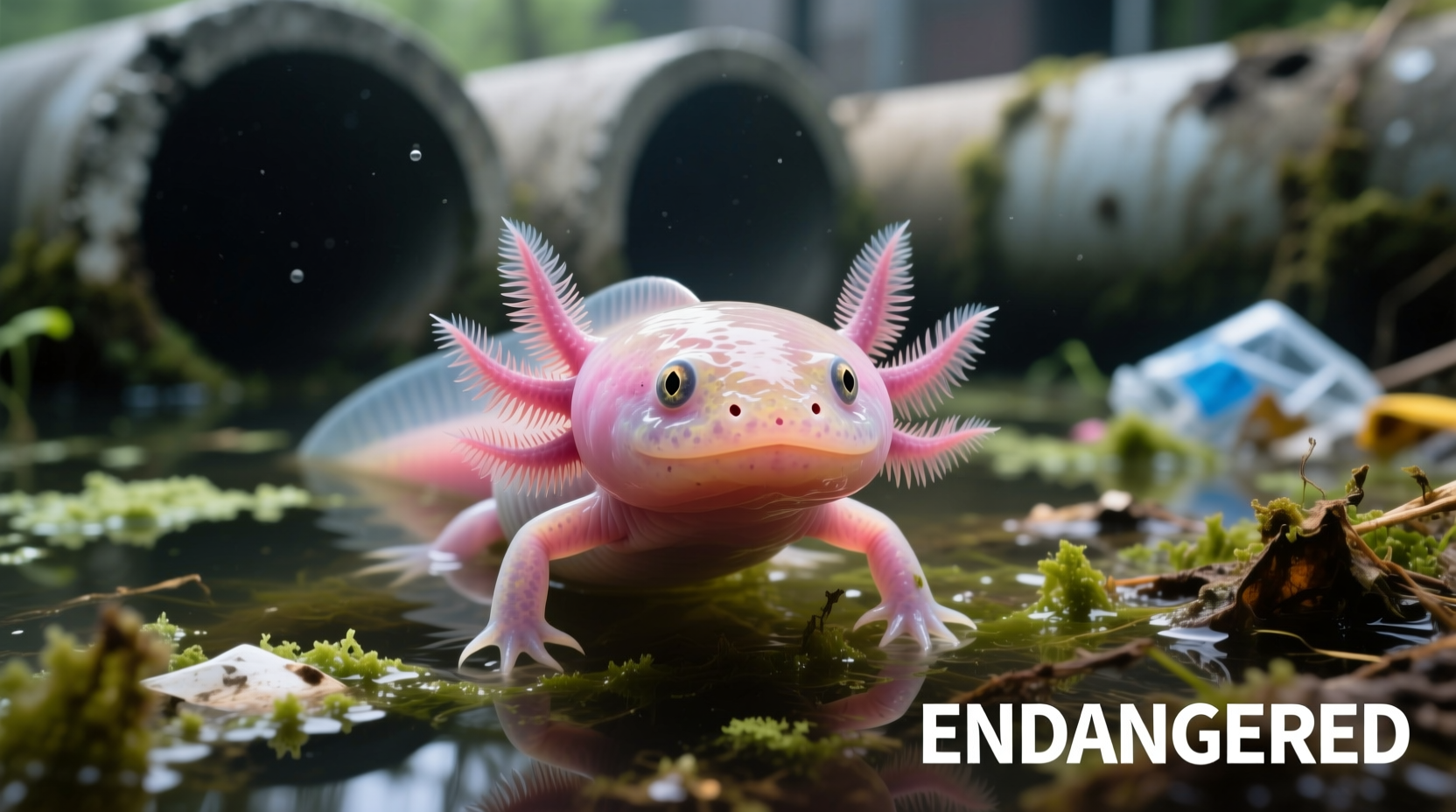
The axolotl (Ambystoma mexicanum) is endemic to the Xochimilco lake system in the Valley of Mexico, once a vast network of interconnected lakes and canals. Over the past century, urban expansion—especially the growth of Mexico City—has led to the draining and filling of over 90% of this wetland system. What remains is fragmented, polluted, and increasingly unsuitable for native wildlife.
Wetland destruction doesn’t just reduce physical space; it disrupts breeding cycles, diminishes food sources, and increases vulnerability to predators. Axolotls rely on dense aquatic vegetation for shelter and egg-laying. As these plants disappear due to sedimentation and eutrophication, so too do the conditions necessary for successful reproduction.
Tip: Supporting wetland conservation initiatives in central Mexico helps protect not only axolotls but also countless other species dependent on freshwater ecosystems.Water Pollution and Ecosystem Degradation
Xochimilco’s remaining waterways suffer from severe pollution. Untreated wastewater, agricultural runoff containing pesticides and fertilizers, and industrial contaminants flow into the canals daily. These pollutants degrade water quality, reduce oxygen levels, and promote harmful algal blooms—all of which are detrimental to axolotl survival.
High concentrations of nitrates and phosphates lead to eutrophication, where excessive plant growth depletes dissolved oxygen at night, suffocating aquatic life. Axolotls, being gill-breathing amphibians, are particularly sensitive to low-oxygen environments. Even sublethal exposure to pollutants can impair immune function and reproductive success.
“Axolotls are like canaries in the coal mine. Their disappearance signals a much broader collapse of freshwater biodiversity.” — Dr. Luis Zambrano, Aquatic Ecologist, UNAM
Invasive Species and Competition
One of the most insidious threats to axolotls comes not from habitat or pollution directly, but from non-native species introduced into Xochimilco. Common carp and tilapia were brought in during the 1970s and 1980s to boost local fisheries. However, these fish have had devastating ecological consequences.
Carp stir up sediment while feeding, reducing water clarity and destroying submerged vegetation. Tilapia are aggressive omnivores that consume axolotl eggs and larvae. Both species outcompete axolotls for limited food resources such as insect larvae and small crustaceans. Field studies show a strong inverse correlation between invasive fish populations and axolotl presence.
| Species | Impact on Axolotls | Origin |
|---|---|---|
| Common Carp | Destroys vegetation, increases turbidity | Asia/Europe |
| Tilapia | Predates on eggs and juveniles, competes for food | Africa |
| Perch | Predation on adult axolotls | North America |
Climate Change and Hydrological Instability
Climate change exacerbates existing pressures on axolotl habitats. Rising temperatures increase evaporation rates in shallow canals, accelerating water loss. Altered rainfall patterns contribute to both droughts and sudden flooding, disrupting breeding cycles and washing away eggs.
Warmer water holds less oxygen, further stressing axolotls already coping with pollution. Additionally, higher temperatures may favor invasive species better adapted to fluctuating conditions, giving them another competitive edge over native amphibians.
Urban infrastructure compounds the problem. Impermeable surfaces prevent groundwater recharge, while aging drainage systems often divert or contaminate canal flows. Seasonal drying of canals—once rare—is now common, leaving isolated pools where axolotls become easy prey or succumb to poor water quality.
Conservation Efforts and Community Involvement
Despite the grim outlook, there are ongoing efforts to save the axolotl from extinction in the wild. Scientists, NGOs, and local communities are collaborating on multiple fronts:
- Restoration of chinampas (traditional floating gardens) to revive native vegetation
- Construction of protected refuges free of invasive fish
- Monitoring programs using environmental DNA (eDNA) to track population trends
- Community-led clean-up campaigns and sustainable tourism initiatives
One promising project involves “axolotl corridors”—protected sections of canal where invasive species are manually removed and native plants reintroduced. Early results show increased sightings and successful breeding events in these zones.
Mini Case Study: The Chinampa Revival Project
In 2018, a coalition of biologists and local farmers launched a pilot program to restore three hectares of degraded chinampas in southern Xochimilco. They removed carp, replanted native reeds and water lilies, and installed mesh barriers to prevent reinvasion. Within two years, researchers detected axolotls in areas where they hadn’t been seen in over a decade. Local youth were trained as eco-monitors, fostering stewardship and creating green jobs. This model demonstrates that ecological recovery is possible when science and tradition work together.
Action Checklist: How You Can Help Save the Axolotl
Even if you’re not based in Mexico, your actions can support global conservation efforts. Here’s what you can do:
- Educate others about the axolotl’s plight through social media or school presentations.
- Support reputable conservation organizations working in Xochimilco, such as PARALAB or the Axolotl Conservation Program at UNAM.
- Avoid releasing aquarium pets into natural waterways—this includes non-native fish that could become invasive elsewhere.
- Reduce your water footprint and chemical use to minimize downstream pollution impacts.
- Advocate for wetland protection policies and sustainable urban planning in your community.
Frequently Asked Questions
Are axolotls extinct in the wild?
No, but they are critically endangered. Wild populations are extremely small and localized, primarily restricted to a few canals in Xochimilco. Some estimates suggest fewer than 1,000 individuals remain in their natural habitat.
Why are axolotls important to science?
Axolotls possess unparalleled regenerative abilities. Scientists study them to understand tissue regeneration, developmental biology, and potential medical applications for humans, including wound healing and organ repair.
Can captive-bred axolotls be released into the wild?
Not without careful planning. Captive populations are genetically distinct and may carry diseases. Reintroduction requires habitat restoration, removal of invasive species, and long-term monitoring to ensure success.
Conclusion: A Call to Protect a Living Miracle
The axolotl is more than a curiosity—it’s a symbol of resilience, adaptation, and the delicate balance of nature. Its decline reflects deeper environmental crises: unchecked urbanization, pollution, biodiversity loss, and climate instability. But its story isn’t over. With coordinated action, habitat restoration, and public engagement, there is still hope for wild axolotls to thrive once again.
Each effort counts—from supporting conservation research to making sustainable lifestyle choices. The survival of the axolotl depends not on fate, but on our collective will to protect the natural world. Let’s ensure this extraordinary creature continues to inspire wonder for generations to come.
💬 What steps will you take to support endangered species like the axolotl? Share your thoughts and ideas in the comments below—your voice matters in the fight for conservation.