Choosing the right anime collectible as a gift isn’t just about fandom—it’s about understanding what resonates with the collector. Whether you're shopping for a longtime otaku or someone just starting their collection, the decision between plushies and figurines can significantly impact how your gift is received. Both have passionate followings, distinct advantages, and unique limitations. The best choice depends on personal taste, display preferences, budget, and the nature of the relationship between giver and recipient.
This guide breaks down the core differences between anime plushies and figurines, evaluates them across key criteria, and provides practical advice to help you make a meaningful, lasting impression.
Understanding the Appeal: Why Collectors Choose Anime Merch
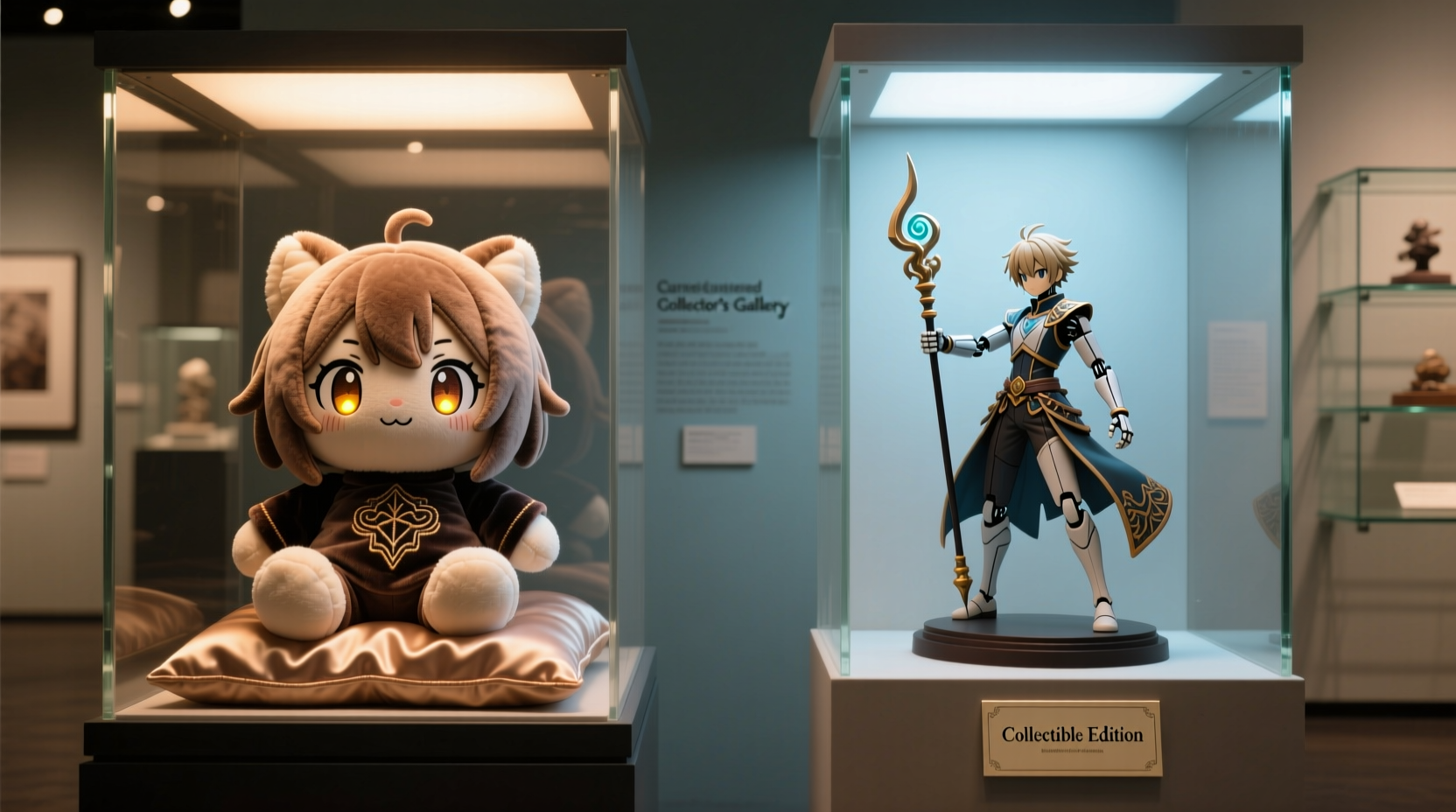
Anime merchandise transcends mere decoration—it represents emotional connection, nostalgia, and identity. For many fans, owning a piece of their favorite series is like preserving a moment from their journey. Plushies and figurines serve different roles in that narrative.
Plushies—soft, huggable representations of characters—are often associated with comfort and affection. They’re especially popular among fans of slice-of-life, magical girl, or kawaii-style anime. Characters like Jibanyan from *Yo-kai Watch* or My Melody from *Sanrio* thrive in plush form because their designs emphasize cuteness and approachability.
Figurines, on the other hand, are prized for precision and artistry. Typically made from PVC, resin, or ABS plastic, they capture dynamic poses, intricate costumes, and facial expressions with museum-level detail. These are the centerpiece items in most serious collections, often displayed under protective cases and lit for dramatic effect. Think of a 1/7 scale figure of Asuka Langley Soryu from *Evangelion*, frozen mid-battle cry—this is craftsmanship meant to be admired, not hugged.
“Figurines represent the pinnacle of anime merchandising art. They’re not toys—they’re tributes.” — Kenji Morita, Editor-in-Chief, Otaku Culture Journal
Key Differences: A Side-by-Side Comparison
| Feature | Plushies | Figurines |
|---|---|---|
| Material | Fabric, stuffing (polyester fiberfill) | PVC, resin, ABS plastic |
| Durability | Moderate; prone to wear, stains, fading | High; fragile if dropped but resistant to daily wear |
| Display Style | Beds, shelves, sofas; casual placement | Shelves, display cases; curated lighting |
| Tactile Experience | Huggable, soft, comforting | Smooth, detailed, visual focus |
| Average Price Range | $15–$60 | $50–$300+ (limited editions higher) |
| Lifespan | 3–7 years (with care) | 10+ years (if protected) |
| Collector Status | Casual to intermediate | Intermediate to advanced |
The table reveals a fundamental divide: plushies prioritize emotional comfort and accessibility, while figurines emphasize artistic fidelity and long-term investment. Neither is objectively superior—but one may align better with your recipient’s lifestyle and collecting philosophy.
When Plushies Shine: Ideal Gifting Scenarios
Plushies excel in situations where warmth and personality matter more than prestige. They’re ideal for:
- Younger fans or those new to anime culture
- Gifts meant to be used, not just displayed
- Characters known for their cuteness (e.g., Pikachu, Korone from Hololive)
- Personal relationships where sentimentality is key
A well-chosen plushie can become a constant companion. It might sit on a desk during late-night study sessions, travel in a backpack, or provide comfort during stressful times. This functional intimacy is something figurines rarely offer.
Tip: For maximum impact, choose a plushie that reflects a character the recipient identifies with—not just their favorite, but one they roleplay or quote often.Real Example: The Healing Power of a Well-Chosen Plush
Sophia, a college student and avid fan of *My Hero Academia*, struggled with anxiety during finals. Her roommate gifted her a Deku plush for her birthday—not the standard standing pose, but a rare “hugging” variant with extendable arms. Sophia placed it on her bed, and over time, she began referring to it as her “study buddy.” She admitted later that squeezing it during panic attacks helped ground her. While she owns several high-end figures, this plush holds unmatched emotional value.
This story illustrates a truth often overlooked: sometimes, the best collectible isn’t the most expensive or accurate—it’s the one that offers quiet, consistent support.
When Figurines Are the Superior Choice
If the recipient treats their collection like a gallery, a figurine is almost always the better option. These pieces command attention and reflect dedication. Limited-run figures from manufacturers like Good Smile Company, Alter, or Aniplex are often treated as investments, appreciating in value over time.
Consider a figurine when:
- The collector has a dedicated display shelf or cabinet
- You’re celebrating a milestone (graduation, promotion, anniversary)
- The character is iconic and rendered in a striking pose
- You want the gift to feel “prestigious” or commemorative
High-quality figures come with articulated bases, interchangeable faces, and accessories. A Nendoroid of Rengoku from *Demon Slayer*, for example, includes multiple expressions and a removable flame effect. This level of customization appeals to fans who enjoy curating scenes or capturing specific moments from the anime.
“Receiving my first 1/8 scale figure felt like being acknowledged as a real collector. It wasn’t just merch—it was validation.” — Daniel Kim, Moderator, r/AnimeFigures
Step-by-Step: How to Choose the Right Figurine
- Identify the character’s most iconic scene – Was it their final battle? A quiet moment of introspection? Choose a pose that captures their essence.
- Check the manufacturer’s reputation – Stick to trusted brands like Max Factory, Kotobukiya, or Prime 1 Studio for quality control.
- Verify scale and size – Ensure the figure fits the recipient’s display space. A 1/4 scale figure can be over 20 inches tall.
- Look for exclusivity – Convention-only or webstore-limited editions carry extra prestige.
- Inspect reviews and photos – Search forums or YouTube unboxings to confirm paint quality and articulation.
Practical Checklist: Choosing Between Plush and Figure
Still unsure which path to take? Use this checklist to decide:
- ✅ Does the person already have display shelves or a glass cabinet?
- ✅ Do they talk about figures they want to “complete a set”?
- ✅ Is the character more revered for power or design than cuteness?
- ✅ Is the occasion formal or celebratory (e.g., birthday, housewarming)?
- ✅ Is your budget $75 or higher?
If you answered “yes” to three or more, go with a figurine.
- ✅ Is the recipient younger or newer to anime?
- ✅ Do they value comfort or emotional connection over aesthetics?
- ✅ Is the character famously cute or meme-worthy (e.g., Chiikawa, Pochita)?
- ✅ Will the gift be used daily rather than displayed?
- ✅ Is your budget under $50?
Three or more “yes” answers point toward a plushie.
Common Pitfalls to Avoid
Even experienced gift-givers make mistakes. Here are the most frequent missteps:
- Ignoring proportions – A giant 3-foot Naruto plush might overwhelm a small dorm room.
- Overlooking condition – Secondhand figures should be checked for paint rubs, broken parts, or yellowing.
- Choosing obscure variants – Unless the fan is deeply invested, stick to recognizable versions of the character.
- Forgetting cultural context – Some characters have controversial designs or associations; research before gifting.
FAQ: Answering Collector Concerns
Can I mix plushies and figurines in the same collection?
Absolutely. Many collectors blend both, using plushies for casual areas (bedrooms, couches) and figurines for formal display zones. The key is balance—don’t let one overwhelm the other visually.
Do figurines increase in value over time?
Some do, particularly limited editions, discontinued lines, or figures of retired voice actors’ characters. However, treating anime figures as pure investments is risky. Most retain sentimental value far longer than monetary worth.
How do I clean and maintain each type?
For plushies: spot-clean with mild detergent and cold water; air dry away from sunlight. Never machine-wash unless the label permits. For figurines: dust weekly with a microfiber cloth or soft brush. Avoid household cleaners—use isopropyl alcohol only on stubborn smudges, sparingly.
Final Verdict: It’s About the Person, Not the Product
There is no universal answer to whether anime plushies or figurines make better gifts. The decision hinges on the recipient’s personality, habits, and existing collection. A plushie says, “I see you, I care about your comfort.” A figurine says, “I recognize your passion, I honor your dedication.”
Ultimately, the best gift demonstrates thoughtfulness. It shows you’ve paid attention—not just to their favorite anime, but to how they engage with it. Did they mention wanting a figure of Nezuko for their shelf? That’s your cue. Have they worn the same worn-out Sanrio plush since high school? Time for an upgrade.
Whichever route you choose, pair it with a handwritten note explaining why you picked that specific character or version. That small gesture transforms merchandise into meaning.
💬 Have a favorite anime collectible gift story? Share your experience in the comments—your insight could help others find the perfect present.