Anime music is more than just background noise—it’s a vital part of the viewing experience. From electrifying rock anthems to melancholic ballads, anime soundtracks shape how fans connect with stories and characters. Yet one trend stands out: opening themes consistently overshadow ending themes in popularity, streaming numbers, and fan playlists. Why do intros capture attention so powerfully while endings often fade into the background? The answer lies in a mix of narrative function, production focus, cultural habits, and psychological impact.
The Role of Openings in Storytelling and Tone Setting
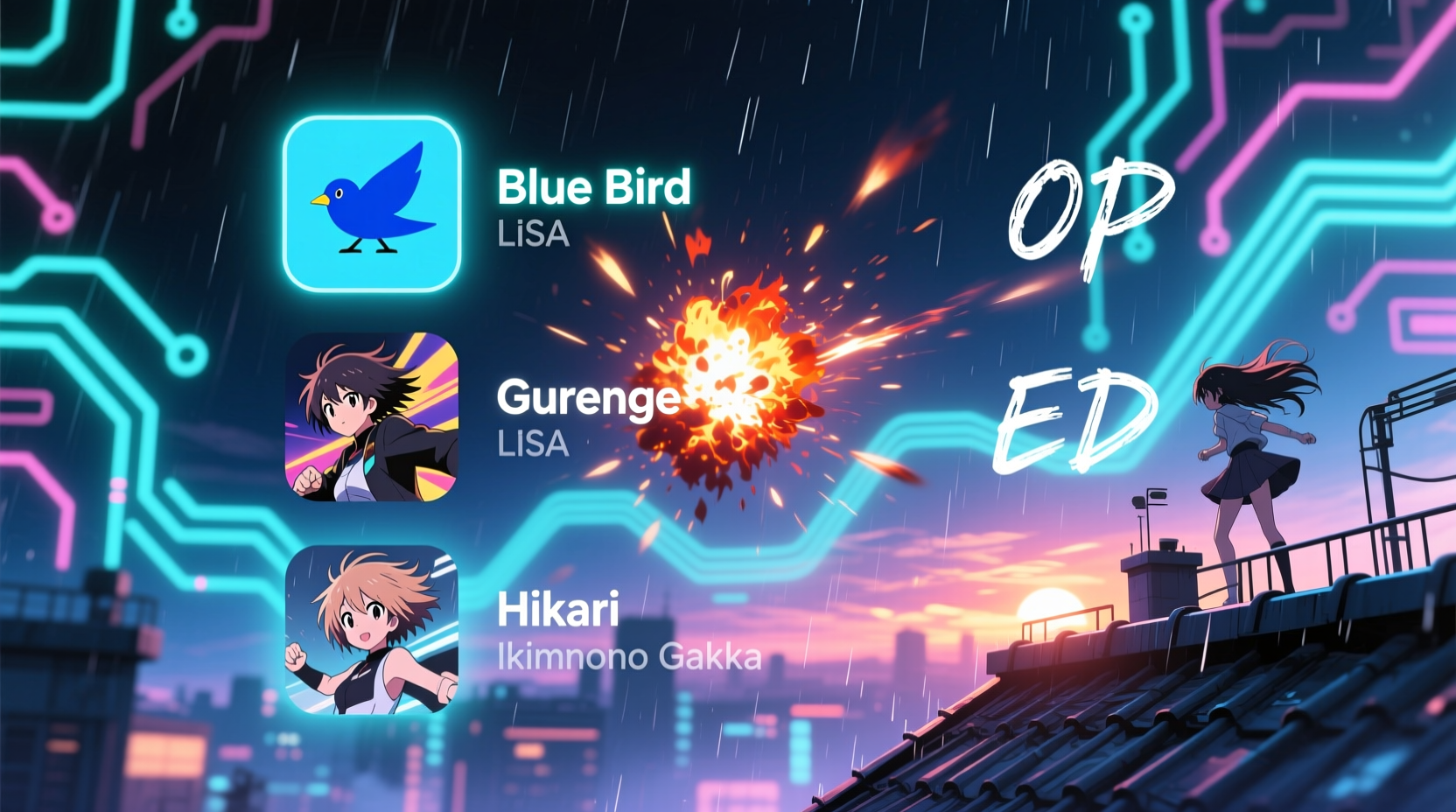
Anime openings serve a critical purpose beyond entertainment—they establish tone, introduce key characters, and set audience expectations. Within 90 seconds, an intro must encapsulate the essence of the series. This concentrated storytelling makes them inherently memorable. Unlike endings, which typically air after the episode's climax, openings arrive at the beginning, when viewers are most attentive and emotionally receptive.
Consider iconic examples like “Gurenge” from *Demon Slayer* or “Again” from *Fullmetal Alchemist: Brotherhood*. These songs don’t just play over visuals—they become thematic anchors. Their lyrics often mirror the protagonist’s journey, while the animation previews pivotal moments, creating a sense of anticipation and emotional investment.
“An opening theme is the first promise the show makes to its audience. It says: ‘This is what you’re about to feel.’ That’s powerful.” — Akira Takahashi, Anime Music Producer
In contrast, ending themes usually appear during a wind-down phase. By that point, viewers may already be processing the episode’s events, checking phones, or preparing to leave. This timing disadvantage reduces their memorability and emotional resonance.
Production Value and Marketing Priorities
Studios invest significantly more in opening sequences than endings. Budgets for animation, choreography, and licensed music are often allocated disproportionately. Openings frequently feature full-motion animation, dynamic camera angles, and character close-ups—all designed to impress and retain viewers.
This imbalance isn't accidental. Broadcasters know that strong openings increase viewer retention during the crucial first minutes of an episode. Streaming platforms like Crunchyroll and Netflix also use openings as preview clips on thumbnails and recommendation banners, further amplifying their reach.
Tip: Pay attention to how early episodes use their opening—many hide foreshadowing clues or future plot points in the visuals.Endings, by comparison, are often simpler. Many reuse still frames or low-motion scenes, especially in long-running series where production teams prioritize episode content over closing credits. While some shows deliver stunning endings (e.g., *Your Lie in April*), these are exceptions rather than norms.
Cultural Habits and Viewing Behavior
One major reason openings dominate playlists ties directly to how people watch anime. In Japan and globally, it’s common practice to skip or minimize attention during ending sequences. Viewers fast-forward, mute, or multitask—especially in multi-episode binges. This habit diminishes exposure and weakens the connection between listener and song.
Conversely, openings are rarely skipped. They signal the start of the experience, much like a theater curtain rising. Fans anticipate them, hum along, and even perform dance challenges online (e.g., the “Idol” dance from *Oshi no Ko*). Social media trends reinforce this cycle: TikTok and YouTube Shorts heavily favor opening clips, turning them into viral content.
Moreover, many anime fans consume music independently of watching episodes. When searching for tracks on Spotify or Apple Music, they’re more likely to recall the high-energy opening than the subdued ending. Playlists titled “Best Anime OPs” far outnumber those dedicated to EDs—a reflection of both availability and preference.
Structural and Emotional Design Differences
There’s a deliberate contrast in how openings and endings are composed. Musically, openings tend to follow an ascending structure: building energy through verses, exploding into choruses, and concluding with momentum. This mirrors the narrative arc of most anime episodes and series.
Endings, however, are typically designed to decompress. They use softer instrumentation, slower tempos, and introspective lyrics. While artistically valuable, these qualities make them less suitable for workout playlists, gaming sessions, or public listening—contexts where anime music thrives today.
| Feature | Opening Themes (OPs) | Ending Themes (EDs) |
|---|---|---|
| Tone | High-energy, dramatic | Calm, reflective |
| Lyrics | Action-oriented, motivational | Emotional, poetic |
| Animation | Dynamic, story-previewing | Static, symbolic |
| Streaming Popularity | Top 10 charts on Spotify Japan | Rarely chart outside niche audiences |
| Skip Rate (estimated) | Under 15% | Over 60% |
The data reflects a clear pattern: openings are engineered for impact; endings for closure. Neither is superior artistically, but only one aligns with modern consumption patterns.
Case Study: \"Unravel\" vs. \"Natsukage\" – A Tale of Two Themes
Compare two songs from *Tokyo Ghoul*: “Unravel” (OP) by TK from Ling Tosite Sigure and “Natsukage” (ED) by Queen Bee. Both are critically acclaimed, yet their trajectories differ dramatically.
“Unravel” became a global phenomenon. Its haunting vocals, complex composition, and emotionally charged delivery resonated across cultures. The song peaked at #11 on Japan’s Oricon Weekly Chart and has over 300 million views on YouTube. It remains a staple in anime karaoke nights and cover channels.
“Natsukage,” though praised for its lyrical depth and atmospheric sound, never achieved similar visibility. Despite being thematically rich—exploring identity and loss—it lacks the immediate punch needed to break through algorithmic filters. On Spotify, it receives less than 10% of the monthly listeners that “Unravel” does.
This disparity illustrates how context shapes perception. “Unravel” was heard first, repeated weekly, and associated with intense action scenes. “Natsukage” played softly after emotional climaxes, often missed or muted. Quality alone doesn’t guarantee prominence—placement matters.
Expert Insight: Why the Industry Favors Openings
The imbalance isn’t just audience-driven; it’s institutional. Music supervisors and anime producers confirm that OPs receive priority in creative meetings.
“We always ask: ‘Can this opening stand alone as a concert piece?’ If yes, we’re halfway there. Endings are beautiful, but they serve a different role—they’re epilogues, not prologues.” — Yumi Nakamura, Sound Director at Aniplex
Bands and solo artists also tailor their work accordingly. Performers like LiSA, Aimer, and Yoasobi have built careers largely on opening themes. Record labels actively pitch songs for OP slots, knowing the exposure can boost album sales and concert attendance.
Meanwhile, ending themes often go to up-and-coming artists or vocaloids, serving as developmental opportunities. While this supports emerging talent, it reinforces the hierarchy: openings = mainstream success; endings = artistic stepping stones.
Checklist: How to Appreciate Anime Endings More Deeply
If you’ve been overlooking endings, here’s how to rediscover their value:
- Watch without skipping: Commit to viewing at least five consecutive endings without fast-forwarding.
- Listen separately: Add ending themes to a quiet-time playlist for reflection or study.
- Analyze the lyrics: Look up translations and see how they reflect character arcs or hidden themes.
- Notice visual symbolism: Endings often use abstract imagery to convey inner turmoil or growth.
- Explore lesser-known artists: Many ED performers offer unique styles worth discovering.
Frequently Asked Questions
Do any anime endings become as popular as openings?
Yes, though rarely. Songs like “Here and Now” (*Frieren: Beyond Journey’s End*) and “Renai Circulation” (*Bakemonogatari*) gained cult status and widespread recognition. However, their popularity often comes from meme culture or exceptional catchiness, not structural advantage.
Are ending themes becoming more important?
Slowly. With the rise of binge-watching and curated music experiences, some studios are investing more in EDs. Series like *Chainsaw Man* and *Blue Lock* feature high-profile artists for both OP and ED, signaling a shift toward balance.
Can an ending theme define a series?
It’s possible, but challenging. An ending would need to be exceptionally moving or thematically central—like “My War” by Shinsei Kamattechan in *Attack on Titan* Season 4, which captured the show’s nihilistic turn. Still, even that track is usually discussed in relation to the episode’s final moments, not as a standalone anthem.
Step-by-Step Guide to Building a Balanced Anime Playlist
To create a playlist that honors both sides of the anime music spectrum, follow these steps:
- Start with 3–5 iconic openings to anchor your list (e.g., “Red Swan,” “Silhouette”).
- Add one ending per opening to maintain balance—choose ones with emotional weight or lyrical depth.
- Vary genres and moods: Pair energetic rock OPs with ambient or acoustic EDs for contrast.
- Include at least one instrumental BGM track to represent the full soundscape.
- Reorder for flow: Ensure transitions feel natural, not jarring.
- Name it thoughtfully: Instead of “Best OPs,” try “Anime Echoes: Beginnings & Endings.”
This approach encourages deeper engagement and appreciation for the full range of anime music craftsmanship.
Conclusion: Rebalancing Appreciation Without Diminishing Impact
Openings dominate fan playlists for valid reasons—narrative primacy, production emphasis, and cultural viewing habits all contribute. But recognizing why they lead shouldn’t mean dismissing endings. Each serves a distinct purpose: one ignites excitement, the other offers reflection.
The real opportunity lies in intentional listening. By giving endings the attention they deserve, fans can uncover layers of meaning, discover underrated artists, and enrich their overall anime experience. Platforms and creators are slowly shifting toward greater equity in music presentation—but the change starts with the audience.
🚀 Challenge yourself this week: Watch the next anime you stream all the way through—including the ending. You might just find your next favorite song hiding in plain sight.