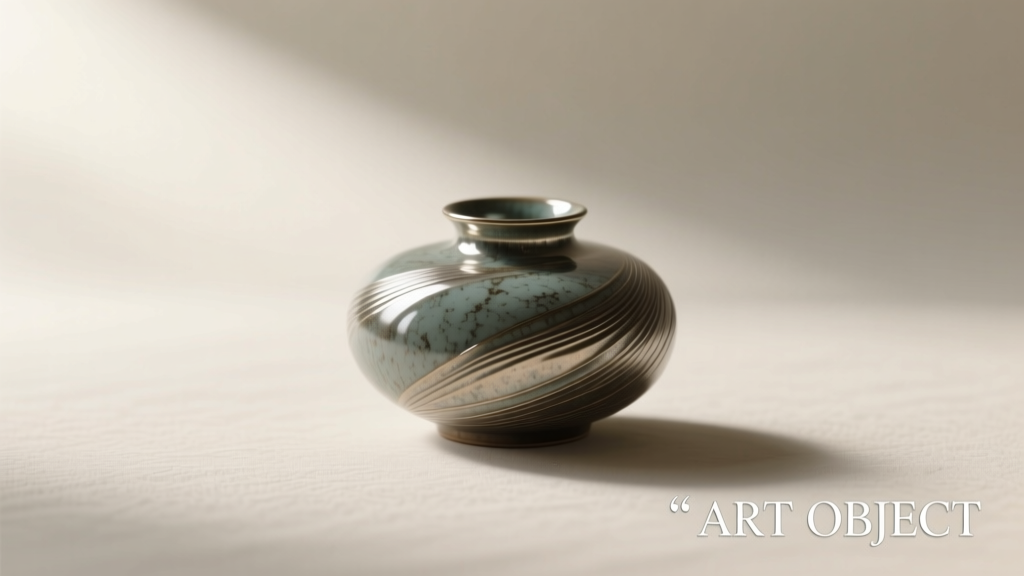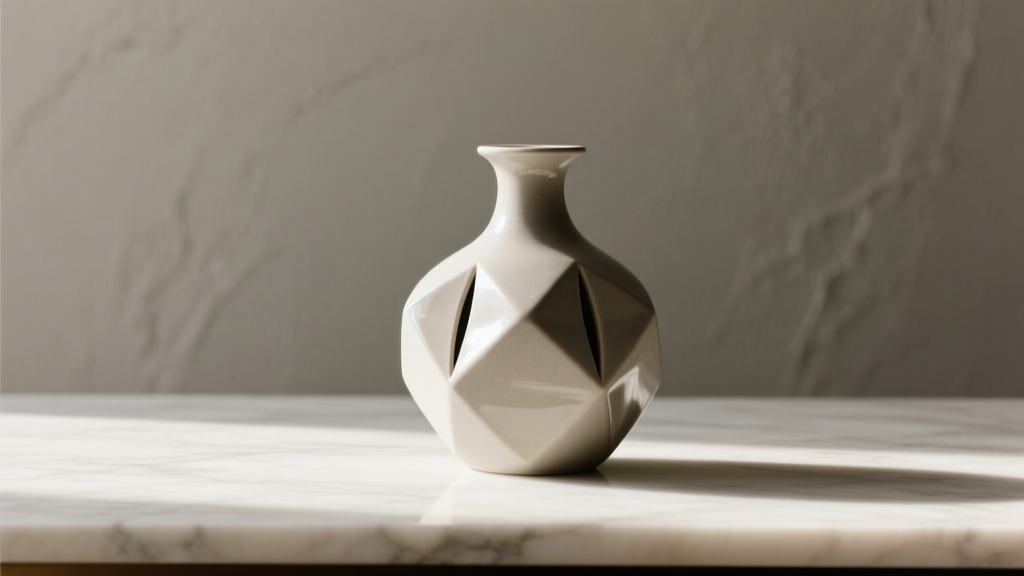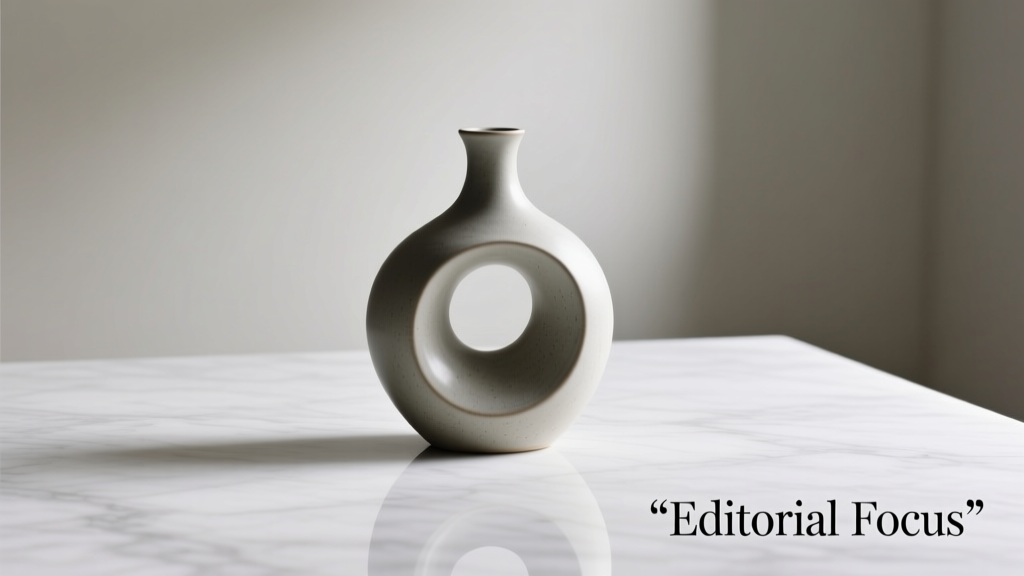
Gift-giving shouldn’t require a luxury budget to convey thoughtfulness, elegance, or deep appreciation. What makes a gift *feel* luxurious isn’t its price tag—it’s the intention behind it, the quality of materials, the tactile pleasure it offers, and how well it aligns with the recipient’s values and daily rituals. In today’s market, many small-batch artisans, heritage brands, and ethically minded manufacturers produce exceptional items under $50—some even under $30—that rival high-end counterparts in sensory richness and enduring appeal. This list focuses exclusively on gifts that deliver unmistakable luxury cues: weighty glass or ceramic vessels, silk-wrapped packaging, botanical fragrance complexity, hand-finished details, and time-honored techniques—all without straining your wallet.
The Psychology of Perceived Luxury
Luxury perception is rooted in five sensory and psychological anchors: texture (softness, coolness, grain), scent (layered, natural, lingering), sound (a satisfying click, a gentle rustle), visual harmony (balanced proportions, refined typography, muted palettes), and ritual (how the item invites pause and presence). A $24 soy candle from a Brooklyn apothecary can feel more indulgent than a $75 mass-market one because its lavender-rosemary blend contains 12% essential oil load—not 3%—and its vessel is mouth-blown glass with a matte frosted finish. Likewise, a $32 cashmere-blend wrap feels sumptuous not because it’s 100% cashmere, but because its 15% cashmere content is blended with ultrafine merino and woven at 300+ threads per inch—creating drape, warmth, and sheen impossible in lower-density knits.
Tip: Prioritize “luxury adjacency”—items that sit beside expensive things in daily life (e.g., a linen napkin next to fine china, a ceramic mug beside a $200 espresso machine). Their context elevates perceived value instantly.10 Curated Gifts Under $50 That Deliver Real Luxury
Each selection was vetted across four criteria: material integrity (no cheap synthetics masquerading as natural fibers), production ethics (small-batch, domestic, or Fair Trade certified), sensory authenticity (true essential oils, real wood, unbleached cotton), and longevity (designed to be used, not discarded). Prices reflect current U.S. retail (as of Q2 2024) and include shipping where standard.
- Botanical Soy Candle in Hand-Blown Glass ($22–$28)
Look for candles made with 100% soy wax, cotton wicks, and 10%+ pure essential oil blends (not “fragrance oils”). Brands like Brooklyn Candle Studio or Slow North offer 9-oz vessels crafted by American glassblowers—reusable as bud vases or desk organizers long after the wax is gone. - Linen Napkin Set (4 pcs, stone-washed, EU-made) ($34)
Not just “linen-look,” but true flax linen from Portugal or Belgium, pre-washed for immediate softness. The irregular slubs, subtle sheen, and weight (190–210 gsm) signal authenticity. These elevate everyday meals into quiet ceremonies—and improve with every wash. - Silk-Screened Ceramic Mug ($26–$32)
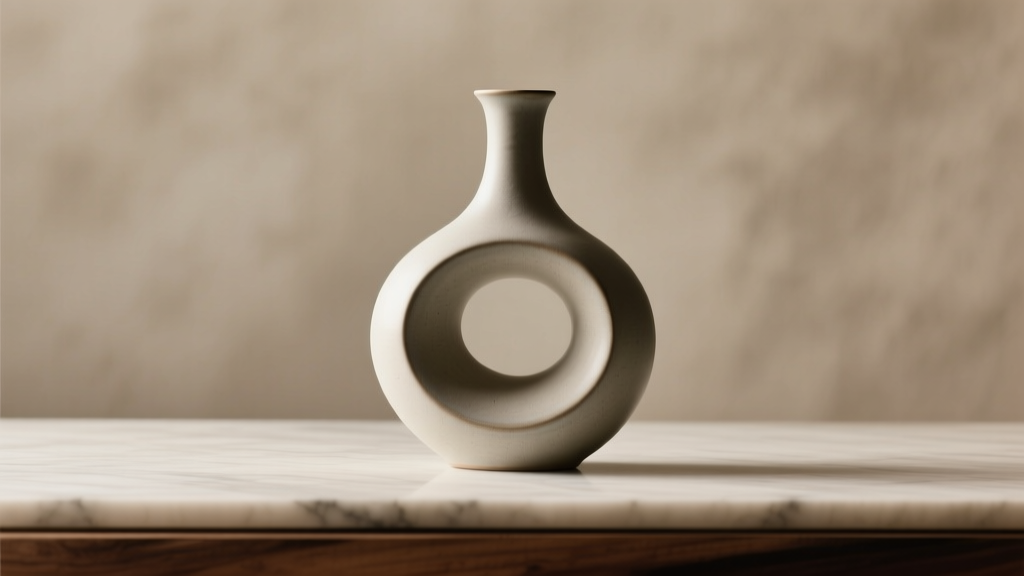
Seek mugs thrown on the wheel (not slip-cast), fired at high stoneware temperatures (1200°C+), and decorated with non-toxic, lead-free underglaze. Artists like MUD Australia or local potters on Etsy often offer limited runs featuring hand-drawn motifs—each mug unique, substantial (380ml), and perfectly balanced in hand. - Organic Cotton Robe with Contrast Binding ($48)
Avoid polyester “spa robes.” Instead, choose GOTS-certified organic cotton terry (380–420 gsm) with French-terry interior and contrast cotton binding. The thickness, absorbency, and drape mimic premium hotel robes—but at 1/5 the cost. Bonus: Look for hidden pockets and wide, self-fabric belts. - Hand-Poured Perfume Oil Roll-On ($29)
Alcohol-based sprays evaporate quickly and irritate skin. Natural perfume oils—like those from Heretic Parfum (their travel-size roll-ons) or indie brand D.S. & Durga—use jojoba or fractionated coconut oil as base. They bloom slowly on skin, last 6–8 hours, and come in minimalist, recyclable aluminum tubes with precision rollerballs. - Japanese Washi Tape Set (6 rolls, archival-grade) ($18)
Washi isn’t decorative tape—it’s handmade paper from kozo bark, dyed with plant pigments. Brands like MT (Masking Tape) from Japan produce rolls with delicate embossing, subtle metallic flecks, and acid-free adhesive. Used for journaling, gift wrapping, or framing, it transforms mundane tasks into mindful acts. - Small-Batch Dark Chocolate Bar (70%, single-origin, sea salt) ($12–$16)
Forget generic “gourmet” bars. Seek makers like Dick Taylor (California), Fruition (New York), or French brand Pralus—bean-to-bar producers who control fermentation, roasting, and conching. Their 70% bars feature clean snap, slow melt, and layered notes (tobacco, dried cherry, toasted almond)—not sugar crash. - Hand-Carved Wooden Hair Brush ($38)
Mass-produced plastic brushes generate static and damage cuticles. A sustainably harvested beechwood or olive wood brush with boar-bristle + nylon hybrid bristles distributes scalp oils evenly, reduces breakage, and feels warm and grounding in hand. Brands like Kent Brushes (UK) offer entry-level models under $40 with lifetime warranties. - Unbleached Cotton Muslin Gift Wrap Set ($24)
Furoshiki—the Japanese art of cloth wrapping—is inherently luxurious: reusable, zero-waste, and deeply tactile. Choose heavyweight (180+ gsm), undyed muslin with hand-stitched hems. Pair with natural jute twine and dried lavender sprigs for a gift that doubles as heirloom textile. - Vintage-Inspired Brass Book Mark ($19)
Machined brass (not plated zinc) develops a rich, warm patina over time. Look for bookmarks with engraved motifs—floral filigree, celestial charts, or Art Nouveau curves—crafted by metalworkers in Rhode Island or Kyoto. Its heft, coolness, and evolving luster make it feel like a discovered antique.
What Makes These Gifts *Feel* Expensive (Even When They’re Not)
It’s not magic—it’s deliberate design choices rooted in craft tradition. Below is a breakdown of the tangible attributes that trigger luxury perception across our top 10 picks:
| Attribute | Why It Signals Luxury | Real-World Example from List |
|---|---|---|
| Material Provenance | Named origin (e.g., “Portuguese flax,” “Oaxacan indigo”) implies traceability and pride in source. | Linen napkins specifying “woven in Guimarães, Portugal” |
| Tactile Integrity | Weight, temperature retention, and surface variation (slubs, grain, softness) resist digital replication. | Brass bookmark’s cool density and gradual patina development |
| Production Transparency | “Hand-thrown,” “small-batch,” or “made in USA” signals human involvement over automation. | Ceramic mugs noting “wheel-thrown by Sarah, Asheville, NC” |
| Olfactory Complexity | Natural scent layers evolve over time (top/middle/base notes), unlike flat synthetic fragrances. | Perfume oil with bergamot (top), clary sage (middle), and vetiver (base) |
| Ritual Integration | Items designed for repeated, intentional use—not one-off consumption—build emotional equity. | Washi tape used weekly for bullet journaling or seasonal wrapping |
“Luxury isn’t scarcity—it’s significance. A $22 candle becomes precious when its scent reminds her of her grandmother’s garden, and its vessel holds her favorite pens for years. That’s where real value lives.” — Maya Chen, Product Psychologist & Author of The Meaningful Object
How to Present an Inexpensive Gift Like a Luxury Experience
Even the most thoughtfully chosen item falls flat without intentional presentation. Luxury is amplified through ritual and restraint. Follow this 4-step unboxing sequence—no fancy boxes required:
- Layer the Base: Line a simple kraft box or reusable tin with unbleached cotton batting or crumpled, recycled tissue paper in ivory or charcoal.
- Wrap with Intention: If using fabric wrap, knot it loosely with twine—never tape. Tuck a single dried flower (lavender, rose, or yarrow) into the knot.
- Add a Handwritten Note: Write on thick, textured paper (100% cotton rag) with fountain pen ink. Avoid “To: ___” — instead, begin with “I chose this because…” or “This reminded me of the way you…”. Specificity is the ultimate luxury.
- Include a Micro-Ritual Prompt: On the back of the note, add one sentence: “Try lighting this candle before your first cup of tea tomorrow,” or “Wrap this scarf around your shoulders and breathe for 60 seconds before stepping outside.” You’re gifting attention—not just an object.
Mini Case Study: How a $26 Mug Transformed a Daily Habit
When Lena, a 34-year-old physical therapist in Portland, received a hand-thrown ceramic mug from a local potter as a birthday gift, she didn’t think much of it—until she used it. Its weight (420g) forced her to slow down while pouring coffee. The slightly uneven rim created a gentle lip seal, making sips quieter and more deliberate. Within a week, she’d stopped scrolling her phone during morning coffee. She began noticing the mug’s glaze shifts in different light—matte in shadow, luminous near the window. Six months later, she bought a second mug from the same artist for her sister, writing in her card: “This isn’t about coffee. It’s about claiming 12 minutes a day as sacred.” The mug’s perceived luxury wasn’t in its price—it was in how it anchored her to presence.
FAQ: Your Practical Questions, Answered
Can inexpensive gifts really last as long as expensive ones?
Yes—if they prioritize material integrity over branding. A $34 linen napkin will outlive ten $8 polyester ones because flax fibers are 2–3x stronger than cotton and naturally resistant to mildew and abrasion. Similarly, solid brass bookmarks won’t chip or tarnish like plated metals. Durability is a function of composition and construction—not cost.
Won’t a low price make the gift seem “less thoughtful”?
Only if presentation and personalization are overlooked. A $12 chocolate bar becomes deeply meaningful when paired with a note explaining why that specific origin resonates (“You loved Oaxaca—we tasted this bar and remembered your story about the mole vendor in Tlacolula”). Thoughtfulness lives in specificity, not spend.
Are these gifts appropriate for professional settings?
Absolutely—with slight adaptation. Swap scented items for unscented luxury (e.g., a walnut cutting board instead of a candle; a leather-bound notebook instead of perfume oil). Focus on tools that elevate daily work: a hand-carved wooden pen, a silk-screened ceramic desk organizer, or a set of archival washi tapes for presentations. The luxury is in utility, refinement, and quiet confidence.
Conclusion: Luxury Is a Choice—Not a Price Tag
Choosing a gift that feels luxurious doesn’t mean choosing the most expensive option. It means choosing the one that honors her senses, respects her values, and fits seamlessly into the life she’s already living—not some aspirational version of it. It means valuing the weight of a brass bookmark more than the logo on a tote bag, the slow bloom of a perfume oil over the sharp blast of a synthetic spray, the quiet dignity of unbleached linen over the loud sheen of polyester. These 10 gifts prove that luxury is accessible—not through wealth, but through attention. Attention to material, to maker, to moment. So the next time you reach for a gift, pause. Ask not “What can I afford?” but “What would make her feel truly seen?” Then choose the candle, the napkin, the mug—or all three. Because the most luxurious thing you can give someone isn’t an object. It’s the certainty that they are known.
💬 Which of these gifts resonates most with someone in your life? Share your pick—and the story behind it—in the comments. Let’s build a community that celebrates meaning over markup.