Hydration is the cornerstone of healthy, glowing skin. In the world of Korean skincare, two formats have risen to prominence for delivering intense moisture: traditional sheet masks and hydrogel masks. While both promise dewy, plump skin, they differ significantly in composition, application, and performance—especially when it comes to how deeply they hydrate. Understanding these differences helps you make informed choices based on your skin type, concerns, and desired outcomes.
Korean beauty has long championed multi-step routines focused on prevention and nourishment. Sheet masks are a staple in this philosophy, often used 2–3 times per week for maintenance or intensive treatment. Hydrogel masks, though less common than their fabric-based counterparts, are gaining traction for their cooling effect and claims of enhanced ingredient penetration. But do they truly deliver deeper hydration?
Understanding the Basics: What Are Sheet Masks and Hydrogel Masks?
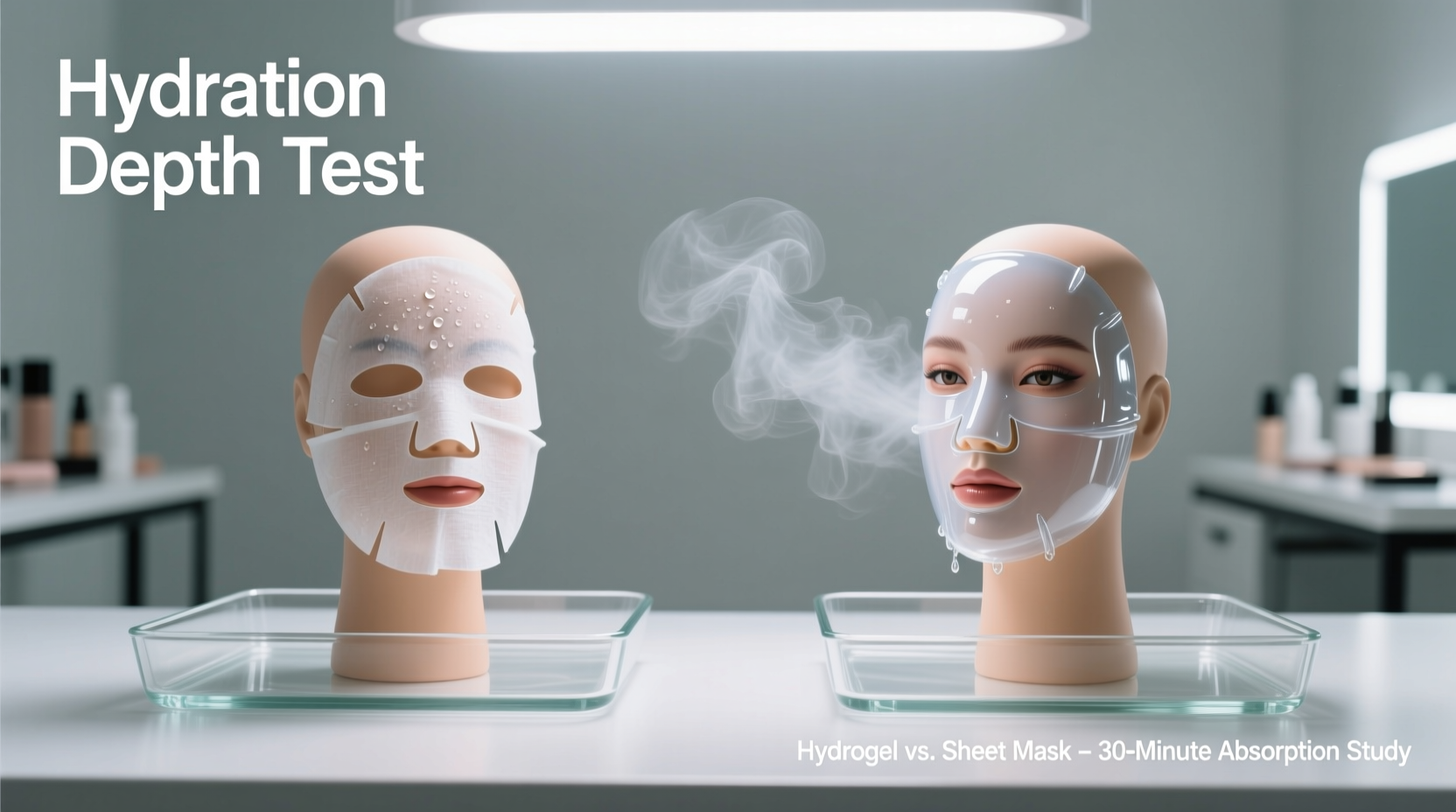
Before comparing hydration efficacy, it’s essential to understand what each mask type is made of and how it functions.
Korean sheet masks typically consist of a thin fiber or cellulose sheet soaked in a serum rich with humectants like hyaluronic acid, glycerin, and panthenol. The material acts as a delivery vehicle, holding the essence against the skin to minimize evaporation and maximize contact time. Most are designed for 15–20 minutes of wear and come pre-cut with openings for eyes, nose, and mouth.
Hydrogel masks, on the other hand, are made from a water-based polymer gel—often derived from seaweed or synthetic hydrocolloids. They are thicker, more flexible, and self-supporting without a fabric base. Their gel structure allows them to hold large volumes of active ingredients and conform closely to facial contours. Many users report a cooling sensation upon application, making them popular for soothing irritated or inflamed skin.
Tip: Always apply sheet or hydrogel masks to clean, slightly damp skin to enhance absorption and prevent interference from oils or residue.How Hydration Works in Skincare: Beyond Surface Moisture
True hydration goes beyond simply wetting the skin’s surface. Effective moisturization involves attracting water into the stratum corneum (the outermost layer) and supporting the skin barrier’s ability to retain that moisture. Ingredients known as humectants play a critical role by drawing water from the environment or deeper layers of the skin.
However, not all hydration is equal. Some products create a temporary plumping effect through occlusion—trapping moisture under a film—while others facilitate actual water influx into skin cells. The depth and duration of hydration depend on several factors:
- Molecular size of active ingredients (smaller molecules penetrate deeper)
- Occlusive properties of the mask material (reducing transepidermal water loss)
- Contact time and adherence to the skin
- pH compatibility with the skin’s natural acidity
- Presence of penetration enhancers like niacinamide or certain peptides
Sheet masks rely on a combination of high-serum load and physical occlusion to boost hydration. The fabric creates a sealed microenvironment that slows down evaporation, allowing actives more time to interact with the skin. However, gaps between the mask and facial curves can reduce efficiency.
Hydrogel masks, due to their superior adhesion and gel matrix, maintain consistent contact across uneven areas like the jawline and under the eyes. Their structure also enables sustained release of ingredients over time, potentially increasing bioavailability.
“Hydrogel technology mimics the extracellular matrix of the skin, which may improve the delivery of low-molecular-weight hydrators like sodium hyaluronate.” — Dr. Ji-hye Park, Cosmetic Dermatologist, Seoul National University Hospital
Direct Comparison: Sheet Masks vs Hydrogel Masks
To determine which format delivers deeper hydration, consider the following key aspects:
| Feature | Sheet Masks | Hydrogel Masks |
|---|---|---|
| Material | Fiber, cotton, or bio-cellulose | Polymer gel (e.g., carboxymethyl cellulose) |
| Serum Capacity | High (15–30ml typical) | Very high (up to 40ml) |
| Adhesion to Skin | Good, but may lift at edges | Excellent, conforms tightly |
| Cooling Effect | Rare | Common (soothing for sensitive skin) |
| Penetration Depth | Moderate (limited by fabric spacing) | Higher (due to close contact and slow release) |
| Duration of Wear | 15–20 minutes recommended | 20–30 minutes; some up to 60 min |
| Eco-Friendliness | Varies; biodegradable options available | Less biodegradable; harder to dispose |
| Best For | Daily hydration, brightening, acne care | Dehydrated, sensitive, or post-procedure skin |
The table highlights a clear advantage for hydrogel masks in terms of serum retention, fit, and extended wear. These qualities contribute directly to deeper hydration potential. Because hydrogels form an almost impermeable seal, they dramatically reduce moisture loss during application—creating optimal conditions for humectants to pull water into the epidermis.
In contrast, while sheet masks offer excellent value and variety, their fibrous structure can create microscopic air pockets, limiting full ingredient-skin interaction. Bio-cellulose variants come closer to hydrogel performance due to tighter weave and better conformity, but still fall short in sustained release capabilities.
Real-World Performance: A Mini Case Study
Ji-eun, a 32-year-old office worker in Busan, struggled with chronically dry cheeks and tightness after wearing a mask daily for work. She had been using cotton-based sheet masks three times a week with moderate improvement but still experienced flaking by midday.
On her dermatologist’s recommendation, she switched to a hydrogel mask containing ceramides, trehalose, and fragmented hyaluronic acid twice weekly. After four weeks, she noticed reduced tightness, fewer flakes, and improved makeup adherence. A corneometer test at her clinic showed a 38% increase in cheek hydration levels compared to baseline—a 12% greater improvement than her previous sheet mask regimen.
Her experience reflects clinical observations: hydrogel masks often yield more measurable hydration gains, especially in individuals with compromised barriers or environmental exposure.
Maximizing Hydration: Step-by-Step Application Guide
Regardless of mask type, technique influences results. Follow this sequence to ensure optimal hydration delivery:
- Cleanse thoroughly with a gentle foaming or oil-based cleanser to remove impurities and allow unimpeded absorption.
- Tone immediately after cleansing to balance pH and prep the skin. Use a hydrating toner with ingredients like betaine or allantoin.
- Apply a light essence or booster if desired—this primes the skin for deeper penetration of mask actives.
- Unfold or unwrap the mask and align carefully with facial features. Press gently to eliminate air bubbles, especially around the nose and jaw.
- Relax for the full recommended time. Avoid talking or moving excessively to maintain contact.
- Remove the mask and gently press remaining serum into the skin. Do not rinse.
- Follow with a moisturizer or sleeping pack to lock in hydration, particularly important for dry or mature skin types.
When to Choose Which Mask: Practical Checklist
Use this checklist to decide which mask suits your current needs:
- ✅ Choose a hydrogel mask if:
- Your skin feels tight or rough despite moisturizing
- You’ve recently undergone exfoliation, laser, or chemical peel
- You want longer-lasting hydration effects
- You have sensitive or reactive skin needing soothing
- You’re preparing for a special event and need immediate plumping
- ✅ Choose a Korean sheet mask if:
- You want targeted benefits like brightening or oil control
- You prefer eco-friendly, disposable materials
- Budget is a consideration (sheet masks are generally cheaper)
- You use masks frequently and want variety in formulations
- You're layering treatments (e.g., using multiple masks per week)
Frequently Asked Questions
Can I use a hydrogel mask every day?
While hydrogel masks are gentle, daily use isn’t necessary and may overwhelm sensitive skin. Two to three times per week is sufficient for most people. Overuse can disrupt the skin’s natural regulatory mechanisms, leading to dependency or irritation.
Do hydrogel masks really hydrate deeper than sheet masks?
Clinical evidence and user reports suggest yes—due to their superior occlusion, prolonged wear time, and efficient delivery system. The gel matrix supports gradual release of small-molecule hydrators into the upper dermis, whereas sheet masks primarily affect the epidermis. However, individual results vary based on formulation and skin condition.
Are there any risks with hydrogel masks?
They are generally safe, but some lower-quality versions may contain preservatives like parabens or formaldehyde releasers that irritate sensitive skin. Always check the ingredient list. Also, improper disposal contributes to microplastic pollution, so consider environmental impact.
Final Thoughts: Choosing Depth Over Surface Appeal
When evaluating Korean sheet masks versus hydrogel masks for deeper hydration, the data points toward hydrogel superiority—not because it's trendier, but because of its functional design. Its ability to conform tightly, deliver higher concentrations of actives, and sustain hydration over time makes it ideal for those seeking transformative moisture restoration.
That said, sheet masks remain valuable tools in a comprehensive routine. Their versatility, affordability, and wide range of specialized formulas mean they shouldn’t be dismissed. The smartest approach combines both: using sheet masks for regular maintenance and rotating in hydrogel treatments when extra repair or deep hydration is needed.
Ultimately, the best mask is the one that fits your skin’s current needs, lifestyle, and goals. By understanding the science behind each format, you move beyond marketing claims and make choices rooted in real skincare outcomes.
💬 Have you tried both types? Share your experience with hydration depth and skin transformation below! Your insights could help others find their perfect match.








