
Oil paint is a staple in artistic expression, but when it lands on clothing—especially after drying—it can seem like a permanent stain. Unlike water-based paints, oil paints are formulated to resist moisture and adhere strongly to surfaces, making them particularly stubborn on fabric. However, with the right techniques and materials, even set-in oil paint can be safely removed without compromising the integrity of your garments. The key lies in understanding fabric types, selecting appropriate solvents, and acting methodically to avoid further damage.
Understanding Oil Paint and Fabric Interaction
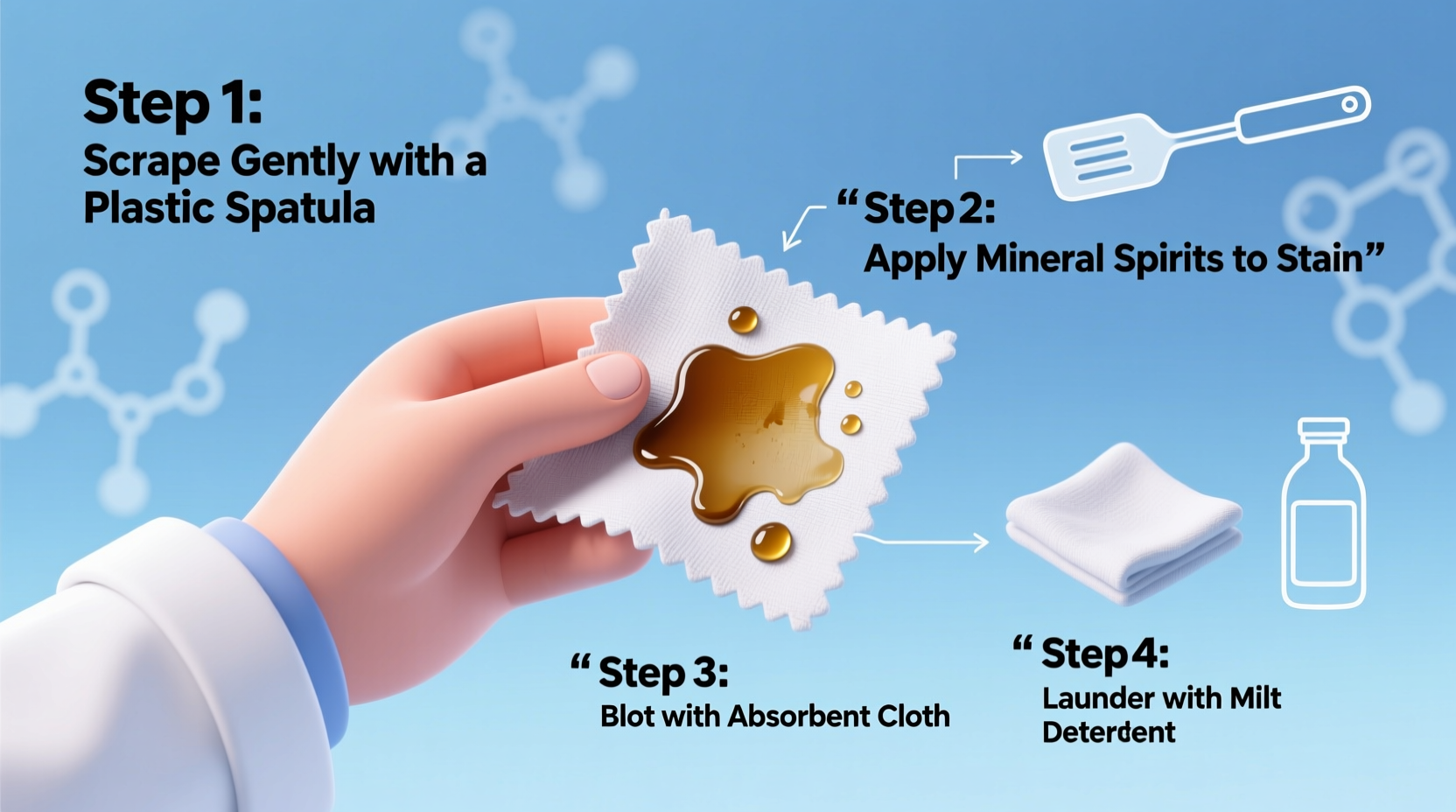
Oil paint consists of pigments suspended in drying oils such as linseed or safflower oil. These oils polymerize over time, forming a tough, water-resistant film. Once dry, this film binds tightly to fabric fibers, especially natural ones like cotton or linen. Synthetic fabrics like polyester may fare slightly better due to their lower absorbency, but all textiles risk damage if harsh removal methods are used.
The success of paint removal depends on three factors: the age of the stain, the type of fabric, and the solvent used. Immediate treatment yields the best results, but even dried stains can be addressed effectively with patience and proper technique.
Tip: Always test any solvent on an inconspicuous area of the garment first to check for discoloration or fabric weakening.Step-by-Step Guide to Removing Dried Oil Paint
Removing dried oil paint requires a systematic approach that softens the paint before mechanical removal and final laundering. Follow these steps carefully to maximize effectiveness while minimizing fabric stress.
- Scrape off excess paint: Use a blunt knife or spoon to gently lift as much dried paint as possible. Work from the edge toward the center to avoid spreading.
- Apply a solvent: Choose an appropriate solvent based on fabric type (see table below). Apply directly to the stain using a cotton ball or clean cloth.
- Let it sit: Allow the solvent to penetrate for 10–15 minutes. Do not let it dry completely.
- Blot and reapply: Gently blot the area with a clean cloth. If paint softens, use a soft-bristled brush to lift residue.
- Rinse thoroughly: Flush the treated area with cold water to remove solvent and paint remnants.
- Wash normally: Launder the garment according to its care label, using the warmest water safe for the fabric.
- Inspect before drying: Heat sets remaining paint. If any stain persists, repeat the process before drying.
Recommended Solvents and Their Uses
| Solvent | Fabric Compatibility | Application Notes | Risks |
|---|---|---|---|
| Mineral Spirits | Durable cotton, denim, canvas | Effective for thick paint; use in well-ventilated area | May weaken delicate fibers; flammable |
| Isopropyl Alcohol (70%+) | Synthetics, blends | Good for light stains; evaporates quickly | Possible color bleeding; drying effect on elastic |
| Odorless Paint Thinner | Heavy-duty applications | Safer than turpentine; less fumes | Avoid on acetate or triacetate |
| Nail Polish Remover (Acetone-free) | Most fabrics except acetate | Gentler option for minor stains | Acetone damages many synthetics—check label |
| Dish Soap + Warm Water | All washable fabrics | Pre-treatment only; works on residual oils | Limited effectiveness on dried paint |
Do’s and Don’ts When Treating Oil Paint Stains
- Do: Act as soon as possible—even dried paint responds better when treated early.
- Do: Work from the back of the fabric to push paint outward.
- Do: Use white cloths to avoid dye transfer during blotting.
- Don’t: Rub aggressively—this grinds paint deeper into fibers.
- Don’t: Use hot water initially—heat sets oil-based stains.
- Don’t: Put the garment in the dryer until the stain is fully gone.
Expert Insight: What Professionals Recommend
“Many people reach for bleach or strong degreasers, but those often destroy fabric strength and color. For oil paint, controlled solvent application followed by gentle agitation is far more effective—and safer.” — Dr. Lena Peterson, Textile Restoration Specialist, American Cleaning Institute
Dr. Peterson emphasizes that modern solvents are designed to break down oil binders without harming most textiles, provided they’re used correctly. She also notes that “layered treatments”—applying solvent, waiting, then repeating—are more effective than one heavy application.
Real Example: Recovering a Painter’s Favorite Shirt
Mark, a freelance muralist, accidentally sat on his work shirt after finishing a commission. By the next morning, a large patch of cobalt blue oil paint had dried across the shoulder. Assuming it was ruined, he nearly discarded it—until a colleague suggested trying mineral spirits.
Following the step-by-step guide, Mark scraped the bulk, applied mineral spirits with a cotton pad, waited 12 minutes, then gently brushed with an old toothbrush. After rinsing and washing in warm water, the stain was nearly gone. A second round removed the last traces. The shirt emerged intact, with no shrinkage or discoloration. This experience changed how he handles art-related laundry—now he keeps a dedicated stain kit in his studio.
Checklist: Removing Dried Oil Paint Safely
Quick Action Checklist:- □ Scrape off excess dried paint gently
- □ Identify fabric type and check care label
- □ Test solvent on hidden seam or hem
- □ Apply solvent and wait 10–15 minutes
- □ Blot and lightly brush softened paint
- □ Rinse thoroughly with cold water
- □ Wash in appropriate cycle—do not dry yet
- □ Inspect post-wash; repeat if needed
Frequently Asked Questions
Can I use household items like vinegar or baking soda?
Vinegar and baking soda are ineffective against dried oil paint. While vinegar has mild degreasing properties, it lacks the solvent strength needed to break down polymerized oils. Baking soda is abrasive and may scratch delicate fabrics without aiding removal. Stick to proven solvents like mineral spirits or isopropyl alcohol.
Is turpentine safe for clothes?
Turpentine works but carries higher risks than odorless alternatives. It has strong fumes, is highly flammable, and may yellow certain fabrics over time. Modern odorless paint thinners offer similar effectiveness with fewer hazards. If using turpentine, ensure excellent ventilation and wear gloves.
What if the fabric is dry-clean only?
For dry-clean-only garments, do not attempt home treatment. Instead, take the item to a professional cleaner immediately and point out the stain. Inform them it’s dried oil paint so they can pre-treat it with appropriate solvents before cleaning. Most professional services have access to specialized agents not available to consumers.
Conclusion: Restore Your Garments with Confidence
Dried oil paint doesn’t have to mean the end of a favorite shirt or apron. With careful selection of solvents, a patient approach, and attention to fabric needs, most stains can be removed safely. The process respects both the artwork you create and the clothing you rely on. Whether you're an artist, DIY enthusiast, or caught in an accidental spill, knowing these methods empowers you to act decisively and effectively.
💬 Have a tricky paint stain story or a method that worked for you? Share your experience in the comments—your insight could help others save their garments too!








