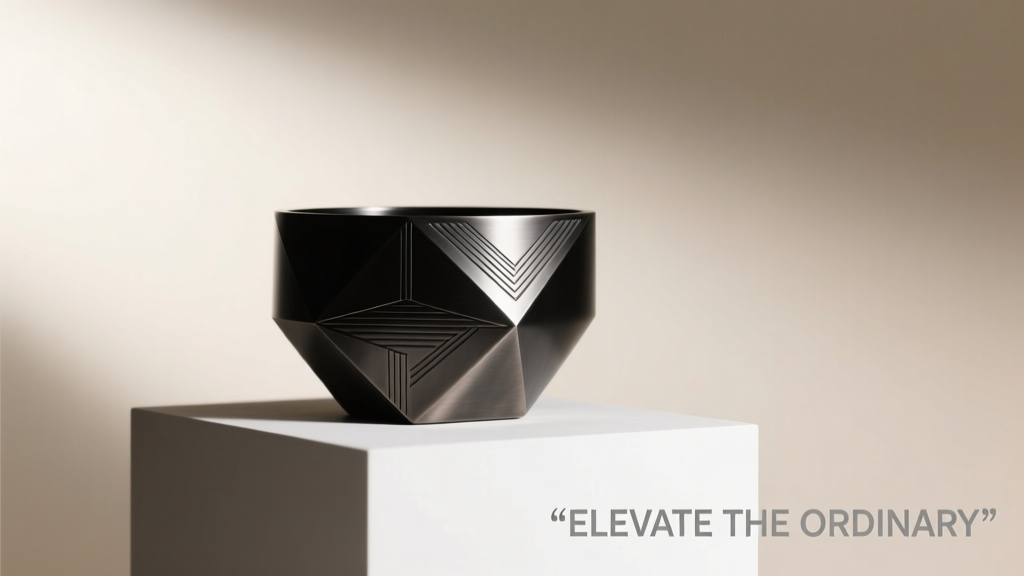
Types of China Ceramic Glass Marking Machines
A ceramic glass marking machine is a precision tool used in manufacturing and customization to engrave logos, serial numbers, barcodes, and decorative designs on delicate materials like china, ceramics, and glass. These machines utilize laser technology to deliver permanent, high-quality markings without causing structural damage. Choosing the right type of laser engraver is crucial for balancing precision, durability, production speed, and material safety.
CO2 Laser Engraver
Ideal for non-metallic materials, this machine uses a gas-based laser beam to mark ceramic glass with high precision and excellent detail.
Advantages
- Excellent for detailed graphics and text
- Adjustable focal point for curved or uneven surfaces
- Minimal heat impact preserves material integrity
- Fast processing speeds for high-volume production
- Smooth, clean engraving finish
Limitations
- Less effective on highly reflective or conductive surfaces
- Requires regular maintenance of mirrors and tubes
- Laser tube lifespan typically 10,000–20,000 hours
Best for: Decorative items, tableware, curved glass surfaces, and intricate branding on ceramic glass
YAG Laser Engraver
Utilizing a neodymium-doped yttrium aluminum garnet crystal, this machine delivers high-energy pulses ideal for deep, contrasting marks.
Advantages
- Penetrates deeply for high-contrast, permanent engravings
- Effective on textured or thick ceramic glass
- Durable markings resistant to wear and fading
- Suitable for industrial-grade applications
- Reliable performance under continuous operation
Limitations
- Higher heat output may risk micro-cracking in delicate items
- Lamp-based systems require frequent replacement
- Higher power consumption compared to fiber lasers
Best for: Industrial equipment, household appliances, and heavy-duty marking where durability is key
Fiber Laser Engraver
Uses a solid-state laser with fiber optics to produce fine, high-speed engravings with minimal maintenance.
Advantages
- Extremely high-speed marking for mass production
- Exceptional precision and fine detail resolution
- Low maintenance with no mirrors or alignment needed
- Energy-efficient with long diode lifespan (up to 100,000 hours)
- Produces high-contrast, permanent marks ideal for barcodes and serial numbers
Limitations
- Primarily designed for metals; less effective on pure glass/ceramic without coating
- Higher initial investment cost
- May require surface pre-treatment for optimal results on non-metallics
Best for: Product identification, batch coding, and branding in high-volume manufacturing
UV Laser Engraver
Employs ultraviolet light to create cold marks through photochemical ablation, minimizing thermal impact.
Advantages
- “Cold marking” prevents cracking or thermal stress in delicate materials
- Exceptional for ultra-fine details and micro-text
- No surface damage or chipping on fragile glass/ceramic
- Eco-friendly with low power consumption and no consumables
- Ideal for food-safe and medical-grade ceramic items
Limitations
- Slower than CO2 or fiber lasers for large-area marking
- Higher cost per unit compared to other systems
- Limited depth of engraving (best for surface marking)
Best for: High-end decorative pieces, medical devices, and businesses prioritizing quality and material safety
| Machine Type | Marking Quality | Speed | Durability | Best Application |
|---|---|---|---|---|
| CO2 Laser | Excellent (detailed, smooth) | High | Good | Curved surfaces, decorative items, logos |
| YAG Laser | High (deep, contrasting) | Moderate | Excellent | Industrial parts, durable markings |
| Fiber Laser | Very High (precise, crisp) | Very High | Excellent | Serial numbers, barcodes, mass production |
| UV Laser | Exceptional (micro-detail, no damage) | Moderate | Good | Fine art, medical, food-safe products |
Expert Tip: For ceramic glass items, consider using a UV or CO2 laser for delicate or decorative applications to avoid thermal stress. If durability is the priority (e.g., industrial components), YAG or fiber lasers are better suited despite higher heat output.
Specifications and Functionalities of China Ceramic & Glass Marking Machine
The China-manufactured ceramic and glass marking machine is a precision CO2 laser system designed for high-quality, permanent engraving on non-metallic materials. Widely used in industrial, artistic, and commercial applications, this machine combines advanced laser technology with user-friendly operation to deliver consistent, durable markings. Understanding its technical specifications, setup procedures, operational controls, and maintenance requirements ensures optimal performance and extended service life.
Technical Specifications
Engraving Speed and Laser Power
Equipped with a CO2 laser source, this machine operates within a power range of 30 to 120 watts, enabling fast and efficient engraving. The adjustable speed allows users to balance throughput and detail—higher speeds (up to 800 mm/s) are ideal for simple markings, while lower speeds ensure deeper, more intricate engravings on ceramics and glass.
This versatility makes it suitable for both high-volume production lines and custom design studios, offering precision without sacrificing productivity.
Machine Dimensions and Footprint
With standard dimensions of 60 x 100 x 120 cm (L x W x H), the machine is compact enough for integration into small workshops yet provides a generous working area of up to 40 x 60 cm. This balance between portability and surface coverage supports a wide range of product sizes, from small glassware to large ceramic tiles.
The ergonomic design includes accessible control panels and a transparent safety cover, enhancing usability and operator protection.
Power Consumption and Efficiency
The marking machine consumes approximately 500 watts during operation, making it energy-efficient compared to higher-powered industrial lasers. This low power draw reduces electricity costs, especially during prolonged use, and minimizes thermal load on facility infrastructure.
Its efficient design supports continuous operation with proper cooling, making it ideal for shift-based manufacturing environments.
Material Compatibility
The CO2 laser is particularly effective on organic and non-metallic materials, including:
- Tempered and annealed glass
- Ceramic tiles, mugs, and plates
- Wood, bamboo, and leather
- Acrylic, plastics (PVC, ABS), and rubber
While the machine is optimized for ceramics and glass, it is not recommended for metal marking without additional surface coating or fiber laser conversion.
| Specification | Value / Range | Application Benefit |
|---|---|---|
| Laser Type | CO2 Sealed Tube | High precision on non-metallic surfaces |
| Laser Power | 30–120 W | Adjustable depth and speed for varied materials |
| Engraving Area | Up to 400 x 600 mm | Suitable for large tiles and panels |
| Power Consumption | ~500 W | Energy-efficient, low operating cost |
| Cooling System | Water-cooled (with chiller or reservoir) | Prevents overheating during extended use |
Setup Procedure: Preparing for Marking
Proper setup is essential for achieving clean, precise engravings on ceramic and glass surfaces. Follow these steps to prepare the machine:
- Position the Workpiece: Place the ceramic or glass item securely on the marking platform. Ensure it is level and free from vibrations.
- Adjust Z-Axis Height: Manually or automatically adjust the Z-axis to align the focal point of the laser lens with the material surface. For ceramics, the focal plane should be just a few millimeters above the surface to prevent cracking.
- Select Focusing Lens: Use a 1.5" or 2" focal length lens for fine detailing on glass, or a 4" lens for deeper engraving on thick ceramics.
- Focus the Laser: Use the red dot pointer or manual focus tool to ensure the laser beam converges precisely on the target area. Misfocusing can lead to blurry or incomplete marks.
- Load Design File: Import your vector or raster graphic via USB, network, or direct software connection. Confirm alignment using the preview function.
Note: For ceramic metal composites, ensure the surface is coated with a laser-reactive material (e.g., ceramic ink) to allow visible marking.
Operating the Machine: Key Parameters and Workflow
Successful operation depends on fine-tuning laser parameters to match the material and desired result:
Laser Power
Controls the intensity of the laser beam. Higher power (80–120 W) creates deeper engravings on ceramics, while lower power (30–50 W) is ideal for delicate glass etching to prevent fractures.
Engraving Speed
Adjusts how quickly the laser head moves. Slower speeds increase exposure time, enhancing contrast and depth. Typical settings range from 100 to 600 mm/s depending on material thickness.
Pulse Frequency (kHz)
CO2 lasers operate between 5–20 kHz. Higher frequencies produce smoother, finer lines suitable for text and logos, while lower frequencies are used for deep scoring or removing material layers.
Duty Cycle
Controls the percentage of time the laser is active during pulsing. Adjusting this helps manage heat buildup, especially critical when marking tempered glass to avoid thermal shock.
Once settings are configured, initiate the process via the control panel or software interface. The machine will follow the preloaded design path with high accuracy. Continuous monitoring is recommended to detect misalignment, overheating, or power fluctuations that could affect quality.
Maintenance and Repair Guidelines
Regular maintenance ensures consistent performance and extends the lifespan of critical components. Follow this schedule to keep your machine in peak condition:
- Lens Cleaning: Clean the focusing lens weekly using lens tissue and isopropyl alcohol. Dust or residue can scatter the laser beam, reducing efficiency and causing inconsistent marks.
- Mirror Inspection: Check the three internal mirrors (X, Y, and rear reflector) every two weeks for scratches, corrosion, or misalignment. Wipe gently with optical cleaner and re-align if necessary.
- Water Cooling System: Replace distilled water every 2–4 weeks and flush the cooling tubes to prevent algae growth and blockages. Overheating can permanently damage the laser tube.
- Laser Tube Examination: Monitor tube performance for dimming output or erratic firing. CO2 tubes typically last 1,500–3,000 hours; replace proactively to avoid downtime.
- Software and Data Management: Regularly back up design files and system settings. Use reliable storage to prevent data loss during software updates or hardware failures.
Important: Always power off the machine before performing maintenance. Never use abrasive materials on optical components. Operating the machine with dirty lenses or mirrors can cause beam distortion, reduce engraving quality, and pose fire risks. Adhering to a preventive maintenance schedule not only protects your investment but also ensures compliance with safety standards and warranty requirements.
Commercial Value, Applications & Uses of China Ceramic Glass
China ceramic glass—often referred to in the context of advanced ceramic materials and laser-markable substrates—plays a vital role in modern industrial, consumer, and technological sectors. Its unique combination of durability, thermal resistance, and precision marking capability makes it a preferred material across diverse applications. This guide explores the commercial value, real-world applications, and functional uses of China ceramic glass, emphasizing its growing importance in global manufacturing and technology.
Commercial Value
China ceramic glass offers significant economic and operational advantages across industries due to its permanence, resistance to environmental stress, and compatibility with high-precision laser marking technologies. These attributes translate into long-term cost savings, regulatory compliance, and enhanced product traceability.
- Shipping & Logistics: Laser-etched ceramic markers on shipping containers feature intricate designs and barcodes, enabling accurate identification, reducing misrouting, and streamlining global logistics operations.
- Automotive Industry: Permanent laser markings on ceramic components allow for part traceability, including batch numbers, manufacturing dates, and compliance certifications, enhancing vehicle safety and meeting strict regulatory standards (e.g., ISO/TS 16949).
- Aerospace Sector: Lightweight ceramic markers provide durable identification for critical aerospace components, maintaining legibility under extreme temperatures, vibrations, and corrosive environments—key for maintenance and airworthiness audits.
- Electronics Labeling: High-resolution laser marking on ceramic substrates ensures precise labeling of micro-components, circuit boards, and sensors, improving operational reliability and safety in compact electronic devices.
Key Insight: The permanence and tamper-proof nature of ceramic markings reduce fraud, counterfeiting, and errors in supply chain management.
Key Applications
From heavy industry to everyday consumer products, China ceramic glass is integrated into systems where durability, precision, and longevity are essential. Its applications span both functional and aesthetic domains.
- Industrial Manufacturing: Ceramic vacuum pumps and machinery components use laser-engraved identifiers for part tracking, quality control, and maintenance scheduling. These engravings resist wear, chemicals, and high-pressure cleaning.
- Consumer Goods: Premium dinnerware, glassware, and decorative pottery feature laser-etched logos, brand names, and legal compliance statements. These markings enhance aesthetics while ensuring traceability and authenticity.
- Electronic Devices: Ceramic-based substrates in semiconductors and circuitry allow for permanent inscription of technical data, safety warnings, and serial information—critical for diagnostics and regulatory compliance.
- Automotive Components: Beyond traceability, laser markings on ceramic-coated parts assist in inventory management, recall tracking, and warranty validation through serialized barcodes and QR codes.
Pro Tip: In industrial settings, ceramic markings outperform ink-based labels that degrade under heat, moisture, or abrasion.
Functional Uses
The versatility of China ceramic glass extends beyond identification—its material properties enable advanced technical functions in safety, electronics, and data systems.
- Device Safety: Clear, permanent markings on medical devices, industrial tools, and appliances improve user safety by indicating operational limits, voltage ratings, and handling instructions.
- Quality Assurance: Manufacturers embed quality control data such as inspection dates, tolerance levels, and calibration info directly onto ceramic parts, supporting ISO and Six Sigma compliance.
- Branding & Aesthetics: Luxury brands use laser-etched ceramics to elevate product appeal, offering customers personalized, fade-resistant designs on tableware, watches, and home décor.
- Surface Mount Technology (SMT): Ceramic substrates support high-density metallization in advanced electronics, enabling miniaturized circuits with superior thermal conductivity and electrical insulation.
- Data Storage Media: Experimental and niche applications use laser-modified ceramic beads or films for optical data storage, where information is written and read via focused laser beams—offering potential for long-term archival storage.
Technical Note: Ceramic materials used in SMT and data storage are often alumina or zirconia-based, selected for their stability and dielectric properties.
Industry Impact & Future Trends
As automation, traceability, and sustainability become central to global manufacturing, the demand for durable, eco-friendly marking solutions is rising. China ceramic glass is at the forefront of this shift.
- Smart Manufacturing: Integration with IoT systems allows ceramic-marked components to be scanned and tracked in real-time across production lines.
- Sustainability: Unlike plastic labels or ink-based printing, ceramic markings do not degrade or release microplastics, aligning with green manufacturing goals.
- Anti-Counterfeiting: Unique laser patterns and micro-engravings serve as authentication features in high-value goods, from automotive parts to luxury ceramics.
- R&D Innovation: Ongoing research explores self-cleaning, conductive, and photoluminescent ceramic surfaces for next-generation applications.
Future Outlook: Advances in femtosecond laser technology are enabling even finer, 3D-like engravings on ceramic glass, opening new possibilities in security and design.
Professional Recommendation: When specifying ceramic marking solutions, prioritize suppliers that offer laser compatibility testing, material certification, and adherence to international standards (e.g., MIL-STD, IEC). This ensures long-term readability and compliance, especially in regulated industries like aerospace, medical devices, and automotive manufacturing.
| Industry | Primary Use | Material Benefit | Expected Longevity |
|---|---|---|---|
| Automotive | Component traceability | Heat & corrosion resistance | 10+ years (lifetime of vehicle) |
| Aerospace | Part identification | Lightweight & durable | 15+ years (airframe life) |
| Electronics | Circuit labeling | High precision & insulation | 5–10 years (device lifecycle) |
| Consumer Goods | Branding & compliance | Aesthetic durability | Lifetime of product |
| Industrial Equipment | Quality control tracking | Wear & chemical resistance | 10–20 years |
Additional Considerations
- Regulatory Compliance: Ceramic markings help meet requirements from agencies like the FAA, FDA, and EU RoHS by providing permanent, legible data on critical components.
- Customization: Modern laser systems allow for variable data marking (VDM), enabling batch-specific or personalized engravings without tooling changes.
- Cost Efficiency: While initial setup may require investment in laser equipment, the long-term savings from reduced label replacement and error prevention are substantial.
- Environmental Resilience: Resists UV degradation, moisture, oils, and extreme temperatures (-40°C to 1000°C depending on ceramic type).
- Global Supply Chain: Chinese manufacturers are key producers of ceramic substrates and marked components, offering scalable, cost-effective solutions for international markets.
How To Choose the Right Laser Machine for Ceramic & Glass Processing
Selecting the appropriate laser machine for processing ceramic discs and China ceramic glass is crucial for achieving high-quality, durable, and precise engravings or cuts. With a wide range of laser technologies available, making an informed decision requires evaluating several technical and operational factors. This guide breaks down the key considerations to help you choose a laser system that aligns with your material requirements, production goals, and budget.
Safety & Operational Note: Always ensure proper ventilation and protective enclosures when operating laser machines. Ceramic and glass materials can produce fine particulates and require appropriate PPE (gloves, goggles) during setup and post-processing.
Key Factors in Selecting a Laser Machine
- Material Composition and Hardness
The type of ceramic or glass significantly influences laser performance. Soft ceramics (e.g., porcelain, bone china) require lower laser power (typically 30–60W), while harder technical ceramics (e.g., alumina, zirconia) demand higher-powered lasers (80W and above) for clean, precise cutting or engraving.
Incorporating features like water cooling systems is essential to dissipate heat during prolonged operation, preventing thermal cracking or surface damage. Always test a sample piece before full-scale production to assess compatibility and optimize settings.
- Laser Type and Wavelength Suitability
Different laser types interact uniquely with ceramic and glass materials:
- CO₂ Lasers (10.6 μm wavelength): Ideal for non-metallic materials. Excellent for engraving and cutting most types of glass and softer ceramics. Offers smooth edge finishes and is cost-effective for general applications.
- Fiber Lasers (1.06 μm wavelength): Best suited for marking or engraving harder ceramics and coated glass. High peak power allows for precise surface ablation without cracking.
- YAG Lasers (Nd:YAG): Less common today but still used in specialized industrial applications for deep engraving on dense ceramics due to high pulse energy.
Pro Tip: For transparent or translucent glass, consider using a pulsed CO₂ laser with controlled frequency to minimize chipping and achieve clean, frosted engravings.
- Engraving Speed and Precision Requirements
Speed and accuracy are critical for production efficiency and design fidelity. High-speed lasers increase throughput but may sacrifice edge quality on intricate patterns. Conversely, slower speeds enhance precision but reduce productivity.
Look for machines with adjustable pulse frequency, variable speed control, and high-resolution galvanometer scanners (for fiber/CO₂ systems). These allow fine-tuning for complex artwork, fine text, or detailed logos on small ceramic components.
For example, a 50W CO₂ laser with 0.01mm step resolution can achieve intricate floral patterns on dinnerware, while maintaining a cutting speed of 200–300 mm/s on standard ceramic tiles.
- Post-Processing Needs
Some laser processes generate micro-fractures, dust, or residue that require post-treatment. CO₂ laser cutting on thick glass may leave a slightly rough edge, necessitating polishing. Ceramic engraving can produce fine debris that needs air blowing or ultrasonic cleaning.
Machines with built-in air assist nozzles, dust extraction ports, or vacuum tables reduce post-processing labor and improve surface finish. Choosing a system with minimal chipping and clean ablation reduces downstream costs and time.
- Budget and Long-Term Operational Costs
While entry-level CO₂ lasers start around $3,000–$6,000, industrial-grade fiber systems for hard ceramics can exceed $20,000. Balance upfront cost with durability, maintenance, and expected lifespan.
Consider:
- Laser tube or source lifespan (CO₂ tubes: ~2,000–10,000 hours; fiber lasers: 100,000+ hours)
- Power consumption and cooling requirements
- Software compatibility and update costs
- Availability of local technical support and spare parts
A mid-range 60W CO₂ laser with rotary attachment and air assist often provides the best value for small to medium businesses handling both ceramic and glass products.
| Laser Type | Best For | Power Range | Material Thickness (Max) | Estimated Cost Range |
|---|---|---|---|---|
| CO₂ Laser | Soft ceramics, glass, porcelain | 30–100W | 6–8 mm (glass), 10 mm (ceramic) | $3,000 – $12,000 |
| Fiber Laser | Hard ceramics, coated glass, deep engraving | 50–150W (pulsed) | 3–5 mm (precision engraving) | $10,000 – $25,000 |
| Nd:YAG Laser | Industrial ceramic components, high durability | 80–200W | 8–12 mm (dense ceramics) | $15,000 – $30,000+ |
Expert Tip: Always request a sample processing test from the machine supplier using your actual material. This allows you to evaluate cut quality, edge finish, speed, and any post-processing needs before making a purchase.
Additional Selection Recommendations
- Ensure the machine includes software with vector and raster support (e.g., LightBurn, RDWorks) for versatile design handling.
- Check for enclosed safety interlocks and laser safety Class 1 or 4 compliance depending on your workspace.
- Consider automation options like rotary attachments for cylindrical ceramic items (mugs, vases).
- Verify warranty coverage (minimum 1 year on laser source) and availability of training from the supplier.
- Plan for future scalability—choose a machine with upgradeable power or software capabilities.
Selecting the right laser machine for ceramic and glass processing involves balancing technical performance, material compatibility, and economic feasibility. By carefully evaluating your specific application needs and long-term goals, you can invest in a system that delivers consistent, high-quality results while minimizing operational downtime and maintenance costs. When in doubt, consult with a laser integration specialist to match your production requirements with the optimal technology.
Frequently Asked Questions About Laser Engraving on China Ceramics
Q1: What type of laser is most suitable for china ceramics in terms of functionality?A CO2 laser is the most suitable option for working with china ceramics due to its precision, power efficiency, and non-contact nature. This type of laser excels at both etching and marking delicate ceramic surfaces while also being capable of cutting intricate patterns without causing thermal damage or structural weakening.
CO2 lasers operate at a wavelength (typically around 10.6 μm) that is highly absorbed by ceramic materials, making them exceptionally effective for surface modification. Their ability to deliver controlled energy ensures clean, high-contrast marks—ideal for branding, serial numbers, or decorative designs—without overheating the item. As a result, CO2 lasers are widely adopted across industries for ceramic engraving, offering reliability, speed, and long-term cost-effectiveness.
Q2: Are there any ceramic types unsuitable for laser engraving?While most ceramics respond well to laser engraving, certain types can present challenges, especially when processed with lower-powered systems:
- High-gloss or glazed ceramics: May reflect or scatter laser beams, reducing engraving clarity unless settings are carefully calibrated.
- Composite or layered ceramics: Materials like glass-ceramics or those with metallic coatings may react unpredictably under laser exposure, potentially leading to cracking or discoloration.
- Extremely hard ceramics (e.g., zirconia, alumina): Require higher-powered lasers and longer processing times, which may not be feasible with standard CO2 systems.
- Precious stone-inlaid or decorated ceramics: The presence of non-ceramic elements can interfere with the engraving process and risk damage.
It's recommended to conduct a test engraving on a sample piece before full-scale production, particularly when working with specialty or decorated ceramics. Adjusting laser power, speed, and focus can help optimize results on more challenging materials.
Q3: What does it take to maintain a ceramic marking laser machine?Laser marking machines are designed for durability and require relatively minimal maintenance, but consistent care is essential to ensure peak performance and longevity:
- Lens and mirror cleaning: Optics should be cleaned weekly (or more frequently in dusty environments) using lint-free wipes and appropriate solvents to prevent residue buildup that can scatter the laser beam.
- Laser tube inspection: Check the CO2 tube periodically for signs of wear, such as reduced power output or inconsistent beam quality. Tubes typically last 1,000–5,000 hours depending on usage.
- Cooling system maintenance: Ensure the chiller or cooling unit is functioning properly to prevent overheating, especially during extended operation.
- Alignment checks: Regularly verify beam alignment to maintain engraving accuracy and focus.
- Air assist and exhaust systems: Keep nozzles clear and ventilation paths unobstructed to remove debris and fumes effectively.
Following the manufacturer’s maintenance schedule and keeping a log of service activities can help prevent unexpected downtime and extend the machine’s operational life.
Q4: Is laser marking on china ceramics permanent?Yes, laser etching on china ceramics produces a permanent mark that is highly resistant to fading, scratching, and environmental exposure. The laser physically alters the surface layer of the ceramic through ablation or color change, creating a durable engraving that will not wear off over time—even with frequent handling, washing, or exposure to heat and moisture.
This permanence makes laser marking ideal for critical applications such as:
- Brand logos and trademarks
- Product identification and serial numbers
- Traceability codes (e.g., QR codes, barcodes)
- Personalized consumer goods (e.g., custom dinnerware, gifts)
Because the mark becomes part of the material itself, it cannot be easily altered or removed, enhancing product authenticity and security.
Q5: Does laser etching affect the structural integrity of china ceramic items?No, laser etching does not compromise the structural integrity of china ceramic products. The process involves removing only a very thin surface layer—typically just microns deep—without generating significant heat that could cause micro-cracking or stress fractures.
Since the laser is a non-contact, precision tool, it focuses energy only on the targeted area, leaving the underlying material unaffected. This means the item retains its original strength, durability, and functionality after engraving.
Additionally, because no inks, chemicals, or mechanical pressure are involved, laser etching preserves the hygienic and aesthetic qualities of the ceramic, making it safe for food-related and decorative applications.









