Types of Bamboo Mudda Stools: A Complete Guide
The bamboo mudda stool is a traditional yet versatile seating solution originating from the northeastern regions of India. Revered for its natural elegance, sustainability, and craftsmanship, the mudda has evolved into various functional and decorative forms. From rural homes to modern urban spaces, these stools blend cultural heritage with practical design. Below is an in-depth exploration of the most popular types of bamboo mudda stools, their unique features, benefits, and ideal applications.
Traditional Bamboo Mudda Stool
Rooted in the cultural traditions of Northeast India, this stool is handcrafted entirely from natural bamboo using age-old weaving techniques. Its simple, rounded design features a supportive base made of tightly interwoven strands, offering durability and comfort without the use of synthetic materials.
Advantages
- 100% natural and eco-friendly
- Lightweight and portable
- Strong cultural and aesthetic value
- Versatile for sitting, resting, or storage
Limitations
- Limited cushioning for extended use
- Not weather-resistant (best for indoor use)
- Requires occasional maintenance
Best for: Cultural decor, rural homes, meditation spaces, and eco-conscious interiors
Cosmetic Bamboo Mudda Stool
Specially designed for beauty salons, spas, and grooming centers, this variant enhances the traditional mudda with modern comforts. It often features padded seats, water-resistant upholstery, or varnished finishes to ensure hygiene, durability, and style in professional environments.
Advantages
- Enhanced comfort with cushioned seating
- Easy to clean and maintain
- Aesthetic flexibility with paint or fabric options
- Compact size fits in tight salon layouts
Limitations
- Higher cost due to added materials
- Less "authentic" than traditional versions
- May require professional cleaning
Best for: Salons, spas, barbershops, and wellness centers
Bamboo Mudda Garden Stool
Built for outdoor use, this version is crafted from treated or resilient bamboo and may include weather-resistant sealants or slatted designs to prevent water retention. Its sturdy base ensures stability in windy conditions, making it ideal for patios, balconies, and garden settings.
Advantages
- Weather-resistant construction
- Slatted design prevents waterlogging
- Natural look enhances outdoor spaces
- Available in vibrant or natural finishes
Limitations
- May require resealing over time
- Heavier than indoor variants
- Less portable due to sturdier build
Best for: Gardens, patios, balconies, and outdoor lounges
Modern Bamboo Mudda Stool
A contemporary reinterpretation of the classic mudda, this stool blends traditional materials with modern design principles. Featuring sleek lines, smooth finishes, and sometimes adjustable heights, it fits seamlessly into minimalist, industrial, or urban interiors.
Advantages
- Stylish and contemporary appearance
- Versatile for home, cafes, and co-working spaces
- Available in multiple colors and finishes
- Promotes sustainable design in modern settings
Limitations
- May use synthetic coatings or adhesives
- Higher price point than traditional models
- Less emphasis on handcrafted heritage
Best for: Modern homes, cafes, offices, and design-forward spaces
Bamboo Mudda Storage Stool
Designed for functionality in compact living spaces, this innovative stool includes hidden storage compartments—such as a lift-up seat or hollow base—making it perfect for organizing small items while maintaining a beautiful aesthetic.
Advantages
- Doubles as seating and storage
- Space-saving solution for small rooms
- Ideal for children's rooms, bathrooms, or entryways
- Maintains natural bamboo beauty
Limitations
- Storage space may be limited
- Slightly heavier due to structural reinforcement
- Potential for wear on hinges or lids over time
Best for: Small apartments, kids' rooms, mudrooms, and bathrooms
| Type | Material Focus | Comfort Level | Best Use Case | Lifestyle Fit |
|---|---|---|---|---|
| Traditional | 100% Natural Bamboo | Moderate | Indoor, cultural, or rustic settings | Traditional, eco-friendly |
| Cosmetic | Bamboo + Upholstery/Finish | High | Salons, spas, grooming stations | Professional, modern |
| Garden | Weather-Resistant Bamboo | Moderate | Outdoor patios, balconies | Outdoor, lifestyle-oriented |
| Modern | Bamboo + Contemporary Design | High | Urban homes, cafes, offices | Modern, minimalist |
| Storage | Bamboo + Functional Design | Moderate to High | Small spaces, multi-functional rooms | Practical, space-conscious |
Expert Tip: To extend the life of your bamboo mudda stool, avoid prolonged exposure to direct sunlight and moisture. For indoor use, occasional polishing with natural oils like coconut or linseed can preserve its luster and strength.
The Art and Design of the Bamboo Mudda Stool
The bamboo mudda stool is a timeless piece of functional craftsmanship that blends traditional artistry with modern design sensibilities. Originally rooted in rural and indigenous lifestyles, this lightweight, durable stool has evolved into a versatile furnishing suitable for both indoor and outdoor settings. Its enduring appeal lies in its natural aesthetics, ergonomic functionality, and adaptability to various interior styles—from minimalist and bohemian to rustic and contemporary.
Form and Shape: Balancing Tradition and Modernity
The classic mudda stool features a gracefully rounded top and a circular base, offering a harmonious silhouette that reflects its handcrafted origins. This organic shape not only enhances visual appeal but also contributes to structural stability and comfort. The typical height ranges from 18 to 24 inches, making it ideal for casual, low-level seating—perfect for use around coffee tables, in gardens, or as a side seat in living areas.
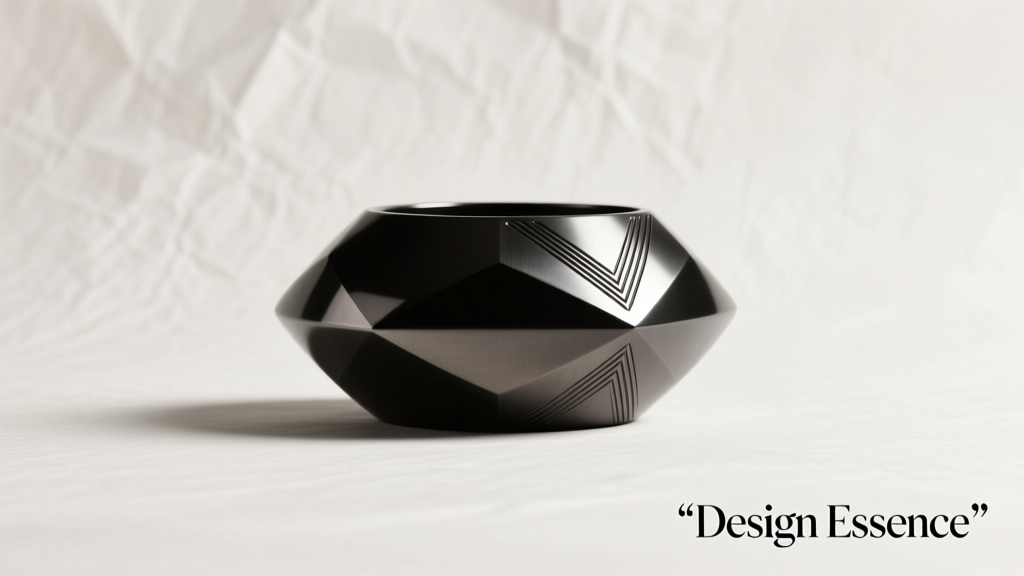
In response to evolving design trends, modern interpretations of the mudda stool often incorporate angular profiles, geometric outlines, and asymmetrical forms. These updated designs cater to contemporary tastes while preserving the stool’s essential character. Whether traditional or modern, the form of the mudda stool is carefully balanced to ensure proportionality, visual lightness, and ease of integration into diverse spaces.
Materials and Finish: Natural Durability Meets Innovation
At its core, the mudda stool is crafted from bamboo—a fast-growing, renewable resource prized for its strength-to-weight ratio and natural resistance to moisture and pests. The bamboo is typically treated with varnish or weather-resistant sealants, especially for outdoor use, to protect against UV exposure, humidity, and fungal growth.
To enhance durability and aesthetic contrast, many modern versions integrate galvanized steel or wrought iron components into the base or frame. These materials add structural reinforcement and a rustic-industrial flair, making the stool suitable for both indoor decor and garden settings. Additionally, synthetic fibers such as woven resin or recycled plastic are sometimes used for the seat surface, offering increased weather resistance and easier maintenance.
Cushioned variants feature removable, washable fabric covers in breathable materials like cotton-linen blends or outdoor-grade acrylics, combining comfort with practicality. These additions allow the mudda stool to transition seamlessly from functional utility to stylish accent furniture.
Color and Aesthetic: From Natural Neutrals to Bold Expressions
The natural tone of untreated bamboo ranges from warm beige to golden honey, with subtle variations depending on the age and species of the plant. This organic palette allows the mudda stool to blend effortlessly into earthy, minimalist, or Scandinavian-inspired interiors.
Modern adaptations expand the color spectrum significantly. Stains and dyes are applied to achieve finishes from deep walnut and espresso to whitewashed or gray-washed effects, aligning with current design trends. Some stools feature vibrant paint finishes or hand-painted motifs, transforming them into artistic centerpieces.
Graphic patterns, tribal prints, or laser-cut designs are increasingly incorporated into the seat or frame, adding cultural depth and visual interest. These aesthetic enhancements allow the mudda stool to serve not only as seating but also as a decorative statement that complements room themes and personal style.
Ergonomics and Comfort: Designed for Sustained Use
While the original mudda stool had a firm, un-cushioned seat suited for short-term use, contemporary versions prioritize comfort without sacrificing authenticity. The seat height and diameter are ergonomically calibrated to support a relaxed sitting posture, reducing strain on the lower back and legs during extended periods.
Modern ergonomic improvements include contoured seating surfaces, slight curvature for lumbar support, and the addition of padded cushions filled with high-density foam or memory foam. These upgrades make the stool suitable for lounging, reading, or casual conversation.
Stability is ensured through a well-proportioned base, often featuring splayed legs or a widened footprint to prevent tipping. The joints are tightly secured using traditional lashing techniques or modern fasteners, ensuring long-term durability and safety, even on uneven surfaces.
Portability and Space Efficiency: Lightweight and Practical
One of the defining advantages of the bamboo mudda stool is its lightweight nature, making it easy to move between rooms, patios, or event spaces. This portability enhances its utility in multifunctional homes, small apartments, or outdoor gatherings.
Many models are designed with stackability in mind—featuring tapered legs or recessed bases that allow multiple stools to be neatly stacked when not in use. This feature is particularly valuable in commercial settings like cafes, event venues, or compact urban dwellings where space optimization is essential.
The combination of light weight, easy storage, and modular design makes the mudda stool an intelligent choice for dynamic living environments that require flexible and adaptable furniture solutions.
| Design Feature | Traditional Mudda | Modern Adaptation |
|---|---|---|
| Shape | Rounded, circular form | Angular, geometric, or asymmetrical designs |
| Material | 100% bamboo | Bamboo with steel/iron reinforcement or synthetic fibers |
| Finish | Natural varnish or oil | Weatherproof coatings, stains, or paint finishes |
| Comfort | Hard, un-cushioned seat | Padded cushions with ergonomic shaping |
| Storage | Single-unit, non-stackable | Stackable and space-saving designs |
Key Design Considerations for Choosing a Mudda Stool
Note: While bamboo is naturally durable, untreated or poorly maintained mudda stools may degrade when exposed to prolonged moisture or direct sunlight. To extend the life of your stool, store it indoors during harsh weather or apply periodic resealing treatments. Always follow manufacturer care instructions to preserve both appearance and structural integrity.
Scenarios of Bamboo Mudda Stool: Versatile Uses Across Environments
The bamboo mudda stool is more than just a simple seat—it's a multifunctional, sustainable, and aesthetically pleasing piece of furniture that adapts effortlessly to various settings. Crafted from renewable bamboo, these stools combine durability, lightweight design, and natural elegance, making them ideal for both residential and commercial spaces. Below are key scenarios where bamboo mudda stools enhance functionality, comfort, and style.
Home Interior Eco-Friendly
Bamboo mudda stools are incredibly versatile in home environments, seamlessly integrating into living rooms, bedrooms, bathrooms, and even hallways. Their compact size and natural aesthetic make them perfect for small spaces or minimalist designs.
Key Uses:
- Extra seating for guests during gatherings
- Footrests to enhance comfort while lounging
- Side tables for lamps, books, or decorative items
- Stylish accents that complement modern, rustic, or Scandinavian interiors
Their warm, organic texture adds a calming element to any room, promoting a sense of tranquility and connection to nature. Being lightweight, they’re easy to move around, allowing flexible furniture arrangements.
Salon and Spa Hygienic Design
In professional beauty environments like salons and spas, bamboo mudda stools offer both practicality and elegance. They provide reliable seating for clients during treatments while supporting ergonomic positioning for staff.
Advantages in Professional Settings:
- Durable construction withstands daily use and frequent cleaning
- Smooth bamboo surfaces resist moisture and are easy to sanitize
- Available with cushioned tops for enhanced client comfort
- Natural appearance contributes to a serene, spa-like atmosphere
These stools support a clean, organic aesthetic that aligns with wellness-focused branding, making them a favorite among eco-conscious establishments.
Outdoor Settings Weather-Resistant
Specially treated bamboo mudda stools are excellent choices for patios, balconies, gardens, and poolside areas. They bring a touch of natural beauty to outdoor spaces while offering functional seating.
Ideal for:
- Al fresco dining or casual lounging
- Garden decoration and functional landscaping elements
- Outdoor entertaining with guests
- Lightweight, portable seating for changing arrangements
When finished with protective sealants, bamboo resists UV exposure, moisture, and temperature fluctuations, ensuring longevity even in variable weather conditions. Their earthy look blends naturally with greenery and outdoor décor.
Coffee Shops and Co-Working Spaces Modern Design
Contemporary cafes, lounges, and co-working environments increasingly incorporate bamboo mudda stools into their interior design. These spaces value sustainability, functionality, and visual appeal—all of which the mudda stool delivers.
Functional Benefits:
- Space-efficient design ideal for compact urban settings
- Promotes casual, collaborative environments for conversation and work
- Natural material reduces visual clutter and supports biophilic design principles
- Durable enough to handle high foot traffic and frequent use
Whether used at high-top tables or in lounge corners, bamboo stools create an inviting, modern atmosphere that appeals to environmentally aware customers and professionals alike.
Kid's Rooms and Play Areas Child-Safe
Bamboo mudda storage stools are particularly valuable in children’s spaces, combining safety, functionality, and fun. Their dual-purpose design makes them both practical and engaging for young users.
Why Parents and Educators Love Them:
- Storage compartments keep toys, books, and art supplies organized
- Lightweight enough for children to move safely on their own
- Sturdy construction ensures stability and reduces tipping risks
- Smooth, splinter-free bamboo surfaces are safe for little hands
- Natural material avoids exposure to harmful plastics or chemicals
These stools encourage independence and responsibility in children by giving them their own space to store belongings, while also serving as comfortable seating during reading or playtime.
Pro Tip: When selecting bamboo mudda stools for any environment, look for those with reinforced joints, non-toxic finishes, and optional cushioning for enhanced comfort. For outdoor or high-moisture areas, ensure the bamboo has been properly treated to resist warping and mold.
| Setting | Primary Use | Key Benefit | Lifespan (with care) |
|---|---|---|---|
| Home Interior | Seating, decor, side table | Enhances aesthetic & versatility | 5-8 years |
| Salon/Spa | Client & staff seating | Durable, easy to clean | 4-6 years |
| Outdoor Areas | Patios, gardens, balconies | Weather-resistant & portable | 3-5 years (sealed) |
| Cafes & Co-Working | Functional seating | Space-saving & modern look | 4-7 years |
| Kids' Rooms | Storage & seating | Safe, educational, organized | 6+ years |
Additional Considerations
- Sustainability: Bamboo is a rapidly renewable resource, making mudda stools an eco-conscious furniture choice
- Customization: Available in various heights, finishes, and with optional cushions or storage lids
- Maintenance: Wipe with a damp cloth; avoid prolonged water exposure to extend lifespan
- Weight Capacity: Most models support 250–300 lbs, suitable for diverse users
- Design Flexibility: Pairs well with rattan, wood, metal, and minimalist décor styles
Specification & Maintenance of Bamboo Mudda Stool
The bamboo mudda stool is a timeless piece of functional craftsmanship, blending natural aesthetics with practical seating. Originating from traditional designs, modern mudda stools are appreciated for their eco-friendliness, strength, and elegant simplicity. To ensure longevity and optimal condition, understanding its specifications and proper maintenance is essential. This guide covers durability, weight capacity, weather resistance, cleaning, pest control, and repair techniques to help you care for your bamboo mudda stool effectively.
Did You Know? Bamboo is one of the fastest-growing and most sustainable materials used in furniture. When properly treated and maintained, bamboo furniture can rival hardwood in strength and longevity while remaining lightweight and environmentally friendly.
Durability and Lifespan
The lifespan of a bamboo mudda stool largely depends on the thickness of the bamboo used, the quality of joinery, and the level of craftsmanship. High-quality traditional stools, when used indoors and protected from moisture, can last 5 to 7 years or more. Modern, professionally treated mudda stools—especially those with protective sealants—can exceed a decade of service with proper care.
Environmental factors such as humidity, direct sunlight, and exposure to water significantly affect longevity. Indoors, in a stable climate-controlled environment, bamboo resists warping and cracking. Outdoors, without proper treatment, the lifespan may be reduced due to moisture absorption and UV degradation.
Weight Capacity
Mudda stools are designed to support individuals of average build, with most standard models rated for a load capacity between 100–150 kg (220–330 lbs). This makes them suitable for everyday household use, including dining, decorative seating, or as a footrest.
Heavier-duty versions—often used for storage, outdoor patios, or commercial settings—are constructed with thicker bamboo poles and reinforced joints. These robust models can support over 200 kg (440 lbs), making them ideal for multi-purpose applications. Always check manufacturer specifications or consult a craftsman when using the stool for heavier loads.
| Stool Type | Typical Weight Capacity | Recommended Use | Construction Features |
|---|---|---|---|
| Lightweight / Decorative | 100–130 kg | Indoor, occasional use | Thin bamboo, minimal bracing |
| Standard Mudda Stool | 130–150 kg | Regular household seating | Balanced thickness, secure joints |
| Heavy-Duty / Garden Use | 150–200+ kg | Outdoor, storage, frequent use | Thick poles, reinforced frame |
Weatherproofing (For Outdoor Stools)
If your mudda stool is used outdoors, protecting it from the elements is crucial. Prolonged exposure to rain, humidity, and UV rays can lead to cracking, discoloration, and structural weakening.
To enhance weather resistance:
- Apply a marine-grade varnish or exterior bamboo sealant every 6–12 months to create a water-resistant barrier.
- Consider using UV-protective finishes to prevent fading and fiber degradation.
- Store the stool under a covered area or use a waterproof cover during rainy seasons.
- Use washable, mold-resistant cushions with quick-dry foam to prevent moisture retention.
Avoid leaving the stool in standing water or direct sunlight for extended periods to preserve its integrity.
Warning: Never use pressure washers or submerge bamboo furniture in water. Excessive moisture can cause swelling, splitting, and fungal growth, leading to irreversible damage.
Cleaning and Care
Regular cleaning helps maintain the appearance and hygiene of your mudda stool. Use a soft cloth or sponge lightly dampened with clean water. For light soiling, add a few drops of mild, pH-neutral soap. Gently wipe down all surfaces, paying attention to crevices where dust and debris may accumulate.
After cleaning:
- Dry the stool thoroughly with a clean towel.
- Allow it to air-dry completely before use or storage.
- Avoid harsh detergents, bleach, or abrasive scrubbers, as these can strip the natural oils and damage the bamboo surface.
Every 3–6 months, apply a bamboo-specific oil or natural wax (such as beeswax or linseed oil) to nourish the fibers, prevent drying, and restore the stool’s natural luster.
Pest Control
Bamboo is naturally resistant to many pests due to its dense fiber structure, but it can still be vulnerable to termites, powderpost beetles, and borers—especially in humid climates or if stored near soil.
To prevent infestation:
- Inspect the stool every few months for small holes, sawdust-like frass, or weak spots in the structure.
- Apply a borate-based wood preservative or bamboo-specific insect repellent as a preventive treatment.
- Keep the stool elevated off the ground and avoid placing it in damp, dark areas.
- If an infestation is detected early, treat the affected area with a non-toxic insecticidal solution and isolate the piece to prevent spread.
Repairs and Restoration
One of the advantages of bamboo furniture is its repairability. Loose joints or broken poles can often be fixed without replacing the entire stool.
Common repair methods include:
- Re-tightening or re-gluing loose joints using waterproof wood adhesive.
- Replacing damaged bamboo segments with matching pieces secured by bamboo pins or eco-friendly epoxy.
- Reinforcing weak areas with discreet bamboo splints or wraps.
- Reupholstering cushions with durable, fade-resistant fabric for both comfort and aesthetics.
When repairing, aim to preserve the stool’s original design and structural balance. Over-modification can compromise stability and visual appeal.
Expert Tip: To extend the life of your mudda stool, rotate its position periodically if used outdoors, and bring it indoors during extreme weather. Regular maintenance is far more effective—and economical—than replacement.
Summary of Best Practices
- Inspect your stool every 3–6 months for wear, pests, or moisture damage.
- Clean gently with water and mild soap; never use harsh chemicals.
- Apply protective oil or wax regularly to maintain flexibility and shine.
- Treat outdoor stools with weather-resistant sealants and store them properly.
- Address repairs promptly to prevent minor issues from becoming major problems.
- Respect weight limits and avoid overloading, especially on older or decorative models.
With thoughtful care and regular maintenance, your bamboo mudda stool can remain a durable, beautiful, and sustainable part of your home for many years. Whether used as a functional seat or a cultural accent, its natural charm and strength make it a worthwhile investment in eco-conscious living.
Frequently Asked Questions About Mudda Bamboo Stools
Q1: Is the Mudda stool suitable for outdoor use?Yes, Mudda stools are designed with outdoor environments in mind and can be used outside when properly treated. They are typically crafted from naturally resilient bamboo and finished with water-resistant sealants or protective coatings that enhance their durability against moisture, UV exposure, and temperature fluctuations.
- Weather Resistance: The bamboo is treated with protective oils or varnishes to prevent water absorption and cracking.
- Longevity Tips: For extended outdoor use, place the stool under a covered area or bring it indoors during heavy rain or winter months to maximize lifespan.
- Maintenance: Reapply water-resistant finishes annually to maintain protection and appearance.
While Mudda stools can withstand moderate outdoor conditions, prolonged exposure to harsh elements may reduce longevity without proper care.
Q2: How should one maintain a bamboo Mudda stool?Proper maintenance ensures your bamboo Mudda stool remains strong, attractive, and long-lasting. Bamboo is a natural material that benefits from regular care to preserve its integrity and finish.
- Cleaning: Wipe down the stool weekly with a soft, damp cloth to remove dust and spills. Avoid soaking or using excessive water.
- Bamboo-Specific Products: Use bamboo or wood conditioners and polishes every 2–3 months to nourish the fibers and prevent drying or splitting.
- Avoid Harsh Chemicals: Do not use abrasive cleaners, ammonia, or silicone-based sprays, as they can damage the finish and degrade the bamboo.
- Drying: If the stool gets wet, dry it immediately with a clean towel to prevent moisture buildup.
With consistent, gentle care, your Mudda stool will retain its natural beauty and structural strength for years.
Q3: Will a bamboo Mudda stool support significant weight?Yes, most Mudda stools are engineered for durability and can safely support between 100–200 kg (220–440 lbs), making them suitable for everyday use by adults of all sizes.
- Weight Capacity: The exact limit depends on the model and construction—check product specifications for precise ratings.
- Structural Integrity: Bamboo’s natural tensile strength rivals many hardwoods, contributing to the stool’s robust load-bearing capability.
- Usage Context: While safe for indoor use, ensure the surface is level and stable to prevent tipping or uneven stress.
- Outdoor Load Considerations: Prolonged outdoor exposure may slightly reduce strength over time, so periodic inspection is recommended.
When used as directed, Mudda stools offer reliable support and stability in both home and commercial settings.
Q4: Do Mudda stools follow a particular design style?The Mudda stool blends traditional craftsmanship with modern design, resulting in a versatile aesthetic that fits various interior and exterior styles.
- Traditional Form: The classic Mudda stool features a simple, round seat crafted from solid bamboo slats, reflecting minimalist and organic design principles rooted in Asian furniture traditions.
- Modern Variations: Contemporary versions may include ergonomic shaping, suspended bases, stackable designs, or mixed materials like metal or recycled composites for added functionality and visual appeal.
- Design Flexibility: Available in natural, stained, or painted finishes, Mudda stools complement rustic, Scandinavian, tropical, and urban decor themes.
Whether you prefer timeless simplicity or modern innovation, there's a Mudda stool design to match your space and taste.
Q5: Are Mudda stools environmentally sustainable?Yes, Mudda stools are considered a sustainable and eco-friendly furniture choice, primarily due to the use of bamboo—a rapidly renewable resource with significant environmental advantages over conventional hardwoods.
| Feature | Bamboo (Mudda Stool) | Traditional Hardwood |
|---|---|---|
| Growth Rate | Grows up to 1 meter per day; matures in 3–5 years. | Takes 20–100+ years to mature. |
| Carbon Sequestration | High—absorbs more CO₂ than most trees. | Moderate to high, but slower regeneration reduces impact. |
| Deforestation Impact | Minimal—does not require replanting (regenerates from roots). | Significant—often leads to habitat loss and soil erosion. |
| Chemical Use | Low—naturally pest-resistant; minimal processing required. | Often requires pesticides, preservatives, and intensive treatment. |
By choosing a Mudda bamboo stool, you're supporting sustainable forestry practices, reducing your carbon footprint, and investing in durable, biodegradable furniture. Many manufacturers also adhere to eco-conscious production methods, including non-toxic finishes and minimal waste packaging.









