Hardwood flooring is prized for its elegance, durability, and timeless appeal. Yet, even the most resilient wood surfaces face risks from daily wear, temperature fluctuations, and foot traffic. Enter area rugs—a practical and stylish solution that does more than just decorate a room. When strategically placed, area rugs offer significant protection to hardwood floors while enhancing thermal comfort and acoustic insulation. But are they truly worth the investment? The answer depends on understanding their functional value beyond aesthetics.
This article examines the tangible benefits of using area rugs over hardwood, focusing on floor protection, thermal performance, noise reduction, and long-term cost efficiency. Whether you're furnishing a new home or reevaluating your current setup, this guide provides evidence-based insights to help you make an informed decision.
Floor Protection: Shielding Hardwood from Damage
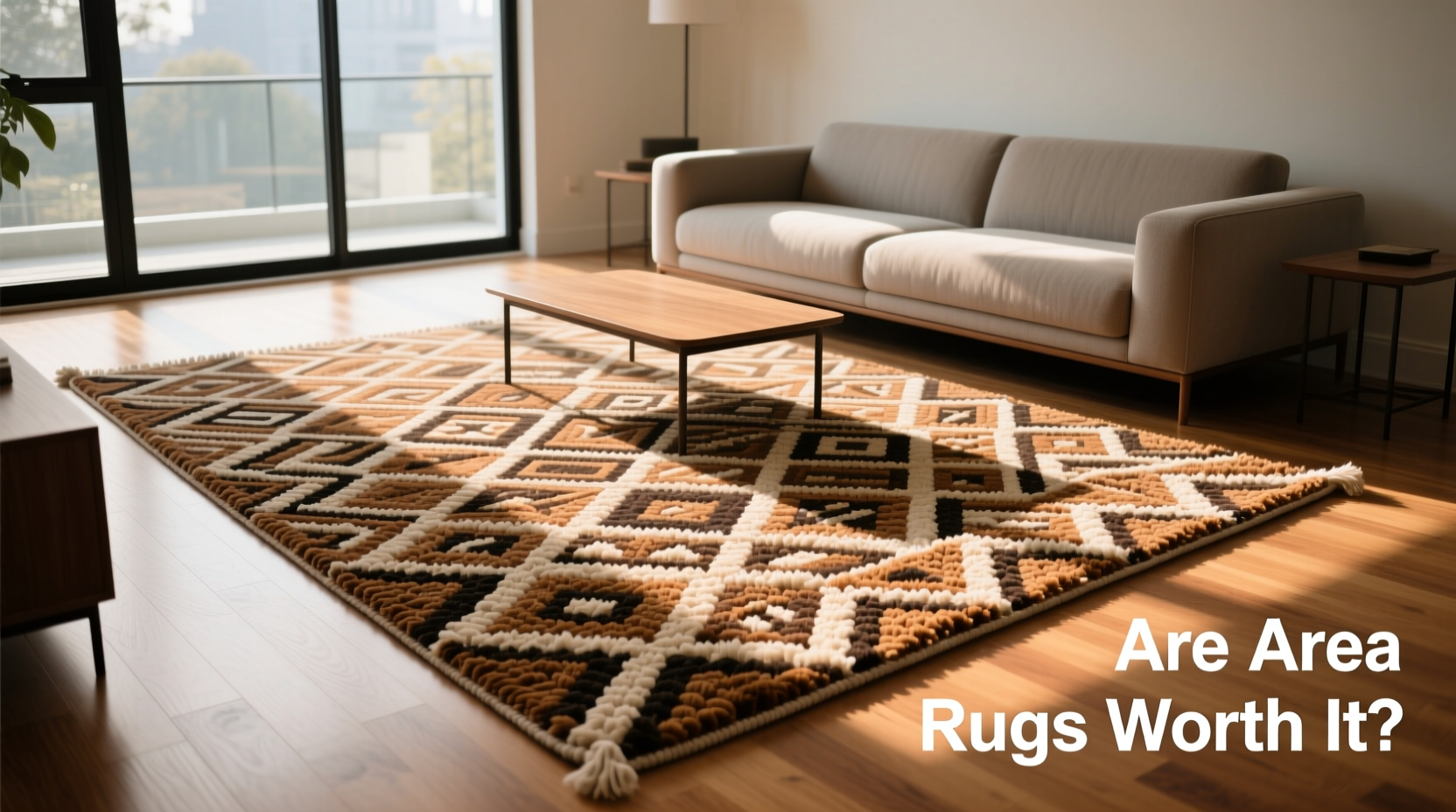
Hardwood floors are vulnerable to several types of damage, including scratches, dents, fading, and moisture exposure. Furniture legs, pet claws, high heels, and moving objects can all compromise the finish and integrity of wood over time. Area rugs act as a protective barrier, absorbing impact and minimizing direct contact between abrasive elements and the floor surface.
Rugs with non-slip backings or rug pads further enhance protection by preventing slippage that could cause micro-scratches during movement. High-traffic zones—such as hallways, living rooms, and entryways—benefit most from this shielding effect. According to flooring experts at the National Wood Flooring Association (NWFA), consistent use of area rugs in key areas can extend the lifespan of hardwood flooring by up to 30% when combined with proper maintenance.
“Rugs aren’t just decorative—they’re functional armor for your floors. In homes with active families or pets, they significantly reduce refinishing costs over time.” — Daniel Reeves, Certified Floor Inspector & NWFA ConsultantTip: Use felt pads under furniture legs even when placing them on rugs—this prevents fibers from being crushed and protects both the rug and floor if the rug shifts.
Thermal Insulation: Boosting Indoor Warmth
One of the most underrated advantages of area rugs is their ability to improve thermal comfort. Hardwood, while beautiful, conducts heat poorly and often feels cold underfoot, especially in winter months or homes with radiant heating systems. This can lead to increased reliance on central heating, driving up energy bills.
A quality area rug adds a layer of insulation that traps warm air near the floor, reducing heat loss through conduction. Studies from the U.S. Department of Energy indicate that floor coverings like rugs can reduce heat transfer by up to 15%, contributing to noticeable improvements in perceived room temperature.
The insulating effect varies depending on rug thickness and material. For example:
| Rug Material | Insulation Value (R-factor approx.) | Cold Floor Mitigation |
|---|---|---|
| Wool | 1.2–1.8 | Excellent – naturally insulating and breathable |
| Synthetic (Polypropylene) | 0.8–1.2 | Good – affordable and moisture-resistant |
| Cotton (Flatweave) | 0.5–0.7 | Moderate – thin but soft underfoot |
| Shag or Plush Rugs | 1.5–2.0+ | Superior – thick pile retains heat effectively |
In colder climates, pairing a dense wool rug with a high-quality foam or rubber rug pad can create a thermal buffer equivalent to low-pile carpeting—without sacrificing the look of exposed hardwood edges or requiring full-room installation.
Noise Reduction and Acoustic Comfort
Another overlooked benefit of area rugs is sound dampening. Hardwood floors reflect sound waves, contributing to echo, reverberation, and overall noisiness—particularly problematic in open-concept homes or multi-level dwellings. Footsteps, dropped items, and household activity become amplified without soft surfaces to absorb vibrations.
Area rugs, especially those with padding, reduce airborne and impact noise by up to 50% in some cases. This makes them ideal for upstairs bedrooms, home offices, or apartments where noise transmission is a concern. A study published in the *Journal of Building Acoustics* found that medium-pile rugs with underlay reduced impact sound pressure levels by nearly 10 decibels—equivalent to halving the perceived loudness.
Beyond technical metrics, the experiential improvement matters. Families report quieter mornings, less disruptive pet movement, and improved focus in work-from-home environments after introducing rugs in critical zones.
Tip: Place rugs under dining chairs and near doorways where chair scraping and footfall noise are most frequent.Real-Life Example: The Johnson Family’s Living Room Transformation
The Johnsons moved into a 1920s bungalow featuring original oak hardwood throughout the main floor. While they loved the character of the wood, they quickly noticed issues: their toddler’s toy trucks left fine scratches, the room felt drafty in winter, and conversations in the open-plan living-dining area were drowned out by echoing voices.
After consulting an interior designer, they installed a 9x12 ft hand-tufted wool rug anchored under the living area furniture, paired with a dense rubber rug pad. Within weeks, they observed marked changes: the floor showed no new scratches despite daily play, bare feet stayed warmer, and background noise dropped noticeably.
Two years later, during a routine inspection, their floor specialist noted that the protected section retained its original luster, while unprotected hallways required minor buffing. The family estimated they saved over $800 in potential refinishing costs by preserving the floor’s condition with strategic rug placement.
Selecting the Right Rug: A Practical Checklist
Not all rugs deliver equal protection or warmth. To maximize value, consider the following factors before purchasing:
- Determine traffic level: High-traffic areas need durable, low-pile rugs (e.g., flatweave or tightly woven wool).
- Choose natural fibers for insulation: Wool offers superior warmth and resilience compared to synthetics.
- Always use a rug pad: Prevents slipping, enhances cushioning, and improves insulation.
- Ensure proper sizing: Rugs should be large enough to fit under front legs of sofas and chairs to anchor the space and protect high-wear zones.
- Check backing compatibility: Avoid vinyl or latex backings that may trap moisture or discolor wood finishes.
- Maintain cleaning access: Rotate rugs every 6–12 months to prevent uneven fading and clean underneath regularly.
“Size matters more than people think. A too-small rug creates a ‘floating island’ effect and leaves vulnerable areas exposed. Go bigger than you think.” — Lena Torres, Interior Designer & Sustainable Materials Advocate
Cost-Benefit Analysis: Are Rugs a Smart Investment?
At first glance, high-quality area rugs may seem like a luxury expense. Prices range from $100 for basic synthetic options to over $1,000 for artisanal wool pieces. However, when viewed as protective tools rather than mere decor, their long-term value becomes clear.
Consider this breakdown:
- Average hardwood refinishing cost: $3–$8 per square foot (source: HomeAdvisor, 2023).
- Typical cost to refinish a 200 sq ft living room: $600–$1,600.
- Cost of a quality 9x12 ft wool rug + pad: $500–$1,200.
If a rug delays the need for refinishing by just one cycle—typically needed every 7–10 years—it pays for itself. Add in energy savings from improved insulation and reduced noise-related stress, and the return on investment grows further.
Moreover, rugs are portable. Unlike wall-to-wall carpeting, they can be moved, rotated, or repurposed in different rooms as needs change, offering flexibility that permanent flooring solutions lack.
Frequently Asked Questions
Can area rugs damage hardwood floors if left in place too long?
Generally, no—if the rug is clean and properly ventilated. However, prolonged use without rotation can lead to color fading differences (sunlight exposure) or moisture buildup in humid climates. Using breathable natural fibers and lifting the rug quarterly for cleaning minimizes risks.
Do rugs eliminate the need for floor refinishing entirely?
No, but they significantly delay it. Even with rugs, hardwood will eventually require refinishing due to aging and edge wear. However, rugs concentrate protection on high-impact zones, preserving the floor’s overall condition and reducing the frequency of full refinishing.
What type of rug pad is best for hardwood protection?
Felt-rubber hybrid pads are ideal. They provide cushioning, grip without adhesives, and breathability. Avoid adhesive-backed or solid vinyl pads, which can stick to or stain wood finishes.
Conclusion: A Strategic Addition to Any Hardwood Space
Area rugs are far more than decorative accents—they are functional investments that enhance the longevity, comfort, and performance of hardwood floors. By shielding against scratches, improving thermal efficiency, and reducing noise, they address core challenges associated with wood flooring in everyday living environments.
Their value extends beyond immediate utility. A well-chosen rug unifies a room’s design, defines spaces in open layouts, and adapts to evolving needs over time. When selected thoughtfully and maintained properly, an area rug doesn’t just sit on top of your floor—it actively preserves it.
💬 Ready to protect your hardwood and elevate your comfort? Assess your high-traffic zones today and choose a rug that combines beauty, durability, and function. Your floors—and your feet—will thank you.








