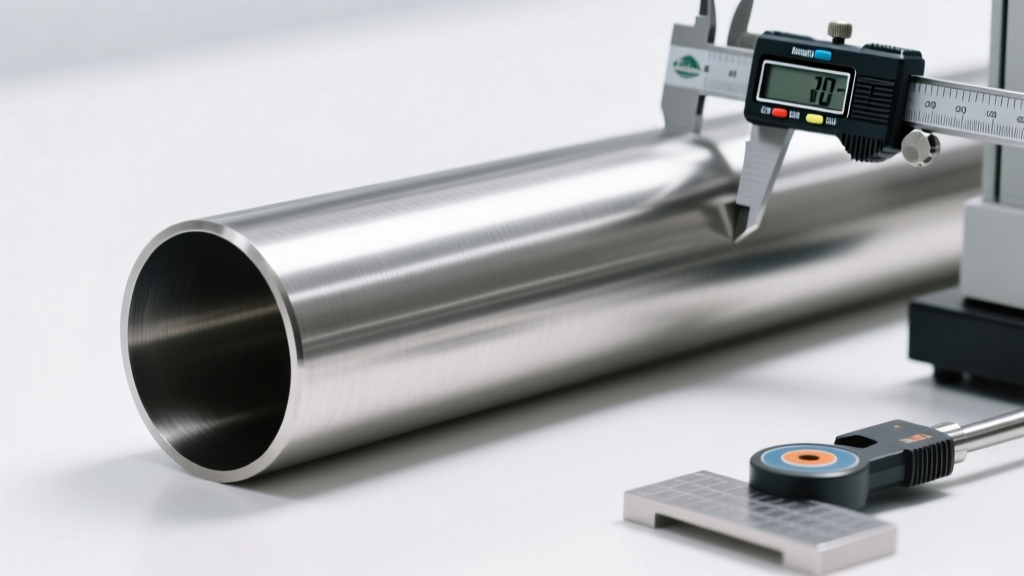
Types of Stainless Steel Pipes
Stainless steel pipes are essential components in numerous industrial, commercial, and residential applications due to their excellent corrosion resistance, strength, and durability. These pipes are categorized based on their manufacturing process, surface treatment, shape, and intended use. Understanding the different types helps in selecting the right pipe for specific engineering and operational needs.
The primary types of stainless steel pipes include seamless, welded, annealed, electropolished, and hexagonal variants—each offering unique benefits tailored to particular environments and performance requirements.
Seamless Stainless Steel Pipes
Manufactured from solid billets without any welding seams, these pipes are formed through a process involving heating, piercing, and rolling to achieve desired dimensions.
Advantages
- High strength and pressure resistance
- No weak points from welds
- Excellent for high-temperature environments
- Uniform wall thickness and structural integrity
Limitations
- Higher production cost
- Longer manufacturing time
- Limited availability in large diameters
Best for: Oil & gas pipelines, boiler systems, chemical processing, and high-pressure hydraulic systems
Welded Stainless Steel Pipes
Formed by rolling stainless steel sheets or coils into a cylindrical shape and then welding the seam using TIG or laser techniques.
Advantages
- Cost-effective production
- Available in long continuous lengths
- Precise dimensional control
- Suitable for low to medium pressure applications
Limitations
- Weld zone may be a potential weak point
- May require post-weld heat treatment
- Lower pressure tolerance than seamless
Best for: Structural frameworks, water supply lines, HVAC systems, and low-pressure fluid transport
Annealed Stainless Steel Pipes
Subjected to a controlled heat treatment process (annealing) to relieve internal stresses, enhance ductility, and improve corrosion resistance.
Advantages
- Improved formability and machinability
- Enhanced resistance to stress corrosion cracking
- Softer and more flexible structure
- Ideal for bending and shaping operations
Limitations
- Reduced hardness compared to non-annealed types
- Requires careful handling post-treatment
- May need protective packaging to prevent oxidation
Best for: High-temperature applications, aerospace components, and parts requiring extensive fabrication
Electropolished Stainless Steel Pipes
Treated with an electrochemical process that removes microscopic surface imperfections, resulting in a smooth, clean, and highly corrosion-resistant finish.
Advantages
- Superior surface finish (Ra ≤ 0.5 µm)
- Enhanced corrosion and microbial resistance
- Reduced friction and improved flow efficiency
- Removes embedded contaminants and oxide layers
Limitations
- Higher processing cost
- Not suitable for structural reinforcement
- Limited mechanical strength improvement
Best for: Pharmaceutical, food & beverage, biotechnology, and semiconductor industries
Hexagonal Stainless Steel Pipes
Non-cylindrical pipes with a six-sided cross-section, designed for specialized mechanical and aesthetic applications.
Advantages
- Prevents rotational movement in fittings
- Unique visual appeal for architectural designs
- Improved grip and tool engagement
- Customizable for niche engineering needs
Limitations
- Not suitable for fluid transport
- Limited standardization and availability
- Higher fabrication complexity
Best for: Machinery shafts, handrails, decorative elements, and precision equipment frames
| Type | Manufacturing Method | Pressure Rating | Surface Quality | Primary Applications |
|---|---|---|---|---|
| Seamless | Piercing & drawing | Very High | Smooth, uniform | Oil & gas, chemical plants |
| Welded | Roll forming + welding | Low to Medium | Good (weld seam visible) | HVAC, water systems |
| Annealed | Heat treatment | High (after treatment) | Soft, stress-free | Aerospace, high-temp systems |
| Electropolished | Electrochemical finishing | Medium | Ultra-smooth, reflective | Pharma, food processing |
| Hexagonal | Extrusion or machining | N/A (structural) | Custom finish | Machinery, architecture |
Expert Tip: When selecting stainless steel pipes for critical applications, always verify the ASTM or ISO standards (e.g., ASTM A312 for seamless/welded pipes) to ensure compliance with required mechanical and chemical properties.
Did You Know? Electropolishing can improve the corrosion resistance of stainless steel by up to 30% by removing free iron and inclusions from the surface layer, making it ideal for sterile environments.
Key Features and Applications of Stainless Steel Pipe 1
Stainless steel pipe 1 is a high-performance engineering component widely used across industries due to its superior material properties. These advantages stem from its precise alloy composition, robust structural design, and excellent surface characteristics. Its versatility makes it ideal for demanding environments where reliability, longevity, and hygiene are critical.
Detailed Breakdown of Core Features
Corrosion Resistance
The standout feature of stainless steel pipe 1 is its exceptional resistance to corrosion. This property arises from its alloy composition—primarily iron, chromium (typically 10.5% or higher), and nickel. When exposed to oxygen, chromium reacts to form a thin, invisible, and self-healing layer of chromium oxide on the surface.
This passive layer acts as a protective barrier, preventing moisture, chemicals, and chlorides from reaching the underlying metal. As a result, the pipes resist rusting and pitting, even in aggressive environments such as marine settings, chemical processing plants, and wastewater systems. This makes them especially valuable in offshore platforms, desalination plants, and food processing facilities where exposure to saltwater or acidic substances is common.
High Durability
Stainless steel pipe 1 exhibits remarkable durability due to the synergistic effects of chromium and nickel in its microstructure. These elements enhance toughness, reduce wear, and improve resistance to mechanical stress. The pipes maintain integrity under continuous operational loads, vibrations, and impacts typical in industrial machinery and heavy-duty equipment.
Because of this resilience, stainless steel pipes require minimal maintenance and have a significantly longer service life compared to carbon steel or plastic alternatives. This durability translates into reduced downtime, lower replacement costs, and improved return on investment—making them a preferred choice in oil and gas, power generation, and manufacturing sectors.
Temperature Resistance
One of the most versatile attributes of stainless steel pipe 1 is its ability to perform reliably across extreme temperature ranges. It retains structural strength at both cryogenic temperatures (as low as -200°C) and elevated temperatures (up to 800–900°C, depending on grade).
This thermal stability makes it indispensable in applications such as liquefied natural gas (LNG) storage, aerospace propulsion systems, exhaust ducting, and furnace components. In HVAC systems and industrial boilers, stainless steel pipes efficiently handle thermal cycling without warping or cracking, ensuring consistent performance and safety over time.
Mechanical Strength
Stainless steel pipe 1 possesses high tensile and yield strength, enabling it to withstand significant internal pressure, external loads, and mechanical deformation. Its strength-to-weight ratio is favorable for structural applications where load-bearing capacity is essential without adding excessive weight.
These properties make the pipes suitable for use in construction frameworks, support columns, hydraulic systems, and automotive exhaust assemblies. Additionally, their resistance to fatigue and creep under sustained stress enhances safety in critical infrastructure projects and high-pressure fluid conveyance systems.
Surface Finish & Hygiene Properties
The surface of stainless steel pipe 1 can be precision-polished to achieve a smooth, non-porous, and reflective finish. This not only enhances aesthetic appeal but also plays a crucial role in maintaining hygiene and cleanliness.
The smooth surface inhibits the adhesion and growth of bacteria, mold, and other pathogens, making these pipes ideal for sterile environments such as hospitals, pharmaceutical production lines, dairy processing plants, and breweries. Their non-reactive nature ensures no contamination of fluids or gases passing through, preserving product purity and meeting stringent regulatory standards like FDA, USDA, and 3-A Sanitary Standards.
| Feature | Industrial Relevance | Common Applications |
|---|---|---|
| Corrosion Resistance | High – Essential for longevity in harsh environments | Chemical processing, marine engineering, water treatment |
| High Durability | High – Reduces maintenance and replacement frequency | Oil & gas pipelines, power plants, heavy machinery |
| Temperature Resistance | Very High – Performs under thermal extremes | Cryogenics, aerospace, industrial heating systems |
| Mechanical Strength | High – Supports structural and high-pressure uses | Construction, automotive, hydraulic systems |
| Hygienic Surface Finish | Critical – Ensures contamination-free operation | Food & beverage, pharmaceuticals, healthcare |
Why Choose Stainless Steel Pipe 1?
Important: While stainless steel pipe 1 offers excellent performance, proper selection of the specific grade (e.g., 304, 316, 321) is crucial based on environmental conditions. For example, Grade 316 is recommended for marine or chloride-rich environments due to added molybdenum. Always consult material specifications and application guidelines to ensure optimal performance and safety.
How to Choose Stainless Steel Pipe: A Comprehensive Guide
Selecting the right stainless steel pipe is a critical decision that impacts system performance, durability, and safety across industrial, commercial, and residential applications. With numerous grades, dimensions, and specifications available, understanding the key selection criteria ensures optimal functionality and long-term reliability. Below is a detailed breakdown of the most important factors to consider when choosing stainless steel pipe.
Pipe Material Grade
Stainless steel comes in various grades, each engineered for specific environments and performance demands. The choice of grade directly affects corrosion resistance, strength, temperature tolerance, and cost.
- Grade 304 (A2 Stainless): Offers excellent corrosion resistance and formability, making it ideal for food processing, plumbing, and general industrial use. It contains 18% chromium and 8% nickel.
- Grade 316 (A4 Stainless): Superior to 304 due to the addition of 2–3% molybdenum, which significantly enhances resistance to chlorides, acids, and marine environments. Commonly used in coastal installations, chemical processing, and pharmaceutical systems.
- Other Grades: 321 (stabilized for high-temperature applications), 310 (excellent heat resistance), and duplex grades (e.g., 2205) for high-strength, corrosive environments.
Key Tip: In saline or chemically aggressive environments, always opt for 316 or higher-grade stainless steel to prevent premature failure.
Pipe Diameter and Wall Thickness
The physical dimensions of a stainless steel pipe—specifically outer diameter (OD) and wall thickness—are crucial for determining flow capacity, pressure rating, and structural integrity.
- Diameter: Larger diameters allow higher flow rates and are essential in high-volume applications like water distribution, HVAC, and oil & gas pipelines.
- Wall Thickness: Measured using schedules (e.g., Sch 10, Sch 40, Sch 80), thicker walls provide greater pressure resistance and durability under mechanical stress or high temperatures.
- Common sizing standards include NPS (Nominal Pipe Size) in inches and DN (Diameter Nominal) in millimeters.
Engineering Note: Always match pipe dimensions to system pressure requirements and fluid dynamics to avoid turbulence, erosion, or pressure drops.
Pipe Length and Fittings Compatibility
Proper system integration depends on selecting the correct pipe length and compatible fittings to minimize joints, reduce leakage risks, and ensure ease of installation.
- Standard pipe lengths are typically 20 feet (6 meters), but custom cuts are available for specific project needs.
- Fittings must match the pipe’s threading standard—common types include NPT (National Pipe Taper), BSP (British Standard Pipe), and sanitary tri-clamp connections for hygienic applications.
- Welded, flanged, or compression fittings should be made from the same or compatible grade to prevent galvanic corrosion.
Installation Insight: Pre-fabricated sections with welded fittings reduce on-site labor and improve system integrity.
Standards and Certification
Compliance with recognized industry standards ensures quality, safety, and performance consistency. Certified pipes undergo rigorous testing for material composition, dimensional accuracy, and mechanical properties.
- ASTM Standards: ASTM A312 (seamless/welded pipes), ASTM A778 (welded pipe for general services), and ASTM A358 (electric-fusion welded pipe for corrosive environments).
- ANSI/ASME: Governs pressure ratings and flange dimensions (e.g., ASME B36.19 for stainless steel pipe dimensions).
- Other Certifications: ISO 9001 (quality management), PED (Pressure Equipment Directive) for EU markets, and NSF/ANSI 61 for potable water systems.
Quality Assurance: Always request mill test reports (MTRs) to verify chemical composition and mechanical properties.
Application Requirements
The intended use of the stainless steel pipe dictates the required material properties, design, and installation method. Different industries have unique demands based on environment, media transported, and operational conditions.
- Construction & Architecture: Used for handrails, structural supports, and façades due to aesthetic appeal and weather resistance.
- Food & Beverage: Requires sanitary finishes (e.g., electropolished interiors) and compliance with FDA and 3-A standards to prevent contamination.
- Chemical Processing: Demands high corrosion resistance; 316L (low carbon) is preferred to avoid sensitization during welding.
- Marine & Offshore: Saltwater exposure necessitates 316 or super-austenitic grades like 904L for long-term reliability.
Critical Factor: Match the pipe grade and finish to the specific media (e.g., acids, steam, drinking water) and environmental conditions.
Surface Finish and Fabrication Needs
Beyond material and dimensions, the surface finish affects cleanliness, corrosion resistance, and appearance—especially in sensitive environments.
- Mechanical Polishing: Provides a smooth, reflective finish suitable for architectural and decorative uses.
- Electropolishing: Removes surface impurities and enhances corrosion resistance; essential for pharmaceutical and semiconductor industries.
- Passivation: Treats the surface to remove free iron and improve natural oxide layer formation.
- Consider weldability, bending, and machining requirements during selection—some grades are more fabrication-friendly than others.
Pro Tip: For hygienic or high-purity applications, specify Ra (roughness average) values below 0.8 µm.
Professional Recommendation: When selecting stainless steel pipe, prioritize material compatibility with the operating environment over initial cost. While 304 is economical and widely used, upgrading to 316 or duplex grades can significantly extend service life in aggressive conditions, reducing maintenance and replacement costs over time. Always consult engineering specifications and involve suppliers early in the design phase to ensure optimal performance and code compliance.
| Application Type | Recommended Grade | Key Features | Common Standards |
|---|---|---|---|
| Potable Water Systems | 304 / 304L | Corrosion-resistant, clean finish | ASTM A312, NSF/ANSI 61 |
| Marine & Coastal | 316 / 316L | Chloride resistance, durable | ASTM A312, ASTM A778 |
| Chemical Processing | 316L / 904L / 2205 | Acid-resistant, high strength | ASTM A358, ASME B31.3 |
| Food & Pharmaceutical | 316L (electropolished) | Hygienic, smooth surface | 3-A, FDA, ASME BPE |
| High-Temperature Systems | 321 / 310 | Oxidation-resistant, stable | ASTM A213, ASME SA213 |
Additional Considerations
- Cost vs. Longevity: Higher-grade stainless steel may have a higher upfront cost but offers better ROI through extended service life and reduced downtime.
- Environmental Exposure: Consider humidity, salt spray, UV radiation, and temperature fluctuations when selecting material and finish.
- Sustainability: Stainless steel is 100% recyclable and ideal for green building projects (LEED certified).
- Welding Requirements: Use low-carbon grades (304L, 316L) or stabilized grades (321, 347) to prevent intergranular corrosion in welded joints.
- Supplier Reliability: Choose suppliers with traceable certifications, consistent quality control, and technical support.
Essential Precautions for Handling and Storing Stainless Steel Pipes
Stainless steel pipes are widely used in industrial, commercial, and residential applications due to their durability, corrosion resistance, and aesthetic appeal. However, to preserve their structural integrity, performance, and surface finish, proper handling and storage practices are crucial. This guide outlines key precautions to ensure your stainless steel pipes remain in optimal condition from delivery to installation.
Important Note: Even minor damage during handling or improper storage can compromise the corrosion resistance and mechanical strength of stainless steel pipes. Always follow best practices to avoid costly replacements and safety hazards.
Key Precautions When Handling & Storing Stainless Steel Pipes
- Prevent Dents and Deformation
Stainless steel, while strong, is malleable and ductile—making it susceptible to bending, kinking, or denting under impact or improper load. Dropping pipes, allowing heavy objects to rest on them, or dragging them across surfaces can cause permanent deformation that affects both performance and appearance.
To prevent damage:
- Use proper lifting equipment such as slings, cradles, or forklifts with padded arms
- Never drop or throw pipes during transport or installation
- Avoid stacking excessive weight on top of stored pipes
- Support long sections at multiple points to prevent sagging or bending
- Store in a Controlled Environment
Improper storage can lead to surface contamination, moisture buildup, and premature corrosion. Whether in a warehouse, retail setting, or job site, the storage area must be carefully managed.
Recommended storage practices include:
- Keep pipes in a dry, well-ventilated area away from humidity and water exposure
- Avoid direct sunlight, which can cause thermal expansion and degrade protective packaging
- Elevate pipes off the ground using wooden skids or racks to prevent contact with dirt and moisture
- Use pipe racks or shelving to prevent rolling, scratching, or mechanical damage
- Cover pipes with breathable protective wraps if stored long-term
- Wear Appropriate Personal Protective Equipment (PPE)
Handling stainless steel pipes poses physical risks, especially when pipes have sharp edges or burrs from cutting. Safety should always be a priority during transportation, cutting, or installation.
Essential PPE includes:
- Heavy-duty gloves – to protect against cuts, abrasions, and pinch injuries
- Safety goggles or face shields – to guard against flying metal shavings or debris during cutting or grinding
- Steel-toed boots – to protect feet from falling pipes
- Long sleeves and protective clothing – to minimize skin contact with sharp edges
- Use Tools Designed for Stainless Steel
Using incorrect tools can damage the pipe surface, compromise structural integrity, and reduce corrosion resistance. Stainless steel work-hardens quickly, so improper cutting or shaping can create cracks or burrs.
Best practices for tool selection:
- Use carbide-tipped saw blades or titanium-coated cutting tools for clean, precise cuts
- Avoid carbon steel tools that can leave behind iron particles (a major cause of rust spots)
- Ensure tools are sharp and properly maintained to prevent galling or overheating
- Use non-metallic brushes (e.g., nylon or stainless steel-specific brushes) for cleaning
- Prevent Contact with Other Metals (Galvanic Corrosion)
One of the most critical—but often overlooked—risks is galvanic corrosion. When stainless steel comes into electrical contact with a dissimilar metal (like carbon steel, aluminum, or copper) in the presence of an electrolyte (such as moisture), a galvanic cell forms, accelerating corrosion of the less noble metal.
To prevent galvanic corrosion:
- Store stainless steel pipes separately from other metals
- Use insulating materials (e.g., plastic spacers, rubber gaskets, or dielectric unions) when connecting to other metals in piping systems
- Avoid using carbon steel fasteners, supports, or hangers in direct contact with stainless steel
- Keep storage racks and handling equipment free of ferrous contamination
This is especially important in marine, chemical, and high-humidity environments where electrolytes are more prevalent.
| Precaution | Risk if Ignored | Best Practices | Tools/Materials Needed |
|---|---|---|---|
| Avoid Dents & Deformation | Reduced structural integrity, misalignment in installation | Proper lifting, multi-point support, no dragging | Slings, padded forklifts, cradles |
| Proper Storage | Moisture retention, surface staining, corrosion | Dry, covered, elevated storage with airflow | Pipe racks, wooden skids, breathable wraps |
| Use PPE | Cuts, eye injuries, foot trauma | Mandatory gloves, goggles, and protective gear | Safety gloves, goggles, steel-toed boots |
| Correct Tools | Surface damage, burrs, work hardening | Stainless-specific cutting and shaping tools | Carbide blades, non-ferrous brushes, coolant |
| Prevent Metal Mixing | Galvanic corrosion, pitting, system failure | Insulation, separation, dielectric fittings | Plastic spacers, rubber gaskets, isolation tape |
Pro Tip: After cutting or modifying stainless steel pipes, always perform a passivation or pickling treatment to restore the protective chromium oxide layer. This helps maintain corrosion resistance, especially in critical environments like food processing, pharmaceuticals, or marine applications.
Additional Recommendations
- Label stored pipes clearly to avoid confusion with carbon steel or other alloys
- Train personnel on proper handling and material compatibility
- Inspect pipes regularly during storage for signs of corrosion or damage
- Keep cutting and welding areas clean and dedicated to stainless steel to avoid cross-contamination
- Follow ASTM or ISO standards for handling and storage when applicable
By following these precautions, you can significantly extend the service life of stainless steel pipes, maintain their aesthetic quality, and ensure reliable performance in demanding applications. Remember: stainless steel may be corrosion-resistant, but it is not maintenance-free. Proper care from the moment of delivery ensures long-term success in any project.
Frequently Asked Questions About Stainless Steel Pipes
Q1: Does stainless steel pipe 1 rust?No, stainless steel pipes are highly resistant to rust due to their unique chemical composition. Unlike regular carbon steel, stainless steel contains a minimum of 10.5% to 11% chromium by mass. This chromium reacts with oxygen in the air to form a thin, invisible, and self-repairing layer of chromium oxide on the surface—commonly known as the passive layer. This protective barrier prevents further oxidation (rusting), even when exposed to moisture, humidity, or mild weather conditions.
However, it's important to note that "stainless" does not mean "stain-proof." Under certain aggressive conditions, stainless steel can still corrode. Exposure to high concentrations of chlorides (such as saltwater or de-icing salts), acidic environments, or pollutants can compromise the passive layer and lead to localized corrosion, including pitting or crevice corrosion. Therefore, proper selection of the stainless steel grade (e.g., 304 vs. 316 for marine environments) and regular maintenance—like rinsing and cleaning—are essential to preserve the pipe’s integrity and longevity.
Q2: Are stainless steel pipes worth the hype?Absolutely—stainless steel pipes live up to—and often exceed—their reputation for performance and aesthetics. While they may have a higher initial cost compared to galvanized or carbon steel pipes, their long-term benefits make them a smart investment across residential, commercial, and industrial applications.
- Exceptional Durability: Stainless steel is highly resistant to impact, extreme temperatures, and wear, ensuring a lifespan that often exceeds 50 years with minimal maintenance.
- Corrosion Resistance: As previously mentioned, the chromium oxide layer provides outstanding protection against rust and chemical degradation.
- Aesthetic Appeal: With a naturally sleek, shiny finish, stainless steel enhances modern architectural designs and is frequently used in visible installations like handrails, kitchen fixtures, and façade elements.
- Hygienic Properties: Its non-porous surface resists bacterial growth, making it ideal for food processing, pharmaceuticals, and healthcare environments.
- Sustainability: Stainless steel is 100% recyclable, contributing to greener building practices and reduced environmental impact.
From both functional and visual standpoints, stainless steel pipes offer unmatched value, justifying their widespread use and positive reputation.
Q3: How can stainless steel pipes be protected from corrosion and other adverse effects?While stainless steel is inherently corrosion-resistant, it is not immune to all forms of degradation. One of the most critical threats is galvanic corrosion, which occurs when stainless steel comes into electrical contact with a more noble metal (like copper) in the presence of an electrolyte (such as water or moisture). This electrochemical reaction can accelerate the deterioration of less noble metals and compromise stainless steel components over time.
To mitigate this risk and enhance protection:
- Sacrificial Anodes: Installing anodes made from more electrochemically active metals—such as magnesium, zinc, or aluminum—can protect stainless steel by allowing the anode to corrode first. These are commonly used in marine environments, water heaters, and underground piping systems.
- Insulating Materials: Using dielectric unions or non-conductive gaskets prevents direct metal-to-metal contact between dissimilar metals, breaking the electrical circuit that causes galvanic corrosion.
- Proper Storage & Handling: During transportation and storage, keep stainless steel pipes covered and elevated off the ground to avoid contact with carbon steel debris or corrosive substances. Use nylon or plastic slings instead of steel cables to prevent surface contamination.
- Regular Cleaning: Remove dirt, salt deposits, and chlorides with mild detergent and water. Avoid chlorine-based cleaners or steel wool, which can damage the passive layer.
- Passivation Treatment: A chemical process that enhances the natural oxide layer, improving corrosion resistance—especially after fabrication or welding.
Implementing these protective measures ensures stainless steel pipes maintain their structural integrity and performance over decades of service.
Q4: What are some common applications of stainless steel pipes?Thanks to their strength, corrosion resistance, and aesthetic versatility, stainless steel pipes are used across a wide range of industries and settings. Their adaptability makes them a preferred choice where reliability and hygiene are paramount.
| Industry | Application | Key Benefits |
|---|---|---|
| Chemical Processing | Piping systems for acids, solvents, and reactive chemicals | Resists chemical corrosion and maintains purity of transported substances |
| Oil & Gas | Offshore platforms, refineries, and pipeline infrastructure | Withstands high pressure, temperature extremes, and seawater exposure |
| Construction & Architecture | Structural supports, railings, façades, and roofing | High strength-to-weight ratio, modern appearance, and weather resistance |
| Food & Beverage | Processing lines, storage tanks, and sanitary piping | Non-reactive, easy to clean, and compliant with health regulations |
| Pharmaceuticals | Cleanroom piping, fluid transfer systems | Prevents contamination and supports sterile environments |
| Marine | Boat fittings, exhaust systems, and desalination plants | Excellent resistance to saltwater corrosion (especially grade 316) |
| Automotive & Aerospace | Exhaust systems, hydraulic lines, and engine components | Heat resistance and durability under stress |
From industrial heavy-duty uses to elegant architectural features, stainless steel pipes continue to be a cornerstone material in modern engineering and design.