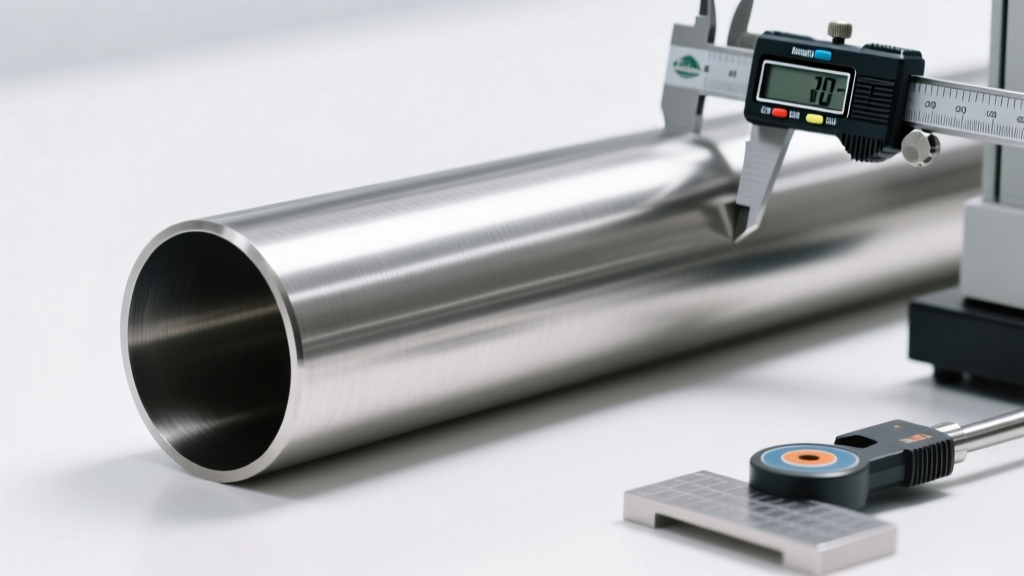
Types of 201 Stainless Steel Pipes in Bangladesh
201 stainless steel pipes are widely used across Bangladesh due to their cost-effectiveness, moderate corrosion resistance, and strength-to-weight ratio. These pipes are ideal for applications where high-grade stainless steel like 304 or 316 is not required, making them a popular choice in construction, plumbing, and light industrial uses. Below is a comprehensive breakdown of the various types of 201 stainless steel pipes available and their specific applications.
201 Stainless Steel Pipe
Standard 201 stainless steel pipes are designed for general-purpose applications with moderate mechanical and corrosion resistance requirements.
Advantages
- Cost-effective compared to higher grades
- Good formability and weldability
- Suitable for indoor and dry environments
- Lightweight and easy to install
Limitations
- Lower corrosion resistance than 304/316
- Not ideal for marine or highly acidic environments
- May show signs of rust over time in humid conditions
Best for: Plumbing systems, heating units, interior railings, low-pressure structural frameworks
Seamless Stainless Steel Pipe
Made through extrusion of solid billets, seamless 201 pipes have no welded joints, ensuring structural integrity under pressure.
Advantages
- Higher pressure tolerance
- Uniform wall thickness and strength
- Improved reliability in critical systems
- Reduced risk of leakage or failure at seams
Limitations
- Higher manufacturing cost
- Longer production and delivery time
- Limited availability in smaller diameters
Best for: Chemical processing, oil & gas pipelines, high-pressure industrial systems
Welded Stainless Steel Pipe
Produced by rolling stainless steel sheets and welding the seam, these pipes are economical and widely available in Bangladesh.
Advantages
- Lower cost than seamless variants
- Available in wide range of sizes and lengths
- Good for non-critical fluid transport
- Easy to customize and fabricate
Limitations
- Weaker at the weld point under stress
- Less suitable for corrosive or high-pressure environments
- May require post-weld treatment for improved performance
Best for: Water and gas distribution, HVAC systems, general construction, agricultural pipelines
201 Stainless Steel Round Pipe
The most common shape, round pipes offer excellent load distribution and are widely used in structural and mechanical applications.
Advantages
- High strength-to-weight ratio
- Efficient for fluid flow and pressure handling
- Versatile in industrial and commercial use
- Used in furniture, automotive, and food processing equipment
Limitations
- Less aesthetic appeal in visible architectural features
- May require additional finishing for decorative use
Best for: Scaffolding, machinery frames, handrails, automotive exhausts, industrial piping
201 Stainless Steel Square Pipe
Known for their clean edges and geometric precision, square pipes are preferred in architectural and structural designs.
Advantages
- Excellent for stacking and alignment
- Modern, sleek appearance for visible installations
- Strong resistance to torsional forces
- Easy to weld and assemble in frameworks
Limitations
- Internal corners may trap moisture, increasing corrosion risk
- Less efficient for fluid transport than round pipes
- Limited availability in very small or large sizes
Best for: Building facades, door/window frames, railings, solar panel supports, decorative structures
Thin Wall Stainless Steel Pipe
Engineered for lightweight applications without sacrificing strength or corrosion resistance.
Advantages
- Significant weight reduction
- Maintains durability and structural integrity
- Ideal for precision engineering
- Used in sensitive environments like medical devices
Limitations
- Not suitable for high-pressure or heavy-load applications
- More prone to denting or deformation if mishandled
- Requires careful handling during installation
Best for: Aerospace components, medical instruments, automotive trim, electronic enclosures
| Type | Corrosion Resistance | Strength | Cost Efficiency | Primary Applications |
|---|---|---|---|---|
| 201 Stainless Steel Pipe | Medium | Medium | High | Plumbing, heating, indoor structures |
| Seamless Pipe | Medium | Very High | Medium | High-pressure industrial systems |
| Welded Pipe | Low-Medium | Medium | Very High | Water/gas transport, construction |
| Round Pipe | Medium | High | High | Structural frames, machinery, automotive |
| Square Pipe | Medium | High | High | Architecture, railings, decorative use |
| Thin Wall Pipe | Medium | Medium | Medium | Aerospace, medical, lightweight systems |
Expert Tip: When using 201 stainless steel pipes in humid or coastal areas of Bangladesh (like Chittagong or Cox’s Bazar), consider applying a protective coating or opting for higher-grade stainless steel to prevent premature corrosion and ensure longevity.
Features of 201 Stainless Steel Pipes in Bangladesh
201 stainless steel pipes are widely used across industries in Bangladesh due to their balanced combination of performance, durability, and affordability. These pipes are particularly popular in construction, infrastructure, and manufacturing sectors where cost-effective yet reliable materials are essential. Below is a comprehensive overview of the key features that make 201-grade stainless steel a preferred choice in the local market.
Key Features and Benefits
Corrosion Resistance
201 stainless steel pipes contain chromium (typically 16–18%), which forms a passive oxide layer on the surface, protecting the metal from rust and corrosion. While not as corrosion-resistant as 304 or 316 grades, 201 stainless steel performs well in indoor environments and moderate outdoor conditions—making it suitable for applications such as fencing, roofing, and plumbing in urban and semi-rural areas of Bangladesh.
It is particularly effective in resisting atmospheric corrosion and moisture exposure, though prolonged contact with saltwater or highly acidic environments may lead to pitting over time.
Strength and Durability
The alloy composition of 201 stainless steel includes manganese and nitrogen, which enhance tensile strength and structural integrity. This allows the pipes to withstand mechanical stress, vibration, and impact—ideal for load-bearing applications in building frameworks, scaffolding, and industrial equipment.
Its high strength-to-weight ratio ensures long-term durability even under heavy usage, reducing maintenance costs and increasing service life in demanding environments such as construction sites and manufacturing plants.
Cost-Effectiveness
One of the most significant advantages of 201 stainless steel is its affordability. By replacing a portion of nickel with nitrogen and manganese, manufacturers reduce raw material costs without drastically compromising performance.
In Bangladesh, where budget efficiency is crucial for large-scale projects, 201 stainless steel offers an economical alternative to higher-nickel grades like 304. It enables developers and contractors to achieve corrosion resistance and structural reliability at a lower price point, making it ideal for residential buildings, commercial complexes, and public infrastructure.
Excellent Formability
201 stainless steel is highly formable, allowing it to be easily cut, bent, welded, and shaped into various configurations. This makes it suitable for custom fabrication of pipes, railings, grills, and decorative elements commonly seen in architectural designs throughout cities like Dhaka, Chittagong, and Sylhet.
Its weldability ensures strong joints and seamless integration in complex structures, while its ability to retain strength after forming enhances safety and longevity in both functional and aesthetic applications.
Heat Resistance
These pipes exhibit good resistance to thermal oxidation and can withstand temperatures up to approximately 800°C intermittently. This makes them suitable for use in exhaust systems, kitchen hoods, heating appliances, and industrial ovens commonly found in Bangladeshi households and small-scale industries.
While not intended for continuous high-temperature exposure like 309 or 310 grades, 201 stainless steel provides reliable performance in moderate heat environments, offering a practical solution for everyday thermal applications.
Aesthetic Appeal
With its bright, reflective finish and smooth surface, 201 stainless steel enhances the visual appeal of any structure or product. It is frequently used in modern architectural designs, including balustrades, façades, signage, and interior décor, where a sleek, contemporary look is desired.
The material retains its luster over time due to its anti-corrosive properties, minimizing discoloration and staining—especially important in humid climates like Bangladesh’s, where moisture and pollution can degrade lesser metals.
| Feature | Performance Level | Common Applications in Bangladesh |
|---|---|---|
| Corrosion Resistance | Moderate | Indoor plumbing, roofing, fencing, window grills |
| Tensile Strength | High | Scaffolding, structural supports, industrial frames |
| Cost Efficiency | Very High | Residential construction, budget projects, mass production |
| Weldability & Formability | Excellent | Custom railings, decorative items, pipe fittings |
| Heat Resistance | Good (up to 800°C) | Kitchen equipment, exhaust ducts, heaters |
| Surface Finish | Sleek, Polished | Architectural accents, signage, interior design |
Why 201 Stainless Steel is Popular in Bangladesh
The growing demand for 201 stainless steel pipes in Bangladesh stems from their ability to deliver a balanced mix of functionality and economy. Local industries benefit from:
- Local Availability: Widely stocked by domestic suppliers and distributors across major cities.
- Import Substitution: Reduces reliance on expensive imported grades like 304, supporting cost-effective local manufacturing.
- Versatility: Suitable for both industrial and consumer applications—from water tanks to shopping mall facades.
- Low Maintenance: Requires minimal upkeep due to corrosion resistance and durable finish.
- Environmental Resilience: Performs reliably in Bangladesh’s tropical climate with high humidity and seasonal monsoon exposure.
Note: While 201 stainless steel offers excellent value, it is not recommended for marine environments or highly corrosive chemical settings. For such applications, higher-grade alloys like 316 are more appropriate. Always verify material certification when purchasing to avoid substandard imitations that may compromise safety and longevity.
Uses of 201 Stainless Steel Pipes in Bangladesh: Applications & Benefits
201 stainless steel pipes have become a cornerstone in Bangladesh’s industrial and construction sectors due to their balanced performance, cost-effectiveness, and corrosion resistance. As a nitrogen-strengthened austenitic stainless steel, 201 offers a practical alternative to higher-cost grades like 304, especially in environments with moderate exposure to moisture and chemicals. Below is a comprehensive overview of the key applications and advantages of 201 stainless steel pipes across various industries in Bangladesh.
Construction and Architecture
201 stainless steel pipes are widely used in both residential and commercial construction projects across Bangladesh. Their high tensile strength, resistance to atmospheric corrosion, and sleek finish make them ideal for structural frameworks, support columns, and architectural detailing.
- Commonly used in building façades, balcony railings, staircases, and gate frameworks in urban developments
- Preferred for modern architectural designs due to their polished appearance and low maintenance
- Resistant to humidity and monsoon conditions, making them suitable for Bangladesh’s tropical climate
- Frequently used in shopping malls, office buildings, and public infrastructure for both functional and aesthetic purposes
Key advantage: Offers long-term durability with minimal rusting, even in high-moisture environments.
Automotive and Transportation
In Bangladesh’s growing automotive sector, 201 stainless steel pipes are used in exhaust systems, chassis components, and decorative trims. Their ability to withstand high temperatures and resist oxidation makes them ideal for under-the-hood applications.
- Used in CNG and diesel vehicle exhaust systems due to heat and corrosion resistance
- Applied in bus and truck frames, railings, and protective guards
- Lightweight yet strong, contributing to fuel efficiency in transport vehicles
- Increasingly used in rickshaw vans and auto parts for improved longevity
Pro tip: Ideal for vehicles operating in humid and saline coastal areas like Chittagong and Cox’s Bazar.
Industrial Applications
201 stainless steel pipes are essential in Bangladesh’s food processing, chemical, and light manufacturing industries. Their resistance to mild acids, ease of cleaning, and structural integrity make them suitable for conveying fluids and supporting machinery.
- Used in dairy plants, beverage factories, and edible oil refineries for liquid transfer pipelines
- Employed in chemical storage and handling systems where moderate corrosion resistance is required
- Integrated into conveyor systems, machine frames, and support structures in textile and garment factories
- Preferred for equipment frames due to weldability and dimensional stability
Critical note: Not recommended for highly corrosive environments; 316 grade is better suited for strong acids or chlorides.
Marine and Coastal Applications
Given Bangladesh’s extensive coastline and riverine network, 201 stainless steel pipes are increasingly used in marine infrastructure and vessels. While not as corrosion-resistant as 316 stainless steel, they offer a cost-effective solution for less aggressive saltwater exposure.
- Used in boat railings, deck fittings, and support structures for river ferries and fishing vessels
- Applied in coastal handrails, jetties, and port facilities with protective coatings
- Suitable for freshwater and brackish environments with regular maintenance
- Often galvanized or powder-coated to enhance longevity in marine settings
Important consideration: Regular inspection and maintenance are advised in high-salinity zones to prevent pitting.
Furniture and Home Appliances
201 stainless steel pipes are a popular choice in modern furniture and household appliance manufacturing in Bangladesh. Their polished finish, strength, and resistance to tarnishing enhance both functionality and visual appeal.
- Widely used in kitchen racks, wardrobes, and modular furniture frames
- Found in café and restaurant furniture for durability and easy cleaning
- Integrated into refrigerators, ovens, water purifiers, and exhaust hoods
- Preferred for outdoor furniture in residential complexes and hotels
Design benefit: Provides a contemporary, industrial aesthetic while resisting wear and tear.
Medical Equipment and Healthcare Infrastructure
In Bangladesh’s expanding healthcare sector, 201 stainless steel pipes are used in medical equipment stands, gas line systems, and hygienic fixtures. Their non-porous surface and resistance to bacterial growth make them suitable for controlled environments.
- Used in oxygen and vacuum line distribution systems in clinics and hospitals
- Applied in IV stands, surgical instrument trays, and mobile carts
- Employed in cleanroom partitions and support structures
- Easy to sanitize and maintain, supporting infection control protocols
Hygiene advantage: Smooth surface prevents contamination and supports frequent sterilization.
Expert Insight: While 201 stainless steel is more affordable than 304 or 316 grades, it has lower nickel content and slightly reduced corrosion resistance. For applications involving prolonged exposure to chlorides, acidic environments, or seawater, consider upgrading to 316 stainless steel. However, for most general-purpose uses in Bangladesh’s climate, 201 offers an excellent balance of performance, appearance, and cost-efficiency.
| Application Sector | Common Uses | Key Benefits | Lifespan (Est.) |
|---|---|---|---|
| Construction | Railings, façades, structural supports | Weather resistance, aesthetic finish | 15–20 years |
| Automotive | Exhaust systems, frames, guards | Heat resistance, lightweight | 8–12 years |
| Industrial | Piping, machinery, conveyors | Durability, easy cleaning | 10–15 years |
| Marine | Boat fittings, coastal railings | Corrosion resistance (moderate) | 7–10 years (with coating) |
| Home & Furniture | Shelving, appliances, racks | Modern look, low maintenance | 12–18 years |
| Medical | Gas lines, equipment stands | Hygienic, sterilizable | 10+ years |
Additional Considerations for 201 Stainless Steel Pipes in Bangladesh
- Cost-Effectiveness: Significantly cheaper than 304 stainless steel, making it ideal for budget-conscious projects without sacrificing too much performance.
- Weldability: Can be welded using standard techniques, though post-weld annealing may be required to restore corrosion resistance in critical applications.
- Surface Finishes: Available in brushed, polished, and satin finishes to suit architectural and decorative needs.
- Local Availability: Widely produced and distributed by Bangladeshi steel manufacturers, ensuring easy access and faster project turnaround.
- Sustainability: Fully recyclable and long-lasting, contributing to eco-friendly construction and industrial practices.
How to Choose 201 Stainless Steel Pipes in Bangladesh: A Complete Buyer’s Guide
Selecting the right stainless steel pipe is crucial for ensuring durability, performance, and cost-efficiency in construction, industrial, and plumbing applications. In Bangladesh, where infrastructure development and industrial growth are accelerating, 201 stainless steel pipes have gained popularity due to their affordability and decent mechanical strength. This comprehensive guide will help you make an informed decision when choosing 201-grade stainless steel pipes, covering key factors such as application, corrosion resistance, mechanical properties, fabrication needs, cost, and sizing.
Important Note: While 201 stainless steel offers a budget-friendly alternative to higher-grade alloys, it has limitations in highly corrosive environments. Always assess your project’s long-term exposure conditions before selecting this material.
Key Factors to Consider When Choosing 201 Stainless Steel Pipes
- Application Requirements
Understanding the intended use of the pipe is the first step in making the right selection. 201 stainless steel pipes are ideal for non-critical structural applications and low-to-moderate fluid transportation systems such as water lines, drainage, and internal plumbing in commercial buildings.
For high-pressure or high-temperature environments, consider whether seamless or welded pipes are more suitable. Seamless 201 pipes offer better integrity under stress, while welded pipes are more economical and sufficient for general-purpose use.
- Corrosion Resistance
201 stainless steel contains lower nickel and higher manganese content compared to grades like 304 or 316, which results in reduced corrosion resistance. It performs well in dry or mildly corrosive environments but is not recommended for marine, coastal, or chemical-exposed areas common in parts of Bangladesh such as Chittagong or near industrial zones.
If your project involves exposure to chlorides, saltwater, or acidic conditions, upgrading to 304 or 316 stainless steel is strongly advised to prevent premature rusting and failure.
- Mechanical Properties
One of the major advantages of 201 stainless steel is its high tensile strength and good performance at elevated temperatures. This makes it suitable for structural frameworks, railings, and support systems where strength is more critical than extreme corrosion resistance.
Seamless 201 pipes generally offer superior mechanical integrity and flexibility under dynamic loads, whereas welded pipes may have slight weaknesses along the weld seam. Choose based on the stress profile of your application.
- Manufacturing and Fabrication Needs
201 stainless steel is known for its excellent weldability and formability, making it a preferred choice for complex fabrications, custom bends, and on-site modifications. This is especially beneficial for construction and industrial projects in Bangladesh that require tailored piping solutions.
Welded 201 pipes are easier to fabricate and cut, allowing for faster installation. However, ensure proper post-weld cleaning and passivation to maintain surface integrity and prevent localized corrosion at weld points.
- Cost-Effectiveness
Due to its lower nickel content, 201 stainless steel is significantly more affordable than 304 or 316 grades. This makes it an attractive option for budget-conscious projects, especially in developing regions of Bangladesh where material costs heavily influence project feasibility.
However, consider the total cost of ownership. While initial savings are appealing, potential maintenance, early replacement, or failure in harsh environments may offset these benefits over time. Use 201 pipes where environmental conditions allow for long-term reliability.
- Size, Thickness, and Availability
Ensure that the 201 stainless steel pipes you select are available in the required dimensions—diameter, wall thickness (schedule), and length—based on your system’s pressure and load requirements. Common sizes in Bangladesh range from 1/2 inch to 12 inches in diameter, with schedules 40 and 80 widely available.
Verify that the supplier provides pipes meeting international standards such as ASTM A312 or ASME B36.19M. Proper sizing ensures the pipe can withstand operational stresses, thermal expansion, and internal pressure without deformation or leakage.
| Selection Factor | 201 Stainless Steel Suitability | Recommended Alternative | Best Use Case in Bangladesh |
|---|---|---|---|
| Corrosion Resistance | Moderate (Not suitable for coastal areas) | 304 or 316 SS | Urban plumbing, indoor structures |
| Mechanical Strength | High (Excellent for structural use) | 304 SS | Building frames, railings, scaffolding |
| Weldability & Fabrication | Very Good | 304 SS | Custom fabrication, industrial ducting |
| Cost | Low (20–30% cheaper than 304) | N/A | Budget projects, short-term installations |
| Temperature Resistance | Good up to 800°C (intermittent) | 316 SS for higher stability | Industrial exhaust, heating systems |
Pro Tip: Always source 201 stainless steel pipes from reputable suppliers in Bangladesh who provide material test certificates (MTCs) and comply with international standards. This ensures authenticity and helps avoid counterfeit or substandard materials that are sometimes circulated in local markets.
Additional Recommendations for Buyers in Bangladesh
- Inspect the surface finish—201 pipes should have a smooth, uniform appearance without cracks, pitting, or discoloration.
- Verify the grade marking on the pipe (e.g., "ASTM A312 TP201") to confirm material authenticity.
- Consider local climate conditions—high humidity and monsoon exposure can accelerate corrosion in lower-grade steels.
- For large-scale projects, request sample testing for chemical composition and mechanical properties.
- Store pipes properly off the ground and under cover to prevent moisture contact and surface degradation before installation.
Choosing the right 201 stainless steel pipe in Bangladesh requires balancing performance, environment, and budget. While it’s a cost-effective solution for many applications, it’s essential to understand its limitations. When in doubt, consult with a materials engineer or trusted supplier to ensure your selection meets both current and future demands of your project.
Stainless Steel 201 Pipes: Frequently Asked Questions
Q1: Are stainless steel 201 pipes suitable for outdoor use?Stainless steel 201 pipes can be used in outdoor environments, but their performance depends heavily on the specific conditions. While they offer decent atmospheric corrosion resistance, they are not recommended for highly corrosive settings such as coastal areas with salt spray or industrial zones with acidic pollutants.
- Saltwater Exposure: Prolonged exposure to salt accelerates pitting and crevice corrosion in 201-grade steel due to its lower chromium and nickel content compared to higher grades.
- Alternative Grades: For harsh outdoor environments, grades like 304 (excellent general corrosion resistance) or 316 (superior chloride resistance due to molybdenum content) are far more suitable and durable.
- Maintenance Tip: If using 201 outdoors, regular cleaning and inspection can help extend service life by removing corrosive deposits.
In summary, while 201 is cost-effective and functional in mild climates, it should be avoided in marine or chemically aggressive environments where long-term integrity is critical.
Q2: How does 201 compare to other stainless steel grades in heat resistance?Stainless steel 201 performs well under moderately elevated temperatures, making it suitable for many industrial and household applications involving heat. It retains its strength and structural integrity up to approximately 1650°F (900°C) intermittently and 1500°F (815°C) continuously.
- Comparison with 304/316: While 201 has acceptable heat resistance, grades like 304 and especially 316 offer better performance at high temperatures due to higher chromium and molybdenum content, which enhances oxidation resistance.
- Chloride Sensitivity: Unlike 316, 201 lacks molybdenum, making it more vulnerable to chloride-induced stress corrosion cracking when exposed to both heat and corrosive elements.
- Typical Applications: Ideal for kitchen equipment, exhaust systems, and heat exchangers operating below 1500°F where extreme corrosion resistance isn’t required.
For high-temperature applications in aggressive environments, upgrading to 304 or 316 is advisable to ensure longevity and safety.
Q3: Can 201 stainless steel be recycled?Yes, 201 stainless steel is fully recyclable and plays a significant role in sustainable manufacturing. In fact, stainless steel is one of the most recycled materials in the world, with over 60% of new stainless steel produced from recycled scrap.
- Recycling Process: 201 can be melted down and reprocessed without losing its essential properties, making it ideal for circular economy models.
- Energy Efficiency: Recycling stainless steel saves up to 70% of the energy required to produce new steel from raw materials.
- Environmental Impact: High recyclability reduces landfill waste and lowers carbon emissions, contributing positively to environmental sustainability.
- Challenges: Proper sorting is essential, as mixing different alloys can affect the quality of the recycled product. Dedicated recycling facilities use magnetic and spectroscopic methods to ensure accurate separation.
Choosing 201 stainless steel supports eco-friendly practices, especially when end-of-life recovery systems are in place.
Q4: Are 201 stainless steel pipes magnetic?Unlike many austenitic stainless steels that are typically non-magnetic, 201 stainless steel exhibits slight to moderate magnetic properties, particularly after cold working processes such as bending, cutting, or rolling.
- Cause of Magnetism: The manganese and nitrogen content in 201 stabilizes the austenitic structure while allowing partial transformation to martensite during mechanical deformation, which introduces ferromagnetic characteristics.
- Practical Implications: This magnetism makes 201 suitable for applications requiring magnetic attachment or detection, such as sensors, magnetic fixtures, or sorting systems in recycling plants.
- Testing Note: Magnetic response may vary across batches depending on processing history, so testing is recommended for critical applications relying on magnetic behavior.
The partial magnetism of 201 offers a unique advantage over fully non-magnetic grades like 304, especially in specialized industrial settings.
Q5: What are the advantages of using stainless steel pipes over other materials?Stainless steel pipes—particularly those made from grades like 201—offer numerous benefits compared to carbon steel, plastic, copper, or aluminum piping systems. These advantages span durability, performance, cost-efficiency, and environmental impact.
| Advantage | Description |
|---|---|
| Corrosion Resistance | Superior to carbon steel and aluminum; resists rust, pitting, and staining in most environments, especially when compared to galvanized or black steel pipes. |
| Durability & Longevity | Withstands high pressure, temperature fluctuations, and physical stress. Lifespan often exceeds 50 years with minimal maintenance. |
| Hygienic Properties | Smooth, non-porous surface prevents bacterial growth and contamination—ideal for food processing, pharmaceuticals, and potable water systems. |
| Fire & Heat Resistance | Does not ignite or emit toxic fumes during fires. Maintains strength at elevated temperatures better than plastics or composites. |
| Aesthetic Appeal | Offers a clean, modern appearance that requires no painting or coating, making it ideal for architectural and visible installations. |
| Recyclability | 100% recyclable without degradation, supporting green building standards and reducing environmental footprint. |
| Cost-Effectiveness Over Time | Higher initial cost than some materials, but lower lifecycle cost due to minimal maintenance, repairs, and replacements. |
While 201 may not match the corrosion resistance of 316, it still provides a balanced combination of strength, affordability, and performance that outperforms many alternative piping materials in a wide range of commercial, industrial, and residential applications.