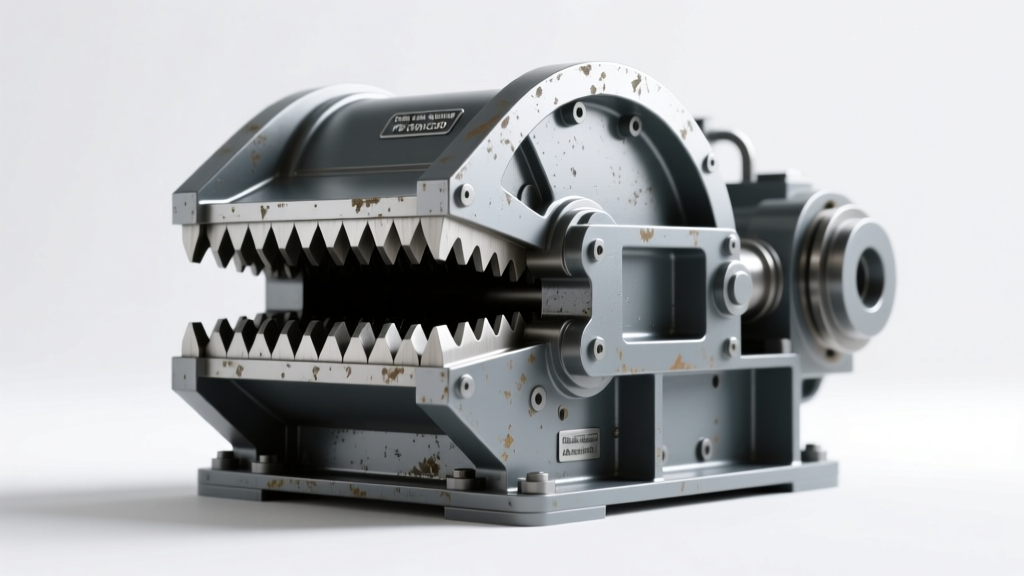
Types of PP Knotless Net Extrusion Lines
A PP knotless net extrusion line is a specialized manufacturing system used to produce seamless polypropylene (PP) nets for applications such as agriculture, packaging, construction, and fishing. These machines melt and extrude polypropylene through precision dies to form continuous mesh structures without knots, offering enhanced strength, durability, and uniformity. Understanding the different types of extrusion lines helps manufacturers choose the right system based on production volume, product complexity, and cost-efficiency.
Single-Screw Extruder Line
The foundational model in knotless net production, this line uses a single-screw extruder to melt and push polypropylene through a die that forms the net structure.
Advantages
- Low initial investment and operational cost
- Simple design for easy maintenance and operation
- Ideal for small to medium-scale operations
- High flexibility for custom mesh sizes and thicknesses
- Produces consistent, high-quality knotless nets
Limitations
- Lower production speed compared to advanced models
- Less efficient for high-volume manufacturing
- Limited capability with complex or multi-layered designs
- May require more manual oversight
Best for: Startups, small manufacturers, custom orders, and low-to-mid volume production
High-Speed Extrusion Line
Engineered for maximum output, this system features a powerful extruder and optimized cooling and winding mechanisms to achieve rapid, continuous production.
Advantages
- Extremely high production capacity
- Automated processes reduce labor costs
- Consistent quality at scale
- Shorter lead times for large orders
- Energy-efficient operation per unit produced
Limitations
- High upfront capital investment
- Less flexible for frequent product changes
- Requires skilled technicians for maintenance
- Overkill for small or custom production runs
Best for: Large-scale manufacturers, export-oriented businesses, and high-demand industries like agriculture and construction
Double-Screw Extruder Line
This advanced system uses two intermeshing screws to provide superior melting, mixing, and homogenization of polypropylene, ensuring uniform material flow and enhanced net quality.
Advantages
- Excellent material plasticization and melt consistency
- Handles recycled or filled PP materials effectively
- Suitable for complex, high-precision net patterns
- Better control over thickness and tensile strength
- Stable performance for long production runs
Limitations
- Higher purchase and maintenance costs
- More complex setup and operation
- Moderate production speed—faster than single-screw but slower than high-speed lines
- Requires precise calibration for optimal results
Best for: Premium quality production, technical nets, and manufacturers requiring consistency with varied material inputs
Customized Extrusion Line
A modular and adaptable system designed to meet specific production needs, allowing full control over net dimensions, density, strength, and finishing.
Advantages
- Highly flexible for diverse product specifications
- Can be upgraded or reconfigured as needs change
- Ideal for niche markets or specialized applications (e.g., medical, packaging)
- Supports R&D and prototype development
- Can integrate automation, monitoring, and IoT features
Limitations
- Longer lead time for design and setup
- Higher cost due to bespoke engineering
- May require expert operators and engineers
- Potential inefficiencies if not optimized for regular use
Best for: Specialty manufacturers, innovation-driven companies, and those serving unique industrial or commercial needs
| Type | Production Speed | Initial Cost | Flexibility | Best For |
|---|---|---|---|---|
| Single-Screw Extruder | Low to Moderate | Low | High | Small businesses, custom orders, startups |
| High-Speed Extrusion | Very High | High | Low | Mass production, large-scale operations |
| Double-Screw Extruder | Moderate to High | Medium to High | Moderate | Premium quality, technical nets, consistent output |
| Customized Line | Variable | High | Very High | Specialty applications, R&D, niche markets |
Expert Tip: When selecting a PP knotless net extrusion line, consider not only current production needs but also future scalability. A double-screw or customizable line may offer better long-term value for growing businesses, even if the initial cost is higher.
Industrial Applications of PP Knotless Net Extrusion Line
Polypropylene (PP) knotless net extrusion lines are advanced manufacturing systems that produce high-strength, durable, and flexible netting without traditional knots. These nets offer superior tensile strength, chemical resistance, UV stability, and lightweight performance, making them ideal for a wide range of industrial applications. Unlike knotted nets, knotless variants eliminate weak points at junctions, enhancing durability and longevity in demanding environments.
Key Advantage: The seamless structure of knotless PP nets ensures uniform load distribution, reduced abrasion, and improved resistance to tearing—critical for safety, agricultural efficiency, and structural reinforcement.
Aquaculture
PP knotless netting is extensively used in modern aquaculture systems, including offshore fish farms, hatcheries, and recirculating aquaculture setups. These nets provide excellent water circulation while securely containing fish such as salmon, sea bass, and tilapia. Their porous design allows oxygen exchange and minimizes biofouling, promoting healthier aquatic environments.
The chemical resistance of polypropylene protects against saltwater corrosion, algae buildup, and cleaning agents, ensuring long-term performance with minimal maintenance. Additionally, the smooth, knot-free surface reduces the risk of fish injury during movement or harvesting.
Agricultural Shade and Frost Protection
Farmers utilize PP knotless netting as shade cloths and frost protection covers to optimize crop growth conditions. With varying densities (typically 30% to 70% shade factor), these nets regulate sunlight exposure, preventing heat stress in sensitive plants like vegetables, berries, and nursery seedlings.
During cold seasons, the netting acts as an insulating layer, trapping warm air around crops and shielding them from frost damage. Breathable yet protective, the material allows rain and irrigation to pass through while maintaining microclimate stability—essential for year-round farming and climate-resilient agriculture.
Construction Safety Nets
In construction, knotless PP safety nets are installed on scaffolding, under elevated work platforms, and around building perimeters to prevent falling tools, debris, and materials. Certified for load-bearing standards, these nets absorb impact energy and reduce the risk of injury to workers and pedestrians below.
Due to their high tensile strength and resistance to weathering, PP knotless nets remain effective even after prolonged outdoor exposure. They are lightweight, easy to install, and reusable across multiple project sites, offering a cost-effective solution for compliance with occupational health and safety regulations.
Packaging and Transport
PP knotless nets are widely used in the packaging of agricultural produce and industrial goods. Commonly seen wrapping onions, citrus fruits, potatoes, and other root crops, these nets allow for ventilation, reducing moisture buildup and spoilage during storage and transit.
The elasticity and strength of the netting ensure secure bundling without crushing contents, while the open structure enables visibility and easy handling. In logistics, bulk-load retention nets made from PP are used to stabilize cargo on pallets and trucks, enhancing transportation safety and efficiency.
Reinforcement in Concrete Structures
In civil engineering, PP knotless netting is embedded within concrete slabs and walls as a secondary reinforcement material. It helps control cracking caused by shrinkage, thermal expansion, and dynamic loads, improving the structural integrity of driveways, floors, and pavements.
Unlike metal rebar, polypropylene does not corrode, making it ideal for environments exposed to moisture or de-icing chemicals. While not a replacement for primary steel reinforcement, it significantly enhances durability and reduces maintenance costs in non-structural concrete applications.
Geotextiles for Soil Reinforcement
PP knotless netting serves as a geotextile in road construction, slope stabilization, and erosion control projects. When laid beneath soil layers or along embankments, the netting distributes loads evenly, prevents soil displacement, and promotes drainage.
Its UV-resistant and rot-proof properties make it suitable for long-term outdoor use in challenging terrains such as coastal areas, hilly regions, and flood-prone zones. By reinforcing weak soils, these nets contribute to stronger foundations, reduced sediment runoff, and sustainable land development.
| Application | Key Benefits | Typical Use Cases |
|---|---|---|
| Aquaculture | High water flow, low biofouling, fish-safe surface | Offshore pens, fish cages, hatchery tanks |
| Shade & Frost Protection | UV resistance, breathability, temperature regulation | Greenhouses, nurseries, open-field crops |
| Construction Safety | Impact absorption, lightweight, weather-resistant | Scaffolding, rooftop work, bridge maintenance |
| Packaging & Transport | Ventilation, flexibility, secure containment | Produce bags, cargo nets, pallet wraps |
| Concrete Reinforcement | Crack resistance, non-corrosive, cost-effective | Floors, sidewalks, precast elements |
| Geotextiles | Soil stabilization, drainage, erosion control | Road bases, retaining walls, embankments |
Note: When selecting PP knotless netting for industrial use, ensure compliance with relevant standards (e.g., ISO, ASTM, or EN) for load capacity, UV stabilization, and chemical resistance. Proper installation and periodic inspection are essential to maintain performance and safety across all applications.
PP Knotless Net Extrusion Line: Product Specifications & Features
The PP knotless net extrusion line is a highly efficient and advanced manufacturing system designed for the continuous production of high-quality, durable knotless plastic netting. Widely used in agriculture, construction, packaging, and civil engineering, these extrusion lines transform polypropylene (PP) raw materials into uniform, strong, and flexible net structures without the need for weaving or knotting. Understanding the technical features, operational processes, and maintenance practices ensures optimal performance and product consistency.
Material Quality & Composition
High-grade polypropylene (PP) plastic pellets or ingots serve as the primary raw material. These thermoplastic resins are selected for their excellent tensile strength, chemical resistance, and UV stability—critical for outdoor applications.
- Virgin-grade or recycled PP can be used depending on end-use requirements
- UV stabilizers and anti-oxidants are often added to enhance durability under sunlight exposure
- Material flexibility allows for both soft agricultural nets and rigid industrial-grade mesh
Technical note: Consistent pellet size and moisture content are essential to ensure smooth extrusion and prevent defects.
Production Capacity & Efficiency
PP knotless net extrusion lines are available in various configurations to suit different production scales, from small workshops to large industrial facilities.
- Output ranges from 10 to 80 kg/hour, depending on model and net density
- Single-screw extruders are standard, with diameters from 55mm to 90mm for optimal melt homogeneity
- Energy-efficient motors and heating systems reduce operational costs
- Continuous operation capability supports 24/7 production cycles
Pro tip: Higher-capacity models often include automatic feeding and cooling systems for improved consistency.
Precision Die & Extrusion Technology
The heart of the extrusion line is the specially engineered die head, which shapes molten plastic into a seamless tubular or flat net structure through a controlled radial expansion process.
- Multi-layer die design ensures even flow distribution and consistent strand thickness
- Adjustable die gaps allow customization of mesh size (typically 10x10mm to 50x50mm)
- Advanced air-ring cooling systems stabilize the net during expansion
- Computer-controlled calibration maintains dimensional accuracy
Key benefit: Eliminates weak points caused by knots, resulting in stronger, more uniform netting.
Control System & User Interface
Modern PP extrusion lines are equipped with intuitive digital control panels that streamline operation and monitoring.
- PLC (Programmable Logic Controller) manages temperature, pressure, and speed settings
- Touchscreen HMI (Human-Machine Interface) enables quick changeovers between net types
- Real-time diagnostics help identify blockages or temperature fluctuations
- Pre-set programs for common net specifications reduce setup time
User advantage: Minimal training required for operators, reducing downtime and errors.
Installation & Operation Process
The extrusion process involves a series of precisely coordinated stages to transform raw plastic into finished knotless netting.
- Material Feeding: PP pellets are fed into the hopper and conveyed into the extruder barrel.
- Melting & Homogenization: The plastic is heated and rotated by a screw mechanism until it reaches a viscous, molten state.
- Extrusion & Expansion: Molten plastic is forced through the die, forming a continuous tube that is inflated with air to create the net pattern.
- Cooling & Flattening: The expanded net passes through a cooling air ring and is flattened by rollers into a two-dimensional mesh.
- Edge Trimming & Winding: Excess edges are cut, and the net is wound onto spools using a variable-speed take-up system.
Critical step: Proper air pressure and cooling balance are essential to prevent sagging or tearing.
Applications of PP Knotless Netting
Knotless nets produced by these extrusion lines are versatile and used across multiple industries due to their strength, lightweight nature, and cost-effectiveness.
- Agriculture: Crop protection nets shield plants from birds, hail, wind, and excessive sunlight while allowing airflow and irrigation.
- Construction: Safety nets prevent falling debris and protect workers on scaffolding and high-rise sites.
- Packaging: Fruit and vegetable bags (e.g., onion, citrus nets) provide secure, breathable containment during transport.
- Civil Engineering: Geogrids and soil reinforcement nets improve stability in retaining walls and roadbeds.
- Animal Husbandry: Poultry and livestock enclosures use durable, non-abrasive netting for pens and fencing.
Market insight: Demand is growing for biodegradable or recyclable netting in eco-conscious sectors.
Maintenance, Repair & Longevity Tips
Regular maintenance ensures consistent output quality and extends the lifespan of the extrusion equipment and the final net product.
- Daily Checks: Inspect extruder temperature, motor performance, and air pressure systems before startup.
- Cleaning Dies: Remove polymer buildup weekly using specialized cleaning compounds to prevent flow blockages.
- Lubrication: Apply lubricant to moving parts (rollers, gears) as per manufacturer guidelines to reduce wear.
- Net Inspection: Conduct monthly visual checks for tears, thinning, or UV degradation—especially before seasonal use.
- Damage Repair: Small tears can be heat-sealed; larger damages may require patching or section replacement.
- Storage: Roll nets tightly and store in a cool, dry place away from direct sunlight and sharp objects to prevent premature aging.
Best Practice: Always shut down the machine properly and purge the system with cleaning resin after extended use to prevent clogging.
| Model Type | Output Range (kg/h) | Melt Temperature | Mesh Size Range | Power Requirement |
|---|---|---|---|---|
| Small-scale (Semi-Auto) | 10 – 25 | 180 – 220°C | 10x10 – 30x30 mm | 15 – 22 kW |
| Mid-range (Auto-Control) | 30 – 50 | 190 – 230°C | 15x15 – 40x40 mm | 30 – 45 kW |
| High-Capacity (Full Auto) | 60 – 80 | 200 – 240°C | 20x20 – 50x50 mm | 55 – 75 kW |
| Custom Industrial | Up to 100+ | 210 – 250°C | Customizable | 80+ kW |
Professional Recommendation: For operators new to PP knotless net extrusion, start with a mid-range model featuring automated controls and built-in diagnostics. This reduces the learning curve and minimizes waste during setup. Always source raw materials from reputable suppliers to avoid contamination that could damage the die or degrade net quality. Consider investing in UV-resistant additives if the netting will be used outdoors for extended periods.
Quality and Safety Considerations of PP Knotless Net Extrusion Line
Ensuring high quality and operational safety in the production of polypropylene (PP) knotless netting is essential for both product performance and workplace integrity. The extrusion process involves precise control of materials, machinery, and procedures to deliver durable, reliable netting used across agriculture, construction, fisheries, and packaging industries. This guide outlines key quality assurance practices and safety protocols integral to the efficient and safe operation of a PP knotless net extrusion line.
Safety Warning: Always follow lockout/tagout (LOTO) procedures when inspecting or maintaining extrusion equipment. High temperatures, moving parts, and pressurized systems pose serious risks. Only trained personnel should operate or service the extrusion line.
Machine Checks and Operational Monitoring
Preventive equipment evaluation is a cornerstone of consistent product quality. Operators conduct routine inspections of critical components such as the extruder barrel, screw, heating zones, die head, and cooling system. These checks help identify signs of wear, misalignment, or malfunction before they impact output.
- Monitor temperature profiles across extruder zones to ensure uniform melting of polypropylene
- Inspect die plates for clogging, warping, or uneven flow that could distort net structure
- Verify motor and gearbox performance to maintain consistent extrusion speed
- Use vibration sensors and thermal imaging to detect early signs of mechanical failure
- Log all inspection findings and schedule corrective actions promptly
Raw Material Testing and Quality Assurance
The foundation of high-performance knotless netting lies in the quality of raw polypropylene pellets. Only premium-grade, UV-stabilized, and additive-enhanced PP resins should be used to ensure strength, durability, and resistance to environmental degradation.
- Source polypropylene from certified suppliers with traceable quality documentation
- Conduct in-house or third-party lab testing for melt flow index (MFI), density, and tensile strength
- Check for contaminants, moisture content, and color consistency in each batch
- Store pellets in dry, temperature-controlled environments to prevent degradation
- Maintain batch records for full traceability in case of quality issues
Real-Time Netting Inspection and Quality Control
During production, continuous visual and automated monitoring ensures the netting meets exact specifications. Defects such as uneven mesh size, thin strands, weak nodes, or inconsistent thickness are identified and corrected immediately.
- Use high-resolution cameras and AI-based vision systems to detect anomalies
- Measure mesh size, strand diameter, and node strength at regular intervals
- Perform on-site tensile and tear resistance tests using sample strips
- Compare output against customer specifications and industry standards
- Implement a reject protocol for off-specification rolls to prevent shipment
Compliance with Safety Standards and Certifications
Manufacturers must ensure that PP knotless netting complies with relevant international and industry-specific safety regulations. This includes adherence to standards set by ISO, CE, REACH, and other regulatory bodies depending on the target market.
- Obtain ISO 9001 certification for quality management systems
- Ensure CE marking for products sold in the European Union
- Verify compliance with OSHA, ANSI, or EN standards for construction and safety netting
- Stay updated on agricultural and marine safety regulations where netting is deployed
- Provide material safety data sheets (MSDS) and product compliance documentation
Damage Prevention During Handling and Packaging
To preserve product integrity from factory to end-user, careful handling and robust packaging are essential. Damage during storage or transit can compromise the netting’s structural reliability.
- Wind netting onto sturdy cardboard or plastic cores to prevent deformation
- Wrap rolls in protective plastic film to guard against moisture and dirt
- Use edge protectors and secure strapping to prevent shifting during transport
- Label each roll with product type, batch number, dimensions, and handling instructions
- Train warehouse staff in proper stacking and lifting techniques to avoid crushing
Promoting Safe Use and Application Guidance
Manufacturers play a vital role in preventing accidents by educating customers on the correct installation and use of knotless netting. Clear instructions reduce the risk of misuse, structural failure, or injury.
- Provide detailed user manuals with installation diagrams and tension guidelines
- Include warnings about load limits, UV exposure duration, and environmental factors
- Offer technical support for complex installations in construction or agriculture
- Recommend periodic inspection and replacement schedules for long-term use
- Highlight proper anchoring methods and compatible hardware for secure setup
Regular Maintenance and Equipment Longevity
Proactive maintenance extends the lifespan of the extrusion line and ensures consistent, safe operation. Scheduled servicing prevents unplanned downtime and reduces the risk of hazardous malfunctions.
- Follow manufacturer-recommended maintenance schedules for extruder, gearboxes, and motors
- Clean die heads and filters regularly to prevent clogs and material buildup
- Lubricate moving parts and inspect belts, chains, and bearings for wear
- Calibrate temperature and pressure sensors for accurate process control
- Keep a comprehensive maintenance log for audits and performance tracking
| Quality/Safety Area | Key Practices | Potential Risks if Neglected | Recommended Tools/Systems |
|---|---|---|---|
| Machine Operation | Daily inspection, temperature monitoring | Product defects, equipment failure | Infrared thermometers, vibration analyzers |
| Raw Materials | Batch testing, moisture control | Weak netting, inconsistent extrusion | MFI tester, moisture analyzer |
| Production Quality | Visual checks, tensile testing | Off-spec products, customer complaints | Vision systems, lab testing equipment |
| Safety Compliance | Certification, documentation | Legal liability, market access denial | ISO/CE audit checklists, compliance software |
| Handling & Packaging | Proper winding, protective wrapping | Physical damage, customer dissatisfaction | Roll wrappers, strapping machines |
| Customer Safety | User guides, technical support | Installation failures, injuries | Instruction templates, training videos |
Expert Tip: Implement a Total Quality Management (TQM) approach by integrating quality checks at every stage—from raw material intake to final dispatch. Empower operators to stop the line if defects are detected, fostering a culture of safety and excellence.
Additional Best Practices
- Train all operators on emergency shutdown procedures and first aid response
- Conduct regular internal audits to verify compliance with quality and safety protocols
- Invest in automation and IoT-enabled sensors for real-time process monitoring
- Recycle scrap material responsibly to reduce waste and environmental impact
- Engage with customers for feedback to continuously improve product design and safety
By maintaining rigorous quality control and adhering to strict safety standards, manufacturers can ensure that their PP knotless net extrusion lines produce reliable, high-performance netting while protecting both workers and end-users. A proactive, systematic approach to maintenance, material selection, and customer education is key to long-term success in this specialized manufacturing sector.
Frequently Asked Questions About PP Knotless Net Extrusion Line
Q1. What is the production process of the PP knotless net extrusion line?The production process of a PP (polypropylene) knotless net extrusion line is a highly engineered and automated sequence designed to produce strong, uniform, and durable netting without knots. Here’s a detailed breakdown of each stage:
- Raw Material Feeding: High-quality polypropylene (PP) pellets are fed into a hopper, which delivers them consistently into the extruder. Some systems include drying units to remove moisture, ensuring better melt quality.
- Extrusion: The pellets enter a single-screw or twin-screw extruder where they are heated, melted, and homogenized under controlled temperature and pressure. This ensures a uniform melt flow, critical for consistent strand formation.
- Die Forming: The molten plastic is forced through a specialized annular die with multiple spinneret holes. These holes shape the plastic into continuous strands that converge into a tubular net structure as they exit the die.
- Expansion and Orientation: As the hot tubular film emerges, it is inflated with air to expand it radially, forming a bubble. Simultaneously, it is pulled vertically, stretching the material biaxially (both horizontally and vertically). This orientation enhances tensile strength and elasticity.
- Cooling: The expanded net passes through a cooling ring or air cooling system to solidify the structure while maintaining its shape and mesh integrity.
- Flattening and Drawing: The cooled tubular net is flattened and may undergo additional drawing (stretching) to further align the polymer molecules, improving strength and dimensional stability.
- Cutting and Winding: The continuous flat net is then cut to the desired width and wound onto large rolls. Automated cutting systems ensure precise lengths, and tension control maintains roll quality.
- Inspection and Packaging: The final product undergoes quality checks for mesh uniformity, strength, and defects. It is then cut to customer-specified lengths, bundled, and packaged for shipping.
This entire process is fully automated in modern extrusion lines, allowing for high production speeds, consistent quality, and minimal waste—making it ideal for industrial-scale manufacturing of knotless nets used in agriculture, aquaculture, construction, and packaging.
Q2. What are the raw materials used for producing the PP knotless netting?The primary raw material for PP knotless netting is polypropylene (PP) pellets, a thermoplastic polymer known for its excellent balance of strength, flexibility, and chemical resistance. However, depending on the intended application and environmental conditions, various additives and modified resins are incorporated to enhance performance:
- Polypropylene Homopolymer or Copolymer: Standard base material offering good mechanical properties and processability. Copolymers may be used for improved impact resistance.
- UV Stabilizers: Since PP is susceptible to degradation from prolonged sun exposure, high UV-resistant pellets are often used. These contain additives like carbon black, titanium dioxide, or HALS (Hindered Amine Light Stabilizers) to significantly extend the lifespan of outdoor nets.
- Colorants: Masterbatches are added to produce nets in various colors (e.g., green for camouflage in agriculture, blue for visibility in fishing nets).
- Anti-oxidants and Processing Aids: Improve thermal stability during extrusion and prevent premature aging.
- Reinforcement Additives (Optional): While PPS (Polyphenylene Sulfide) is a high-performance engineering plastic with excellent heat and chemical resistance, it is not commonly blended directly with PP due to compatibility and cost issues. Instead, some manufacturers may use glass fiber-reinforced PP or blends with HDPE (High-Density Polyethylene) for enhanced strength in heavy-duty applications.
The choice of raw materials directly affects the net’s durability, weather resistance, and suitability for specific environments—making material selection a critical step in the production process.
Q3. What are the features and applications of PP knotless netting?PP knotless netting is engineered to deliver superior performance across a wide range of industries. Its unique manufacturing process—eliminating weak points caused by knots—results in a product with exceptional structural integrity and longevity. Below are its key features and corresponding applications:
| Feature | Description | Applications |
|---|---|---|
| High Tensile Strength | Biaxial orientation during extrusion aligns polymer chains, significantly increasing strength without adding weight. | Fishing nets, cargo securing, construction safety nets. |
| Lightweight & Flexible | Easy to handle, transport, and install. Can be rolled compactly for storage. | Agricultural covers, garden trellises, packaging mesh. |
| Open Mesh Design | Allows free flow of air, water, and light while providing coverage and protection. | Aquaculture cages, shade nets, erosion control, ventilation barriers. |
| UV and Weather Resistance | Specially formulated with UV stabilizers to withstand prolonged outdoor exposure without brittleness or fading. | Outdoor fencing, bird netting, greenhouse shading, marine environments. |
| Chemical & Moisture Resistant | Resists rot, mildew, and most chemicals—ideal for wet or corrosive environments. | Fish farming, chemical containment, industrial filtration. |
| Cost-Effective & Customizable | Low production cost per meter; available in various mesh sizes, thicknesses, colors, and roll lengths. | Tailored solutions for agriculture, logistics, sports, and DIY projects. |
Because of these advantages, PP knotless netting has largely replaced traditional knotted nets in many sectors. Its seamless structure reduces wear points, improves load distribution, and extends service life—making it a preferred choice for both commercial and industrial applications worldwide.