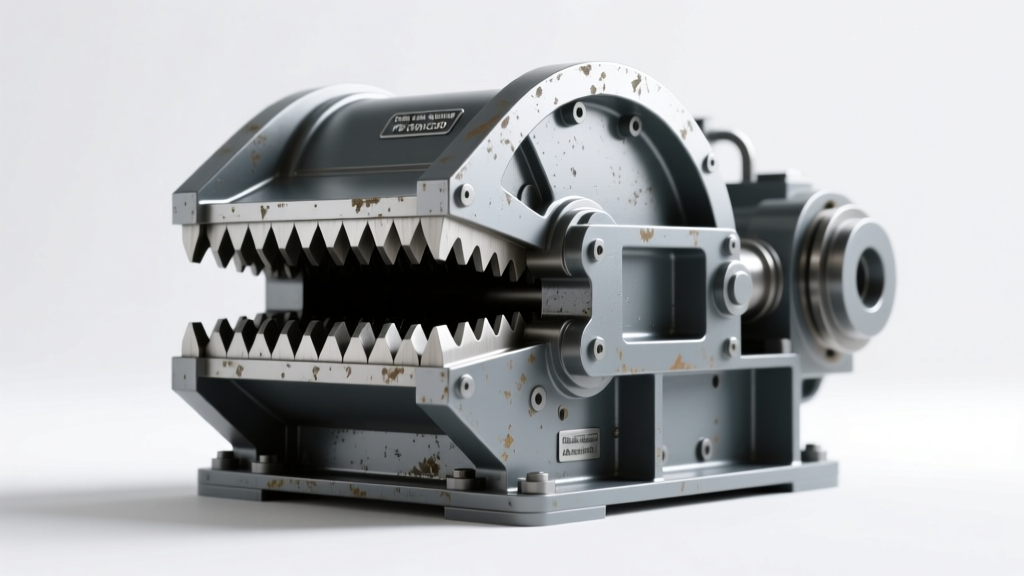
Types of China High-Quality PE 150x250 Jaw Crushers
The China high-quality PE 150x250 jaw crusher is a widely used and reliable crushing machine in the mining, construction, and recycling industries. Designed for primary crushing applications, this compact yet powerful machine efficiently breaks down hard materials such as stone, rock, and concrete into smaller, manageable sizes. Its popularity stems from its robust construction, cost-effectiveness, and high operational efficiency.
Available in various configurations, these jaw crushers are tailored to meet diverse industrial needs—from small-scale operations to large aggregate processing. Below is a detailed breakdown of the main types of jaw crushers commonly manufactured in China, including their features, advantages, and ideal applications.
PE Jaw Crusher
The foundational model in the jaw crusher series, known for durability and simplicity in design.
Advantages
- Deep crushing chamber for high throughput
- Reinforced jaw plates for extended service life
- Ideal for heavy-duty primary crushing
- Simple maintenance and reliable operation
Limitations
- Limited adjustability compared to newer models
- Lower energy efficiency than advanced versions
- Fewer automation features
Best for: Small quarries, construction debris recycling, and basic mining operations
PEW Jaw Crusher
An upgraded, more efficient version featuring enhanced design and adjustable crushing angles.
Advantages
- Wider feed opening for larger material input
- Adjustable discharge settings for precise output control
- Improved crushing efficiency and productivity
- Hydraulic adjustment system for ease of use
Limitations
- Higher initial investment
- More complex maintenance requirements
- Larger footprint than basic models
Best for: Medium to large-scale aggregate production, modern stone processing plants
STC Stone Crusher
Designed for field applications involving stone and soil mixing, especially in agricultural or land-clearing operations.
Advantages
- Combines crushing and soil mixing functions
- Effective in rocky terrain and farmland preparation
- Reduces need for multiple machines
- Durable construction for rugged environments
Limitations
- Not suitable for high-volume rock processing
- Limited precision in particle size control
- Lower throughput compared to dedicated crushers
Best for: Agricultural land development, rural infrastructure, and terrain leveling
STCH Stone Crusher
Heavy-duty stone shredder optimized for processing large volumes of rock in open areas.
Advantages
- High-capacity crushing for large stone masses
- Rapid processing speed
- Suitable for continuous operation
- Robust build for demanding environments
Limitations
- Bulky and less mobile
- Higher energy consumption
- Requires experienced operators
Best for: Large quarries, mining sites, and major construction projects
RSH/HP Crusher
High-power model engineered to handle extremely large rocks and boulders with maximum resistance.
Advantages
- Exceptional crushing force for massive materials
- High resistance to wear and impact
- Minimal downtime due to robust components
- Ideal for challenging geological conditions
Limitations
- Very high cost and power requirements
- Requires strong foundation and setup
- Overkill for small or medium operations
Best for: Large-scale mining, demolition of rock formations, and heavy infrastructure
RSM Crusher
Specialized for compacting and embedding stones in road construction and foundation work.
Advantages
- Integrates crushing with compaction functions
- Efficient for road base preparation
- Reduces need for separate machinery
- Improves layer stability and durability
Limitations
- Limited to construction and civil engineering
- Not suitable for fine aggregate production
- Narrower application scope
Best for: Road construction, highway foundations, and civil engineering projects
| Model | Durability | Efficiency | Application Scope | Ideal Use Case |
|---|---|---|---|---|
| PE Jaw Crusher | High | Good | Broad | General primary crushing |
| PEW Jaw Crusher | Very High | Excellent | Medium to Large Scale | Modern aggregate plants |
| STC Stone Crusher | Medium | Fair | Niche | Agricultural land clearing |
| STCH Stone Crusher | High | Very Good | Large Scale | Massive rock processing |
| RSH/HP | Exceptional | Excellent | Heavy-Duty | Extreme rock crushing |
| RSM | High | Good | Specialized | Road foundation work |
Expert Tip: When selecting a China-made PE 150x250 jaw crusher, consider not only the model type but also the quality of materials used in construction. Opt for units with manganese steel jaw plates and reinforced frames to ensure longevity and consistent performance under heavy loads.
Applications of China High-Quality PE 150x250 Jaw Crushers
China-manufactured high-quality PE 150x250 jaw crushers are renowned for their durability, efficiency, and adaptability across a wide range of industrial sectors. These compact yet powerful machines play a pivotal role in primary crushing operations, offering reliable performance in processing hard and abrasive materials. Their robust design and precision engineering make them ideal for industries requiring consistent size reduction of raw materials.
Key Industrial Applications
Mining Industry
Jaw crushers are fundamental in mining operations, where they are used to break down large chunks of ore, rock, and mineral-bearing materials into manageable sizes for further processing. The PE 150x250 model, along with advanced variants like RSM, RSH/HP, and STCH series, is particularly effective in handling high-volume feed rates and tough mineral deposits such as iron ore, copper, gold, and basalt.
Their high compression strength and uniform discharge size ensure optimal throughput in downstream processes like grinding and separation. These crushers are often the first stage in mineral extraction plants, providing a stable and efficient foundation for the entire processing line.
Construction and Infrastructure
In the construction sector, the PE 150x250 jaw crusher is indispensable for producing high-quality aggregates used in road paving, building foundations, concrete mixing, and bridge construction. Models such as the STC and PEW series are widely adopted due to their ability to deliver consistent particle size and shape, which directly impacts the strength and durability of concrete and asphalt.
These crushers efficiently process materials like granite, limestone, and recycled concrete, making them essential for both urban development and large-scale infrastructure projects. Their portability and ease of setup also make them suitable for on-site crushing, reducing transportation costs and environmental impact.
Agricultural Sector
While less conventional, jaw crushers are increasingly utilized in agriculture for processing soil amendments such as crushed limestone, phosphate rock, and dolomite. These materials are essential for neutralizing acidic soils and enhancing nutrient availability.
The controlled crushing action of the PE 150x250 ensures the production of fine, uniformly sized particles that integrate easily into the soil, improving aeration, water retention, and root development. This application supports sustainable farming practices by enabling localized production of soil conditioners, reducing dependency on chemical fertilizers.
Recycling and Waste Management
Jaw crushers play a vital role in modern recycling operations, especially in the construction and demolition (C&D) waste sector. They effectively break down concrete, asphalt, bricks, ceramics, and other masonry materials into reusable aggregates.
The PE and STC models are commonly employed in recycling plants due to their ability to handle mixed feed materials and produce clean, graded output. This not only reduces landfill usage but also lowers the demand for virgin aggregates, contributing to circular economy goals and sustainable urban development.
Site Preparation and Material Handling
Before major construction or mining activities begin, site preparation often requires the reduction of large boulders and debris into smaller, transportable pieces. The PE 150x250 jaw crusher excels in this role, enabling efficient handling and movement of materials across rugged terrains.
By minimizing rock size on-site, these crushers reduce the need for heavy hauling equipment, lower fuel consumption, and improve overall project efficiency. Their compact footprint and ease of operation make them ideal for remote or confined locations where space and logistics are limited.
Model Comparison & Suitability
| Model | Primary Use | Key Advantages |
|---|---|---|
| PE 150x250 | Primary Crushing (Small to Medium Scale) | Compact, cost-effective, easy maintenance, ideal for startups and mobile operations |
| PEW Series | High-Efficiency Construction & Mining | Hydraulic adjustment, optimized cavity design, higher output |
| STC/STCH Series | Heavy-Duty Mining & Recycling | Robust frame, high throughput, wear-resistant components |
| RSM/RSH/HP | Large-Scale Mineral Processing | Advanced automation, energy-efficient, suitable for deep mining operations |
Operational Benefits of PE 150x250 Jaw Crushers
- High Crushing Efficiency: Designed with an optimal nip angle and deep crushing chamber for maximum productivity and minimal blockages.
- Durable Construction: Built with high-grade manganese steel jaws and reinforced frames to withstand continuous operation in harsh environments.
- Low Maintenance: Simple structure with easy access to wear parts reduces downtime and servicing costs.
- Energy Efficient: Balanced flywheel and low power consumption make it environmentally friendly and economical to operate.
- Versatile Feed Compatibility: Capable of processing a wide range of materials including hard rock, slag, and recycled concrete.
Important: To ensure long service life and peak performance, always follow the manufacturer’s operating guidelines. Regular inspection of jaw plates, toggle plates, and bearings is essential. Use only recommended lubricants and replace worn components promptly. Improper use or neglect can lead to reduced efficiency, increased wear, and potential safety hazards.
Specifications and Maintenance of High-Quality China PE 150×250 Jaw Crushers
The PE 150×250 jaw crusher is a compact yet robust primary crushing solution widely used in small-scale mining, construction recycling, and laboratory applications. Designed for efficiency and durability, this model delivers consistent performance when properly maintained. Understanding both its technical specifications and maintenance requirements ensures optimal productivity and extended equipment life in demanding environments.
Key Technical Specifications
Engineered for precision and reliability, the PE 150×250 jaw crusher features carefully balanced parameters suitable for hard rock and mineral processing.
- Feed Opening: 150 mm × 250 mm – Allows efficient intake of raw materials while maintaining structural integrity.
- Maximum Feed Size: 125 mm – Recommended maximum material size to ensure smooth operation and prevent blockages.
- Adjustable Discharge Opening: Typically 10–40 mm – Enables customization of output particle size based on application needs.
- CAPACITY: 1–3 tons per hour (t/h) – Ideal for small operations or pilot testing with moderate throughput demands.
- Motor Power: 5.5 kW (approximately 7.5 HP) – Provides sufficient power for consistent crushing with low energy consumption.
- Speed (RPM): Around 300–350 revolutions per minute – Optimized for effective material breakdown without excessive wear.
- Weight: Approximately 600–800 kg – Compact enough for mobility, yet heavy enough to minimize vibration during operation.
Core Components & Design Features
Built with industrial-grade materials, the PE 150×250 integrates critical engineering elements for long-term performance.
- Jaw Plates: Made from high-manganese steel for superior wear resistance and impact toughness.
- Eccentric Shaft: Forged and heat-treated for durability under continuous load.
- Toggle Plate: Acts as a safety fuse; breaks under overload to protect the main frame and motor.
- Frame Construction: Robust cast steel or welded steel structure designed to absorb operational stress.
- Belt Drive System: V-belt transmission ensures smooth power delivery from motor to crusher.
- Base Frame: Includes mounting points for secure installation and reduced vibration transmission.
Note: Always verify compatibility with local voltage standards (commonly 380V/50Hz in China).
Essential Maintenance Practices
Regular maintenance is crucial to maximize uptime, reduce repair costs, and extend the service life of your PE 150×250 jaw crusher. Below are best practices categorized by frequency and importance.
Daily Maintenance
- Cleaning: After each use, remove dust, debris, and residual material from the crushing chamber and exterior surfaces. Use a dry brush or compressed air; avoid water jets near bearings or electrical components.
- Visual Inspection: Check for loose bolts, cracks in welds, or abnormal wear on jaw plates and toggle mechanism.
- Belt Tension: Inspect V-belts for signs of fraying, cracking, or slipping. Replace if worn to prevent power loss.
- Moisture Prevention: Wipe down metal surfaces with a dry or slightly damp cloth. Store in a dry environment to prevent rust formation.
Weekly Maintenance
- Lubrication: Apply high-quality grease (e.g., lithium-based EP2) to all grease points, especially bearings and pivot joints. Over-lubrication can attract dust; under-lubrication increases friction and wear.
- Bolt Tightening: Check and retighten all foundation and connection bolts. Vibrations during operation can gradually loosen fasteners.
- Alignment Check: Ensure moving and fixed jaws are properly aligned. Misalignment causes uneven wear and reduces crushing efficiency.
- Nut and Bolt Integrity: Confirm all nuts and bolts remain securely tightened to prevent noise, vibration, and potential component failure.
Monthly & Long-Term Maintenance
- Wear Part Inspection: Regularly assess the condition of jaw plates, toggle plates, and cheek plates. Replace when wear exceeds 50% of original thickness to maintain crushing efficiency.
- Bearing Condition: Listen for unusual noises (grinding, squealing) indicating bearing damage. Monitor temperature rise during operation.
- Motor and Electrical Checks: Inspect wiring, connections, and motor housing for damage or overheating signs.
- Foundation Stability: Verify the crusher base remains level and securely anchored.
Pro Tip: Keep a maintenance log to track part replacements, lubrication dates, and observed issues for predictive servicing.
Troubleshooting Common Issues
| Issue | Possible Cause | Solution |
|---|---|---|
| Excessive Vibration | Loose bolts, misaligned jaws, or unbalanced foundation | Retighten all bolts, realign jaws, check base stability |
| Reduced Output Capacity | Worn jaw plates, clogged discharge opening, or low motor speed | Replace plates, clear blockages, check belt tension and motor |
| Unusual Noise | Loose parts, broken toggle plate, or lack of lubrication | Inspect and tighten components, replace toggle, lubricate joints |
| Overheating Motor | Overloading, poor ventilation, or electrical fault | Reduce feed rate, clean cooling vents, consult electrician |
Professional Recommendation: To ensure peak performance and longevity, operators should follow a preventive maintenance schedule rather than relying on reactive repairs. Using genuine or high-quality replacement parts—especially for wear components—significantly improves reliability. For continuous operation, consider installing protective covers and dust extraction systems to enhance workplace safety and equipment cleanliness.
Additional Considerations for Optimal Performance
- Operating Environment: Avoid operating in excessively humid or corrosive environments unless protective coatings are applied.
- Feeding Technique: Use even, controlled feeding to prevent overloading and ensure consistent particle size output.
- Safety First: Always disconnect power before performing inspections or maintenance. Use appropriate PPE when handling sharp or heavy components.
- Training: Ensure operators understand the machine’s limitations and maintenance requirements to prevent misuse.
- Supplier Support: Choose manufacturers that provide technical documentation, spare parts availability, and after-sales service for long-term support.
Quality and Safety Considerations for High-Quality China PE 150x250 Jaw Crushers
The PE 150x250 jaw crusher is a widely used primary crushing machine in mining, construction, and aggregate industries. When sourcing from China, ensuring high quality and operational safety is critical for long-term performance, reduced downtime, and workplace protection. This guide provides a comprehensive overview of key quality attributes and essential safety practices to consider when purchasing and operating a PE 150x250 jaw crusher.
Safety Warning: Jaw crushers involve high mechanical forces and moving parts. Improper operation or maintenance can lead to serious injury or equipment damage. Always follow manufacturer guidelines and implement strict safety protocols before operation.
Key Quality Considerations for Buyers
- Durable Construction Materials: The crusher's core components—especially the jaw plates, toggle plates, and main frame—should be made from high-grade manganese steel or alloyed cast iron. These materials offer superior wear resistance and can withstand the intense stress of continuous crushing operations.
- Precision Manufacturing Processes: Reputable manufacturers utilize CNC machining and advanced welding techniques to ensure dimensional accuracy and structural integrity. This minimizes vibration, reduces wear, and enhances overall efficiency and longevity.
- Robust Design and Build Quality: A well-designed PE 150x250 crusher should feature a heavy-duty frame, reinforced bearings, and reliable toggle mechanisms. These elements contribute to stable operation under heavy loads and reduce the risk of premature failure.
- Incorporation of Modern Technology: Advanced models may include features such as adjustable discharge settings, overload protection systems, and integrated lubrication units. These innovations improve operational flexibility, reduce energy consumption, and lower long-term maintenance costs.
- Consistent Performance and Reliability: Look for crushers that deliver consistent output size and high throughput rates. Performance testing data and customer reviews can help verify real-world reliability and efficiency.
Essential Safety Measures for Operation and Maintenance
Safe operation of a jaw crusher is non-negotiable. The following safety practices must be strictly enforced to protect personnel and equipment:
- Personal Protective Equipment (PPE): All personnel near the crusher must wear appropriate safety gear, including hard hats, safety goggles or face shields, heavy-duty gloves, steel-toed boots, and hearing protection to guard against flying debris, noise, and mechanical hazards.
- Comprehensive Operator Training: Only trained and authorized personnel should operate or maintain the crusher. Training should cover startup/shutdown procedures, emergency stops, feed size limits, and recognition of abnormal operating conditions (e.g., unusual noises, vibrations).
- Emergency Stop Systems: The machine must be equipped with clearly labeled, easily accessible emergency stop buttons located at multiple points around the crusher. These should be tested regularly to ensure immediate response in case of malfunction.
- Regular Maintenance Protocols: Scheduled inspections should include checking bolt tightness, lubrication levels, jaw plate wear, and alignment. After any maintenance, ensure no tools or foreign objects are left inside the crushing chamber.
- Clear Warning Signs: Manufacturers should affix visible warning labels around pinch points, rotating parts, and electrical panels. These signs should indicate hazards such as "Danger: Moving Parts," "Do Not Operate While Open," and "Lockout/Tagout Required."
- Functional Safety Guards and Shields: All moving components—especially the flywheel, belt drives, and feed opening—must be protected by securely fastened guards. These should never be removed during operation and must be promptly repaired if damaged.
- Lockout/Tagout (LOTO) Procedures: Before any inspection or maintenance, the crusher must be powered down and locked out to prevent accidental startup. This is a critical step in preventing serious injuries.
| Safety/Quality Factor | Best Practices | Risks of Neglect | Recommended Actions |
|---|---|---|---|
| Material Quality | Use high-manganese steel jaw plates | Increased wear, frequent replacements | Verify material certifications from supplier |
| Operator Safety | Mandatory PPE and training | Worker injury, regulatory fines | Conduct regular safety drills |
| Emergency Response | Functional E-stop, clear access | Delayed shutdown, equipment damage | Test monthly, document results |
| Maintenance Safety | LOTO, tool accountability | Accidental activation, trapped tools | Use checklists and sign-off sheets |
| Machine Guards | Intact, properly installed | Exposure to moving parts | Inspect weekly, repair immediately |
Expert Tip: When evaluating Chinese manufacturers, request third-party inspection reports (e.g., SGS or BV) and, if possible, conduct a factory audit. This helps verify both the quality of construction and adherence to international safety standards such as CE or ISO 9001.
Additional Recommendations for Long-Term Success
- Maintain a detailed log of all maintenance activities and component replacements.
- Use only manufacturer-recommended lubricants and replacement parts to ensure compatibility.
- Monitor feed material size and hardness to avoid overloading the crusher.
- Install the crusher on a stable, level foundation to minimize vibration and structural stress.
- Periodically review safety procedures with your team to reinforce best practices.
Investing in a high-quality PE 150x250 jaw crusher from a reputable Chinese manufacturer, combined with strict adherence to safety protocols, ensures reliable performance, extended equipment life, and a safer working environment. Always prioritize certified suppliers and comprehensive training to maximize return on investment and operational safety.
Frequently Asked Questions About the PE 150 x 250 Jaw Crusher
Q1: What does a PE 150 x 250 jaw crusher do?The PE 150 x 250 jaw crusher is a compact, small-scale primary crushing machine designed for breaking down hard rocks and stones into smaller, more manageable fragments. It is commonly used in construction, mining, and recycling operations where initial size reduction of raw materials is required.
With a feed opening of 150mm x 250mm, this model is ideal for processing small batches of materials such as granite, basalt, limestone, and concrete. Its robust design allows it to handle high-pressure crushing tasks efficiently, making it a reliable choice for laboratories, small quarries, and portable crushing setups.
Q2: What are the most common parts of a jaw crusher?A jaw crusher consists of several key components that work together to crush materials effectively. The primary parts include:
- Fixed and Movable Jaws: Made from high-strength manganese steel, these jaws apply compressive force to break stones. The movable jaw oscillates against the fixed jaw to crush material.
- Toggle Plate: Acts as a safety mechanism by breaking under excessive load, protecting other components from damage.
- Frame: The heavy-duty steel frame provides structural support and absorbs vibration during operation.
- Eccentric Shaft and Bearings: Drive the movement of the movable jaw and ensure smooth operation.
- Electric Motor: Typically connected via a V-belt and pulley system to power the eccentric shaft, enabling consistent crushing action.
- Adjusting System: Allows operators to control the discharge gap size, determining the final output particle size.
These components are engineered for durability and ease of maintenance, ensuring long-term reliability in demanding environments.
Q3: What is the ideal way to maintain a jaw crusher?Proper maintenance is essential for maximizing the lifespan and performance of a jaw crusher. Recommended practices include:
- Daily Cleaning: Wipe down the exterior and wash accessible parts after each use to prevent dust and debris buildup, which can lead to overheating or mechanical wear.
- Lubrication: Regularly lubricate bearings and moving parts with high-quality grease to reduce friction and prevent premature wear.
- Inspection: Check for cracks, misalignment, or excessive wear on the jaws, toggle plate, and bearings. Replace worn components promptly to avoid costly breakdowns.
- Belt Tension: Ensure drive belts are properly tensioned to maintain efficient power transmission from the motor to the crusher.
- Foundation Check: Verify that the machine remains securely mounted and level to minimize vibration and structural stress.
Following a scheduled maintenance routine not only improves efficiency but also enhances operator safety and reduces downtime.
Q4: How is the PE 150 x 250 jaw crusher powered?The PE 150 x 250 jaw crusher is powered by a **5.5 kW (approximately 7.5 horsepower) electric motor**, which provides sufficient energy for its small-scale crushing operations. This motor drives the eccentric shaft through a set of V-belts and pulleys, creating the reciprocating motion of the movable jaw.
Key advantages of this power configuration include:
- Energy Efficiency: The 5.5 kW motor balances performance and power consumption, making it suitable for sites with limited electrical capacity.
- Reliability: Electric motors offer consistent torque and require less maintenance compared to internal combustion engines.
- Compact Design: Ideal for stationary or mobile setups where space is limited.
This power rating ensures effective crushing of medium-hardness materials without overloading the system, making it well-suited for laboratory testing, small-scale mining, and on-site recycling applications.
Q5: Which material is used to make the movable jaw in a PE 150 x 250 jaw crusher?The movable jaw in the PE 150 x 250 jaw crusher is primarily constructed from **high-carbon chrome steel**, selected for its exceptional hardness, wear resistance, and ability to withstand repeated impact forces during crushing operations.
To further enhance durability, the jaw may be reinforced or clad with advanced materials such as:
- Cemented Carbide (e.g., Tungsten Carbide): Applied to high-wear areas to extend service life and reduce replacement frequency.
- Alloy Additives: Elements like chromium, molybdenum, and vanadium improve toughness and resistance to abrasion and thermal fatigue.
This combination of materials ensures the movable jaw maintains its structural integrity even under continuous operation, reducing downtime and maintenance costs. The use of wear-resistant alloys also contributes to consistent output quality and improved overall efficiency.