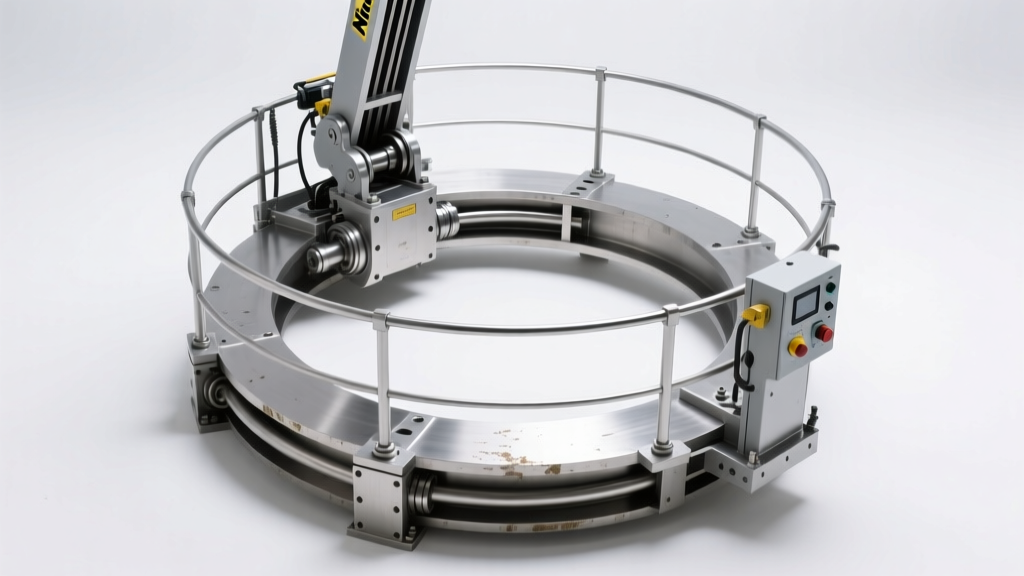
Types of New Hydraulic Bending Presses
A hydraulic bending press is a powerful and versatile machine used in metal fabrication to bend sheet metal and plates with precision and consistency. Modern hydraulic bending presses come in various configurations, each designed to meet specific industrial needs. When selecting the right press for your application, key considerations include the type of material, required bending precision, production volume, and available workshop space. Understanding the different types helps ensure optimal performance, efficiency, and return on investment.
Jewel Hydraulic Bending Press
Specially engineered for precision work on delicate materials such as gold, silver, and other precious metals used in jewelry making.
Advantages
- Extremely high precision for fine detailing
- Compact design saves space
- Minimizes material stress and deformation
- Ideal for intricate, small-scale bends
Limitations
- Not suitable for heavy-duty or industrial use
- Limited bending capacity
- Higher cost per unit for specialized tooling
Best for: Jewelry artisans, watchmakers, small-scale precious metal fabricators
Vertical Hydraulic Bending Press
Features a vertically oriented working surface, allowing for controlled bending of metal sheets and plates into precise angles such as 90°, 45°, or custom profiles.
Advantages
- Excellent for angular and repetitive bends
- Provides consistent force distribution
- Easy material alignment and operator access
- Stable operation with reduced vibration
Limitations
- Requires more floor space than compact models
- Less versatile for complex 3D shaping
- May require additional safety guarding
Best for: Sheet metal workshops, structural fabrication, HVAC and ductwork manufacturing
Auto Hydraulic Bending Press
Equipped with automated controls, CNC integration, and programmable tooling for high-speed, repeatable bending operations in mass production environments.
Advantages
- High production speed and throughput
- Exceptional consistency and repeatability
- Reduced labor costs and human error
- Programmable for multiple bend sequences
Limitations
- Higher initial investment
- Requires skilled operators and maintenance
- Longer setup time for new programs
Best for: Industrial manufacturing, automotive parts, appliance production, and high-volume fabrication
Hydraulic Pressure Bending Press Machine
A general-purpose workhorse that uses pressurized hydraulic fluid to generate powerful, controlled bending force. Adjustable pressure settings allow compatibility with various metal types and thicknesses.
Advantages
- High force output for thick or tough materials
- Adjustable pressure for versatility
- Durable and reliable under continuous use
- Widely used across industries for diverse applications
Limitations
- Slower cycle times compared to mechanical presses
- Requires regular maintenance of hydraulic system
- Potential for fluid leaks if not properly maintained
Best for: General metal fabrication, construction, repair shops, and multi-purpose workshops
| Type | Precision | Capacity | Automation | Best Application |
|---|---|---|---|---|
| Jewel Hydraulic Press | Excellent | Low | Manual | Jewelry, fine metalwork |
| Vertical Hydraulic Press | High | Medium to High | Semi-Automatic | Sheet metal bending, structural work |
| Auto Hydraulic Press | Very High | High | Full Automation (CNC) | Mass production, industrial lines |
| Hydraulic Pressure Press | Good | High | Manual/Semi-Auto | General fabrication, repair shops |
Expert Tip: For optimal performance and longevity, always match the hydraulic press tonnage and tooling to your material thickness and bend radius. Overloading can lead to premature wear or machine damage, while underutilization reduces efficiency.
Specifications and Functions of New Hydraulic Bending Press
Modern hydraulic bending presses are essential tools in metal fabrication, combining high force, precision control, and versatility to shape a wide range of materials. The specifications of these machines—such as tonnage, frame design, tooling configuration, and hydraulic system performance—directly influence their bending capabilities, efficiency, and suitability for various industrial applications. Understanding these key features enables manufacturers to select the right machine for their production needs and ensure optimal performance, safety, and return on investment.
Key Specifications and Functional Components
Bending Capacity (Tonnage)
The bending capacity of a hydraulic press is typically measured in tons and indicates the maximum force the machine can exert during operation. This is a critical specification that determines the thickness and width of metal sheets or profiles the press can effectively bend.
Higher tonnage machines (e.g., 100+ tons) are designed for heavy-duty applications involving thick steel plates or high-strength alloys, commonly used in construction, shipbuilding, and structural engineering. Lower tonnage models (e.g., 10–50 tons) are ideal for precision work in sheet metal fabrication, automotive parts, and electronics enclosures. Selecting the appropriate tonnage ensures clean bends without underperformance or equipment strain.
Press Frame (Bowl)
The press frame, often referred to as the "bowl" or bed, is the structural backbone of the hydraulic bending press. It must be rigid and durable enough to withstand repeated high-pressure loads without deformation.
Most industrial-grade frames are constructed from high-tensile steel, cast iron, or reinforced composite materials. Cast iron provides excellent vibration damping and dimensional stability, while welded steel frames offer superior strength-to-weight ratios and are easier to customize. The integrity of the frame directly affects the machine’s accuracy, longevity, and resistance to fatigue over time.
Upper Die (Punch)
The upper die, also known as the punch, is the moving component that applies downward force to the workpiece. It comes in various geometries—V-shaped, acute-angle, radius, or custom profiles—depending on the desired bend angle and material type.
Modern hydraulic presses often feature quick-change tooling systems that allow operators to swap dies efficiently. Precision-ground dies ensure consistent bend angles and reduce springback, especially when working with high-strength metals. The alignment and condition of the upper die are crucial for achieving tight tolerances and minimizing material stress.
Lower Die (Die Block)
The lower die, or die block, supports the workpiece and defines the internal radius of the bend. It typically features a V-groove whose width and angle are matched to the upper die and material thickness.
Common V-groove sizes range from narrow (for thin materials) to wide (for thick plates), with standard angles of 60°, 88°, or 90°. Advanced machines may include adjustable or segmented dies to accommodate complex shapes and reduce setup time. Proper die selection prevents cracking, over-stressing, or incomplete bending, ensuring high-quality results across production runs.
| Component | Material Options | Functional Importance |
|---|---|---|
| Press Frame (Bowl) | Cast Iron, High-Tensile Steel, Reinforced Composites | Provides structural stability and absorbs operational stress |
| Upper Die (Punch) | Tool Steel, Hardened Alloys | Directly shapes material; must resist wear and maintain precision |
| Lower Die (Die Block) | Hardened Steel, Wear-Resistant Alloys | Supports material and defines bend radius and angle |
| Hydraulic System | Sealed Units with High-Pressure Pumps | Delivers consistent force and smooth stroke control |
Industrial Applications of the New Hydraulic Bending Press
The new generation of hydraulic bending presses is engineered for high precision, repeatability, and adaptability, making them indispensable across a wide range of industries. Their ability to handle diverse materials—from aluminum and stainless steel to titanium and composites—ensures consistent quality and compliance with strict regulatory standards.
Important: Always match the hydraulic bending press specifications to your material type, thickness, and production volume. Using incorrect tooling or exceeding machine capacity can lead to component failure, inaccurate bends, or safety hazards. Regular maintenance—including hydraulic fluid checks, die inspections, and frame alignment—is essential for sustained performance and workplace safety. Consult the manufacturer’s technical manual before operation and ensure all operators are properly trained.
Quality and Safety Considerations of New Hydraulic Bending Press
Investing in a new hydraulic bending press requires careful evaluation of both quality and safety factors. These elements not only determine the machine’s long-term performance and return on investment but also ensure the protection of operators and the integrity of production processes. Below is a comprehensive breakdown of the key considerations when selecting and operating a high-performance hydraulic bending press.
Materials Used
The structural integrity of a hydraulic bending press begins with the materials used in its construction. High-strength steel or advanced alloy frames are essential for withstanding repeated stress and maintaining alignment during heavy-duty operations.
- Frames made from tempered alloy steel resist deformation under high tonnage, ensuring consistent accuracy over time
- CNC-machined components provide tighter tolerances and reduce vibration during operation
- Welded joints should be stress-relieved and inspected via ultrasonic testing to prevent premature fatigue
- Corrosion-resistant coatings or finishes extend service life, especially in humid or industrial environments
Key insight: Machines built with inferior materials may appear cost-effective initially but often lead to increased downtime and repair costs.
Hydraulic System Quality
The hydraulic system is the core of the bending press, responsible for generating precise and consistent force. A high-performance system ensures smooth operation, energy efficiency, and minimal maintenance.
- Industrial-grade hydraulic pumps (e.g., piston or gear pumps) deliver stable pressure with low pulsation
- Precision control valves regulate flow and pressure for accurate stroke positioning and repeatability
- High-quality seals and O-rings minimize fluid leakage and prevent contamination
- Synthetic or anti-wear hydraulic fluids improve thermal stability and reduce oxidation, extending fluid life
Technical note: Integrated cooling systems or heat exchangers help maintain optimal fluid temperature, preventing viscosity loss and system degradation.
Workmanship and Tooling Design
Superior workmanship encompasses not only the build quality but also the design and integration of tooling systems. Dies and molds play a critical role in achieving clean, accurate bends without damaging the workpiece.
- Precision-ground dies ensure uniform pressure distribution and reduce edge chipping or cracking
- Modular tooling systems allow for quick changeovers and adaptability across various materials and bend profiles
- Dies made from hardened tool steel (e.g., H13 or D2) resist wear and maintain dimensional accuracy over thousands of cycles
- Proper alignment mechanisms (e.g., taper locks or hydraulic clamps) prevent die shifting during operation
Pro tip: Poorly maintained or mismatched tooling can cause up to 60% of bending inaccuracies and premature machine wear.
Testing and Certification Standards
Reliable hydraulic bending presses undergo rigorous testing and certification to validate their performance, safety, and compliance with international standards.
- Load testing verifies maximum tonnage capacity and structural resilience under stress
- Bend accuracy tests ensure repeatability within ±0.1° for precision applications
- Vibration and noise level assessments contribute to operator comfort and workplace safety
- Certifications such as ISO 9001 (quality management), ISO 14001 (environmental), and ANSI B11.3 (safety) confirm adherence to industry benchmarks
Smart choice: Always request test reports and certification documentation before finalizing a purchase.
Safety Considerations
Safety is paramount when operating high-force machinery like hydraulic bending presses. Implementing proper safeguards protects personnel, reduces liability, and enhances overall productivity.
Operator Training and Competency
Well-trained operators are the first line of defense against accidents. Comprehensive training ensures that personnel understand machine capabilities, limitations, and safe operating procedures.
- Training should cover machine startup/shutdown, emergency protocols, and material handling techniques
- Operators must be familiar with control panel functions, including jog mode, inching, and pressure adjustment
- Understanding material properties (e.g., springback, yield strength) helps prevent overloading the machine
- Refresher courses and certification programs reinforce safe practices and regulatory compliance
Critical reminder: Over 70% of industrial press accidents are linked to inadequate training or procedural violations.
Emergency Shutdown Systems
Quick-access emergency stop (E-stop) mechanisms are essential for immediate machine deactivation in hazardous situations.
- E-stop buttons should be strategically placed at multiple operator stations for easy reach
- Red mushroom-head buttons with latching mechanisms ensure visibility and positive activation
- Emergency stops must cut power to the hydraulic pump and release system pressure safely
- Regular testing of E-stop functionality is required under OSHA and ANSI guidelines
Best practice: Integrate dual-circuit safety relays to ensure redundancy in emergency shutdown systems.
Maintenance and Record-Keeping
Consistent maintenance is crucial for both machine longevity and operator safety. A documented maintenance program helps identify potential issues before they lead to failure.
- Daily checks should include fluid levels, hose integrity, and control responsiveness
- Monthly inspections of seals, valves, and electrical connections prevent leaks and malfunctions
- Annual recalibration ensures accuracy and compliance with original specifications
- Digital maintenance logs or CMMS (Computerized Maintenance Management Systems) streamline tracking and audit readiness
Time-saving tip: Use QR-coded tags on critical components to link directly to service history and manuals.
Additional Safety Features
Beyond basic requirements, modern hydraulic presses offer advanced safety technologies to further reduce risk.
- Light curtains or laser scanners create invisible safety zones that halt operation if breached
- Two-hand operation controls prevent accidental activation and ensure operator presence awareness
- Pressure relief valves protect against overloads and hydraulic surges
- Acoustic enclosures or noise-dampening panels reduce workplace noise exposure
Compliance note: Machines used in EU markets must meet CE marking requirements, including risk assessment and protective measures.
Professional Recommendation: When evaluating a new hydraulic bending press, prioritize machines that combine certified quality components with comprehensive safety systems. Look for suppliers who offer training packages, maintenance support, and full documentation. A slightly higher initial investment in a well-built, safety-compliant machine typically results in lower total cost of ownership, reduced downtime, and fewer workplace incidents over its lifespan.
| Safety Feature | Function | Compliance Standard | Inspection Frequency |
|---|---|---|---|
| Emergency Stop (E-stop) | Immediate machine shutdown | ANSI B11.3, ISO 13850 | Weekly operational test |
| Light Curtain | Prevents operation when hands enter danger zone | IEC 61496-1 | Monthly calibration |
| Two-Hand Control | Requires both hands to initiate cycle | ANSI B11.19 | Weekly functional check |
| Hydraulic Pressure Relief Valve | Prevents over-pressurization | ISO 4413 | Annual pressure test |
Summary of Best Practices
- Material Integrity: Choose presses with high-tensile steel frames and precision-forged components for long-term durability
- System Reliability: Opt for hydraulic systems with sealed components and temperature monitoring for consistent performance
- Safety Integration: Ensure the machine includes E-stops, light guards, and dual-control systems as standard
- Documentation: Verify availability of CE/ISO certifications, operation manuals, and maintenance schedules
- Support: Partner with suppliers offering operator training, spare parts availability, and technical support
How to Choose the Right Hydraulic Bending Press: A Comprehensive Buyer’s Guide
Selecting the appropriate hydraulic bending press is a critical decision for any fabrication shop, manufacturing facility, or industrial operation. The right machine enhances productivity, ensures precision, and reduces long-term operational costs. This guide provides a detailed breakdown of the key factors to consider when purchasing a hydraulic bending press, helping you make an informed investment that aligns with your production needs, material requirements, and quality standards.
Important Note: A hydraulic bending press is a high-force industrial machine. Always ensure operator training, proper safety guards, and compliance with OSHA or local safety regulations to prevent workplace injuries.
Key Factors to Consider When Choosing a Hydraulic Bending Press
- Material Compatibility
Not all hydraulic bending presses are designed to handle every type of metal. The machine must be compatible with the materials you regularly work with—such as mild steel, stainless steel, aluminum, or copper alloys. Stainless steel and high-tensile materials require higher tonnage and more robust tooling due to their strength and springback characteristics. Always verify the press’s capacity for your specific material thickness and type to ensure clean, accurate bends without damaging the machine or tooling.
- Factory Support and Technical Expertise
While local mechanics may handle basic maintenance, hydraulic bending presses are complex systems involving precision hydraulics, CNC controls, and mechanical alignment. Factory-trained technicians or certified specialists understand the intricacies of the machine’s design, calibration, and troubleshooting. Investing in a brand with strong technical support, training programs, and readily available documentation ensures smoother operation, faster repairs, and reduced downtime. Consider manufacturers that offer on-site training and remote diagnostics.
- Stroke Length and Ram Travel
The stroke length—the distance the ram moves during the bending cycle—must be sufficient to accommodate the height of your tooling and the depth of the bend. Thicker or deeper bends require longer stroke lengths. Insufficient stroke can limit your production capabilities or require multiple setups. Conversely, excessive stroke on lighter jobs may reduce efficiency. Choose a press with adjustable stroke control or programmable stops (especially in CNC models) to optimize speed and precision across varying job requirements.
- Bending Accuracy and Repeatability
Precision is paramount in industries such as aerospace, automotive, and medical device manufacturing, where tolerances are tight. High-quality hydraulic presses feature advanced crowning systems, CNC controls, and digital angle measurement (e.g., laser or encoder-based feedback) to maintain consistent accuracy. The quality of the bending dies also plays a crucial role—hardened, precision-ground dies reduce wear and improve edge consistency. Look for machines with sub-0.1-degree angular accuracy and repeatable performance over thousands of cycles.
- Maintenance Requirements and Long-Term Costs
Maintenance is often overlooked during procurement but significantly impacts total cost of ownership. Some models are designed for easy access to hydraulic components, filters, and electrical systems, reducing service time and labor costs. Machines with sealed hydraulic systems, automatic lubrication, and predictive maintenance alerts can extend service intervals. Research common failure points, availability of spare parts, and average maintenance frequency. Opt for brands with strong service networks and transparent maintenance schedules to avoid unexpected downtime and repair expenses.
- Customization and Flexibility
Modern hydraulic bending presses offer various customization options to meet specific production needs. These include programmable backgauges, multi-axis CNC controls, quick-change tooling systems, and modular die configurations. Customizable control interfaces allow operators to store bending programs for repeat jobs, improving efficiency and reducing setup time. For specialized applications, consider presses that support integration with automation systems (e.g., robotic loading/unloading) or those that comply with industry-specific standards (e.g., ISO, CE, or NRTL certifications).
| Selection Criteria | Key Questions to Ask | Recommended Features | Impact on Production |
|---|---|---|---|
| Material Compatibility | What metals and thicknesses will you bend? | Tonnage rating, tooling hardness, material charts | Prevents tool damage and ensures clean bends |
| Technical Support | Is factory training and service available? | On-site training, 24/7 support, remote diagnostics | Reduces downtime and improves operator skill |
| Stroke Length | What is the maximum bend depth required? | Adjustable stroke, programmable stops | Enables complex bends and faster cycling |
| Bending Accuracy | What tolerances does your work require? | CNC controls, angle measurement, crowning system | Ensures consistency in high-precision work |
| Maintenance | How often and costly is servicing? | Easy-access panels, sealed hydraulics, service alerts | Lowers long-term operating costs |
| Customization | Do you need automation or special tooling? | Quick-change tooling, CNC integration, automation-ready | Boosts productivity and flexibility |
Pro Tip: Before finalizing your purchase, request a live demonstration or trial run with your actual materials and tooling. This allows you to evaluate the machine’s performance, ease of use, and accuracy under real-world conditions.
Additional Recommendations
- Compare warranties and service agreements across manufacturers—longer coverage often reflects confidence in build quality.
- Consider energy efficiency, especially with high-volume operations; newer servo-hydraulic models consume less power.
- Ensure the press fits within your facility’s footprint and has adequate clearance for material handling.
- Evaluate noise levels and vibration—quieter, stable machines improve the working environment.
- Check for software updates and compatibility if using CNC or digital control systems.
Choosing the right hydraulic bending press goes beyond initial cost—it’s an investment in quality, efficiency, and long-term reliability. By carefully evaluating material needs, technical support, precision requirements, and maintenance demands, you can select a machine that delivers consistent performance and supports your growth. When in doubt, consult with engineering experts or equipment specialists to ensure your selection meets both current and future production goals.
Frequently Asked Questions About Hydraulic and Electric Bending Presses
Q1. Do electric and hydraulic bending presses share similar capabilities?While both electric and hydraulic bending presses are designed to shape metal, they differ significantly in performance, application, and operational efficiency:
- Hydraulic Bending Presses: Utilize fluid pressure to generate high force, making them ideal for heavy-duty applications such as bending thick steel plates or structural components. They are commonly used in industrial manufacturing, shipbuilding, and construction due to their robust power output and reliability under continuous load.
- Electric (or Hybrid) Bending Presses: Rely on servo motors and precision controls to deliver energy-efficient, accurate, and repeatable bends. These are best suited for lighter gauge metals, prototyping, and high-precision fabrication where energy consumption and cycle time are critical factors.
Although both machines perform the same fundamental task—metal forming—their capabilities are optimized for different environments. Hydraulic models excel in raw power and durability, while electric systems offer superior control, lower noise levels, and reduced environmental impact.
Q2. Which factors should be considered when selecting a hydraulic press bending machine?Selecting the right hydraulic bending press requires careful evaluation of several key technical and operational factors to ensure compatibility with your production needs:
- Material Compatibility: Consider the type (steel, aluminum, stainless steel) and thickness of the materials you’ll be bending. Thicker or harder metals require higher tonnage and sturdier frame construction.
- Bending Capacity (Tonnage): Match the machine’s force rating to your maximum required bending load. Under-sizing can lead to poor results or machine damage; over-sizing increases cost and footprint unnecessarily.
- Stroke Length & Opening Height: Ensure sufficient vertical clearance and stroke depth to accommodate your workpiece dimensions and tooling setup.
- Machine Design: Choose between C-frame (accessibility) and H-frame (rigidity) designs based on precision and stability requirements. Look for features like CNC integration, backgauges, and crowning systems for advanced applications.
- Maintenance Requirements: Evaluate ease of access to hydraulic components, availability of service support, and expected downtime for routine servicing.
- Customization Options: Some manufacturers offer modular tooling, automated feeding systems, or software integration for Industry 4.0 workflows, which can enhance productivity and flexibility.
Conducting a thorough needs assessment before purchase ensures optimal return on investment and long-term operational efficiency.
Q3. What is the primary function of the bending bowl on a hydraulic bending press?The "bending bowl" (more accurately referred to as the ram or tooling die set, depending on context) plays a central role in the forming process:
- Material Shaping: The upper tool (punch) mounted on the ram and the lower tool (die) work together to form the metal sheet into the desired angle—commonly 90°, but adjustable for complex geometries.
- Force Distribution: The bowl or die structure ensures that pressure is evenly distributed across the contact surface, minimizing deformation, cracking, or springback in the material.
- Alignment & Guidance: Precision-machined bowls or dies help maintain consistent alignment between punch and die, ensuring repeatability and dimensional accuracy across multiple bends.
- Support During Operation: In some configurations, the die supports the workpiece throughout the stroke, reducing vibration and improving safety.
High-quality, wear-resistant tooling is essential for maintaining accuracy and prolonging machine life. Regular inspection and replacement of worn dies contribute to consistent product quality.
Q4. How do quality and safety relate in the operation of a hydraulic bending press?Quality and safety are deeply interconnected in hydraulic press operations—each reinforcing the other to create a reliable and efficient production environment:
- Proper Maintenance = Consistent Quality: Routine checks of hydraulic fluid levels, seals, valves, and mechanical components prevent drift in bending accuracy and reduce defects like inconsistent angles or surface damage.
- Safety Protocols Prevent Downtime: Implementing lockout/tagout (LOTO), emergency stops, light curtains, and two-hand operation systems reduces the risk of operator injury and costly machine damage.
- Operator Training Enhances Both: Well-trained personnel follow standardized procedures, leading to fewer errors, better-quality output, and safer working conditions.
- Preventive Maintenance Reduces Hazards: Worn hoses, leaking valves, or misaligned rams not only compromise part quality but also pose serious safety risks such as sudden pressure loss or component failure.
In short, a culture of safety promotes machine reliability and product consistency, while high-quality operation inherently reduces accident risks. Integrating both principles into daily workflows leads to improved productivity and compliance with OSHA and ISO standards.
Q5. What are the most common components of a hydraulic bending press that are expensive to maintain?Certain components of hydraulic bending presses require significant investment over time due to wear, complexity, or replacement costs:
- Hydraulic Pump: As the heart of the system, the pump is subject to constant stress. High-pressure piston pumps, while durable, can be costly to repair or replace if contamination or cavitation occurs.
- Control Valves (Proportional/Servo Valves): These regulate fluid flow and pressure with high precision. Their sensitivity to dirt and wear makes them prone to failure and expensive to service.
- Seals and Hoses: Dynamic seals in the cylinder and high-pressure hoses degrade over time and must be replaced periodically to prevent leaks and pressure drops. Failure can lead to fluid spills, fire hazards, or unplanned downtime.
- Tooling (Dies and Punches): Custom or hardened tooling designed for specific profiles can be costly, especially when made from wear-resistant alloys. Frequent use accelerates wear, requiring resurfacing or replacement.
- Ram and Frame Components: Misalignment or overloading can cause deformation in the ram or frame, leading to costly realignment or machining work.
To minimize long-term costs, implement a preventive maintenance program, use high-quality hydraulic fluid with proper filtration, and train operators in correct usage techniques. Regular inspections can catch issues early, avoiding catastrophic failures and extending component lifespan.