Types of Round Printing Machinery
Round printing machinery is essential for applying high-quality graphics and branding onto cylindrical or curved surfaces such as bottles, tubes, cans, and containers. These machines are engineered to handle various substrates and production volumes, making them indispensable in packaging, promotional products, and industrial manufacturing. Choosing the right type of round printing machine depends on factors like print complexity, material type, production speed, and customization needs.
Rotary Screen Printing Machines
Utilizing precision cylindrical screens, rotary screen printers deliver high-definition, consistent prints on curved surfaces. Each color in the design requires a separate screen, which rotates in perfect registration to apply ink sequentially. This method excels in producing intricate patterns and fine details.
Advantages
- Exceptional print clarity and detail
- Ideal for multi-color, complex designs
- High durability of prints
- Excellent for long production runs
Limitations
- Higher setup time and cost per color
- Less economical for short runs
- Requires skilled operation and maintenance
Best for: High-volume production of premium packaging, cosmetic tubes, beverage cans, and detailed cylindrical graphics
Flexographic Printing Machines
Flexo printers use flexible relief plates mounted on rotating cylinders to transfer ink onto substrates. They operate at high speeds and are particularly effective on non-absorbent materials like plastic, metal, and laminated films commonly used in round product printing.
Advantages
- Extremely fast printing speeds
- Versatile with a wide range of substrates
- Cost-effective for medium to long runs
- Good color consistency and registration
Limitations
- Lower resolution than screen or digital printing
- Requires plate creation for each design
- Not ideal for ultra-fine details
Best for: Label printing, flexible packaging, plastic bottles, and high-speed industrial applications
Offset Printing Machines
These machines use lithographic principles where the image is transferred (or "offset") from a metal plate to a rubber blanket cylinder, then to the substrate. For round printing, specialized offset systems are used on cylindrical surfaces like paperboard cans or metal containers.
Advantages
- Superior print quality and smooth gradients
- Excellent for photographic images and halftones
- Consistent results across large batches
- Highly efficient for large-format cylindrical printing
Limitations
- Primarily limited to flat or slightly curved surfaces
- Higher initial investment and maintenance
- Less adaptable for small or custom runs
Best for: High-end packaging, beverage cans, gift tubes, and printed containers requiring photographic quality
Digital Printing Machines
Digital round printers directly apply ink or toner to cylindrical surfaces using advanced imaging technology. Unlike traditional methods, they require no physical plates, enabling instant design changes and on-demand printing.
Advantages
- No need for printing plates or screens
- Perfect for short runs and customization
- Quick turnaround and design flexibility
- Supports variable data printing (e.g., serial numbers, QR codes)
Limitations
- Slower than analog methods for large volumes
- Higher cost per unit for long runs
- May have limitations on certain substrates
Best for: Custom promotional items, personalized packaging, prototypes, and limited-edition product lines
Sublimation Printing Machines
This process uses heat to convert solid dye into gas, which then bonds with polyester-based materials at the molecular level. For round printing, specially designed sublimation systems wrap the image around cylindrical blanks using heat and pressure.
Advantages
- Vibrant, full-color prints with excellent fade resistance
- Durable, scratch-resistant finishes
- Seamless, all-over printing capability
- Ideal for promotional mugs, tumblers, and sportswear bottles
Limitations
- Only works on polyester-coated or polymer-coated substrates
- Requires pre-coated blanks
- Limited to light-colored surfaces for best results
Best for: Promotional drinkware, personalized gifts, and items requiring full-wrap, photo-quality graphics
Pad Printing Machines
Using a silicone pad to pick up ink from an etched plate and transfer it to curved or uneven surfaces, pad printing is unmatched for small, detailed prints on complex geometries. It’s widely used for logos, batch codes, and branding on cylindrical consumer goods.
Advantages
- Excellent for printing on irregular or recessed surfaces
- Precise application on small areas
- Works on almost any material (plastic, metal, glass, etc.)
- Low setup cost for simple designs
Limitations
- Not suitable for large or full-wrap prints
- Limited color range per cycle
- Slower for multi-color applications
Best for: Pens, cosmetic tubes, syringes, bottles, and small cylindrical components requiring precise, localized printing
| Machine Type | Print Quality | Speed | Cost Efficiency | Best For |
|---|---|---|---|---|
| Rotary Screen | Excellent | High | High-volume runs | Detailed graphics on tubes, cans, and containers |
| Flexographic | Good | Very High | Medium to long runs | Labels, packaging, and plastic bottles |
| Offset | Excellent | High | Long runs | Premium paperboard and metal cans |
| Digital | Very Good | Medium | Short runs & customization | Custom orders, prototypes, variable data |
| Sublimation | Excellent (color) | Medium | Specialty items | Polyester-coated drinkware and gifts |
| Pad Printing | Good (detail) | Low to Medium | Small batch, precision | Logos on pens, bottles, medical devices |
Expert Tip: When selecting a round printing machine, consider not only the current production needs but also future scalability. Digital and hybrid systems offer growing flexibility, while rotary and flexo remain top choices for high-volume consistency.
Materials Used in Round Printing Machines: A Comprehensive Guide
Round printing machines utilize a variety of specialized materials across their components and processes. While some materials overlap with other printing technologies, many are uniquely selected to meet the demands of cylindrical and curved surface printing. Understanding these materials—ranging from inks and printing elements to substrates—is essential for achieving optimal print quality, durability, and compatibility with different production requirements.
Printing Inks: Types and Applications
The performance of a round printing machine heavily depends on the type of ink used. Each ink formulation is engineered to bond effectively with specific substrates while withstanding environmental and mechanical stress. The primary ink types used in round printing include water-based, solvent-based, UV-curable, and oil-based inks.
Water-Based Inks
Eco-friendly and low in volatile organic compounds (VOCs), water-based inks are ideal for porous materials such as textiles, paper, and cardboard. They are widely used in rotary screen printing for fabric rolls and garments due to their soft hand feel and excellent color absorption.
However, they require longer drying times and may need heat-assisted curing systems in high-speed round printing applications. Their non-toxic nature makes them suitable for children's clothing and food packaging where safety is paramount.
Solvent-Based Inks
Formulated for adhesion to non-porous surfaces like plastics, metals, and laminated films, solvent-based inks evaporate quickly, enabling fast production cycles. These inks are commonly used in flexographic and pad printing for containers, tubes, and industrial parts.
While highly durable and resistant to moisture and abrasion, they emit strong odors and VOCs, requiring proper ventilation and safety protocols. Newer eco-solvent variants offer reduced environmental impact without sacrificing performance.
UV-Curable Inks
UV inks are instantly cured using ultraviolet light, making them perfect for high-speed round printing on rigid or heat-sensitive substrates such as plastic bottles, glassware, and metal cans. They provide exceptional gloss, scratch resistance, and vibrant color reproduction.
These inks do not dry through evaporation, minimizing waste and allowing for precise registration. UV printing is increasingly popular in digital and hybrid round printing systems due to its efficiency and low environmental footprint.
Oil-Based Inks
Traditionally used in offset printing, oil-based inks have high viscosity and excellent pigment dispersion, making them ideal for smooth, consistent prints on a wide range of substrates including paper, cardboard, and coated surfaces.
In round printing, they are often used for high-volume label production and decorative printing on cylindrical packaging. Though slower to dry than solvent or UV inks, their superior flow characteristics and color depth make them a preferred choice for premium print finishes.
Cylindrical Screens and Printing Plates
The core components responsible for image transfer in round printing systems are cylindrical screens and plates. The material composition of these elements directly affects print resolution, durability, and compatibility with various inks and substrates.
Rotary Screens
Used primarily in rotary screen printing, these cylindrical screens are typically made from stainless steel or high-tension polyester. Stainless steel screens offer superior durability and dimensional stability, ideal for long production runs and abrasive inks.
Polyester screens, while less rigid, are more cost-effective and suitable for short to medium runs. They are commonly used in textile and decorative printing where fine detail and flexibility are required. Mesh count varies depending on ink viscosity and desired print density.
Printing Plates
In flexographic round printing, photopolymer or rubber plates are mounted on rotating cylinders to transfer ink onto curved surfaces. Photopolymer plates are precision-engineered using digital imaging, offering high resolution and consistency for complex graphics.
Rubber plates, though less common today, are still used for simple designs and large solid areas. They are resilient and perform well with solvent-based inks. Proper plate mounting and cylinder alignment are critical to prevent distortion on cylindrical substrates.
Common Substrates in Round Printing
Round printing machines are designed to handle a diverse range of substrates, particularly those with curved or cylindrical geometries. The choice of substrate influences ink selection, printing method, and post-processing requirements.
| Substrate | Common Printing Method | Key Properties & Applications |
|---|---|---|
| Polyester | Sublimation / Screen Printing | Excellent dye retention; ideal for sportswear, flags, and banners requiring vibrant, fade-resistant colors. |
| Plastic | Flexographic / Pad Printing | Lightweight and versatile; used for cosmetic containers, medical devices, and promotional items with curved surfaces. |
| Metal | Offset / UV Screen Printing | Durable and premium-looking; commonly used for beverage cans, aerosol containers, and industrial parts. |
| Paper & Cardboard | Offset / Flexographic | Biodegradable and printable; used for packaging tubes, gift wraps, and product labels. |
| Glass | Screen / Pad / UV Printing | Smooth, non-porous surface; ideal for bottles, jars, and decorative items needing sharp, long-lasting graphics. |
Material Compatibility and Best Practices
Important: Using incompatible materials can lead to poor print quality, premature wear of components, and even machine damage. Always consult manufacturer guidelines for ink, screen, plate, and substrate compatibility. Investing in material testing and operator training significantly improves output consistency and reduces waste in round printing operations.
Commercial Uses of Round Printing Machines
Round printing machines—also known as cylindrical or rotary printing systems—are pivotal in modern industrial and commercial manufacturing. These advanced machines combine high-speed operation with exceptional precision, enabling efficient printing on curved and cylindrical surfaces. Their versatility, scalability, and adaptability make them indispensable across multiple industries where branding, traceability, compliance, and customization are key priorities.
From mass-producing labeled consumer goods to creating on-demand replacement parts, round printing machines streamline production workflows while maintaining consistent print quality. Below is a comprehensive overview of their most impactful commercial applications.
Cylindrical Product Labeling
Flexographic round printing machines dominate this sector, offering rapid, continuous printing on curved surfaces such as bottles, jars, cans, and squeeze tubes. Unlike traditional label application methods, these machines print directly onto the container, ensuring seamless integration of design and durability.
- Ideal for high-volume production lines in food and beverage, cosmetics, and pharmaceuticals
- Supports full-color branding, nutritional information, barcodes, expiration dates, and regulatory text
- Compatible with materials including PET, glass, aluminum, and HDPE plastics
- Enables variable data printing (e.g., batch numbers, QR codes) for traceability and anti-counterfeiting
Industry Impact: Reduces reliance on adhesive labels, minimizing waste and improving recyclability.
Custom Printing on Promotional Products
Businesses leverage round printing machines to personalize cylindrical promotional items such as water bottles, pens, flash drives, tumblers, and keychains. This capability allows for targeted marketing campaigns with high brand visibility and customer engagement.
- Perfect for corporate gifts, event giveaways, and loyalty programs
- Handles both small custom runs and large-scale promotional orders
- Prints logos, slogans, contact details, and campaign-specific graphics with high resolution
- Supports UV-curable inks for scratch-resistant, fade-proof finishes
Marketing Advantage: Personalized items increase brand recall by up to 70% compared to generic merchandise.
Printing on Quality Replacement Parts
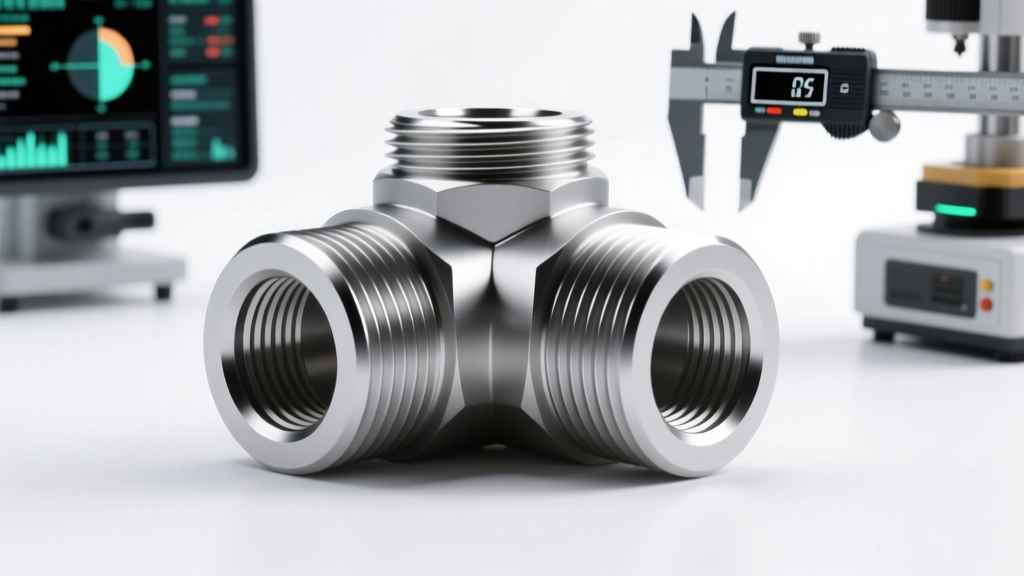
Round printing plays a critical role in industrial maintenance and 3D-printed component manufacturing. Machines can imprint identification codes, calibration marks, material specs, and serial numbers directly onto cylindrical replacement parts like valves, pipes, fittings, and mechanical tubes.
- Essential for asset tracking, inventory control, and preventive maintenance scheduling
- Used in aerospace, automotive, oil & gas, and heavy machinery sectors
- Enables on-demand production of obsolete or custom parts with traceable markings
- Integrates with digital manufacturing workflows for smart factory applications
Operational Benefit: Streamlines spare parts management and reduces downtime through instant identification.
Packaging and Decorated Containers
Offset and screen-based round printing technologies are widely used to create premium decorated containers for gourmet foods, spirits, cosmetics, and luxury goods. These machines apply intricate designs, metallic finishes, and textured effects directly onto glass or metal surfaces.
- Eliminates the need for secondary labeling, reducing material and labor costs
- Enhances shelf appeal with high-gloss, embossed, or matte finishes
- Supports complex artwork, gradients, and fine typography for brand differentiation
- Used in limited-edition packaging and seasonal product launches
Design Edge: Direct container decoration improves product aesthetics while boosting perceived value.
Industrial Parts and Equipment Printing
In industrial environments, round printing machines are used to mark tools, shafts, rollers, and large equipment components with vital operational data. This includes safety warnings, part numbers, calibration indicators, barcodes, and manufacturer branding.
- Ensures compliance with ISO, OSHA, and other regulatory standards
- Improves supply chain transparency and equipment lifecycle tracking
- Resists wear, heat, and chemical exposure in harsh operating conditions
- Facilitates automated scanning and digital inventory systems
Compliance Note: Permanent markings are required for audit readiness in regulated industries.
Emerging Applications & Innovations
Advancements in digital round printing and hybrid systems are expanding the capabilities of cylindrical printing into new domains.
- Smart Packaging: Integration of QR codes and NFC tags for consumer engagement and authentication
- Sustainable Inks: Use of water-based and bio-degradable inks to meet environmental standards
- On-Demand Manufacturing: Localized printing hubs reduce shipping needs and support circular economy models
- Custom Medical Devices: Labeling of syringes, vials, and surgical tools with precise, sterile-safe printing
Future Outlook: AI-driven print control systems will enhance accuracy and reduce setup times.
Pro Tip for Businesses: When selecting a round printing solution, consider not only current volume needs but also future scalability. Machines with modular design and software-upgradable controls offer long-term ROI. Partnering with suppliers who offer technical support, ink formulation guidance, and maintenance training ensures optimal performance and print consistency across applications.
| Application Sector | Common Materials | Printing Technology | Key Benefits |
|---|---|---|---|
| Consumer Product Labeling | Glass, PET, Aluminum | Flexographic | High speed, low cost per unit, full-wrap printing |
| Promotional Merchandise | Plastic, Metal, Rubber | Pad & Screen Printing | High customization, durable finishes, small batch flexibility |
| Industrial Components | Steel, PVC, Composite Tubes | Laser & Offset | Permanent marking, heat/chemical resistance, precision |
| Luxury Packaging | Crystal Glass, Tinplate | Screen & Offset | Premium finish, brand elevation, no label delamination |
Additional Considerations for Commercial Implementation
- Print Quality Control: Invest in inline inspection systems to detect misprints or alignment issues in real time
- Substrate Compatibility: Test ink adhesion on different materials to prevent smudging or peeling
- Environmental Compliance: Choose VOC-free inks and recyclable substrates to align with sustainability goals
- Integration with Automation: Ensure compatibility with conveyor systems, robotics, and ERP software
- Maintenance Requirements: Regular cleaning and calibration extend machine life and ensure consistent output
How to Choose Round Printing Machinery: A Comprehensive Buyer's Guide
Selecting the right round printing machinery is a pivotal decision that directly impacts production efficiency, print quality, and long-term operational costs. With a wide range of technologies and configurations available, businesses must carefully evaluate their specific needs to make an informed investment. This guide explores the critical factors to consider when choosing cylindrical or round surface printing equipment, helping you align your selection with your production goals, substrate requirements, and budget constraints.
Important Note: Round printing machinery—also known as cylindrical, curved-surface, or rotary printing systems—is used to print on objects like bottles, tubes, pens, cosmetic containers, and other non-flat items. Choosing the wrong technology can lead to poor print adhesion, misregistration, or excessive waste.
1. Production Volume and Scale
The scale of your operation plays a crucial role in determining the most suitable printing technology. Modern round printing machines are available in manual, semi-automatic, and fully automated configurations, each designed for different output levels.
- High-Volume Production: For businesses requiring thousands of units per day, flexographic (flexo), gravure, or rotary screen printing machines are ideal. These systems offer high-speed operation, consistent quality, and excellent durability for continuous runs.
- Medium to Low-Volume Runs: Companies with variable order sizes or frequent design changes benefit from digital cylindrical printers or pad printing systems. These technologies allow rapid setup, minimal downtime between jobs, and cost-effective short runs without the need for plates or screens.
- Prototyping and Custom Work: Digital round printers and compact pad printers are excellent for product development, personalized items, or limited editions due to their flexibility and ease of design updates.
Expert Tip: Consider future growth when selecting machinery. A scalable system that can be upgraded from manual to automatic operation may offer better long-term value than replacing equipment entirely.
2. Substrate Compatibility
Not all printing technologies work equally well on every material. The physical and chemical properties of the substrate—such as surface texture, curvature, heat sensitivity, and porosity—must be matched with the appropriate printing method.
- Polyester & Synthetic Fabrics: Sublimation printing is ideal for polyester-based cylindrical items, where heat transfers dye directly into the material for vibrant, durable results.
- Glass, Metal, and Rigid Plastics: UV-curable inkjet or pad printing excels on smooth, non-porous surfaces. UV inks cure instantly under light, ensuring smudge-free prints and strong adhesion.
- Porous Materials (e.g., Wood, Paper Tubes): Water-based or solvent flexographic printing provides good ink penetration and coverage.
- Heat-Sensitive Substrates: Cold-cure UV or digital printing avoids thermal deformation, making them suitable for thin plastics or laminated materials.
Before finalizing a machine, conduct test prints on your actual production substrates to verify ink adhesion, durability, and registration accuracy.
3. Print Quality Requirements
Print quality expectations should be clearly defined based on your target market, brand standards, and application. Different technologies offer varying levels of resolution, color fidelity, and detail reproduction.
- High-Resolution & Intricate Designs: Rotary screen printing and offset cylindrical printing deliver exceptional detail, smooth gradients, and precise color registration—ideal for premium packaging and luxury goods.
- Bold Graphics & Large Areas: Flexographic printing is cost-effective for solid colors, logos, and large surface coverage, especially on flexible or uneven surfaces.
- Variable Data & Short Runs: Digital round printing allows for full-color CMYK printing, photo-realistic images, and dynamic content (e.g., serial numbers, barcodes) without setup delays.
Note: While digital systems offer unmatched flexibility, analog methods like gravure and offset often provide superior consistency and ink density in high-volume scenarios.
4. Budget and Total Cost of Ownership
Initial purchase price is just one component of the total investment. A comprehensive cost analysis should include maintenance, consumables, labor, and expected lifespan.
| Printing Technology | Initial Cost | Operating Cost | Best For |
|---|---|---|---|
| Flexographic | $$ | Low-Medium | High-volume, simple to moderate designs |
| Gravure | $$$ | Low (long runs) | Very high-volume, premium quality |
| Rotary Screen | $$ | Medium | Detailed graphics, medium to high volume |
| Pad Printing | $-$$ | Low | Small parts, irregular shapes, low to medium volume |
| Digital Cylindrical | $$-$$$ | Medium-High (ink cost) | Short runs, customization, prototyping |
While offset and gravure machines require higher upfront investment, their durability and low cost-per-unit in long runs often justify the expense. Conversely, digital systems reduce waste and labor costs, making them economical for variable data and on-demand production.
5. Technology and Innovation
Modern round printing machinery integrates advanced technologies that enhance precision, reduce human error, and improve efficiency. When evaluating equipment, consider the following innovations:
- Automated Registration Systems: Use of vision systems and servo controls to maintain perfect alignment across multiple print stations.
- IoT & Remote Monitoring: Cloud-connected machines allow real-time performance tracking, predictive maintenance alerts, and remote diagnostics.
- Quick-Change Tooling: Modular components and preset configurations reduce changeover time between jobs.
- Energy-Efficient Curing: LED-UV systems consume less power and generate less heat than traditional UV lamps.
- User-Friendly Interfaces: Touchscreen HMI (Human-Machine Interface) simplifies operation, especially for less experienced staff.
Investing in a machine with upgradable firmware and modern connectivity ensures your equipment remains relevant as industry standards evolve.
Pro Tip: Request live demonstrations or sample prints from vendors. Seeing the machine in action and evaluating print samples on your actual substrates provides invaluable insight into real-world performance.
Final Recommendations
- Clearly define your production goals, including average run length, substrate types, and quality standards.
- Consult with multiple suppliers and ask for customer references in your industry.
- Factor in training, technical support, and spare parts availability when comparing options.
- Consider leasing or financing options to manage cash flow while accessing advanced technology.
- Ensure the machine complies with local safety and environmental regulations (e.g., VOC emissions, electrical standards).
Choosing the right round printing machinery is not just about purchasing equipment—it's about investing in a solution that supports your brand’s quality, scalability, and competitiveness. By thoroughly evaluating your needs across production volume, substrate compatibility, print quality, budget, and technological capabilities, you can make a confident, future-ready decision.
Frequently Asked Questions About Round Printing Machines
Q1: Can round printing machines handle small or custom orders?Absolutely—especially digital and pad printing machines, which are specifically engineered for short production runs and personalized printing needs. Unlike traditional offset or flexographic systems that require extensive setup, digital round printing machines eliminate the need for physical printing plates, allowing seamless transitions between designs.
- Short-Run Efficiency: Ideal for batches as small as a single unit, making them perfect for startups, promotional items, or limited-edition products.
- Design Flexibility: Easily accommodate variable data printing (VDP), such as names, serial numbers, or custom graphics, without added cost or complexity.
- Quick Changeover: Switching between jobs takes minutes rather than hours, reducing downtime and increasing productivity.
- Cost-Effective Customization: No setup fees or minimum order quantities mean businesses can remain agile and responsive to niche market demands.
This makes digital and pad printing excellent choices for industries like giftware, cosmetics, electronics, and medical devices, where customization and low-volume production are common.
Q2: What substrates can round printing machines handle?Rounded surface printing machines are highly versatile and compatible with a broad range of materials, depending on the printing technology used. The ability to print on cylindrical or curved surfaces makes them indispensable for manufacturing items like bottles, tubes, pens, and cosmetic containers.
- Paper & Cardboard: Commonly used for decorative tubes, gift packaging, and paper-based containers via offset or flexographic methods.
- Plastics: Widely printed using pad or screen printing for products such as syringes, caps, and cosmetic jars. Materials include PET, PVC, HDPE, and polycarbonate.
- Metals: Aluminum tubes (e.g., toothpaste, ointments) and metal pens are often printed using offset or lithographic round printing for high durability and gloss.
- Glass: Perfume bottles, beverage containers, and laboratory glassware benefit from screen or pad printing for chemical resistance and aesthetic appeal.
- Fabric & Elastomers: Specialty pad printing can mark silicone bands, rubber seals, or textile-covered rollers.
Choosing the correct machine and ink system is crucial—surface energy, texture, and curvature all influence adhesion and print quality. Pre-treatment (like flame or plasma) may be required for difficult-to-bond plastics.
Q3: Do round printing machines require a lot of maintenance?Maintenance requirements vary significantly based on the printing technology, but regular upkeep is essential for consistent output and machine longevity.
- Digital Printing Machines: Require minimal maintenance due to fewer moving parts and no need for ink trays or plates. Routine tasks include printhead cleaning, firmware updates, and calibration checks.
- Pad Printing: Needs periodic replacement of silicone pads and doctor blades. Ink cups must be cleaned regularly to prevent clogging, especially when using solvent-based inks.
- Screen Printing: Involves frequent screen cleaning, stencil replacement, and squeegee maintenance. Mesh tension and alignment should be monitored.
- Flexographic & Offset Machines: Require thorough daily cleaning of rollers, ink systems, and impression cylinders. Lubrication schedules, belt inspections, and plate care are critical for preventing downtime.
Preventive maintenance plans—such as monthly inspections and scheduled part replacements—can extend machine life and reduce unexpected breakdowns. Always follow the manufacturer’s service guidelines for optimal performance.
Q4: How do these machines compare in terms of print quality?Print quality varies by technology, resolution, substrate, and application. Each method offers unique advantages depending on the desired outcome:
| Technology | Resolution & Detail | Best Use Case | Color Accuracy |
|---|---|---|---|
| Screen Printing | High opacity and sharp detail; excellent for fine lines and textures. | Intricate designs, textured surfaces, or applications requiring thick ink layers (e.g., tactile logos). | Excellent color consistency with proper ink mixing. |
| Offset Printing | Exceptional clarity and smooth gradients; supports high DPI output. | High-end packaging, premium labels, and photographic-quality prints. | Superior color fidelity and repeatability across large runs. |
| Flexographic Printing | Good quality with moderate detail; best for solid colors and simple graphics. | High-speed label production, flexible packaging, and roll-fed applications. | Reliable color matching with modern CI (central impression) presses. |
| Digital Printing | High resolution (up to 1200 dpi); supports full CMYK + white/spot colors. | Personalized prints, variable data, and rapid prototyping. | Precise color management with ICC profiles; ideal for brand consistency. |
Ultimately, the choice depends on your project’s priorities: resolution, speed, substrate compatibility, or customization. For example, screen printing excels in durability and texture, while digital leads in flexibility and color accuracy.
Q5: What is the primary benefit of utilizing digital round printing machines?The standout advantage of digital round printing machines is their unmatched agility and efficiency in modern production environments. By printing directly from digital files without the need for screens, plates, or tooling, they streamline the entire workflow.
- No Setup Costs: Eliminates the time and expense of creating physical printing forms, making it economical for one-off or low-volume jobs.
- Instant Job Switching: Operators can switch designs with a few clicks, enabling rapid turnaround for urgent orders or seasonal campaigns.
- On-Demand Production: Supports just-in-time manufacturing, reducing inventory costs and waste from overproduction.
- Personalization at Scale: Enables mass customization—such as printing individual names, QR codes, or batch numbers—without slowing down the process.
- Eco-Friendly Operation: Reduced ink waste, no chemical developers, and lower energy consumption contribute to sustainable manufacturing practices.
Digital round printers are transforming industries like healthcare (custom syringes), consumer goods (branded pens), and food & beverage (limited-edition bottles), where speed, customization, and responsiveness are key competitive advantages.