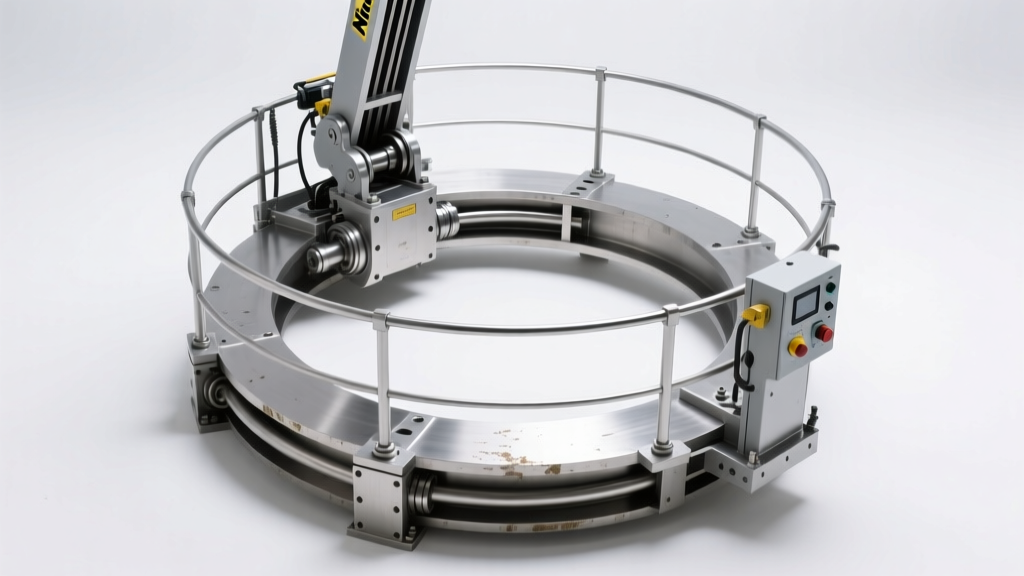
Types of Circular Lifts
A circular lift is a specialized lifting mechanism designed to move loads or platforms in a circular or rotational path, commonly used in industrial, architectural, and vertical transportation systems. These lifts are engineered for efficiency, safety, and smooth operation in various building types and applications. There are three primary types of circular lifts: Hydraulic, Mechanical, and Vacuum. Each offers unique advantages depending on the building height, frequency of use, and environmental considerations.
Hydraulic Circular Lift
Hydraulic circular lifts operate using a pressurized fluid system, where a hydraulic piston drives the vertical movement of the lift cylinder. This design ensures smooth, controlled motion with high lifting capacity and minimal mechanical wear.
Advantages
- High lifting capacity
- Smooth and quiet operation
- Low maintenance requirements
- Ideal for frequent but low-height travel
- Energy-efficient for short-distance lifts
Limitations
- Slower speed compared to mechanical systems
- Limited suitability for high-rise buildings
- Potential for fluid leaks if seals degrade
- Requires dedicated pump room space
Best for: Low-rise buildings, hospitals, residential complexes, and applications requiring smooth, quiet operation
Mechanical Circular Lift
Mechanical circular lifts use gear-driven or chain-driven systems powered by electric motors to achieve vertical movement. These lifts are built for durability and high-speed performance, making them suitable for tall structures with continuous usage demands.
Advantages
- High-speed operation
- Suitable for high-rise and skyscraper applications
- Precise positioning and control
- Long service life with proper maintenance
- Scalable for heavy-load applications
Limitations
- Higher initial installation cost
- More complex maintenance requirements
- Noisier operation than hydraulic systems
- Requires more structural support
Best for: Skyscrapers, commercial towers, and facilities requiring frequent, rapid vertical transport
Vacuum Circular Lift
Vacuum circular lifts operate based on air pressure differential, using suction and controlled airflow to elevate platforms. These eco-friendly systems utilize sealed chambers and vacuum pumps to generate lift without traditional cables or hydraulics.
Advantages
- Environmentally friendly (no hydraulic fluids or oils)
- Minimal ecological footprint
- Simple, clean design with fewer moving parts
- Quick installation in retrofit applications
- Low energy consumption
Limitations
- Limited lifting height and capacity
- Not suitable for high-rise buildings
- Sensitive to seal integrity and air leakage
- Less common in mainstream construction
Best for: Eco-conscious buildings, low-height installations, museums, and temporary structures
| Type | Lifting Mechanism | Max Height Suitability | Energy Efficiency | Best Application |
|---|---|---|---|---|
| Hydraulic | Fluid pressure & piston | Low to Medium (up to 6 floors) | High (for short travel) | Hospitals, residential, low-rise offices |
| Mechanical | Gears/Chains & motor | High (6+ floors, skyscrapers) | Moderate (higher energy at scale) | Commercial towers, high-rises |
| Vacuum | Air pressure differential | Very Low (1–3 floors) | Very High | Eco-buildings, exhibitions, retrofits |
Expert Tip: When selecting a circular lift system, consider not only building height but also usage frequency, environmental goals, and long-term maintenance costs. Hydraulic systems offer reliability for low-rise applications, while mechanical systems dominate in high-rise efficiency. Vacuum lifts are emerging as sustainable alternatives for niche, eco-focused projects.
Function, Features, and Design of Circular Lifts
Circular lifts, also known as rotating or helical elevators, represent a unique blend of architectural elegance and engineering innovation. Unlike traditional vertical elevators, these systems utilize a circular or helical motion to transport passengers between floors, making them a popular choice in modern commercial buildings, luxury residences, and landmark structures. Their compact footprint, aesthetic appeal, and efficient operation set them apart in vertical transportation solutions.
Core Functions of Circular Lifts
The primary purpose of a circular lift is to provide seamless vertical transportation while maximizing space efficiency and visual impact. These lifts operate using a continuous rotational mechanism, enabling smooth, uninterrupted movement. Below are the key functional aspects that define their performance and utility.
Vertical Transportation
The fundamental function of circular lifts is to move people efficiently between different levels of a building. Unlike conventional elevators that move in a straight line, circular lifts use a rotating cabin or platform that travels along a curved or helical path. This design allows for continuous vertical transit without the need for large machine rooms or extensive shaft space.
Powered by hydraulic or electric drive systems, the circular motion is carefully synchronized to ensure safe and stable passenger transport. This makes them ideal for applications where floor-to-floor connectivity is essential but space is limited.
Continuous Movement & High Efficiency
One of the standout advantages of circular lifts is their ability to provide continuous, non-stop movement. The cabin rotates in a loop, allowing passengers to board and disembark at designated floors without halting the entire system—similar to a moving walkway or paternoster lift.
This continuous operation significantly enhances throughput, making circular lifts highly effective in high-traffic environments such as shopping malls, museums, and office towers. The reduced waiting time and consistent flow contribute to improved user experience and operational efficiency.
Space Efficiency
Circular lifts are renowned for their compact design. Because they operate within a cylindrical shaft or open-core structure, they occupy significantly less floor area compared to traditional elevators, which require rectangular hoistways and overhead machine spaces.
This space-saving feature makes them an excellent solution for retrofitting into existing buildings or optimizing floor plans in new constructions. Their ability to integrate seamlessly into atriums, lobbies, and central cores enhances both functionality and architectural design.
Architectural Integration
Beyond transportation, circular lifts serve as dynamic architectural elements. Their rotating motion and transparent enclosures create a visually captivating centerpiece in modern interiors. Architects often use them to draw attention, define spatial hierarchy, or enhance the aesthetic flow of a building.
Whether installed in a glass tower or embedded within a sculptural core, circular lifts contribute to the overall design narrative, blending engineering with artistry.
Key Features of Modern Circular Lifts
Modern circular lifts are equipped with advanced features that enhance usability, safety, and visual appeal. These features not only improve passenger comfort but also align with contemporary design trends and smart building technologies.
Engineering and Structural Design
The performance and reliability of circular lifts depend heavily on their structural and mechanical design. Each component is precision-engineered to support continuous rotational movement while maintaining stability and passenger safety.
Rotating Platform Mechanism
The core of a circular lift is its rotating platform, which consists of interconnected circular segments supported by a central or peripheral drive system. Driven by an electric motor, the platform rotates smoothly along a predefined path, either within a cylindrical shaft or around a central column.
The rotation is carefully calibrated to maintain balance and prevent lateral forces. Bearings and support rollers ensure smooth travel, while control systems monitor speed and alignment in real time.
Guide Rails and Structural Support
Vertical guide rails are installed along the lift shaft to stabilize the moving platform and prevent wobbling or misalignment. These rails are typically made from high-strength steel and are precisely aligned during installation.
In suspended designs, overhead support structures or tension cables may be used to bear the load. In floor-mounted systems, reinforced foundations and anchoring systems ensure long-term stability.
Motor and Gear Mechanism
The motor mechanism is usually located at the base or top of the lift structure and consists of an electric motor coupled with a gearbox. This assembly generates the torque needed to rotate the platform and is controlled by a programmable logic controller (PLC) for precise speed regulation.
Gear systems such as worm gears or planetary gears are used to increase torque while reducing rotational speed, ensuring smooth and controlled movement. Regular maintenance of the motor and gear components is essential for long-term reliability.
Control and Automation System
Modern circular lifts are integrated with intelligent control systems that manage acceleration, deceleration, floor alignment, and emergency protocols. Sensors detect passenger presence, door status, and system health, enabling predictive maintenance and fault detection.
These systems can be connected to building management systems (BMS) for centralized monitoring and optimization, supporting smart building operations and energy efficiency.
| Component | Function | Material/Technology |
|---|---|---|
| Rotating Platform | Supports passengers and moves in a circular path | Steel frame with aluminum or composite cladding |
| Guide Rails | Ensure vertical stability and alignment | High-tensile steel with anti-corrosion coating |
| Drive Motor | Provides rotational power | Electric motor with variable frequency drive (VFD) |
| Enclosure | Passenger safety and aesthetic enhancement | Tempered laminated glass with UV protection |
| Control System | Manages operation, safety, and diagnostics | PLC-based with IoT connectivity options |
Important: Proper installation and regular maintenance are critical for the safe and efficient operation of circular lifts. Only certified technicians should perform servicing, and all components should be inspected according to manufacturer guidelines. Neglecting maintenance can lead to mechanical failure, safety hazards, or reduced lifespan. Always comply with local building codes and elevator safety standards (e.g., ASME A17.1 or EN 81).
Uses of Circular Lifts: Applications and Benefits Across Industries
Circular lifts—also known as circular elevators or helical elevators—are gaining popularity due to their space-saving design, aesthetic appeal, and efficient vertical transportation capabilities. Unlike traditional rectangular elevators, circular lifts utilize a compact footprint while offering smooth, reliable movement between floors. Their unique design makes them ideal for a wide range of applications, especially in modern architecture where space optimization and visual elegance are key. Below are the most common and impactful uses of circular lifts across various sectors.
High-Rise Buildings
In skyscrapers and high-rise structures, vertical transportation is critical for occupant convenience and building functionality. Circular lifts are increasingly integrated into these buildings due to their space-efficient cylindrical design, which allows for installation in tighter spaces without compromising capacity.
- Perfect for central core placements where floor space is at a premium
- Handle high passenger traffic during peak hours with smooth, continuous operation
- Offer panoramic views when equipped with glass enclosures, enhancing the aesthetic value
- Can be customized with premium finishes to match luxury building interiors
Design advantage: Their compact footprint frees up valuable floor area for rentable or functional space.
Malls and Commercial Centers
In bustling shopping malls and commercial complexes, customer experience and traffic flow are paramount. Circular lifts serve as both functional transport and architectural highlights, guiding shoppers between levels with ease.
- Provide an inviting, modern look that complements upscale retail environments
- Enable quick and efficient movement during peak shopping hours
- Often installed in atriums or central zones to act as visual focal points
- Available with glass walls for visibility and natural light penetration
Customer experience: Their smooth operation and elegant design contribute to a premium shopping atmosphere.
Residential Buildings
From luxury apartments to multi-story homes, circular lifts are becoming a sought-after feature in modern residential architecture. They offer a blend of elegance, convenience, and accessibility.
- Ideal for high-end condominiums and penthouses where design matters
- Provide accessibility for elderly residents or those with mobility challenges
- Save space compared to traditional elevator shafts, making them suitable for retrofitting
- Available in custom sizes and finishes to match interior decor
Smart investment: Adds long-term value and future-proofs homes for aging-in-place needs.
Airport Terminals
Large transportation hubs like airports require efficient, high-capacity vertical transport solutions. Circular lifts are increasingly used in terminals to move passengers, luggage, and staff between concourses, check-in levels, and transit areas.
- High load capacity supports passengers with heavy luggage and strollers
- Rapid cycle times reduce wait periods during peak travel hours
- Durable construction withstands constant use in high-traffic environments
- Can be integrated with wayfinding systems and real-time displays
Operational efficiency: Their reliability ensures uninterrupted passenger flow in critical transit zones.
Hospitals and Healthcare Facilities
In medical environments, timely and safe transport of patients, equipment, and personnel is essential. Circular lifts are engineered to meet the demanding requirements of healthcare settings.
- Smooth, vibration-free operation ensures patient comfort during transit
- Spacious cabins accommodate stretchers, wheelchairs, and medical devices
- Emergency backup systems and priority access modes enhance safety
- Easy-to-clean surfaces support infection control protocols
Critical benefit: Supports efficient emergency response and routine patient transfers between departments.
Office Buildings
In modern office complexes, especially those with multiple floors, circular lifts enhance employee productivity and building efficiency by reducing congestion and wait times.
- Handle rush-hour traffic during morning and afternoon peaks
- Reduce elevator bank footprint, allowing more usable office space
- Can be integrated with access control and smart building systems
- Offer quiet operation for a professional, distraction-free environment
Workplace advantage: Improves daily commuting within the building, boosting overall tenant satisfaction.
Architectural Insight: When designing new buildings or renovating existing ones, consider circular lifts not just as functional elements but as design features that enhance spatial flow and visual appeal. Their versatility allows integration into both contemporary and classical architectures, making them a future-ready choice for developers and facility managers.
| Application | Key Benefit | Capacity Range | Special Features |
|---|---|---|---|
| High-Rise Buildings | Space efficiency & aesthetics | 8–16 passengers | Panoramic glass, smart dispatch |
| Malls & Commercial Centers | Foot traffic management | 6–12 passengers | LED lighting, decorative finishes |
| Residential Buildings | Accessibility & luxury | 4–8 passengers | Custom interiors, quiet drive |
| Airport Terminals | High throughput & reliability | 10–20 passengers | Heavy-duty doors, luggage space |
| Hospitals | Patient comfort & safety | 6–12 passengers + equipment | Smooth start/stop, emergency mode |
| Office Buildings | Efficiency & integration | 8–14 passengers | Access control, energy-saving drive |
Additional Considerations for Circular Lift Selection
- Energy Efficiency: Modern circular lifts use regenerative drives that reduce power consumption by up to 30%.
- Maintenance Access: Designed with service-friendly components for easier inspections and repairs.
- Noise Levels: Advanced motor systems ensure quiet operation, ideal for residential and office use.
- Customization: Available in various diameters, door configurations, and interior finishes to match building design.
- Sustainability: Many models use recyclable materials and eco-friendly hydraulic or gearless systems.
How to Choose the Right Circular Hydraulic Lift: A Comprehensive Guide
Selecting the ideal circular hydraulic lift involves more than just basic functionality—it requires a strategic evaluation of your building’s unique needs and long-term operational goals. Hydraulic circular lifts are renowned for their smooth operation, reliability, and ability to handle moderate to heavy loads, making them a popular choice for commercial, residential, and institutional applications. However, to maximize performance, safety, and cost-efficiency, several key factors must be carefully assessed before making a decision.
Important Note: While hydraulic circular lifts offer excellent performance for low- to medium-rise buildings, they may not be the best fit for very tall structures. Always consult with a certified lift engineer or structural expert to ensure compliance with local building codes and safety standards.
Key Factors to Consider When Choosing a Circular Hydraulic Lift
- Building Height and Application
The number of floors in your building is one of the most critical factors in determining the appropriate lift system. Hydraulic circular lifts are ideally suited for structures with up to 5–6 floors, where they deliver consistent performance and energy efficiency. For high-rise buildings (typically above 7 floors), mechanical or traction lifts are generally preferred due to their superior speed and scalability. Choosing the right system based on height ensures optimal energy use, reduced wear, and longer service life.
- Traffic Volume and Load Capacity
Assess the expected daily usage of the lift. In commercial environments—such as office buildings, shopping malls, or hospitals—high passenger traffic demands a lift with robust load capacity. Circular hydraulic lifts are available in various load ratings (typically 630 kg to 1600 kg or more). Selecting a model with adequate capacity ensures efficient movement of people or goods, reduces wait times, and prevents system overload, which can lead to premature wear or breakdowns.
- Speed and Travel Time
Lift speed directly impacts user experience and operational efficiency. High-speed lifts (1.0 m/s or more) are essential in fast-paced environments like airports, hotels, or skyscrapers where time is critical. In contrast, residential or low-traffic buildings can operate effectively with standard-speed lifts (0.4–0.6 m/s), which provide a smooth and quiet ride. While hydraulic systems are generally slower than traction lifts, modern hydraulic designs offer improved acceleration and deceleration for enhanced comfort.
- Aesthetic Design and Interior Features
The visual appeal of a lift significantly influences the overall ambiance of a building. Circular hydraulic lifts offer unique architectural flexibility, allowing for panoramic glass cabins, LED lighting, mirrored walls, and custom finishes. These aesthetic enhancements not only improve user satisfaction but also add value to the property. In luxury residences, boutique hotels, or corporate lobbies, a well-designed lift can serve as a focal point of interior design.
- Maintenance Requirements and Long-Term Costs
Hydraulic lifts typically require more maintenance than mechanical or traction systems due to the complexity of the hydraulic pump, fluid system, and cylinder. Regular checks for fluid leaks, pump performance, and seal integrity are necessary to ensure safe and efficient operation. While maintenance costs may be higher, the durability and smooth ride of hydraulic lifts often justify the investment. Scheduling preventive maintenance every 6–12 months can extend the system’s lifespan and prevent costly repairs.
- Space Constraints and Installation Feasibility
Space availability—both inside and outside the lift shaft—is crucial. Hydraulic circular lifts require a machine room or overhead space for the hydraulic power unit, which can be a limiting factor in retrofit projects or compact buildings. In contrast, vacuum or machine-room-less (MRL) lifts require less space but may not offer the same load capacity. Carefully evaluate the structural layout, ceiling height, and floor loading capacity to determine the most suitable lift type for your space.
| Selection Factor | Hydraulic Lift Suitability | Best Use Cases | Alternative Options |
|---|---|---|---|
| Building Height | Low to medium (up to 6 floors) | Residential complexes, small offices, clinics | Traction lifts for high-rises |
| Traffic Volume | Medium to high capacity models available | Shopping centers, hotels, hospitals | Double-decker or multiple lifts for heavy traffic |
| Speed Requirements | Moderate (0.4–1.0 m/s) | Smooth ride for comfort-focused environments | High-speed traction lifts for skyscrapers |
| Aesthetic Flexibility | High—supports glass cabins, custom interiors | Luxury homes, lobbies, tourist attractions | Vacuum lifts with panoramic views |
| Maintenance Needs | Moderate to high (fluid, pump, seals) | Facilities with maintenance support | Mechanical lifts for lower upkeep |
| Space Availability | Requires machine room or overhead space | New constructions with planned lift zones | Vacuum or MRL lifts for tight spaces |
Expert Tip: When planning a circular hydraulic lift installation, involve a professional lift consultant early in the design phase. They can help optimize cabin size, door placement, and control systems to enhance accessibility, energy efficiency, and user experience.
Additional Recommendations for Optimal Selection
- Ensure the lift complies with local safety regulations and accessibility standards (e.g., ADA, EN 81).
- Consider energy-efficient models with regenerative drives or LED lighting to reduce operating costs.
- Choose user-friendly controls, including tactile buttons and voice announcements, for inclusive access.
- Evaluate warranty terms and availability of spare parts before finalizing the purchase.
- Plan for future scalability—select a system that can be upgraded if building usage changes.
Ultimately, choosing the right circular hydraulic lift is a balance between performance, aesthetics, space, and budget. By carefully evaluating each of these factors, you can select a lift that not only meets your current needs but also provides long-term reliability and user satisfaction. When in doubt, consult with a qualified lift manufacturer or installer to ensure the best possible outcome for your project.
Frequently Asked Questions About Circular Lifts
Q1: What is a circular lift, and how does it work?A circular lift is an innovative vertical transportation system featuring a rotating circular platform that moves passengers or goods between different levels of a building. Unlike traditional elevators that move linearly, circular lifts are engineered to rotate continuously in a loop, allowing for seamless and uninterrupted vertical transit.
The system operates using a central drive mechanism that powers the rotation of the platform along a fixed track or guide rail. As the platform rotates, individual cabins or seating areas remain level through gyroscopic stabilization or mechanical leveling systems, ensuring passenger comfort and safety throughout the journey.
These lifts are particularly effective in high-traffic environments such as skyscrapers, shopping malls, airports, and exhibition centers, where they enhance passenger flow by reducing wait times and increasing transport capacity. Their futuristic design also makes them a popular choice for architectural landmarks and luxury developments.
Q2: Are circular lifts suitable for outdoor use?Yes, many circular lifts are specifically designed for outdoor installation and can be seamlessly integrated into the exterior architecture of buildings. These outdoor models are constructed using weather-resistant materials such as marine-grade stainless steel, powder-coated aluminum, and UV-protected glass to withstand extreme conditions including rain, snow, high winds, and prolonged sun exposure.
Sealing mechanisms prevent water ingress, while anti-corrosion treatments and drainage systems protect internal components from moisture damage. Additionally, climate control features like heated platforms or anti-fogging glass may be included to maintain functionality and comfort in varying temperatures.
Outdoor circular lifts are often used in scenic locations—such as observation decks, rooftop gardens, or coastal structures—where panoramic views are a key design element. Their aesthetic appeal combined with practical utility makes them ideal for modern architectural projects that prioritize both form and function.
Q3: Do circular lifts require a lot of maintenance?Maintenance requirements for circular lifts vary significantly depending on the type of drive system used:
- Mechanical Circular Lifts: Utilize gears, chains, or belts for movement and typically require more frequent inspections and lubrication due to moving part wear.
- Hydraulic Circular Lifts: Use fluid pressure to operate and generally need periodic checks for leaks, fluid levels, and pump performance. While reliable, they may require professional servicing every 6–12 months.
- Vacuum (Pneumatic) Circular Lifts: Operate using air pressure differences and have fewer mechanical components, resulting in lower maintenance needs and longer service intervals.
Regardless of type, all circular lifts benefit from regular preventive maintenance, including monthly visual inspections, biannual professional servicing, and annual safety audits. Routine care ensures smooth operation, extends equipment lifespan, and maintains compliance with local building and safety codes.
Q4: Can circular lifts be customized in design?Absolutely—circular lifts offer extensive customization options, making them a versatile solution for architects, developers, and property owners seeking a unique aesthetic or functional integration.
Design elements that can be tailored include:
- Materials: Options range from brushed stainless steel and glass to wood paneling and custom composites, allowing alignment with interior or exterior design themes.
- Cabin Design: Interiors can be fitted with LED lighting, handrails, seating, climate control, and even digital displays or sound systems.
- Platform Size and Capacity: Can be scaled to accommodate anywhere from 2 to 20+ passengers, depending on space and usage requirements.
- Rotation Speed and Direction: Adjustable settings allow for slower scenic rides or faster transit, with options for clockwise or counter-clockwise rotation.
- Transparency Level: Fully transparent, semi-transparent, or enclosed cabins can be selected based on privacy, sunlight, or branding needs.
Customization ensures that each circular lift not only meets technical specifications but also serves as a striking architectural centerpiece.
Q5: Are circular lifts energy-efficient?Yes, modern circular lifts are designed with energy efficiency as a core principle. Different types offer varying levels of energy consumption, but all benefit from advanced engineering aimed at minimizing power use:
| Lift Type | Energy Source | Efficiency Features | Energy Consumption Level |
|---|---|---|---|
| Vacuum (Pneumatic) | Air pressure | Uses vacuum pumps that consume minimal electricity; no counterweights or cables needed | Lowest – highly energy-efficient |
| Hydraulic | Hydraulic fluid & electric pump | Energy-saving pumps, regenerative drives, and smart sensors reduce idle power use | Moderate – efficient with modern upgrades |
| Mechanical (Gear-Driven) | Electric motor with gears/pulleys | Optimized motor design, regenerative braking, and variable frequency drives (VFDs) | High efficiency when properly maintained |
In addition, many circular lifts incorporate regenerative energy systems that feed excess power back into the building grid, further enhancing sustainability. When combined with solar-powered operation or smart building integration, circular lifts can be part of a net-zero energy design strategy.