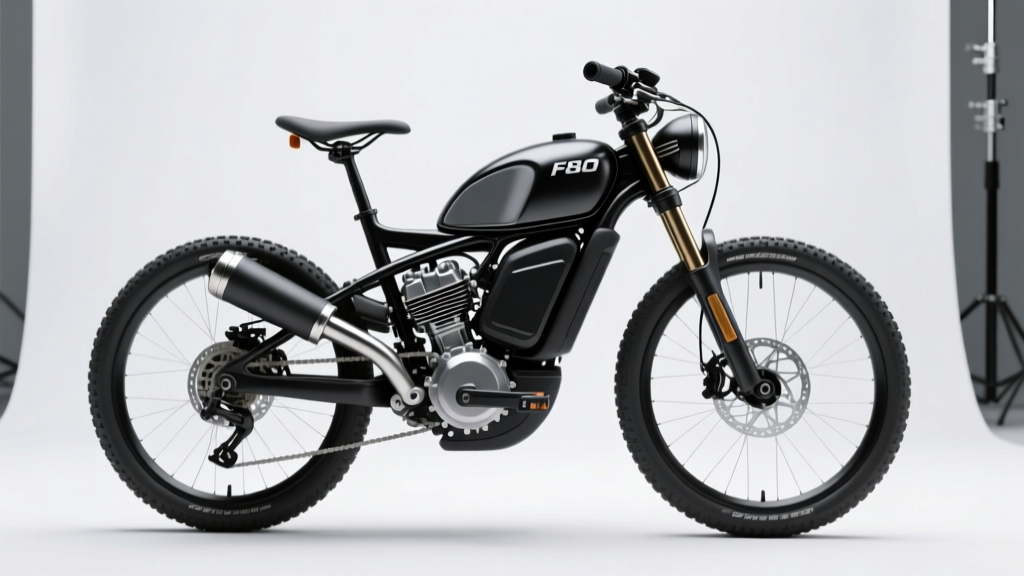
Types of Mobile Retarders
A mobile retarder is a specialized system designed to manage and reduce excessive heat buildup in mobile devices or vehicles by slowing down internal processes or mechanical motion. These systems play a crucial role in maintaining performance, safety, and longevity. Whether used in smartphones, high-performance machinery, or heavy-duty vehicles, different types of retarders are engineered to meet specific thermal, mechanical, and operational demands.
Electric Mobile Retarders
These are the most widely used retarders in consumer electronics and compact mobile systems. They function by regulating power flow to heat-generating components such as processors and batteries, effectively reducing thermal output through intelligent load management.
Advantages
- High energy efficiency
- Compact and lightweight design
- Silent operation with no moving parts
- Low power consumption
- Ideal for everyday mobile devices
Limitations
- Limited cooling capacity under extreme loads
- Less effective for prolonged high-performance tasks
- May require software integration for optimal control
Best for: Smartphones, tablets, laptops, and other consumer electronics
Hydraulic Mobile Retarders
Utilizing fluid dynamics, these retarders generate resistance through pressurized liquid flowing across precision-engineered chambers. The system absorbs kinetic energy and converts it into heat, which is then dissipated safely, providing smooth deceleration and enhanced stability.
Advantages
- Excellent heat dissipation under load
- Superior handling and braking control
- High durability in tough conditions
- Energy-efficient resistance generation
Limitations
- Bulkier and heavier than electric systems
- Requires regular maintenance and fluid checks
- Primarily used in industrial or heavy-duty applications
Best for: Heavy-duty vehicles, construction equipment, long-haul trucks
Exhaust Mobile Retarders
Commonly installed in diesel-powered or high-torque vehicles, exhaust retarders work by restricting the exhaust flow using a valve mechanism. This creates backpressure in the engine, effectively slowing it down and reducing reliance on friction brakes.
Advantages
- Significantly reduces brake wear and overheating
- Improves safety on downhill or wet roads
- Enhances tire grip and vehicle control
- Extends brake system lifespan
Limitations
- Only effective in internal combustion engine vehicles
- Can increase engine noise and backpressure
- Higher installation and maintenance complexity
Best for: Commercial trucks, buses, off-road vehicles, mountainous terrain operations
Eddy Current Mobile Retarders
Also known as electromagnetic retarders, these use magnetic fields to induce eddy currents in a conductive rotor. The resulting resistance provides smooth, contactless braking without mechanical wear, making them ideal for precision applications.
Advantages
- Extremely durable with no physical contact
- Nearly maintenance-free operation
- Precise and responsive control
- No brake dust or friction material degradation
Limitations
- Higher initial cost
- Generates heat in the rotor (requires cooling)
- Less effective at very low speeds
Best for: Luxury vehicles, high-speed trains, advanced braking systems, industrial machinery
| Type | Primary Use | Durability | Maintenance | Best Application |
|---|---|---|---|---|
| Electric | Thermal regulation in electronics | Good | Low | Smartphones, tablets, laptops |
| Hydraulic | Mechanical resistance in vehicles | Excellent | Moderate | Trucks, heavy machinery, industrial equipment |
| Exhaust | Engine braking in combustion vehicles | Very Good | Moderate to High | Commercial fleets, mountain driving |
| Eddy Current | Contactless braking and control | Excellent | Low | Luxury cars, rail systems, precision machinery |
Expert Tip: When selecting a mobile retarder, consider the operating environment, frequency of use, and thermal or mechanical load. For consumer electronics, electric retarders offer the best balance, while hydraulic and eddy current systems excel in industrial and high-performance settings.
Durability and Materials Used in Making Mobile Retarders
Mobile retarders are essential components in modern transportation and industrial systems, providing controlled deceleration without relying solely on traditional friction brakes. Their durability is directly influenced by the materials and engineering techniques used in their construction. Given the high-stress environments they operate in—characterized by intense heat, mechanical stress, and continuous use—selecting the right materials is critical for ensuring long-term reliability, safety, and performance.
Key Material Considerations for Enhanced Durability
High-Performance Alloys and Composites
The structural integrity of a mobile retarder depends heavily on the materials used in its core components. Most electric and hydraulic retarder manufacturers utilize advanced aluminum alloys and high-tensile steel to construct housings and support frameworks. These materials offer an optimal balance of strength, weight, and corrosion resistance.
In addition, specialized composite materials—such as carbon-fiber-reinforced polymers—are increasingly used in non-load-bearing but high-exposure areas to reduce overall weight and improve thermal stability. The integration of flexible silicone damping layers further enhances durability by absorbing vibrational energy and reducing micro-fatigue in adjacent metal components, thereby extending service life.
Robust Friction and Conductive Components
Durability in mobile retarders is not just about structural strength—it also involves the longevity of active braking elements. In hydraulic retarders, brake linings and friction meshes are typically made from dense, heat-resistant composites engineered to endure prolonged contact and repeated thermal cycling. These materials resist wear, maintain consistent coefficient of friction, and minimize particulate shedding.
For eddy current retarders, the conductor ring—usually made from high-purity aluminum or copper—is subjected to intense electromagnetic forces and must remain dimensionally stable under dynamic loads. The ring is often reinforced with structural ribs or embedded in a thermally conductive matrix to prevent warping and ensure consistent performance over time.
Heat Resistance and Thermal Management
One of the most significant challenges in retarder design is managing the extreme heat generated during operation. During extended braking cycles, temperatures can exceed 600°C, especially in hydraulic systems where kinetic energy is converted directly into thermal energy via fluid friction.
To combat this, manufacturers employ carbon-ceramic composites and sintered metallic friction materials that retain structural integrity and braking efficiency at elevated temperatures. These materials exhibit low thermal expansion and high thermal conductivity, reducing the risk of glazing or fade.
Ventilation and Cooling Design
Effective heat dissipation is just as important as material selection. Eddy current retarders, while not relying on friction, still generate substantial heat in the conductor rings due to induced currents. To prevent overheating, these units feature precision-engineered ventilation channels, cooling fins, or even integrated forced-air or liquid cooling systems.
Strategic airflow design ensures that hot spots are minimized and thermal gradients across the rotor are balanced. This not only prevents material degradation but also maintains consistent electromagnetic performance, which is crucial for predictable braking response in safety-critical applications.
| Material/Component | Function | Key Benefits |
|---|---|---|
| Aluminum Alloys | Structural housing, conductor rings | Lightweight, corrosion-resistant, excellent thermal conductivity |
| High-Tensile Steel | Mounting brackets, shafts | High strength-to-weight ratio, fatigue-resistant |
| Carbon-Ceramic Composites | Friction surfaces (hydraulic retarders) | Extreme heat resistance, low wear, consistent performance |
| Silicone Damping Layers | Vibration absorption | Reduces mechanical stress, extends component life |
| Copper/Aluminum Conductor Rings | Eddy current generation | High electrical conductivity, thermal stability |
Best Practices for Ensuring Long-Term Durability
Important: Using substandard materials or neglecting thermal management can lead to catastrophic failure, reduced braking efficiency, and safety hazards. Always adhere to manufacturer specifications and industry standards when selecting, installing, or maintaining mobile retarders. Investing in high-quality materials and proactive maintenance significantly extends service life and ensures operational safety.
What to Consider When Buying a Mobile Retarder
A mobile retarder is a critical auxiliary braking system designed to enhance vehicle safety, reduce wear on primary brakes, and improve control—especially in heavy-duty or long-distance applications. Choosing the right mobile retarder involves evaluating several key factors including vehicle type, operating conditions, compatibility, maintenance needs, and regulatory compliance. Making an informed decision ensures optimal performance, longevity, and legal adherence.
Type and Application
The choice of retarder type should align with your vehicle’s design and typical operating environment. Different technologies offer distinct advantages depending on load, terrain, and usage intensity.
- Electric retarders are ideal for light to medium-duty vehicles such as delivery trucks or urban buses. They provide smooth, responsive braking with minimal integration complexity and are energy-efficient.
- Hydraulic retarders deliver high torque absorption and are best suited for heavy-duty applications like construction vehicles or mountainous terrain operations where consistent downhill control is essential.
- Eddy current (electromagnetic) retarders offer excellent heat dissipation and are commonly used in commercial fleets and long-haul transport due to their durability and fade resistance.
- Exhaust brake systems, while not true "mobile" retarders, serve a similar purpose in diesel engines by restricting exhaust flow to slow the engine, often used in combination with other systems.
Key insight: Mobile retarders significantly extend the life of service brakes by handling up to 80% of routine deceleration in hilly or continuous driving conditions.
Installation and Compatibility
Ensuring seamless integration with your existing vehicle architecture is crucial for performance and safety. Compatibility affects both initial installation cost and long-term reliability.
- Electric retarders typically offer plug-and-play installation with minimal modifications to the drivetrain, making them a preferred option for retrofitting older models or standard fleet vehicles.
- Hydraulic and exhaust-based systems often require custom plumbing, mounting brackets, or ECU integration, increasing labor time and complexity.
- Always verify compatibility with the transmission type (manual, automated manual, or automatic), axle configuration, and onboard electronics (e.g., CAN bus communication).
- Consult OEM specifications or use VIN-based lookup tools to ensure precise fitment and avoid interference with ABS or stability control systems.
Pro tip: Opt for modular designs that allow future upgrades or integration with telematics and driver assistance systems.
Maintenance and Longevity
Different retarder technologies have varying maintenance demands, which directly impact operational downtime and total cost of ownership.
- Electric and eddy current retarders are virtually maintenance-free, requiring only periodic visual inspections and firmware updates (if applicable).
- Hydraulic retarders need regular fluid checks and replacements every 30,000–50,000 miles, along with seal inspections to prevent leaks.
- Exhaust retarders may require cleaning of valves and sensors, especially in dusty or high-emission environments.
- Wear-prone components like couplings, bearings, or solenoids should be inspected during scheduled maintenance intervals.
Critical consideration: Choose retarders with sealed units and corrosion-resistant materials for extended service life in harsh climates or off-road conditions.
Regulatory Compliance and Safety Features
Modern mobile retarders must meet stringent safety and environmental regulations, particularly for commercial and fleet vehicles operating across jurisdictions.
- In many regions, including the EU and North America, commercial vehicles over 3.5 tons are required to have an auxiliary braking system capable of sustained speed control on gradients.
- Ensure the retarder complies with standards such as ECE R13 (Europe) or FMVSS 121 (USA) for braking performance and fail-safe operation.
- Look for advanced safety features like automatic engagement when descending slopes, overheat protection, and driver-selectable modes (e.g., city, highway, mountain).
- Noise and emission regulations may also apply—especially for exhaust brakes—so verify local compliance before installation.
Smart choice: Select retarders with integrated diagnostics and warning indicators to enhance driver awareness and reduce accident risk.
Professional Recommendation: For most fleet operators, electric or eddy current retarders offer the best balance of performance, ease of installation, and low maintenance. Hydraulic systems remain the top choice for extreme-duty applications, but require more oversight. Always prioritize systems with strong manufacturer support, clear documentation, and accessible spare parts to ensure long-term reliability.
| Retarder Type | Best For | Installation Complexity | Maintenance Frequency | Lifespan (Avg.) |
|---|---|---|---|---|
| Electric | Light/medium-duty trucks, urban delivery | Low – plug-and-play | Minimal – annual inspection | 7–10 years |
| Hydraulic | Heavy-duty, off-road, mountainous terrain | High – custom integration | Every 30,000–50,000 miles | 8–12 years |
| Eddy Current | Long-haul trucks, coaches, commercial fleets | Moderate – requires power & control wiring | Biannual inspection | 10+ years |
| Exhaust Brake | Diesel engines, supplemental braking | Moderate – exhaust system modification | Every 40,000 miles | 6–8 years |
Additional Considerations
- Thermal Management: High-performance retarders generate significant heat; ensure proper ventilation or liquid cooling systems are in place to prevent overheating.
- Driver Training: Educate operators on proper use to maximize effectiveness and avoid misuse that could lead to system damage.
- Warranty and Support: Reputable brands offer 2–5 year warranties and technical support, reflecting product confidence and serviceability.
- Energy Recovery (Future-Proofing): Some next-gen electric retarders integrate with regenerative braking systems, improving fuel efficiency in hybrid or electric vehicles.
- Noise Levels: Eddy current and electric retarders operate quietly, making them suitable for urban environments where noise pollution is regulated.
Scenarios Where Mobile Retarders Are Used
Mobile retarders are advanced braking assistance systems designed to enhance vehicle safety, reduce brake wear, and improve operational efficiency across a wide range of industries. By providing controlled deceleration without relying solely on friction brakes, mobile retarders play a critical role in managing vehicle speed—especially in high-stress environments. Below are the key applications where mobile retarders deliver significant performance and safety advantages.
- Long-Distance Transport
In long-haul trucking, vehicles face continuous and demanding braking requirements, particularly when navigating mountainous regions or extended downhill stretches. Mobile retarders help maintain consistent, safe speeds by supplementing the primary braking system. This reduces thermal stress on brake components, minimizing the risk of brake fade and failure due to overheating.
By decreasing reliance on service brakes, mobile retarders significantly extend brake life, lower maintenance frequency, and reduce downtime. Fleet operators benefit from improved safety, lower operating costs, and enhanced compliance with transportation regulations. These advantages make mobile retarders an essential investment for logistics and freight companies managing large-scale, cross-country operations.
- Construction and Mining Operations
Construction sites and mining environments involve heavy machinery operating on uneven, steep, or slippery terrain while carrying massive loads. In these high-risk conditions, standard braking systems are prone to rapid wear and overheating, increasing the likelihood of catastrophic brake failure.
Mobile retarders provide consistent speed control during descent on inclines, reducing strain on mechanical brakes and preventing dangerous overheating. They also improve vehicle stability by enabling smooth, controlled deceleration—critical for preventing rollovers and loss of control. With safety being paramount in these sectors, mobile retarders are a preferred solution for managing large dump trucks, excavators, and haulers, ensuring reliable performance even under extreme loads and harsh conditions.
- Steep and Challenging Terrain
Vehicles operating in hilly or mountainous regions—such as tour buses, shuttle vans, and emergency response vehicles—face constant challenges in maintaining safe speeds on prolonged descents. Mobile retarders are especially effective in these scenarios, offering continuous braking power without degradation.
For electric and hybrid vehicles, mobile retarders often integrate with regenerative braking systems, capturing energy during deceleration and improving overall efficiency. By automatically engaging during downhill travel, they prevent uncontrolled acceleration and reduce driver fatigue. This enhanced braking control significantly lowers the risk of accidents caused by brake failure, making mobile retarders indispensable for safe navigation in rugged or alpine environments.
- Commercial Vehicle Fleet Management
Fleet managers are increasingly adopting mobile retarders to optimize vehicle performance, reduce operating costs, and ensure regulatory compliance. These systems contribute to longer brake component lifespan, fewer unscheduled repairs, and reduced downtime—key factors in maintaining high fleet availability.
Beyond maintenance savings, mobile retarders improve fuel efficiency by enabling smoother driving patterns and reducing aggressive braking. They also support environmental goals by lowering particulate emissions from brake wear and minimizing exhaust pollution through more efficient speed management. With real-time monitoring and integration into telematics systems, mobile retarders provide actionable data for predictive maintenance and operational analysis, making them a smart, forward-looking technology for modern fleet operations.
| Application Sector | Primary Benefits | Key Challenges Addressed | Vehicle Types Commonly Equipped |
|---|---|---|---|
| Long-Distance Transport | Reduced brake wear, improved safety, lower maintenance costs | Brake fade, overheating, long descents | Semi-trucks, tractor-trailers, refrigerated carriers |
| Construction & Mining | Enhanced stability, thermal protection, load control | Rollover risk, extreme loads, rugged terrain | Dump trucks, excavators, haul trucks, loaders |
| Steep & Challenging Terrain | Precise speed control, accident prevention, driver support | Uncontrolled acceleration, driver fatigue | Buses, emergency vehicles, off-road trucks |
| Commercial Fleet Management | Fuel efficiency, emission reduction, predictive maintenance | Fleet downtime, operational costs, compliance | Delivery vans, service trucks, public transit buses |
Expert Tip: When evaluating mobile retarder integration, consider pairing the system with electronic braking systems (EBS) and telematics platforms. This combination enables real-time performance monitoring, automated diagnostics, and optimized braking strategies tailored to specific routes and payloads.
Additional Considerations
- Regular inspection and calibration of mobile retarders ensure peak performance and safety.
- Driver training on proper retarder usage enhances system effectiveness and longevity.
- Mobile retarders complement, but do not replace, routine brake maintenance and inspections.
- Newer models offer adaptive control based on gradient, load, and speed for intelligent braking support.
- Regulatory standards in many regions now encourage or require auxiliary braking systems for heavy vehicles.
Mobile retarders represent a vital advancement in vehicle safety and efficiency. Their ability to manage kinetic energy effectively across diverse operational environments makes them a cornerstone technology in modern transportation and industrial sectors. As vehicle automation and sustainability become increasingly important, mobile retarders will continue to play a pivotal role in shaping safer, smarter, and more economical fleets.
Frequently Asked Questions About Mobile Retarders
Q1: Do mobile retarders really work, especially electric ones? What are their individual functions?Yes, electric mobile retarders are highly effective and represent a significant advancement in vehicle braking technology. Unlike traditional friction-based braking systems, electric retarders (also known as electromagnetic or eddy current retarders) operate by generating resistance through magnetic fields, converting kinetic energy into electrical energy during deceleration.
Their primary function is to assist the main braking system by reducing reliance on mechanical brakes, especially during prolonged or downhill driving. This results in several key benefits:
- Extended Brake Lifespan: By minimizing the use of friction components like brake pads and discs, electric retarders significantly reduce wear and tear.
- Heat Management: Traditional brakes generate substantial heat during use, which can lead to brake fade. Electric retarders dissipate energy more efficiently, helping keep the entire braking system cooler.
- Energy Efficiency: While most systems currently dissipate the generated electricity as heat, some advanced models can feed energy back into the vehicle’s battery or auxiliary systems, improving overall efficiency—especially in hybrid or electric commercial vehicles.
- Smooth Braking: Offers consistent, jolt-free deceleration, enhancing passenger comfort and load stability in freight transport.
Overall, integrating electric mobile retarders leads to lower maintenance costs, improved safety, and longer service intervals for the primary braking system.
Q2: Why are hydraulic mobile retarders selected over electric ones in some instances, even though electric ones require less maintenance?While electric retarders offer low maintenance and smooth operation, hydraulic retarders are often preferred in high-demand applications due to their superior braking torque and responsiveness under extreme conditions.
Hydraulic retarders work by using a fluid coupling system—typically filled with oil—that creates resistance when engaged. As the rotor spins inside the fluid chamber, energy is absorbed and dissipated as heat through a cooling system. Key advantages include:
- High Braking Power: Capable of handling massive kinetic energy, making them ideal for heavy-duty trucks, buses, mining vehicles, and emergency response units.
- Immediate Response: Hydraulic systems can deliver near-instantaneous braking force, which is critical in sudden slowdown scenarios.
- Durability in Harsh Conditions: Proven reliability in rugged environments where dust, moisture, and temperature extremes challenge electronic components.
Although they require more maintenance than electric models (such as fluid changes and cooling system checks), their unmatched performance in demanding operations justifies their use. The choice ultimately depends on the vehicle’s duty cycle, load requirements, and operating environment.
| Feature | Electric Retarder | Hydraulic Retarder |
|---|---|---|
| Braking Mechanism | Electromagnetic resistance (eddy currents) | Fluid-based resistance (oil shear) |
| Maintenance Level | Low (no fluids, minimal wear) | Moderate (fluids, seals, cooling system) |
| Peak Braking Force | High (best for medium-duty use) | Very High (ideal for heavy-duty applications) |
| Noise Level | Quiet | Moderate to loud (pump noise) |
| Best Application | Urban buses, delivery trucks, electric vehicles | Mining trucks, long-haul freight, mountainous terrain |
Yes, mobile retarders can be retrofitted into vehicles that weren’t initially equipped with them—a process known as aftermarket installation. However, successful integration depends on several factors:
- Vehicular Compatibility: The vehicle’s drivetrain, axle configuration, and available space must accommodate the chosen retarder type (electric or hydraulic).
- Power and Cooling Requirements: Electric models need sufficient electrical system capacity, while hydraulic versions require a dedicated pump, reservoir, and radiator setup.
- Control System Integration: Modern retarders often interface with the vehicle’s CAN bus or braking control module, requiring professional calibration.
- Structural Modifications: Mounting brackets, driveline adaptations, and reinforcement may be necessary depending on the model.
Some manufacturers offer universal or semi-custom kits for common vehicle platforms, but each retrofit should be evaluated on a case-by-case basis. It is strongly recommended to consult a certified technician or authorized dealer to ensure proper fitment, compliance with safety regulations, and warranty considerations. Improper installation can compromise vehicle safety and performance.
Q4: How do electric mobile retarders perform in adverse weather conditions?Electric mobile retarders are engineered for reliable performance across a wide range of environmental conditions, including extreme cold, intense heat, and heavy precipitation.
Key design features that enhance weather resistance include:
- Sealed Electronics: Critical components such as control units and sensors are housed in IP67-rated enclosures, protecting against dust and water ingress.
- Temperature Tolerance: Operating ranges typically span from -40°C to +85°C (-40°F to 185°F), making them suitable for arctic winters and desert climates alike.
- Corrosion-Resistant Materials: Housings and fasteners are often made from aluminum alloys or stainless steel to resist rust and degradation.
- Condensation Management: Internal ventilation or desiccant systems prevent moisture buildup inside the unit.
Unlike friction brakes, electric retarders are not affected by wet road surfaces since they don’t rely on tire-to-road grip for deceleration. This makes them particularly valuable in rainy or snowy conditions where traditional brakes may experience reduced efficiency. Regular inspections—especially after exposure to salt, mud, or flooding—are advised to maintain optimal functionality and longevity.
Q5: What kind of noises do electric mobile retarders produce during operation?One of the standout advantages of electric mobile retarders is their quiet operation. Unlike hydraulic or exhaust-based systems, they produce minimal noise, typically limited to a soft hum or low-frequency whirring caused by the rotation of the rotor within the magnetic field.
This makes electric retarders especially well-suited for:
- Urban Transit Buses: Reduced noise pollution improves the passenger experience and complies with city noise ordinances.
- Residential Deliveries: Quieter braking allows for early-morning or late-night operations without disturbing communities.
- Passenger Comfort: Smooth, silent deceleration enhances ride quality compared to the clunking or hissing sounds associated with air or hydraulic systems.
In contrast, hydraulic retarders often generate noticeable pump noise, and exhaust brakes (sometimes confused with retarders) produce loud engine braking sounds. Electric models eliminate these auditory disruptions, contributing to a more pleasant and environmentally friendly driving experience. Any unusual noises—such as grinding or screeching—should be investigated promptly, as they may indicate mechanical issues or misalignment.