Types of F80 Bikes with Gasoline Motor
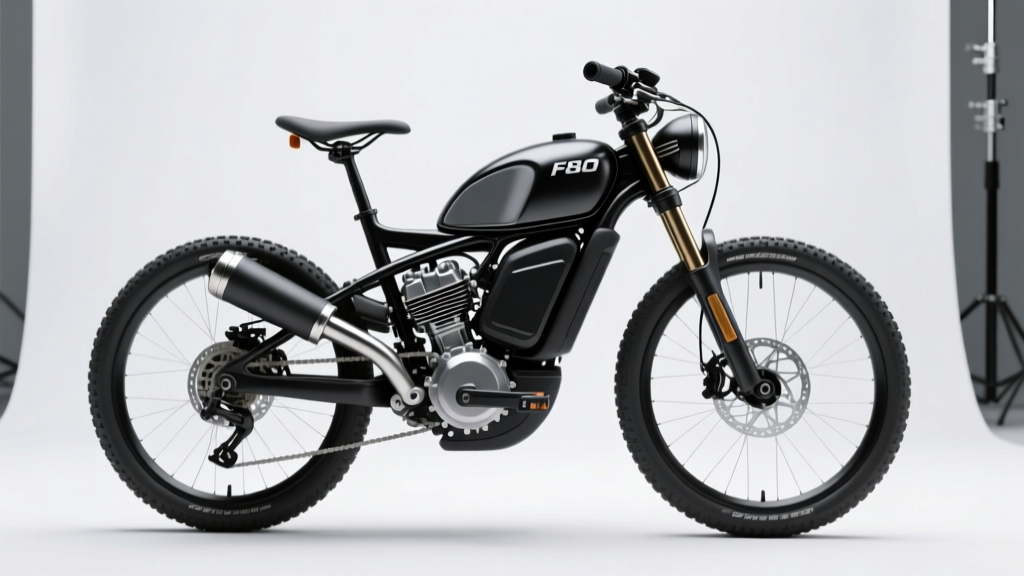
The F80 gasoline-powered bike is a versatile and innovative hybrid vehicle that combines pedal-assist functionality with a compact gas engine, offering enhanced speed, range, and convenience. Designed for a variety of riding styles and environments, F80 bikes come in several specialized types, each tailored to specific user needs—from urban commuting to rugged off-road adventures. These models vary in frame design, tire size, suspension systems, and engine integration, making them suitable for different terrains and rider preferences.
Folding F80 Bike with Gasoline Motor
A compact, portable solution designed for urban riders and commuters with limited storage space.
Advantages
- Folds quickly for easy storage in apartments, cars, or offices
- Lightweight and highly portable
- Ideal for multi-modal commuting (bike + public transit)
- Retains multiple speed gears and efficient engine performance
- Adjustable frame fits riders of various heights
Limitations
- Smaller wheels may reduce stability on rough terrain
- Less suspension compared to full-frame models
- Engine power slightly limited by compact design
Best for: City dwellers, daily commuters, travelers, and those with limited storage space
Fat Tire F80 Bike with Gasoline Motor
Built for all-terrain performance with oversized tires for superior traction and comfort.
Advantages
- 4-inch or wider tires provide excellent grip on sand, snow, mud, and gravel
- Enhanced stability and shock absorption on uneven surfaces
- Gas motor assists in overcoming resistance from heavy tires
- Ideal for beach rides, forest trails, and winter cycling
- Durable frame withstands off-road stress
Limitations
- Heavier than standard bikes, reducing portability
- Higher fuel consumption due to increased rolling resistance
- Less efficient on paved roads compared to narrow-tire models
Best for: Adventure seekers, off-road enthusiasts, beach riders, and winter cyclists
Mountain F80 Bike with Gasoline Motor
Engineered for trail riding with rugged frames, advanced suspension, and powerful motor assist.
Advantages
- Front and rear suspension systems absorb impacts on rocky trails
- High-torque gasoline engine enables effortless climbing
- Durable frame built to withstand intense off-road use
- Improved control and comfort over long trail rides
- Combines the agility of a mountain bike with motorized endurance
Limitations
- Not ideal for urban commuting due to weight and size
- Louder engine noise compared to electric models
- Requires more maintenance than standard bicycles
Best for: Trail riders, mountain bikers, and outdoor adventurers seeking powered off-road performance
Off-Road F80 Bike with Gasoline Motor
A high-performance variant designed for extreme terrain and rugged exploration.
Advantages
- Reinforced steel or aluminum frame for maximum durability
- Heavy-duty suspension and all-terrain tires for superior traction
- Powerful gas engine delivers consistent performance on steep inclines
- Designed for remote areas where charging infrastructure is unavailable
- Long fuel range allows for extended exploration without refueling
Limitations
- Heaviest and bulkiest F80 variant
- Higher fuel consumption in demanding conditions
- Not street-legal in some urban zones due to emissions and noise
Best for: Explorers, backcountry riders, and off-grid adventurers needing reliable, long-range power
| Type | Terrain Suitability | Portability | Motor Efficiency | Best Use Case |
|---|---|---|---|---|
| Folding F80 | Urban, Paved Roads | Excellent | High (optimized for city use) | Daily commuting, compact storage |
| Fat Tire F80 | Beach, Snow, Sand, Gravel | Fair | Medium-High (handles resistance well) | All-season adventure riding |
| Mountain F80 | Trails, Rocky Paths, Hills | Fair | High (optimized for climbing) | Trail riding and off-road excursions |
| Off-Road F80 | Extreme Terrain, Remote Areas | Poor | Very High (long-range capability) | Backcountry exploration and rugged terrain |
Expert Tip: For optimal performance and longevity of your gasoline-powered F80 bike, perform regular maintenance such as cleaning the air filter, checking spark plug condition, and lubricating the chain every 100 miles or after off-road use.
Comprehensive Design of the F80 Bike with Gasoline Motor
The design of the F80 bike equipped with a gasoline motor is a critical factor in determining its overall performance, rider comfort, versatility, and usability across different environments. Unlike traditional bicycles, the integration of a gasoline-powered motor introduces additional engineering considerations such as weight distribution, vibration control, fuel storage, and heat dissipation. Key design elements—including frame construction, wheel and tire configuration, motor and battery placement (where applicable), and control systems—work in harmony to deliver a reliable, efficient, and enjoyable riding experience.
Frame Materials and Structural Design
Material Selection
The choice of frame material significantly influences the F80 bike’s durability, weight, and responsiveness. While traditional steel frames offer robustness and shock absorption, they are heavier and prone to rust if not properly coated. Aluminum frames provide a favorable strength-to-weight ratio, making them ideal for urban commuting and moderate off-road use. High-end models may incorporate carbon fiber composites, which reduce overall weight while maintaining structural integrity—especially beneficial when compensating for the added mass of a gasoline engine.
Additionally, corrosion-resistant coatings and reinforced joints are essential to withstand the vibrations and thermal expansion caused by the motor’s operation.
Frame Geometry and Style
Frame design varies based on intended use. Folding frames enhance portability and storage convenience, making them suitable for commuters who combine cycling with public transportation. Step-through frames improve accessibility, particularly for riders with mobility limitations. In contrast, rigid mountain-style frames with reinforced downtubes and swingarms are engineered for rugged terrain, providing stability under dynamic loads.
For gasoline-powered models, the frame must also accommodate engine mounting points, exhaust routing, and fuel tank integration without compromising structural rigidity or safety.
Wheels and Tires: Performance Across Terrains
Tire Type and Width
F80 bikes are available with a range of tire options tailored to specific riding conditions. Slim, high-pressure tires minimize rolling resistance and are optimal for paved roads and city streets, enhancing fuel efficiency and top speed. Conversely, wide "fat tires" with deep treads provide superior traction on sand, snow, mud, or rocky trails, making them ideal for adventure and off-road applications.
Some models feature all-terrain hybrid tires that balance grip and efficiency, offering versatility for mixed-surface commuting.
Wheel Size and Handling
Common wheel sizes for F80 bikes include 20", 26", and 27.5". Smaller wheels (e.g., 20") improve maneuverability and acceleration, making them suitable for tight urban environments. Larger wheels (26" and above) roll over obstacles more smoothly, maintain momentum better, and provide a more stable ride at higher speeds.
Rim material—typically aluminum alloy—must be strong enough to support the increased total vehicle weight due to the motor and fuel system, while also resisting deformation from impacts.
Motor Integration and Power System Layout
Motor Placement Options
The location of the gasoline motor plays a crucial role in handling and balance. Most F80 bikes utilize either a rear hub-mounted engine or a mid-frame mounted system. Rear hub motors are simpler to install and maintain, delivering direct drive force to the rear wheel. However, they can create rearward weight bias, affecting front-end traction.
Mid-mounted engines, often positioned near the bottom bracket, offer better weight distribution and lower the center of gravity, resulting in improved cornering stability and a more natural riding feel. This configuration also allows for easier chain-driven power transmission and better cooling airflow.
Fuel Tank and System Integration
Unlike electric e-bikes, gasoline-powered F80 models require a fuel storage system. The fuel tank is typically integrated into the frame triangle or mounted beneath the seat to preserve aesthetics and maintain balance. Tanks are made from lightweight, leak-proof materials such as high-density polyethylene or aluminum, with capacities ranging from 0.8L to 1.5L depending on range requirements.
The carburetor, air filter, and exhaust system must be strategically placed for easy access during maintenance while minimizing noise and heat exposure to the rider. Modern designs often include catalytic converters or low-emission engines to comply with environmental regulations.
Controls, Instrumentation, and Rider Features
The F80 bike’s control system is designed to provide intuitive operation and real-time feedback, enhancing both safety and convenience. These systems are especially important given the higher speeds and mechanical complexity associated with motorized bikes.
| Design Feature | Impact on Performance | Best Use Case |
|---|---|---|
| Aluminum Frame | Lightweight, corrosion-resistant, durable | Urban commuting, moderate off-road |
| Fat Tires (4"+) | Superior traction on soft or uneven surfaces | Beach riding, snow, trails |
| Mid-Mounted Motor | Balanced weight distribution, stable handling | Hilly terrain, long-distance rides |
| Integrated Fuel Tank | Improved aesthetics, even balance | All-purpose and commuter models |
| Digital Dashboard | Real-time monitoring, enhanced user control | Modern and premium variants |
Important: Regular maintenance of the gasoline engine—including spark plug checks, air filter cleaning, fuel line inspection, and lubrication—is essential to ensure reliable performance and extend the lifespan of the F80 bike. Always follow manufacturer guidelines for tune-ups and use recommended fuel and oil types. Improper maintenance can lead to engine failure, reduced efficiency, or safety hazards.
Scenarios of F80 Bike with Gasoline Motor: A Complete Guide
The F80 bike with a gasoline motor is a versatile, high-performance hybrid vehicle designed for modern riders seeking both convenience and adventure. Combining the compact efficiency of a folding bike with the power of a gas engine, the F80 is engineered to excel in diverse environments—from bustling city streets to rugged off-road trails. Its unique blend of portability, endurance, and mechanical assistance makes it an ideal choice for commuters, fitness enthusiasts, explorers, and outdoor adventurers alike.
Urban Commuting
Designed with city dwellers in mind, the F80 bike offers a smart, eco-conscious alternative to traditional urban transportation. Its compact folding mechanism allows riders to easily store it in small apartments, under office desks, or carry it onto buses, subways, and trains—eliminating the hassle of bike parking and theft concerns.
- Traffic Efficiency: The gasoline motor enables riders to bypass traffic congestion, maintaining consistent speeds without physical strain.
- Space-Saving Design: Folds down quickly for easy storage in tight spaces or inside car trunks.
- Fuel Efficiency: High-mileage engine ensures low operating costs—ideal for daily commutes.
- Low Maintenance: Sealed chain and durable frame reduce upkeep in dusty or wet city conditions.
Pro Tip: Pair the F80 with a smartphone GPS mount for real-time navigation through urban shortcuts and bike lanes.
Recreational Riding
The F80 bike shines as a recreational vehicle, perfect for weekend getaways, scenic coastal rides, or exploring local parks and nature trails. Unlike traditional bicycles, the gas-powered motor allows riders of all fitness levels to enjoy extended rides without fatigue.
- Extended Range: Capable of covering 60+ miles on a single tank, enabling long-distance leisure rides.
- All-Terrain Usability: Performs well on paved roads, gravel paths, sandy beaches, and forest trails.
- Comfort-Oriented Design: Ergonomic seat and adjustable handlebars enhance comfort during relaxed rides.
- Adventure-Ready: Mount racks or panniers to carry picnic gear, cameras, or water bottles.
Ideal For: Couples, families, or solo riders looking to explore scenic routes without physical exhaustion.
Trail and Off-Road Riding
For thrill-seekers and off-road enthusiasts, the F80 bike delivers exceptional performance on rugged terrain. Its reinforced frame, all-terrain tires, and powerful gasoline motor make it a reliable companion for mountain trails, dirt paths, and uneven landscapes.
- Superior Traction: Knobby tires and balanced weight distribution ensure grip on loose or slippery surfaces.
- Motor-Assisted Climbing: Effortlessly conquer steep inclines and rocky ascents with engine power support.
- Durable Suspension: Shock-absorbing front fork reduces rider fatigue on bumpy trails.
- Weather Resistant: Sealed engine components withstand rain, mud, and dust exposure.
Expert Note: Always check local regulations before using motorized bikes on protected hiking or biking trails.
Travel and Exploration
The F80 bike is an excellent tool for eco-friendly exploration, especially for travelers who value mobility and access to remote locations. Whether touring national parks, coastal villages, or rural countryside, the gas-powered assist allows riders to cover more ground than traditional cycling.
- Portability: The folding design makes it easy to transport in SUVs, RVs, or even checked luggage on flights (when disassembled).
- Multi-Modal Trips: Combine with ferries, trains, or rental cars to create dynamic travel itineraries.
- Off-Grid Capability: No need for charging stations—refuel at any gas station, making it ideal for remote adventures.
- Photography & Nature Tours: Quiet engine operation allows close encounters with wildlife and peaceful observation.
Travel Hack: Use a portable fuel canister to extend range during backcountry trips.
Fitness and Active Riding
Despite its motorized assistance, the F80 bike supports active lifestyles and fitness goals. Riders can adjust engine output or disable it entirely to increase physical exertion, making it a flexible tool for cardiovascular training and endurance building.
- Interval Training: Alternate between motor-assisted and manual pedaling for HIIT-style workouts.
- Progressive Conditioning: Start with higher motor support and gradually reduce it as fitness improves.
- Joint-Friendly Exercise: Ideal for individuals with knee or back issues who want low-impact cardio.
- Long-Distance Motivation: Motor assist helps maintain momentum, encouraging longer rides and consistent exercise habits.
Fitness Tip: Track your ride data with a cycling app to monitor distance, speed, and calories burned.
Practical Advantages Summary
The F80 gas-powered folding bike combines innovation, efficiency, and adaptability across multiple use cases. Below are key technical and practical benefits that enhance its real-world usability.
- Engine Type: 49cc 2-stroke or 4-stroke (depending on model), delivering 2.5–3.5 HP for reliable acceleration.
- Fuel Capacity: 1–1.5L tank providing 50–80 miles per fill-up.
- Top Speed: 25–30 mph (varies by terrain and local laws).
- Weight: Approx. 45–55 lbs, lightweight for a motorized bike.
- Legal Compliance: Meets federal guidelines for motorized bicycles in many regions (check local DMV rules).
Safety Reminder: Always wear a helmet, use lights at night, and follow traffic laws when operating motorized bikes.
Professional Insight: The F80 bike bridges the gap between traditional cycling and motorized transport. For urban users, it reduces commute stress and environmental impact. For adventurers, it unlocks new terrain and travel possibilities. And for fitness riders, it offers a scalable way to stay active. When recommending the F80, emphasize its versatility, fuel efficiency, and ease of transport—key selling points across all user types.
| Use Case | Key Benefit | Recommended Accessories | Lifestyle Fit |
|---|---|---|---|
| Urban Commuting | Reduces traffic stress & parking issues | Folding rack, lock, LED lights | Busy professionals, students |
| Recreational Riding | Enables long, enjoyable rides with minimal fatigue | Comfort seat, water bottle holder | Families, retirees, hobbyists |
| Trail Riding | Power-assisted off-road capability | Off-road tires, helmet, knee pads | Adventure seekers, outdoor enthusiasts |
| Travel & Exploration | Compact and transportable for multi-location trips | Travel case, fuel bottle, GPS | Travelers, campers, photographers |
| Fitness Training | Adjustable effort levels for progressive workouts | Heart rate monitor, fitness tracker | Athletes, rehab patients, fitness beginners |
Additional Considerations
- Maintenance: Regular oil changes, air filter cleaning, and spark plug checks ensure long-term engine reliability.
- Noise Level: Modern F80 models feature mufflers for quieter operation, suitable for residential and natural areas.
- Environmental Impact: While not zero-emission, gas-powered bikes produce significantly fewer emissions than cars or motorcycles.
- Storage: Folded dimensions (approx. 32" x 28" x 14") make it ideal for apartments, garages, or boat/RV storage.
- Resale Value: Well-maintained F80 bikes retain value due to their popularity and durability.
Specification & Maintenance of F80 Bike with Gasoline Motor
The F80 gasoline-powered bike combines the convenience of pedal-assist with the efficiency of a small internal combustion engine, making it ideal for urban commuting, recreational riding, and light off-road use. Understanding its key specifications and performing regular maintenance not only enhances performance but also significantly extends the lifespan of the bike. Familiarity with its components allows riders to perform basic care tasks confidently and identify potential issues early.
Safety Note: Always turn off the engine and allow it to cool before performing any maintenance. Work in a well-ventilated area when handling fuel or cleaning parts. Wear protective gloves and eye protection when working with moving parts, chains, or sharp components.
Key Specifications of the F80 Gas-Powered Bike
The F80 bike is engineered for versatility, combining a lightweight frame with a compact gasoline engine to deliver reliable power. Below is a detailed breakdown of its core specifications and their practical implications:
- Engine Size (40cc–80cc): The F80 typically features a 2-stroke or 4-stroke gasoline engine ranging from 40cc to 80cc. Smaller 40–50cc engines are ideal for flat terrain and light urban commuting, offering better fuel efficiency (up to 100 mpg). Larger 60–80cc engines provide increased torque and hill-climbing ability, making them suitable for hilly areas or heavier loads, though they consume more fuel and may require more frequent maintenance.
- Frame Material (Aluminum or Steel): Most F80 models use either high-tensile steel or lightweight aluminum alloy frames. Steel frames offer superior durability and shock absorption, making them excellent for off-road or rugged use. Aluminum frames are corrosion-resistant and lighter, improving portability and ease of handling, especially for folding models designed for city commuting.
- Tire Size (20" to 28"+): Tire diameter varies based on model type. Compact 20" wheels are common in folding or commuter versions, enhancing maneuverability and storage. Standard 26" tires offer a balanced ride for mixed terrain, while fat-tire models (24"–28") with wide treads (up to 4") provide exceptional traction on sand, snow, or muddy trails.
- Brake System (Disc or Rim Brakes): Braking systems vary by model. Rim brakes are lighter and simpler but less effective in wet or muddy conditions. Hydraulic or mechanical disc brakes are standard on performance-oriented F80 bikes, offering consistent stopping power, better modulation, and improved safety—especially important given the added speed and weight from the motor.
- Gear System (Single-Speed or Multi-Speed): While the engine provides primary propulsion, most F80 bikes retain a traditional derailleur or internal gear hub system (typically 6–21 speeds). This allows riders to pedal efficiently across varied terrain, conserve fuel on flat roads, or use pedal-assist mode when starting from a stop. Proper gear shifting reduces strain on both the rider and the drivetrain.
| Component | Common Options | Performance Impact | Best For |
|---|---|---|---|
| Engine Size | 40cc, 50cc, 80cc | Higher cc = more power, lower fuel economy | 80cc: Hills & cargo; 40cc: City commuting |
| Frame Material | Steel, Aluminum | Steel = durable; Aluminum = lightweight | Steel: Off-road; Aluminum: Urban/folding |
| Tire Size | 20", 26", 27.5", Fat (4"+) | Larger/wider = more grip, slower acceleration | Fat tires: Sand/snow; 20": Compact storage |
| Brake Type | Rim, Mechanical Disc, Hydraulic Disc | Disc brakes offer superior wet-weather performance | Hydraulic disc: Safety-critical use |
| Gear System | 1-speed, 6–21 speeds | More gears = better terrain adaptability | Multi-speed: Hilly or mixed routes |
Essential Maintenance Schedule for Optimal Performance
Regular maintenance ensures your F80 bike runs smoothly, safely, and efficiently. Below is a comprehensive guide to key maintenance tasks, frequency, and best practices:
- Engine Maintenance (Every 500 Miles or Monthly): Check the engine oil level and top off with 2-stroke or 4-stroke oil as specified. Inspect the spark plug for fouling or wear and clean or replace it every 1,000 miles. Clean the air filter regularly—especially in dusty environments—to maintain proper fuel-air mixture and prevent engine strain.
- Battery Care (If Equipped with Electric Start): Some F80 models feature electric start systems powered by a small 12V battery. Charge the battery fully before storage and avoid deep discharges. Store in a cool, dry place and recharge every 4–6 weeks to prevent sulfation. Use only the manufacturer-recommended charger.
- Brake System Check (Every 200 Miles or Biweekly): Inspect brake pads for wear—replace if thickness is below 3mm. Check brake cables for fraying or stiffness and lubricate as needed. For disc brakes, ensure rotors are not warped and calipers are aligned. Test brake lever feel; a spongy response may indicate air in hydraulic lines.
- Tire Upkeep (Before Every Ride): Maintain proper tire pressure (check sidewall for PSI recommendations—typically 35–65 PSI). Inspect for cuts, embedded debris, or excessive tread wear. Underinflated tires increase rolling resistance and risk of blowouts; overinflated tires reduce traction and comfort.
- Lubrication (Every 100 Miles or Monthly): Apply bicycle-specific chain lube to the chain, derailleurs, and pivot points. Wipe off excess to prevent dirt buildup. For the engine, ensure the drive sprocket and chain are clean and properly tensioned (½ inch of vertical play is ideal).
- Suspension Inspection (Every 500 Miles or Seasonally): If your F80 has front or rear suspension, check for smooth operation. Look for oil leaks around fork seals or rear shocks. Clean and lubricate stanchions periodically. Replace worn seals or bushings to maintain ride quality and control.
Expert Tip: After each ride, especially in wet or dusty conditions, wipe down the chain, engine, and frame to prevent corrosion. Run the engine for 5–10 minutes after cleaning to evaporate moisture and keep internal components dry.
Additional Maintenance Recommendations
- Store the bike in a dry, covered area to protect the engine and electrical components from moisture.
- Use fresh gasoline with a fuel stabilizer if storing the bike for more than 30 days to prevent carburetor clogs.
- Check and tighten all bolts (engine mount, wheel axles, handlebars) every 500 miles to ensure structural integrity.
- Replace the fuel filter annually or if the engine struggles to start or run smoothly.
- Keep a maintenance log to track oil changes, part replacements, and tune-ups for better long-term care.
By adhering to these specifications and maintenance guidelines, F80 bike owners can enjoy reliable performance, improved fuel efficiency, and extended component life. Regular care not only enhances safety but also maximizes the return on investment in this versatile motorized bicycle. When in doubt about a repair or adjustment, consult a qualified technician familiar with gas-powered bikes to ensure proper servicing.
Frequently Asked Questions About F80 Gasoline-Powered Fat Tire Bikes
Q1: What are the benefits of an F80 bike with a gasoline motor?The F80 gasoline-powered bike offers a powerful blend of traditional cycling and motorized convenience, making it an excellent choice for riders seeking enhanced performance and versatility. Key benefits include:
- Extended Range: Unlike many e-bikes limited by battery life, gasoline-powered models can travel significantly longer distances on a single tank, ideal for rural commutes or extended trail rides.
- Reduced Physical Effort: The motor assistance reduces rider fatigue, especially on inclines or during long-distance travel, allowing for more enjoyable and accessible riding.
- All-Terrain Capability: Designed for adaptability, the F80 handles urban streets, gravel paths, and off-road trails with ease, thanks to its rugged frame and durable components.
- Commuting Efficiency: It serves as a cost-effective and eco-friendlier alternative to cars for daily commuting, avoiding traffic congestion while carrying more load than a standard bicycle.
This hybrid design bridges the gap between traditional bicycles and motor vehicles, offering unmatched flexibility for adventure seekers, delivery riders, and outdoor enthusiasts alike.
Q2: How does the performance of a fat tire F80 bike with a gasoline motor compare to other e-bikes?The fat tire F80 with a gasoline engine stands out from conventional electric e-bikes in several key performance areas, particularly in rugged environments:
| Performance Factor | F80 Gas-Powered Fat Tire Bike | Standard Electric E-Bike |
|---|---|---|
| Off-Road Traction | Superior grip and stability on sand, mud, snow, and rocky terrain due to wide, aggressive fat tires. | Limited traction on soft or uneven surfaces; narrower tires reduce control. |
| Power Output | Higher torque and sustained power delivery, ideal for steep climbs and heavy loads. | Moderate power; performance drops under heavy load or prolonged use. |
| Range | Typically 60–100+ miles per tank, depending on engine efficiency and riding conditions. | Average 20–50 miles per charge; cold weather reduces battery efficiency. |
| Refueling/Recharging | Refuels in minutes at any gas station or with portable fuel can. | Requires 3–6 hours for full recharge; charging stations may be inaccessible off-grid. |
| Weight Capacity | Often supports 250–350 lbs, suitable for cargo or heavier riders. | Average 220–275 lbs; heavier loads strain motor and battery. |
These advantages make the F80 gas-powered fat tire bike a top choice for off-road adventurers, hunters, campers, and those operating in remote areas where charging infrastructure is limited.
Q3: Is using an F80 bike with a gasoline motor difficult?Not at all—most riders find the F80 gasoline-powered bike intuitive and easy to operate, even without prior motorized experience. The learning curve is minimal, and the controls are designed for user-friendliness:
- Throttle Control: A simple twist-grip throttle allows smooth acceleration, similar to a scooter or motorcycle.
- Assist Modes: Some models offer pedal-assist options, letting riders choose between full motor power, pedaling with assistance, or manual biking.
- Starting Mechanism: Equipped with both kick-start and electric start options (depending on model), ensuring reliable ignition in various conditions.
- Braking & Handling: Features responsive disc brakes and a stable frame geometry, making it easy to control even at higher speeds or on rough terrain.
With just 30–60 minutes of practice, most new users become confident in handling the bike. Safety gear and reading the owner’s manual are recommended before first use to ensure a smooth experience.
Q4: What are the common problems of an F80 bike with a gasoline motor?While the F80 gasoline bike is built for durability, some common issues may arise over time—especially without proper care. Awareness and early detection can prevent minor problems from becoming major repairs:
- Engine Performance Issues: Loss of power, difficulty starting, or rough idling often stem from stale fuel, clogged carburetors, or spark plug wear—especially after long storage periods.
- Electrical System Faults: Battery drain, charging system failures, or faulty wiring can affect lights, ignition, and electric start functions. Moisture exposure may accelerate corrosion.
- Transmission or Clutch Wear: Improper gear shifting or overloading can lead to premature clutch wear or chain slippage.
- Frame or Suspension Stress: On rough terrain, welds or suspension components may loosen or crack over time, especially if the bike is overloaded.
- Tire and Wheel Maintenance: Punctures are more common with fat tires due to larger surface area; regular pressure checks are essential to avoid rim damage.
Many of these issues are preventable with routine inspections and adherence to the manufacturer’s maintenance schedule. Keeping the engine clean, using fresh fuel, and storing the bike properly in dry conditions significantly reduce breakdown risks.
Q5: How can the life of an F80 bike with a gasoline motor be prolonged?Extending the lifespan of your F80 gasoline-powered fat tire bike involves consistent care and smart riding habits. Implementing the following practices will keep your bike running smoothly for years:
- Regular Oil Changes: Change engine oil every 500–1000 miles or after seasonal use to maintain lubrication and prevent internal wear.
- Air Filter Maintenance: Clean or replace the air filter every 3–6 months to ensure optimal combustion and engine efficiency.
- Fuel System Care: Use high-quality gasoline and add a fuel stabilizer if storing the bike for more than 30 days to prevent varnish buildup.
- Pre-Ride Inspections: Check tire pressure, chain tension, brake function, and fluid levels before each ride to catch issues early.
- Proper Storage: Store indoors or under a waterproof cover; disconnect the battery and run the engine briefly every few weeks during inactivity.
- Avoid Overloading: Respect the bike’s weight limit to prevent strain on the engine, suspension, and frame.
- Professional Tune-Ups: Schedule annual servicing with a qualified technician to inspect critical components and adjust settings as needed.
With attentive maintenance, an F80 gasoline bike can last over a decade, delivering reliable performance across seasons and terrains. Treat it well, and it will reward you with countless miles of adventure and utility.