Types of Circle-Cutting Tools
A circular cutter is a specialized tool designed to cut precise circles or arcs in a wide range of materials. These tools vary significantly in design, mechanism, and application, making them essential in industries such as woodworking, metal fabrication, textiles, and manufacturing. Choosing the right type of circle-cutting tool depends on the material, required precision, scale of production, and user expertise.
Manual Circle Cutters
These tools feature an adjustable arm with a central pivot point and a cutting blade or bit that rotates around it. By setting the radius, users can cut perfect circles in materials like wood, acrylic, plastic, and thin metal sheets.
Advantages
- High precision for hand-guided cuts
- Simple, mechanical operation—no power needed
- Ideal for large-diameter circles
- Affordable and portable
Limitations
- Requires steady hand and practice
- Limited to flat, stable surfaces
- Not suitable for thick or rigid materials
Best for: DIY projects, signage, crafting, and small-scale fabrication
CNC Circular Cutting Tools
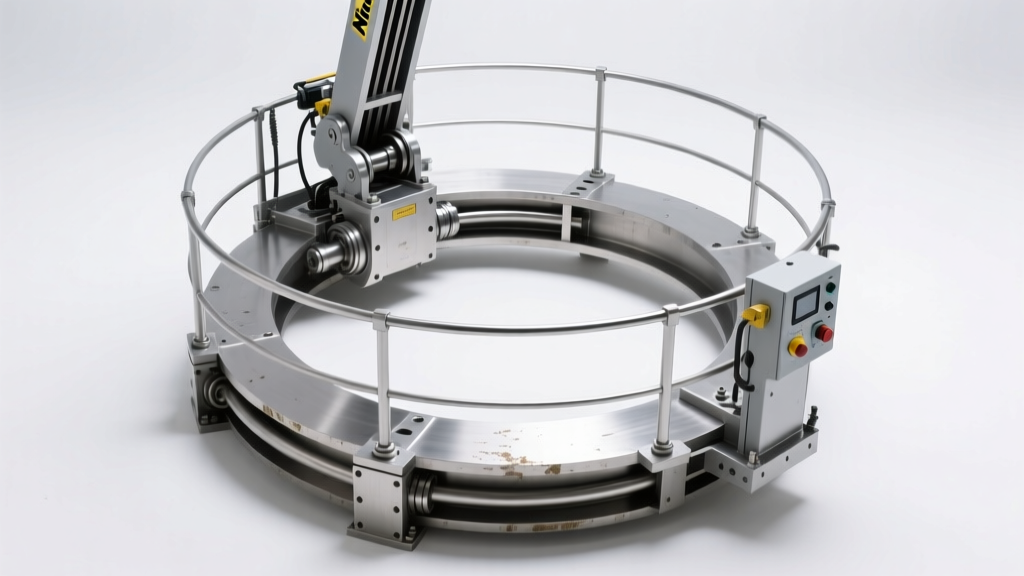
Integrated into computer numerical control (CNC) machines, these cutters follow digital designs to automate circular cuts with extreme accuracy. Commonly used with routers, lasers, or plasma cutters, they are ideal for repetitive, high-precision tasks.
Advantages
- Exceptional accuracy and repeatability
- Handles complex patterns and multi-circle layouts
- Compatible with metals, wood, composites, and more
- Efficient for mass production
Limitations
- High initial equipment cost
- Requires technical knowledge and software
- Less portable and space-intensive
Best for: Industrial manufacturing, prototyping, architectural models, and custom fabrication
Angle & Bevel Cutters
While not primarily designed for full circles, angle cutters (including inside and outside variants) are used to create beveled edges, mitered corners, and partial circular shapes. They are especially useful in finishing circular cutouts or shaping curved joints.
Advantages
- Enables clean, angled transitions on circular edges
- Improves fit and finish in joinery
- Common in flooring, cabinetry, and trim work
Limitations
- Not a dedicated circle-cutting solution
- Limited to edge shaping rather than full-circle cutting
- Requires additional tools for complete circular cuts
Best for: Woodworking, flooring installation, and decorative finishing
Rotary Cutters
Equipped with a sharp, rotating circular blade, these handheld tools are primarily used in fabric and paper crafting. Guided by a ruler or template, they allow quilters and designers to cut smooth curves and small circles with minimal fraying.
Advantages
- Precision cutting for delicate materials
- Reduces fabric fraying compared to scissors
- Ergonomic and easy to control
- Works well with cutting mats and templates
Limitations
- Only suitable for soft materials (fabric, paper, vinyl)
- Blades require frequent replacement
- Not effective for large or thick materials
Best for: Quilting, sewing, scrapbooking, and craft design
Circular Saws with Jig Guides
Though primarily designed for straight cuts, circular saws can cut circles when used with a pivot jig or guide. By fixing the saw’s base at a central point, users can rotate it to cut arcs or full circles in wood and sheet materials.
Advantages
- Uses a common workshop tool
- Capable of cutting large circles in thick materials
- Cost-effective when a jig is DIY-built
Limitations
- Requires careful setup and alignment
- Less precise than dedicated tools
- Safety risks if not properly secured
Best for: Construction, carpentry, and large-scale woodworking projects
| Tool Type | Material Compatibility | Precision Level | Best Use Case | Power Source |
|---|---|---|---|---|
| Manual Circle Cutters | Wood, Acrylic, Thin Metal | High | Hand-cut circles, DIY projects | Manual |
| CNC Circular Cutters | Wood, Metal, Plastic, Composites | Very High | Industrial production, complex designs | Electric (Automated) |
| Angle & Bevel Cutters | Wood, MDF, Laminate | Moderate | Edge finishing, joinery | Manual or Electric |
| Rotary Cutters | Fabric, Paper, Vinyl | High | Quilting, sewing, crafts | Manual |
| Circular Saws with Jigs | Wood, Plywood, OSB | Moderate to High | Large circular cuts in construction | Electric |
Expert Tip: When using a manual circle cutter, lightly score the material first before making a full-depth cut to ensure a clean, smooth edge and prevent chipping, especially in acrylic or laminated surfaces.
Industrial Applications of Circle Cutting Tools
Circle cutting tools are essential in modern industrial manufacturing and fabrication due to their precision, efficiency, and adaptability across various materials and sectors. These tools enable clean, accurate circular cuts that are crucial for both functional components and aesthetic designs. From heavy-duty metal fabrication to delicate artistic detailing, circle cutters play a pivotal role in ensuring high-quality output across diverse industries.
Key Industrial Applications
Metalworking
In metalworking environments, circle cutting tools—particularly circular saw blades, hole saws, and CNC plasma cutters—are used to create precise circular cuts in steel, aluminum, brass, and other metal sheets or plates. These cuts are essential for fabricating machine parts, flanges, brackets, and custom enclosures.
Applications extend to creating cutouts for mounting hardware, ventilation, and instrumentation in industrial equipment. Additionally, precision circle cutting supports the production of artistic metalwork such as decorative grilles, signage, and architectural features, where dimensional accuracy and clean edges are critical.
Woodworking
In woodworking, circle cutters—including router-based circle jigs, hole saws, and band saws with trammel guides—are widely used to produce perfectly round wooden components. Common applications include crafting tabletops, chair rounds, speaker enclosures, clock faces, and wooden gears.
These tools also facilitate the creation of curved moldings, architraves, and intricate design elements in cabinetry and interior finishes. With adjustable radius settings and guide systems, woodworkers achieve consistent, smooth cuts that enhance both functionality and visual appeal in furniture and architectural millwork.
Automotive Industry
Within the automotive sector, circle cutting tools are indispensable for manufacturing and repairing engine gaskets, O-rings, seals, and rubber bushings. Precision-cut circular components ensure proper fitment, prevent fluid leaks, and maintain optimal compression in engines and transmission systems.
These tools are also used in prototyping and custom vehicle modification, such as cutting wheel openings, light housings, and intake manifolds. Accurate circular cuts directly contribute to improved performance, reliability, and safety in automotive assemblies and repairs.
Construction Industry
In construction, circle cutters are frequently employed to create clean, safe openings in drywall, plasterboard, concrete slabs, and ceiling tiles for electrical conduits, plumbing pipes, HVAC ducts, and recessed lighting fixtures.
Handheld hole saws, diamond core drills, and rotary cutters allow contractors to make precise circular cutouts without damaging surrounding structures. This capability streamlines installations, reduces rework, and supports compliance with building codes requiring neat, properly sized penetrations.
Signage and Graphic Design
In the signage and visual design industry, circle cutting tools—often integrated into vinyl cutters, laser cutters, or CNC routers—are used to produce professional-grade signs, decals, logos, and display elements. These tools accurately cut circular shapes from acrylic, foam board, vinyl, and composite materials.
Designers also use them to create stencils, layered backdrops, and patterned graphics for exhibitions, retail displays, and advertising campaigns. The ability to reproduce consistent circular motifs enhances branding consistency and visual impact in marketing and environmental design.
Material Compatibility Overview
Circle cutting tools are available in various configurations tailored to specific materials:
- Metal: High-speed steel (HSS) or carbide-tipped blades for durability and heat resistance.
- Wood: Multi-tooth saw blades or router bits designed to minimize splintering.
- Plastic/Acrylic: Fine-tooth blades to prevent melting or chipping.
- Rubber/Seals: Sharp utility knives or die-cutters for clean, burr-free edges.
- Drywall/Soft Materials: Bi-metal hole saws or drywall circle cutters for quick, smooth cuts.
| Industry | Common Materials | Typical Tools Used | Primary Use Cases |
|---|---|---|---|
| Metalworking | Steel, Aluminum, Brass | Circular saws, Hole saws, CNC plasma cutters | Machine parts, enclosures, artistic metalwork |
| Woodworking | Plywood, MDF, Solid Wood | Router jigs, Band saws, Hole saws | Tabletops, furniture, moldings |
| Automotive | Rubber, Gasket material, Composite seals | Die cutters, Utility knives, CNC cutters | Gaskets, O-rings, custom modifications |
| Construction | Drywall, Concrete, Plaster | Hole saws, Core drills, Rotary tools | Electrical/plumbing openings, lighting cutouts |
| Signage & Design | Acrylic, Vinyl, Foam board | Laser cutters, Vinyl cutters, CNC routers | Logos, displays, stencils, decals |
Important: Always match the circle cutting tool to the material and application. Using an incorrect blade or bit can result in poor cut quality, tool damage, or safety hazards. Follow manufacturer guidelines for speed settings, feed rates, and personal protective equipment (PPE) to ensure safe and efficient operation.
Important Features of Circle Cutter Tools
Circle-cutting tools are essential for achieving precise, clean, and repeatable circular cuts across a variety of materials. Whether you're working on woodworking, metal fabrication, or acrylic projects, understanding the key features of these tools helps ensure accuracy, efficiency, and durability. Below is a detailed breakdown of the most important characteristics that define high-performance circle cutters.
Adjustable Circle Sizes
One of the most valuable features of a circle cutter is its ability to adjust the cutting radius or diameter. This versatility allows users to create circles ranging from small precision holes to large cutouts—often with a single tool.
- Adjustable arms with calibrated scales enable precise diameter settings down to the millimeter or 1/32 inch
- Ideal for projects requiring multiple circle sizes, such as cabinetry, signage, or custom inlays
- Some models offer quick-release mechanisms for fast size changes without recalibration
Pro Tip: Look for tools with micro-adjustment knobs for fine-tuning the radius for ultra-precision work.
Pivot Point or Center Bit
The pivot point—often a drill bit or pointed pin—anchors the tool at the center of the intended circle, ensuring consistent rotation and accuracy during cutting.
- High-quality center bits are made from hardened steel to resist wear and maintain position
- Some models feature replaceable or magnetic center points for extended usability
- A secure pivot prevents wobbling, which is critical for clean edges and concentricity
Key Benefit: A stable pivot minimizes deviation, especially when cutting large diameters or dense materials.
Blade Materials and Types
The performance and lifespan of a circle cutter heavily depend on the blade material. Different compositions are suited for specific materials and cutting conditions.
- High-Speed Steel (HSS): Excellent for general-purpose cutting in wood and soft metals; retains sharpness at moderate temperatures
- Carbide-Tipped: Superior edge retention and heat resistance; ideal for cutting hardwoods, plastics, and light metals
- Stainless Steel: Resists corrosion and is often used in blades for acrylics and non-ferrous materials
Technical Note: Carbide blades may cost more upfront but offer longer service life and reduced need for sharpening.
Construction and Durability
A well-built circle cutter must withstand lateral forces and maintain rigidity during operation. The frame material and build quality directly impact performance and longevity.
- Frames made from hardened steel or aircraft-grade aluminum provide strength without excess weight
- Reinforced joints and precision-machined components reduce flex and ensure consistent results
- Corrosion-resistant finishes protect the tool in humid or workshop environments
Durability Factor: Look for tools with minimal play between moving parts—this ensures accuracy over time.
Ease of Use and Ergonomic Design
User-friendly features make circle cutters accessible to both professionals and DIYers, reducing setup time and minimizing operator fatigue.
- Integrated measurement scales allow quick and accurate radius adjustments
- Locking mechanisms (e.g., thumbscrews or lever locks) secure the arm in place during cutting
- Ergonomic handles improve grip and control, especially during extended use
- Some models include guide rails or auxiliary supports for enhanced stability
Smart Feature: Laser alignment guides or LED indicators on advanced models improve setup accuracy.
Material Compatibility and Blade Selection
Not all circle cutters perform equally across materials. Choosing the right tool and blade combination is essential for optimal results.
- Wood: Use HSS or carbide-tipped blades with fewer teeth for smooth, chip-free cuts
- Metal: Requires slower feed rates and carbide or bi-metal blades designed for metal cutting
- Acrylic/Plastic: Opt for fine-toothed blades to prevent melting or chipping
- Composite Materials: Multi-material blades with variable tooth geometry offer versatility
Expert Advice: Always match the blade tooth count and material to your workpiece to avoid overheating or rough edges.
Professional Recommendation: For best results, invest in a circle cutter with interchangeable blades, a robust frame, and precise adjustment mechanisms. This combination ensures adaptability across projects and materials while maintaining long-term accuracy. Regular maintenance—such as cleaning the guide arm and lubricating moving parts—will extend the tool’s life and performance.
| Feature | Recommended Specification | Best For | Lifespan/Notes |
|---|---|---|---|
| Adjustable Arm | Calibrated scale with lock | Precision woodworking | Years with proper care |
| Center Bit | Hardened steel, replaceable | Multi-material use | 6–12 months under heavy use |
| Blade Material | Carbide-tipped | Hardwoods, metals, composites | 2–3x longer than HSS |
| Frame Material | Aircraft-grade aluminum | Portability and durability | Long-term structural integrity |
Additional Considerations
- Safety Features: Look for blade guards and non-slip bases to reduce accident risks during operation
- Portability: Lightweight, compact designs are ideal for job sites or small workshops
- Compatibility: Ensure the tool fits your cutting device (e.g., router, jigsaw, or drill press) via standard mounting options
- Maintenance: Regular cleaning and lubrication of moving parts prevent binding and ensure smooth operation
- Brand Support: Reputable manufacturers often provide replacement parts, technical support, and instructional resources
How to Choose the Right Circle Cutter Tool
Selecting the ideal circle cutter tool is essential for achieving clean, accurate, and professional-quality circular cuts in a variety of materials. Whether you're working on a DIY craft project, cabinetry, metal fabrication, or acrylic design, the right tool can make a significant difference in efficiency and precision. This comprehensive guide breaks down the key factors to consider when choosing a circle cutter, helping you make an informed decision based on your specific needs and applications.
Important Note: Always match your circle cutter to the material thickness and type. Using an incompatible tool can lead to poor cut quality, premature blade wear, or even safety hazards. Always follow manufacturer instructions and wear appropriate personal protective equipment (PPE) such as safety glasses and gloves.
Key Factors to Consider When Choosing a Circle Cutter
- Project Requirements
Begin by evaluating the scope and complexity of your project. Are you making occasional small cuts or undertaking large-scale production work? For basic tasks like cutting circles in paper, thin wood, or plastic sheets, a simple manual compass-style cutter may suffice. However, for larger or repeated cuts—especially in rigid materials—opt for a model with an adjustable radius arm that supports a wide range of diameters (e.g., from 1 inch up to 24+ inches). Some advanced tools even allow cutting of concentric circles or multiple sizes without re-measuring.
- Material Compatibility
Not all circle cutters are designed for every material. Choose a tool with interchangeable or specialized blades tailored to your work material:
- Wood: Use cutters with carbide-tipped or high-speed steel (HSS) blades for clean, splinter-free cuts.
- Metal: Select models with fine-toothed blades or rotary cutters designed for sheet metal or aluminum.
- Acrylic/Plastic: Opt for tools with smooth, polished blades to prevent cracking or melting during cutting.
- Laminates & Composites: Use precision cutters with anti-chip features to maintain edge integrity.
Matching the blade type to the material not only improves cut quality but also extends tool life and reduces maintenance needs.
- Cutting Precision and Accuracy
Precision is paramount when cutting circles, especially in projects requiring tight tolerances. Look for features that enhance accuracy:
- Lockable radius arms with fine-tuning adjustments for consistent diameter control.
- Center-point drills or pivoting pins that remain stable during rotation.
- Alignment guides or laser indicators (on advanced models) to ensure perfect centering.
- Durable construction (e.g., aluminum or stainless steel arms) to minimize flex and deviation.
Test the tool’s stability on a sample piece before full use. Even minor wobble can result in oval-shaped cuts or uneven edges.
- Ease of Use and Ergonomics
A user-friendly design enhances both safety and efficiency. Consider the following usability aspects:
- Clear, easy-to-read measurement scales (imperial and metric) for quick setup.
- Quick-lock mechanisms for fast diameter changes without tools.
- Non-slip grip handles or ergonomic knobs for better control during cutting.
- Lightweight yet sturdy construction for reduced user fatigue.
Beginners and professionals alike benefit from intuitive tools that reduce setup time and minimize errors, allowing for faster project completion with consistent results.
- Brand Reputation and Customer Reviews
Investing in a reputable brand often means better build quality, reliability, and access to customer support. Research top manufacturers such as DeWalt, Bosch, Fretten, or specialized brands like Circle Cutter Pro. Read verified customer reviews to assess real-world performance in terms of durability, accuracy, and ease of use. Pay attention to feedback about:
- Long-term durability under heavy use.
- Availability of replacement parts and blades.
- Responsiveness of customer service for warranty claims.
Independent tool review sites and YouTube demonstrations can also provide valuable insights before purchasing.
- Budget Considerations
While cost shouldn’t be the sole deciding factor, it’s important to balance performance with affordability. Entry-level circle cutters can start under $20 and are suitable for light-duty tasks, while professional-grade models may exceed $100 but offer superior precision and longevity. Consider:
- The frequency of use—occasional users may not need a high-end model.
- Total cost of ownership, including replacement blades and maintenance.
- Value bundles that include multiple blades, accessories, or storage cases.
Often, mid-range tools from trusted brands offer the best balance of quality, features, and price for most users.
| Factor | Recommended Features | Best For | Avoid If |
|---|---|---|---|
| Project Size | Adjustable radius arm, large diameter capacity | Large-scale or industrial projects | Only doing small, infrequent cuts |
| Material Type | Interchangeable blades, material-specific cutters | Mixed-material or specialty applications | Using on incompatible materials |
| Precision Needs | Lockable arms, center drill, alignment guide | Fine woodworking, cabinetry, prototyping | Low-tolerance requirements |
| User Experience | Ergonomic handle, clear scale, quick lock | Beginners, frequent users | Unclear instructions or flimsy build |
| Budget Range | Mid-tier brand with good reviews | Most DIY and semi-pro users | Extremely cheap, no-name brands |
Expert Tip: Before making your final purchase, test the circle cutter (if possible) at a hardware store or watch detailed demo videos online. A well-balanced, smooth-operating tool with precise adjustments will save time and reduce material waste in the long run.
Final Recommendations
- Always measure twice and cut once—double-check your radius settings before starting.
- Keep spare blades on hand for different materials to avoid cross-contamination and wear.
- Regularly clean and lubricate moving parts to maintain smooth operation.
- Store the tool in a dry place with protective caps on the center pin and blades.
- Consider a multi-functional cutting kit if you work with various shapes and materials.
Choosing the right circle cutter tool doesn’t have to be overwhelming. By focusing on your specific project needs, material types, precision requirements, and budget, you can find a reliable, high-performing tool that delivers consistent, professional results every time. Take the time to research and invest wisely—your craftsmanship will thank you.
Frequently Asked Questions About Circle Cutter Tools
Q1: What is a circle cutter tool used for?A circle cutter tool is a precision instrument designed to cut clean, accurate circles and arcs in a wide range of materials such as wood, metal, acrylic, plastic, rubber, and composites. It is commonly used in woodworking, metal fabrication, signage production, and DIY projects where consistent circular cuts are required.
These tools are especially valuable when standard cutting methods like jigsaws or hole saws fall short in accuracy or diameter range. Circle cutters ensure smooth edges and repeatable results, making them ideal for applications like creating speaker cutouts, round tabletops, inspection ports, or industrial gaskets.
Q2: Are circle cutters adjustable in size?Yes, most modern circle cutters are fully adjustable, allowing users to cut a wide range of diameters—from small holes just a few inches across to large circles exceeding several feet in diameter, depending on the model.
The adjustment mechanism typically involves a radial arm with a pivot point and a mounting slot for the cutting tool (such as a router bit, drill bit, or blade). By changing the distance between the center pivot and the cutting head, you can precisely set the desired radius. This adaptability makes circle cutters highly versatile for both hobbyists and professionals who work on varied projects requiring different-sized circular cutouts.
- Manual Adjustments: Common in hand-held or bench-mounted models using calibrated scales and locking knobs.
- Digital Models: Advanced versions feature digital readouts for ultra-precise diameter settings.
- Compatibility: Some systems support multiple cutting tools (e.g., router, laser, plasma) on the same arm, increasing functionality.
Yes, circle cutters are frequently integrated into CNC (Computer Numerical Control) machining systems, enabling fully automated, high-precision circular cutting. In CNC environments, the circle cutting function is programmed directly into the machine’s G-code, allowing for consistent, repeatable production of circular components at scale.
This integration is particularly beneficial in manufacturing settings where hundreds or thousands of identical circular parts must be produced with minimal variance. CNC-compatible circle cutters can be used with various cutting methods, including:
- CNC Routers: For wood, plastic, and soft metals.
- Laser Cutters: High-precision cutting of acrylic, sheet metal, and composites.
- Plasma Cutters: Ideal for thick steel and industrial metal applications.
The combination of CNC automation and circle-cutting capability enhances efficiency, reduces material waste, and ensures superior accuracy compared to manual techniques.
Q4: Which materials are circle cutter tools commonly applied to?Circle cutter tools are widely used across multiple industries due to their ability to handle a diverse array of materials. The specific type of cutter and blade determines its suitability for different substrates:
| Material | Common Applications | Recommended Cutter Type |
|---|---|---|
| Wood & Plywood | Furniture, cabinetry, speaker enclosures | Spiral or down-cut router bits |
| Sheet Metal | Ventilation ducts, panels, brackets | Tin snips, plasma cutters, or step bits |
| Acrylic & Plastic | Signage, displays, light covers | Polycarbonate-specific router bits |
| Rubber & Gaskets | Seals, automotive parts, insulation | Sharp utility blades or die-cut attachments |
| Composites & Laminates | Countertops, aerospace components | Carbide-tipped multi-flute bits |
Selecting the right blade or cutting bit for the material ensures clean edges, minimizes chipping, and extends tool life. Always consult manufacturer guidelines for optimal performance.
Q5: How important is blade material for circle cutters?Blade material is critically important to the performance, durability, and precision of a circle cutter. Different blade compositions are engineered to handle specific materials and operating conditions. Choosing the correct blade ensures efficient cutting, reduces wear, and maintains edge quality over time.
- High-Speed Steel (HSS): Offers excellent toughness and heat resistance; ideal for cutting wood, aluminum, and mild steel. Affordable and widely available, though less durable than carbide.
- Carbide-Tipped Blades: Provide superior hardness and longevity, especially when cutting abrasive materials like composites, laminates, or stainless steel. More expensive but cost-effective over time due to extended lifespan.
- Stainless Steel Blades: Resistant to corrosion and suitable for wet environments or food-processing applications. Often used in gasket and rubber cutting.
- Diamond-Coated Blades: Used for extremely hard materials such as glass, ceramic, or reinforced concrete in specialized industrial cutters.
Using an inappropriate blade can lead to rapid dulling, poor cut quality, or even tool failure. Always match the blade material to the workpiece and consider factors like cutting speed, feed rate, and cooling requirements for optimal results.