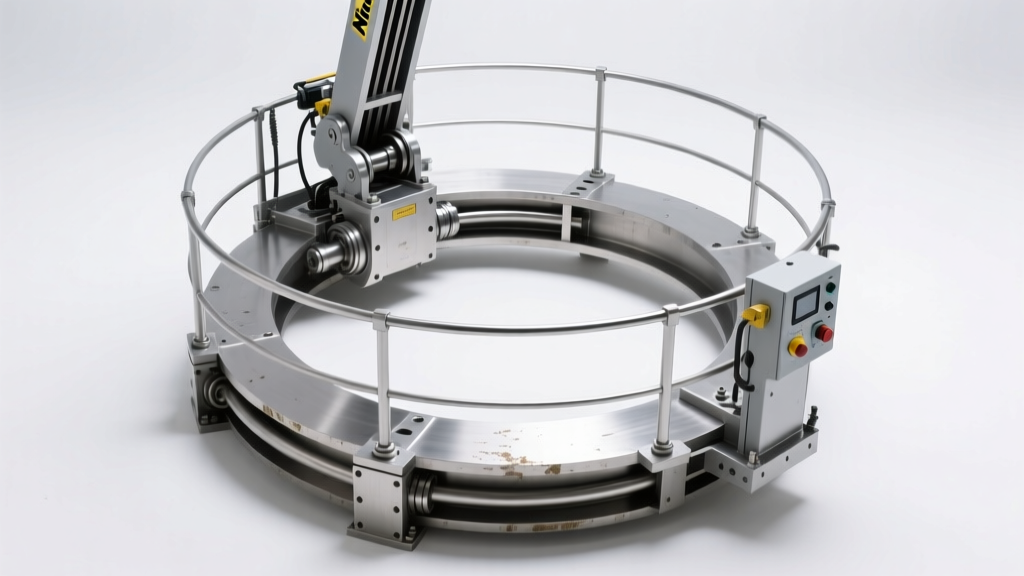
Types of 6-Mast Personal Lift Platforms
A 6-mast personal lift platform is an advanced aerial work platform designed to provide exceptional stability, load capacity, and vertical reach. With six vertical support masts, these lifts offer superior rigidity and balance compared to models with fewer masts, making them ideal for demanding industrial, construction, and maintenance applications. The choice of platform type depends on factors such as work environment (indoor or outdoor), required height, load capacity, terrain conditions, and specific operational needs like tilt functionality or space constraints.
Standard 6-Mast Platform
Designed for general-purpose elevated work, this model offers a stable, adjustable platform suitable for a wide range of maintenance, installation, and inspection tasks.
Advantages
- High stability due to six-mast design
- Versatile for multiple applications
- Smooth vertical movement
- Ease of operation and setup
Limitations
- Larger footprint than smaller lifts
- May require more storage space
- Less maneuverable in tight areas
Best for: Warehouses, industrial facilities, equipment maintenance, and general overhead work
Working 6-Mast Platform
Engineered specifically for construction environments, this robust platform supports extended use under heavy workloads and frequent elevation cycles.
Advantages
- Built for durability in harsh conditions
- High load-bearing capacity
- Resistant to dust, debris, and weather exposure
- Compatible with power tools and material handling
Limitations
- Heavier and less portable
- Requires trained operators
- Potential need for site preparation
Best for: Construction sites, infrastructure projects, and large-scale facility maintenance
Internal 6-Mast Platform
Optimized for indoor use, this narrow-profile platform provides access to elevated areas within buildings while maintaining maneuverability in confined spaces.
Advantages
- Compact design for tight interiors
- Quiet electric operation (ideal for occupied buildings)
- Floor-friendly wheels to prevent damage
- Excellent for multi-level access inside structures
Limitations
- Lower wind resistance (not for outdoor use)
- May have reduced lifting height due to ceiling clearance
- Limited load capacity compared to outdoor models
Best for: Indoor maintenance, HVAC servicing, ceiling repairs, and retail or office building upkeep
External 6-Mast Platform
Built for exterior applications, this weather-resistant platform is used for accessing the façades of high-rise buildings and other outdoor vertical surfaces.
Advantages
- Weatherproof construction (rain, wind, UV resistance)
- Anchoring systems for high-wind stability
- Suitable for prolonged outdoor deployment
- Ideal for facade inspections and window cleaning
Limitations
- Requires secure anchoring to building structure
- More complex setup and safety protocols
- Higher operational costs and permits in some regions
Best for: High-rise construction, building envelope work, window installation, and exterior maintenance
Tiltable 6-Mast Platform
Features an adjustable platform that can be inclined to match sloped surfaces or provide ergonomic positioning for workers on angled structures.
Advantages
- Adaptable to roof pitches and angled facades
- Improves worker safety and comfort on inclines
- Enables precise positioning for complex tasks
- Reduces need for additional scaffolding
Limitations
- More complex mechanical system
- Requires additional maintenance
- Slightly reduced maximum load when tilted
Best for: Roof work, cathedral ceilings, sloped architectural features, and specialized construction projects
| Type | Environment | Stability | Load Capacity | Key Applications |
|---|---|---|---|---|
| Standard 6-Mast | Indoor/Controlled | High | Medium to High | General maintenance, equipment access |
| Working 6-Mast | Outdoor/Construction | Very High | High | Building sites, industrial projects |
| Internal 6-Mast | Indoor | High | Medium | Building interiors, ceiling work |
| External 6-Mast | Outdoor/High-Rise | Very High | High | Façade work, window installation |
| Tiltable 6-Mast | Mixed (Angle-Adaptive) | High | Medium | Sloped roofs, angled structures |
Expert Tip: Always conduct a site assessment before selecting a 6-mast lift platform. Consider floor load capacity, overhead clearance, wind conditions (for outdoor use), and available space for setup and operation to ensure optimal safety and performance.
Materials Used in 6-Mast Personal Lift Platforms: Performance, Durability & Applications
The structural materials used in a 6-mast personal lift platform are critical determinants of its safety, load capacity, service life, and suitability for specific environments. These platforms are engineered for vertical personnel transport in industrial, construction, and maintenance settings, where material selection directly influences performance under stress, exposure to elements, and operational efficiency. Choosing the right material involves evaluating strength-to-weight ratio, corrosion resistance, electrical properties, and long-term maintenance requirements.
Aluminum: Lightweight and Corrosion-Resistant
Aluminum is one of the most widely used materials in modern 6-mast personal lift platforms, particularly in applications where weight and corrosion resistance are key concerns. Its high strength-to-weight ratio allows for a robust yet lightweight structure, making the platform easier to transport, install, and maneuver—especially in confined or elevated workspaces.
Aluminum naturally forms a protective oxide layer when exposed to air, which prevents rust and degradation in humid, coastal, or outdoor environments. This makes it an excellent choice for exterior construction, telecommunications tower maintenance, and facilities with high moisture exposure. Additionally, its non-magnetic and electrically non-conductive properties enhance safety in sensitive electrical environments.
Steel: High Strength and Industrial Durability
Carbon steel remains a staple in heavy-duty lift platform construction due to its exceptional tensile strength and structural rigidity. Steel-based 6-mast platforms are designed to handle heavier payloads and withstand intense mechanical stress, making them ideal for industrial facilities, manufacturing plants, and infrastructure projects.
While heavier than aluminum, steel offers superior impact resistance and longevity under continuous use. It is often selected for permanent installations or applications requiring frequent lifting of personnel with tools and equipment. However, standard steel is prone to rust if not properly treated, necessitating protective coatings such as paint, galvanization, or powder coating to ensure durability in corrosive environments.
High-Strength Steel Alloys: Enhanced Performance for Demanding Applications
Advanced high-strength steel alloys (such as ASTM A514 or S7 tool steel) are increasingly used in premium 6-mast lift platforms where maximum strength and reduced weight are both required. These alloys undergo specialized heat treatments and alloying processes to deliver strength comparable to conventional steel but at a significantly lower weight.
This improvement is particularly beneficial in tall lift configurations, where minimizing structural mass reduces stress on masts, joints, and foundation supports. High-strength alloys also improve fatigue resistance, which is crucial for platforms subjected to repeated loading cycles. Their use enhances overall stability and safety while enabling greater height-to-weight efficiency.
Composite Materials: Specialized Components for Safety and Longevity
Composite materials—such as fiberglass-reinforced polymers (FRP) and engineered thermoplastics—are typically integrated into non-structural components of 6-mast platforms, including guardrails, decking, toe boards, and anti-slip surfaces. These materials offer exceptional corrosion resistance, are immune to rust, and do not conduct electricity, making them ideal for use in chemical processing plants, power generation facilities, and offshore platforms.
Composites are also lightweight and require minimal maintenance, retaining their integrity even after prolonged exposure to UV radiation, saltwater, or harsh cleaning agents. Their use enhances worker safety by reducing slip hazards and eliminating electrical conductivity risks during operations near live circuits or high-voltage equipment.
Stainless Steel: Maximum Corrosion Resistance for Extreme Environments
Stainless steel—particularly grades 304 and 316—is employed in 6-mast personal lift platforms operating in highly corrosive environments such as marine installations, food processing plants, pharmaceutical facilities, and offshore oil rigs. The chromium content in stainless steel forms a passive oxide layer that resists pitting, staining, and rust, even under constant exposure to moisture, salt spray, or chemical agents.
While more expensive than carbon steel or aluminum, stainless steel offers unmatched durability and aesthetic longevity with minimal maintenance. It is especially valuable in hygienic or safety-critical environments where rust particles or structural degradation could pose contamination or failure risks. Its strength and cleanability make it a top-tier choice for long-term deployments in aggressive conditions.
| Material | Key Advantages | Best Applications | Maintenance Needs |
|---|---|---|---|
| Aluminum | Lightweight, corrosion-resistant, non-conductive | Outdoor construction, telecom towers, electrical environments | Low – periodic cleaning and inspection |
| Carbon Steel | High strength, cost-effective, durable | Heavy industrial use, manufacturing, indoor facilities | Moderate – requires protective coating and rust monitoring |
| High-Strength Alloys | Superior strength-to-weight ratio, fatigue-resistant | Tall platforms, frequent use, high-load scenarios | Moderate – regular structural inspections recommended |
| Composite Materials | Non-conductive, corrosion-proof, slip-resistant | Chemical plants, power stations, marine decks | Very Low – minimal cleaning and visual checks |
| Stainless Steel | Exceptional corrosion resistance, hygienic, long-lasting | Offshore rigs, food processing, pharmaceuticals | Low – occasional cleaning and surface inspection |
Material Selection Tips for Optimal Performance
Important: Always consult the manufacturer’s specifications and industry standards (such as OSHA, ANSI, or EN 1495) when selecting a 6-mast personal lift platform. Using inappropriate materials for the environment or load conditions can lead to premature failure, safety hazards, or compliance violations. Regular inspections and proper maintenance are essential regardless of material choice to ensure continued safe operation.
Specifications and Maintenance of 6-Mast Personal Lift Platforms
The 6-mast personal lift platform is a specialized aerial work platform designed for safe and stable access to elevated job sites in industrial, construction, and maintenance environments. With six vertical support masts, this configuration provides exceptional stability, reduced sway, and increased load capacity compared to smaller models. These platforms are ideal for tasks such as ceiling installations, high-bay lighting maintenance, warehouse inspections, and building facade work.
Key Specifications
Understanding the technical specifications of a 6-mast lift platform is essential for selecting the right model and ensuring safe operation within its design limits.
- Working Height: Typically ranges from 10 to 20 meters (33 to 65 feet), with platform height usually 6–16 meters above ground. Always verify clear ceiling height and overhead obstructions.
- Load Capacity: Designed to carry 200–400 kg (440–880 lbs), accommodating two to three workers with tools and materials. Never exceed the maximum rated load indicated on the platform’s data plate.
- Construction Materials: Constructed from high-strength steel, aluminum alloys, or composite materials. Steel offers durability and load-bearing strength; aluminum reduces weight for easier mobility and corrosion resistance.
- Power Systems: Operated via electric motors (ideal for indoor use) or hydraulic systems (suited for heavy-duty lifting and outdoor applications). Electric models are quieter and emission-free, while hydraulic systems provide higher torque and reliability under load.
- Base Dimensions: Larger footprint due to six masts improves balance. Typical base sizes range from 2.5m x 1.8m to 3.5m x 2.2m, requiring adequate floor space and structural support.
Advanced Safety & Operational Features
Modern 6-mast platforms incorporate multiple safety systems to protect operators and comply with OSHA, ANSI, and ISO standards.
- Guardrails and Fall Protection: Full perimeter guardrails with mid-rails and toe boards prevent falls. Optional harness anchor points support personal fall arrest systems (PFAS).
- Emergency Stop (E-Stop): Instantly cuts power to all systems when activated, halting ascent, descent, or movement.
- Anti-Tilt and Overload Sensors: Automatically disable operation if the platform exceeds safe tilt angles or detects overload conditions.
- Proximity and Obstruction Detection: Some models include sensors that alert operators to nearby obstacles or prevent movement if clearance is insufficient.
- Control Systems: Dual controls (platform and ground-level) allow safe operation and emergency lowering. Interlocks prevent movement unless guardrails are properly secured.
Note: Always ensure all safety systems are tested before each shift and that operators are trained in emergency procedures.
Professional Insight: When selecting a 6-mast lift, consider not only height and capacity but also site-specific factors such as floor load limits, doorway clearances, and indoor/outdoor use. Electric models are preferred in clean environments like hospitals or data centers, while hydraulic systems are better suited for rugged outdoor conditions.
Comprehensive Maintenance Guide for 6-Mast Lift Platforms
Regular and thorough maintenance is critical to ensure the longevity, reliability, and safety of 6-mast personal lift platforms. A well-maintained unit reduces downtime, prevents costly repairs, and protects operators from accidents caused by mechanical failure.
Preventive Maintenance Checklist
- Daily Visual Inspections: Check for visible damage to masts, welds, platform flooring, guardrails, and hydraulic lines. Look for oil leaks, loose bolts, or worn cables.
- Monthly Functional Testing: Test all control functions (up/down, tilt, emergency stop), safety interlocks, and warning alarms. Verify smooth operation without jerking or unusual noises.
- Hydraulic System Maintenance: Inspect hoses, pumps, and cylinders for leaks or cracks. Use only manufacturer-recommended hydraulic fluid and change it per service intervals (typically every 500–1000 operating hours).
- Lubrication Schedule: Apply high-quality lubricant to mast guide rollers, pivot points, and drive mechanisms every 50–100 hours of operation to reduce friction and wear.
- Battery & Electrical Checks (Electric Models): Inspect battery terminals for corrosion, ensure proper charge levels, and test charging system functionality. Replace batteries every 2–3 years or as performance declines.
Long-Term Care & Storage Tips
- Rust and Corrosion Prevention: For steel components, inspect regularly for rust—especially at joints and near ground contact points. Clean affected areas and apply protective coatings. Stainless steel or powder-coated finishes enhance durability.
- Mast Alignment and Straightness: Misaligned or bent masts can cause binding or uneven wear. Use a plumb line or laser level during annual inspections to verify vertical alignment.
- Structural Integrity Audits: Conduct a full structural inspection annually by a certified technician. This includes non-destructive testing (NDT) of welds and load testing if required.
- Proper Storage: Store indoors or under cover when not in use. Protect electrical components from moisture and extreme temperatures. Retract the platform fully and engage safety locks.
- Record Keeping: Maintain a detailed service log documenting inspections, repairs, part replacements, and operator training. This supports compliance and warranty claims.
Best Practice: Follow the manufacturer’s maintenance manual strictly and schedule professional servicing at least once per year or every 1,000 operating hours—whichever comes first.
| Maintenance Task | Frequency | Responsible Party | Potential Risk if Neglected |
|---|---|---|---|
| Visual inspection of masts and structure | Daily | Operator | Structural failure, collapse |
| Hydraulic fluid check and leak inspection | Weekly | Technician | Loss of lift function, fire hazard |
| Lubrication of moving parts | Every 50–100 hours | Technician | Increased wear, motor strain |
| Safety system testing (E-stop, sensors) | Pre-shift | Operator | Accidents, falls, injuries |
| Full structural and mechanical inspection | Annually | Certified Inspector | Catastrophic failure, non-compliance |
Additional Best Practices
- Operator Training: Only trained and authorized personnel should operate the lift. Training should include emergency procedures, load limits, and hazard awareness.
- Floor Requirements: Ensure the operating surface is level, stable, and capable of supporting the total weight (platform + load). Use outriggers or stabilizers if provided.
- Weather Conditions: Avoid outdoor use in high winds (typically >28 mph), rain, or icy conditions unless the model is rated for such environments.
- Component Replacement: Use only OEM or certified replacement parts. Aftermarket parts may not meet safety or performance standards.
- Software Updates (for smart models): Some modern lifts include diagnostic systems—keep firmware updated for optimal performance and safety monitoring.
Safety Reminder: Never modify a 6-mast lift platform without manufacturer approval. Unauthorized modifications can void warranties, violate safety regulations, and lead to serious accidents. Always refer to the operator’s manual and consult with equipment specialists when in doubt.
Common Uses of 6-Mast Personal Lift Platforms
Six-mast personal lift platforms are engineered for high-capacity vertical access in demanding industrial and construction environments. Their unique six-mast design provides exceptional stability, increased platform size, and the ability to safely operate at extreme elevations—making them ideal for complex overhead tasks. These lifts combine superior load-bearing capabilities with precision control, enabling safe and efficient work in applications where traditional scaffolding or smaller lifts fall short.
Safety Note: Always ensure that six-mast lift platforms are operated by trained personnel in accordance with OSHA and manufacturer safety standards. Conduct daily inspections, secure the work area, and use proper fall protection systems when working at height.
High-Rise Building Maintenance
One of the most prevalent uses of six-mast lift platforms is in the maintenance and upkeep of skyscrapers and high-rise buildings. These lifts provide reliable, stable access to upper façades for essential tasks such as window cleaning, sealant replacement, and masonry repairs. The six-mast configuration minimizes sway and vibration, ensuring worker comfort and safety even in windy conditions. Their modular design allows for customization to fit building contours, and they can be rigged to travel vertically along the exterior, offering continuous access from ground level to the roofline.
Industrial Inspections
In large-scale industrial facilities—including manufacturing plants, power generation stations, and chemical processing units—six-mast platforms are indispensable for inspecting and maintaining elevated infrastructure. They enable technicians to access high-mounted equipment such as turbines, ductwork, piping systems, and structural supports. The stable platform allows for the safe use of diagnostic tools, cameras, and testing instruments, improving the accuracy and efficiency of inspections. Their durability also makes them suitable for use in environments with high temperatures, corrosive elements, or limited access.
Steel Erection in Construction
During the structural phase of construction projects, six-mast lift platforms support steel erection crews by providing a secure and mobile work platform at height. Workers use these lifts to position, align, and bolt steel beams and columns, significantly reducing reliance on cranes for personnel access. The wide platform accommodates multiple workers and tools, enhancing productivity on-site. Their robust design ensures stability during heavy lifting operations and minimizes movement during welding or bolting, contributing to precision and safety.
Bridge Construction and Maintenance
On bridge projects—whether new construction or rehabilitation—six-mast platforms are used to access undersides, piers, and superstructures. They are especially valuable for tasks such as painting, corrosion protection, joint repair, and inspection of structural integrity. These lifts can be mounted on bridge decks or suspended from above, offering flexible deployment options. Their high load capacity supports crews and equipment, while the six-mast system ensures minimal deflection and maximum safety over long spans or over water.
Tower Maintenance
Communication towers, radio masts, and cellular transmission structures often require regular maintenance and equipment upgrades. Six-mast lift platforms are frequently deployed to transport technicians and gear to specific levels of these tall towers. The platform’s stability allows for safe handling of sensitive electronics, antennas, and cabling. Unlike rope access or climbing methods, these lifts reduce physical strain on workers and improve job site efficiency, especially during large-scale upgrades or emergency repairs.
Facade Installation and Cladding Work
In modern building construction, the installation of curtain walls, composite panels, and other cladding systems demands precise, stable access at height. Six-mast platforms excel in this role by providing a large, level work surface that moves smoothly along the building’s exterior. Their ability to maintain consistent alignment with the façade ensures accurate panel placement and reduces rework. These lifts are often integrated into the building’s design during early construction phases and remain in place throughout the cladding process.
Offshore Oil Rig Maintenance
On offshore oil and gas platforms, space is limited, and environmental conditions are harsh. Six-mast lift platforms are specially adapted for marine environments, featuring corrosion-resistant materials and weatherproof components. They are used to access critical infrastructure such as flare stacks, drilling equipment, and storage tanks located at elevated positions. Their compact footprint and high lifting capacity make them ideal for confined offshore spaces, while their stability ensures safe operations even in high winds or sea spray.
| Application | Key Benefits | Typical Work Tasks | Environmental Challenges |
|---|---|---|---|
| High-Rise Maintenance | Wind resistance, large platform, smooth vertical travel | Window cleaning, façade repair, sealant replacement | Urban wind gusts, pedestrian traffic, space constraints |
| Industrial Inspections | Stability under load, compatibility with diagnostic tools | Equipment checks, safety audits, pipe inspections | High heat, chemical exposure, confined access |
| Steel Erection | Supports multiple workers, tool storage, minimal sway | Beam alignment, bolting, welding support | Heavy machinery zones, dynamic site conditions |
| Bridge Projects | Long-span stability, adaptable mounting options | Painting, joint repair, structural inspections | Exposure to water, traffic, and weather extremes |
| Tower Maintenance | Safe equipment transport, reduced worker fatigue | Antenna installation, signal testing, repairs | Electromagnetic fields, height-related risks |
| Façade Work | Precise alignment, large work area, consistent movement | Cladding installation, panel fitting, finishing | Weather exposure, tight tolerances,高空作业 |
| Oil Rig Operations | Corrosion resistance, compact design, high safety margin | Routine maintenance, emergency repairs, inspections | Saltwater, offshore winds, limited space |
Expert Tip: For optimal performance, schedule regular maintenance of the lift’s mast guides, drive systems, and safety mechanisms. Proper lubrication and alignment checks prevent downtime and extend the service life of the equipment, especially in harsh environments like coastal or industrial sites.
Additional Considerations
- Ensure all operators are certified and familiar with emergency descent procedures
- Use wind speed monitors when operating at extreme heights to avoid unsafe conditions
- Coordinate lift deployment with other on-site activities to prevent conflicts
- Consider integrating the lift into the building’s permanent infrastructure for long-term projects
- Always follow local regulations and ANSI/SAIA A92.5 standards for aerial work platforms
As construction and industrial projects continue to reach new heights, six-mast personal lift platforms remain a critical solution for safe, efficient, and scalable vertical access. Their versatility across sectors—from urban high-rises to offshore rigs—demonstrates their value in modern engineering and maintenance operations. When properly utilized, these platforms enhance worker safety, improve project timelines, and reduce the risks associated with working at elevation.
Frequently Asked Questions About Six-Mast Personal Lift Platforms
Q1: What is the main advantage of a six-mast personal lift platform?The primary advantage of a six-mast personal lift platform is its exceptional combination of height capacity and structural stability. With six vertical support masts, the platform achieves superior balance and rigidity, minimizing sway and vibration even at elevated working heights—often exceeding 60 feet or more, depending on the model.
- Enhanced Stability: The six-mast design distributes weight more evenly than four-mast systems, significantly reducing lateral movement during operation.
- Greater Working Height: Enables access to taller structures such as high ceilings, industrial rooftops, and multi-story building exteriors without sacrificing safety.
- Extended Work Duration: Ideal for prolonged tasks like roofing, facade maintenance, or HVAC installation, where worker comfort and platform steadiness are critical.
- Load Capacity: Typically supports higher payload ratings, allowing workers to carry tools and materials safely while working at height.
This makes six-mast platforms a preferred choice in commercial, industrial, and construction environments where both reach and reliability are essential.
Q2: How do tiltable cage and ring rail platforms differ?While both tiltable cage and ring rail platforms allow for angular adjustments to accommodate sloped or uneven surfaces, they differ significantly in design, precision, and application:
| Feature | Tiltable Cage Platform | Ring Rail Platform |
|---|---|---|
| Primary Use | Working on inclined roofs, sloped architectural features, or uneven terrain. | Precision tasks such as delicate equipment installation, fine craftsmanship, or detailed inspections. |
| Mechanism | The entire cage or platform tilts as a unit using hydraulic or mechanical actuators. | Utilizes a circular rail system that allows smooth, micro-adjustable tilting with high positional control. |
| Adjustment Precision | Coarse to moderate adjustments; suitable for general slope alignment. | Highly precise, enabling fine-tuned angular corrections down to fractions of a degree. |
| Stability & Balance | Good stability, but may require manual leveling on steep inclines. | Superior balance due to centralized pivot point and guided motion along the ring rail. |
| Applications | Roofing, gutter cleaning, solar panel installation on slanted roofs. | Museum installations, theater rigging, high-end architectural restoration. |
In summary, tiltable cage platforms prioritize adaptability to slopes, while ring rail systems emphasize precision, control, and repeatability in sensitive operations.
Q3: Are six-mast personal lift platforms safe?Yes, six-mast personal lift platforms are engineered with comprehensive safety features to protect operators working at height. Their robust design is complemented by multiple fail-safes and compliance with international safety standards such as OSHA, ANSI, and CE regulations.
- Guardrails and Toeboards: Full perimeter protection prevents falls and keeps tools from slipping off the platform.
- Anti-Fall Systems: Integrated harness anchor points and compatible fall-arrest connectors ensure worker security.
- Emergency Stop Buttons: Easily accessible E-stop switches immediately cut power and halt movement in case of an emergency.
- Overload Sensors: Detect excessive weight and prevent lifting if load limits are exceeded.
- Stabilizer Alarms: Warn operators if the platform is not properly leveled or if outriggers are not fully deployed.
- Certified Components: All critical parts undergo rigorous testing for durability, corrosion resistance, and performance under stress.
Regular maintenance, operator training, and adherence to usage guidelines further enhance the platform’s safety profile, making it one of the safest options for elevated work.
Q4: Can the six-mast personal lift platform be used outdoors?Yes, many six-mast personal lift platforms are specifically designed for outdoor use and built to withstand challenging environmental conditions. Manufacturers equip these models with weather-resistant materials and protective coatings to ensure reliable performance in diverse climates.
- Weather-Resistant Construction: Frames and components are often made from galvanized steel or marine-grade aluminum to resist rust and corrosion.
- Sealed Electrical Systems: Wiring, control boxes, and motors are sealed against moisture, dust, and debris to prevent short circuits.
- Salt Air Protection: Coastal or marine environments demand extra protection; many outdoor-rated platforms include anti-corrosion treatments suitable for salt-laden air.
- Wind Resistance: Designed to operate safely in moderate wind conditions (typically up to 28 mph), with automatic shutdown features in high-wind scenarios.
- All-Terrain Mobility: Some models feature rugged tires or track systems for stable operation on gravel, grass, or uneven ground.
However, operators should always consult the manufacturer’s specifications and avoid use during extreme weather such as heavy rain, storms, or high winds to maintain safety and equipment longevity.
Q5: What power sources do six-mast personal lift platforms have?Six-mast personal lift platforms are available with various power options to suit different job site requirements, including electric, hydraulic, and hybrid systems:
| Power Type | Power Source | Key Features | Best For |
|---|---|---|---|
| Electric | Batteries (rechargeable) or direct connection to external power/generator | Quiet operation, zero emissions, low maintenance; ideal for indoor or environmentally sensitive areas. | Indoor construction, warehouses, museums, hospitals. |
| Hydraulic | Hydraulic pump powered by a gasoline or diesel engine | High lifting force, excellent for heavy loads and continuous outdoor use; requires more maintenance. | Industrial sites, outdoor construction, remote locations without power access. |
| Hybrid | Combination of battery-powered electric system and auxiliary hydraulic pump | Offers flexibility—run silently on battery indoors, switch to hydraulic power outdoors or under heavy load. | Mixed indoor/outdoor projects, urban environments with noise restrictions. |
Choosing the right power source depends on the work environment, duration of use, noise constraints, and availability of charging or fuel infrastructure. Most modern platforms also include energy-efficient drives and regenerative braking systems to extend operational time and reduce energy consumption.