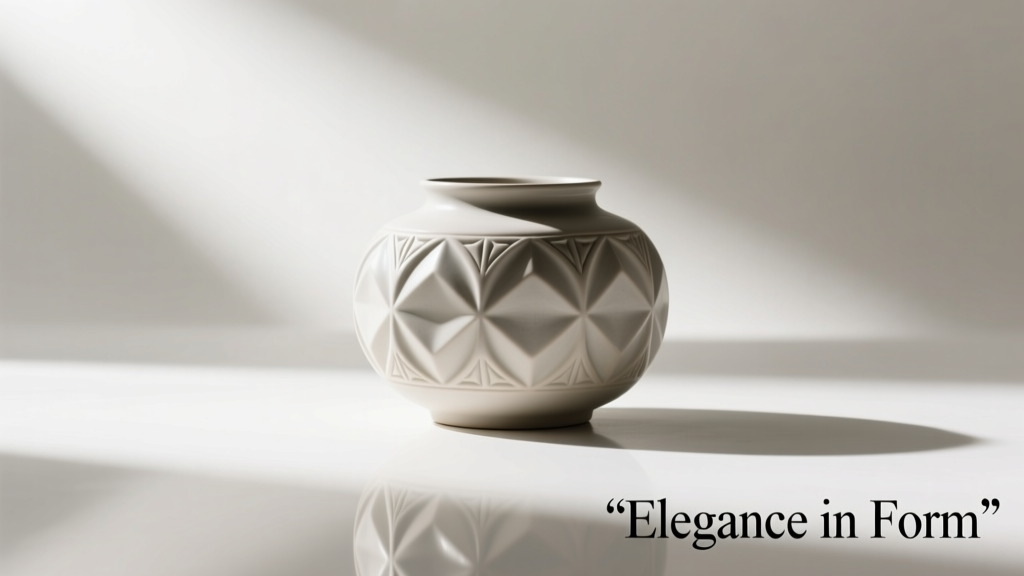
Planning a wedding is deeply personal—but the tableware that graces your reception isn’t just functional; it’s part of your story. From hand-painted porcelain teacups at an intimate garden ceremony to 300 sets of minimalist bone china for a destination resort wedding, couples increasingly seek tableware that reflects intention, elegance, and authenticity. Sourcing these pieces directly from global manufacturers—especially in China, where over 65% of the world’s fine ceramic production originates—offers unmatched value, design flexibility, and scalability. Yet navigating this landscape demands more than a quick Alibaba search. It requires strategic supplier evaluation, cultural fluency in manufacturing timelines, technical clarity on material specifications, and logistical foresight. This article distills field-tested insights from wedding planners, procurement specialists, and ceramic engineers who’ve overseen over 2,400 international china orders—from boutique elopements to multi-venue luxury weddings.
Why Global Sourcing Makes Strategic Sense for Wedding China
Domestic retailers and boutique studios often mark up premium china by 120–200%, absorbing costs for inventory holding, middlemen, and limited production runs. In contrast, direct engagement with certified Chinese manufacturers enables access to ISO 9001-certified kilns, proprietary glaze formulations, and decades-deep craftsmanship—without markup layers. Crucially, “wholesale” here doesn’t mean generic stock. It means tiered pricing based on volume *and* collaboration: ordering 100 sets unlocks lower per-unit costs, while ordering 500+ allows co-development of custom shapes, rim treatments, or monogrammed underglaze patterns. Unlike mass-market imports sold through big-box retailers, these are OEM (Original Equipment Manufacturer) and ODM (Original Design Manufacturer) partnerships—where you’re not buying off a shelf but shaping the product itself.
China’s dominance in ceramic manufacturing rests on three pillars: raw material access (Jingdezhen kaolin clay remains the gold standard for translucency and strength), vertical integration (many factories control everything from slip casting to final firing), and specialized labor pools (e.g., Jingdezhen artisans trained for 8+ years in hand-gilding). When leveraged ethically and precisely, this ecosystem delivers results unattainable elsewhere—at price points that preserve budget integrity without compromising heirloom quality.
How to Vet & Select a Reliable Supplier: Beyond the Catalog
A supplier’s website may showcase flawless studio photos, but real-world reliability hinges on verifiable operational rigor. Begin with mandatory due diligence:
- Verify certifications: Request current copies of ISO 9001 (quality management), BSCI (social compliance), and FDA/CE food-safety test reports—not just claims. Cross-check report numbers with issuing bodies like SGS or Bureau Veritas.
- Confirm kiln capability: Ask for furnace temperature logs (bone china requires sustained 1,300°C+ firing) and shrinkage tolerance data. Reputable suppliers provide batch-specific firing records—not generic specs.
- Inspect physical samples before bulk orders: Pay for express shipping of 3–5 pieces made to your exact specification—not “similar” stock items. Test thermal shock resistance (pour boiling water into chilled pieces), chip resistance (tap gently with stainless steel spoon), and glaze adhesion (scratch lightly with fingernail).
- Clarify ownership of tooling: If you commission custom molds (e.g., for a unique coupe shape), confirm in writing whether mold rights transfer to you after full payment—or remain with the factory for future use.
Customization Realities: What’s Possible, What’s Not, and Why
Customization falls along a clear spectrum of feasibility and cost impact. Understanding this prevents scope creep and timeline shocks:
| Customization Type | Lead Time Impact | MOQ Requirement | Key Constraints |
|---|---|---|---|
| Color & Glaze (e.g., bespoke blush pink glaze) |
+7–12 days | 300 pcs minimum | Must match existing clay body chemistry; some oxides destabilize at high firing temps |
| Shape Modification (e.g., deeper soup bowl, flared rim) |
+18–25 days | 500 pcs minimum | New plaster molds required; dimensional tolerance ±0.8mm after firing |
| Underglaze Decoration (e.g., monogram, floral motif) |
+10–15 days | 200 pcs minimum | Design must be vector-based; line thickness ≥0.3mm for registration accuracy |
| Gold/Silver Accents (hand-applied or decal) |
+14–20 days | 150 pcs minimum | Requires separate low-temp firing; not dishwasher-safe unless specified as “abrasion-resistant luster” |
| Material Upgrade (e.g., 51% bone ash vs. standard 42%) |
+5–8 days | No MOQ increase | Must validate thermal expansion coefficient compatibility with chosen glaze |
Note: “No MOQ” offers are red flags. Authentic ceramic customization requires mold investment, clay preparation, and kiln scheduling—none of which scale downward. Legitimate suppliers state MOQs transparently because they reflect actual production physics—not arbitrary sales thresholds.
Timeline & Logistics: The Critical Path You Can’t Rush
Ceramic production follows immutable physical laws—and timelines that ignore them guarantee disappointment. Here’s the non-negotiable sequence for a custom order:
- Week 1–2: Technical consultation + contract signing + 30% deposit. Supplier confirms clay body, glaze recipe, and mold readiness.
- Week 3–4: Pre-production sample creation + lab testing (thermal shock, lead/cadmium leaching). Approval required before proceeding.
- Week 5–8: Mass production (includes 3–4 kiln firings per piece, cooling cycles, and 100% visual inspection).
- Week 9: Final QC audit + packaging (individual foam wrap + export-grade cartons with humidity control).
- Week 10–12: Sea freight (FOB Shanghai to LA Port = 14–18 days) + customs clearance + inland delivery.
Compressing any phase risks failure: rushing firing causes micro-cracks; skipping QC invites breakage in transit; air freight triples costs and still requires 5–7 days for customs and ground handling. One planner shared how her client insisted on “express 6-week delivery” for 400 dinner plates—only to receive 12% breakage due to inadequate kiln cooling and rushed packaging. The replacement shipment arrived 3 days post-wedding.
“Ceramics don’t negotiate timelines. Firing schedules are dictated by silica crystallization rates—not buyer urgency. Respect the material, or pay the penalty in breakage, color shifts, or structural weakness.” — Li Wei, Senior Ceramist, Jingdezhen Institute of Ceramic Technology
Mini Case Study: The Destination Wedding That Nailed It
Sophie and Marco planned a 120-guest wedding at a cliffside villa in Santorini. They envisioned matte-white stoneware with hand-brushed cobalt blue rims—evoking Aegean tiles—but needed durability for outdoor service and budget discipline for travel logistics. Their planner engaged three pre-vetted Jingdezhen suppliers. After reviewing kiln logs and requesting physical samples, they selected a factory specializing in high-alumina stoneware (fired at 1,280°C for chip resistance). They ordered 150 place settings (dinner plate, salad plate, bowl, mug) with custom rim decoration.
Key decisions that ensured success:
- Specified dry-pressed (not slip-cast) bodies for consistent thickness and edge strength.
- Required double-firing: bisque at 950°C, then glaze fire at 1,280°C—ensuring glaze fusion without pinholing.
- Negotiated consolidated shipping: all pieces packed in custom-fit honeycomb cardboard inserts inside palletized crates—reducing breakage to 0.7% (vs. industry average of 4.2%).
- Arranged pre-arrival customs prep: supplier provided full HS code classification (6911.10.20), FDA prior notice, and EU CE documentation—clearing Greek customs in 8 hours.
The set arrived 17 days before the wedding. Guests praised the tactile weight and intentional imperfection of the hand-brushed rims. Sophie later commissioned matching cake stands and serving platters for their first anniversary—proving the relationship extended beyond transaction to trusted partnership.
Frequently Asked Questions
Can I mix wholesale stock pieces with custom elements?
Yes—but only if both originate from the same factory and clay body. Mixing pieces from different batches or suppliers risks visible color variance (ΔE >2.0), inconsistent thermal expansion (leading to glaze cracking when heated), and mismatched weights that disrupt table setting balance. For hybrid orders, request “batch-matched production” where stock items are pulled from the same kiln run as custom pieces.
What’s the realistic minimum order quantity (MOQ) for true customization?
For meaningful customization—beyond decals or simple color changes—the functional MOQ is 200–300 pieces. Below this, mold amortization, kiln loading inefficiency, and manual labor costs make per-unit pricing prohibitive. Factories quoting “50-piece custom MOQ” typically apply digital decals to stock blanks—a cost-effective shortcut, but not true ceramic customization.
How do I ensure food safety and regulatory compliance?
Insist on third-party lab reports for lead/cadmium leaching (ASTM C738 or ISO 6486-1), heavy metal migration (EU 10/2011), and thermal shock resistance (ISO 749). Reputable suppliers embed these tests in every production batch—not just initial certification. Verify reports include your exact item SKU and production date. Never accept “generic” compliance statements.
Conclusion: Your Tableware Is Legacy Infrastructure
Wedding china isn’t disposable décor—it’s the first heirloom many couples acquire together. When sourced with technical rigor and ethical partnership, globally manufactured china delivers extraordinary value: museum-grade materials, artisan-level detail, and customization depth that domestic studios rarely match at comparable price points. But this advantage isn’t automatic. It emerges from disciplined vetting, respect for ceramic science, and collaborative communication across time zones and languages. Every successful order begins not with a purchase order, but with a question asked in precise technical terms—and a supplier who answers with kiln logs, not marketing brochures. Whether you’re planning an intimate gathering or a multi-day celebration, treat your china procurement as infrastructure planning: deliberate, documented, and grounded in material truth. The result won’t just serve your wedding—it will anchor memories for decades, its weight and warmth a quiet testament to intention well executed.
💬 Have you sourced custom china for a wedding? Share your biggest lesson—or hardest-won tip—in the comments. Your experience could help another couple avoid costly missteps and find their perfect partner in porcelain.