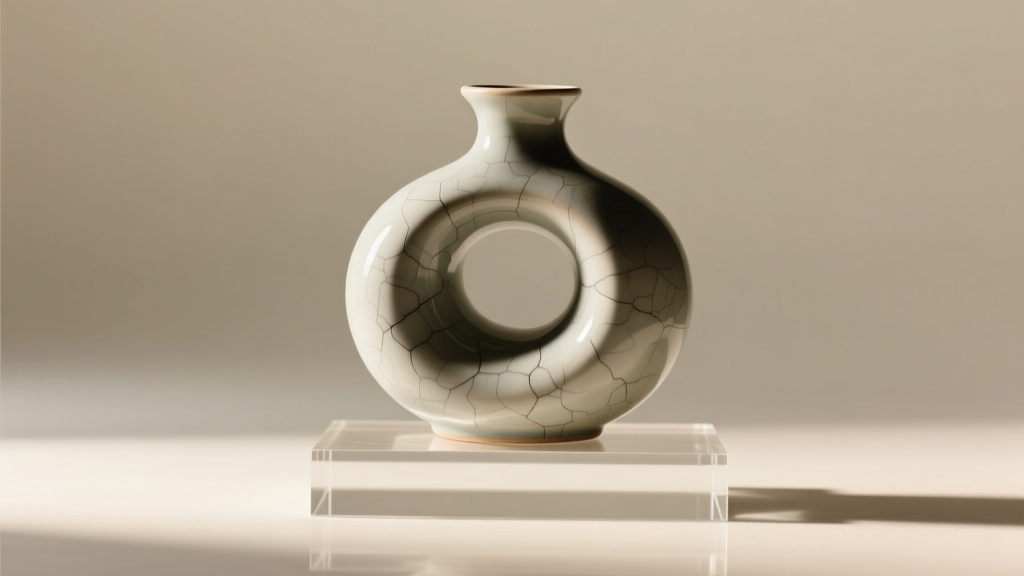
Types of Teal Entryway Tables
A teal entryway table is more than just a functional piece of furniture—it's a statement of style, personality, and practicality. Whether you're welcoming guests or organizing your daily essentials, the right entryway table sets the tone for your home. Available in a variety of designs and materials, teal entryway tables offer a refreshing pop of color that blends beautifully with neutrals and complements both bold and subtle interiors. Below is a comprehensive guide to the most popular types, each tailored to different aesthetic preferences and functional needs.
Traditional Teal Entryway Table
Characterized by timeless craftsmanship and elegant detailing, this style blends classic furniture design with a vibrant teal finish.
Advantages
- Timeless, elegant appearance
- Durable solid wood construction
- Rich detailing (carved legs, ornate edges)
- Perfect for formal or vintage-inspired interiors
- Ample surface space for decor and essentials
Limitations
- Bulkier design may not suit small spaces
- Higher cost due to craftsmanship
- May require more maintenance
- Limited availability in teal finishes
Best for: Classic homes, formal entryways, vintage decor lovers
Modern Teal Entryway Table
Defined by sleek lines and minimalist design, this table combines contemporary materials with a bold teal hue for a sophisticated look.
Advantages
- Streamlined, clutter-free appearance
- Available in high-gloss or matte teal finishes
- Space-efficient for narrow hallways
- Often features mixed materials (glass, metal, engineered wood)
- Easily integrates into modern or urban lofts
Limitations
- Less decorative detailing
- Potential for fingerprints on glossy surfaces
- May feel less warm or inviting
- Limited storage options in minimalist designs
Best for: Contemporary homes, small entryways, minimalist interiors
Industrial Teal Entryway Table
A rugged fusion of metal and wood, this style embraces raw textures and a distressed teal finish for an edgy, urban aesthetic.
Advantages
- Strong, durable construction (steel, iron, reclaimed wood)
- Unique, handcrafted appeal with distressed finishes
- Excellent for storage (shelves, drawers, hooks)
- Perfect for lofts, urban apartments, or steampunk themes
- Adds character and boldness to entry spaces
Limitations
- Heavier and harder to move
- May clash with overly delicate decor
- Distressed finish may show wear over time
- Limited softness in design—less cozy feel
Best for: Industrial lofts, urban homes, eclectic or edgy interiors
Transitional Teal Entryway Table
Blends traditional elegance with modern simplicity, offering a balanced design that suits a wide range of interiors.
Advantages
- Versatile style fits multiple decor themes
- Softer lines than modern, less ornate than traditional
- Often features neutral wood tones with teal accents
- Great for homes in between styles
- Good mix of function and aesthetics
Limitations
- May lack strong visual identity
- Fewer bold design statements
- Teal finish may be subtle or limited to accents
Best for: Mixed-style homes, family entryways, versatile decor schemes
| Style | Design Aesthetic | Material Commonality | Best Interior Match | Functionality |
|---|---|---|---|---|
| Traditional | Elegant, ornate, classic | Solid wood, carved details | Vintage, formal, classic homes | High – ample surface and decor space |
| Modern | Minimalist, sleek, clean | Engineered wood, metal, glass | Contemporary, urban, minimalist | Medium – focused on form and space-saving |
| Industrial | Rugged, raw, edgy | Steel, iron, reclaimed wood | Lofts, urban, eclectic | High – often includes storage and shelving |
| Transitional | Balanced, blended, harmonious | Wood with modern finishes | Mixed decor, family homes | High – combines beauty and practicality |
Expert Tip: When selecting a teal entryway table, consider pairing it with neutral wall colors and complementary accent pieces like teal throw pillows, artwork, or vases to create a cohesive and inviting entryway. Use a clear sealant on painted wood surfaces to protect the finish from scratches and moisture.
Final Thoughts: A teal entryway table is a dynamic way to infuse color and personality into your home’s first impression. Whether you lean toward traditional elegance, modern minimalism, or industrial grit, there’s a teal table to match your taste. Focus not only on aesthetics but also on size, durability, and functionality to ensure your choice enhances both style and daily convenience.
Design of Teal Entryway Table: Style, Function & Harmony
The design of a teal entryway table goes far beyond its striking color—it's a thoughtful blend of aesthetics, practicality, and spatial harmony. As one of the first pieces of furniture guests encounter, a teal entryway table sets the tone for your home’s interior. Whether used for convenience, storage, or as a bold design statement, selecting the right table involves careful consideration of shape, style, size, and material to ensure it complements both the space and lifestyle.
Shape: Balancing Space and Flow
Rectangular Tables
Rectangular teal entryway tables are ideal for long, narrow hallways or foyers where maximizing surface area is essential. Their clean lines and structured form offer ample room for decor, keys, mail, or a small lamp. They pair well with modern, minimalist, or traditional interiors and can be easily matched with wall mirrors or artwork above.
Round or Oval Tables
Perfect for compact or circular entry spaces, round or oval teal tables soften sharp corners and improve traffic flow. Their organic shape adds a welcoming, dynamic feel and reduces the risk of bumps in high-traffic areas. These shapes are especially effective in contemporary, coastal, or eclectic designs where fluidity and visual softness are desired.
Additionally, sculptural or uniquely shaped teal tables—such as hexagonal, wave-edged, or asymmetrical designs—serve as artistic focal points. These statement pieces blend function with artistry, making them ideal for modern homes aiming to express individuality and bold design choices.
Style: Matching Your Interior Aesthetic
Teal entryway tables come in a wide range of styles, allowing them to seamlessly integrate into diverse interior themes. The rich, cool tone of teal can evoke calmness, sophistication, or vibrancy, depending on the finish and surrounding palette.
Modern & Industrial
Featuring clean lines, metal legs (often in black iron or brushed steel), and minimalist silhouettes, modern teal tables emphasize function and sleekness. Glass tops or matte lacquered finishes enhance the contemporary appeal.
Rustic & Country Chic
These tables often combine teal paint with distressed wood finishes, exposed joinery, or vintage hardware. They add warmth and charm, ideal for farmhouse, cottage, or shabby-chic interiors.
Coastal & Nautical
Teal naturally complements beach-inspired decor. Paired with whitewashed wood, rope details, or weathered finishes, these tables evoke a breezy, seaside vibe perfect for coastal homes.
Ornamental & Eclectic
Tables with carved trim, gilded accents, or mixed materials bring drama and personality. These are excellent for bohemian, maximalist, or transitional spaces where color and detail are celebrated.
Whether you opt for a vibrant teal as a bold accent or a muted sage-teal for subtle elegance, the style should align with your home’s overall design language to create a cohesive first impression.
Size and Proportion: Achieving Visual Balance
Choosing the right size is crucial for both function and aesthetics. A table that’s too large can obstruct movement, while one that’s too small may look out of place or lack utility.
Proper proportion ensures the table enhances the space rather than dominates it, contributing to a balanced, inviting entryway.
Material: Durability Meets Design
The material of your teal entryway table affects not only its look but also its longevity and maintenance needs—especially important in high-traffic zones.
| Material | Pros | Cons | Best For |
|---|---|---|---|
| Solid Wood (e.g., Oak, Walnut) | Durable, timeless, natural warmth, ages beautifully | Higher cost, susceptible to moisture if not sealed | Rustic, traditional, or luxury interiors |
| Manufactured Wood (MDF, Plywood) | Affordable, stable, holds paint well (ideal for vibrant teal finishes) | Less durable, can swell if exposed to water | Modern, budget-friendly, or rental-friendly spaces |
| Metal (Steel, Iron) | Strong, modern, easy to clean, resistant to wear | Can feel cold, may scratch floors without pads | Industrial, minimalist, or urban lofts |
| Glass Top with Frame | Sleek, opens up space visually, easy to wipe clean | Shows fingerprints, can be fragile, requires careful handling | Small entries, contemporary homes, tight spaces |
When selecting materials, consider the environment: humid climates may require sealed wood or metal, while homes with children or pets benefit from scratch-resistant or easy-to-clean surfaces. A well-chosen finish—matte, glossy, or textured—can enhance the depth of the teal hue and protect the material from daily wear.
Tip: Always measure your entryway before purchasing. Allow at least 18–24 inches of clearance around the table for comfortable movement. Also, consider lighting and nearby decor—pairing your teal table with complementary accessories like a mirror, vase, or rug can elevate the entire entry experience.
Specification & Maintenance of Teal Entryway Table
Maintaining a teal entryway table requires a clear understanding of its construction materials, finish type, and environmental exposure. Whether crafted from wood, metal, glass, or composite materials, proper care ensures longevity, preserves aesthetic appeal, and enhances the functionality of this key home accent piece. This guide covers essential specifications and maintenance practices tailored to different types of teal entryway tables.
Wooden Teal Tables
Teal entryway tables made from solid wood or engineered wood (such as MDF or plywood) are often finished with lacquer, polyurethane, varnish, or painted enamel to achieve their vibrant color and protect the surface. These finishes are durable but require consistent care to prevent wear and discoloration.
- Dust the surface weekly using a soft, lint-free microfiber cloth to avoid fine scratches and buildup
- For deeper cleaning, use a slightly damp cloth with mild soap, then immediately dry with a clean towel
- Apply a high-quality furniture polish or wax every 3–6 months to restore luster and provide an additional moisture barrier
- Avoid placing hot items (like mugs or candles) or wet objects directly on the surface to prevent heat rings and water damage
- Keep the table away from direct sunlight, radiators, or HVAC vents to prevent fading, warping, or cracking of the wood
- Use sheer curtains or blinds during peak daylight hours to reduce UV exposure and maintain the richness of the teal hue
Pro tip: Rotate decorative items periodically to ensure even light exposure and prevent localized fading.
Metal and Glass Teal Tables
Modern teal entryway tables often feature metal frames (steel, aluminum, or iron) paired with tempered glass tops or teal-painted accents. These designs are sleek and low-maintenance but still require attention to detail for lasting performance.
- Clean glass surfaces with a non-ammonia glass cleaner and a microfiber cloth to prevent streaks and static buildup
- Wipe metal components with a damp cloth and mild detergent; dry immediately to prevent water spots or corrosion
- Avoid abrasive sponges or harsh chemicals (like bleach or acetone) that can damage painted finishes or scratch metal surfaces
- For outdoor or high-humidity areas, apply a thin layer of anti-rust protectant or clear sealant on metal joints and legs
- Inspect screws, bolts, and connectors monthly—tighten any loose fittings to maintain structural stability
- Check for chipped paint or exposed metal; touch up with matching enamel paint to prevent rust development
Key benefit: Glass and metal tables resist moisture and are ideal for humid entryways or seasonal homes.
Finish and Protection Strategies
The finish applied to your teal entryway table plays a crucial role in both appearance and maintenance. Different finishes react uniquely to light, moisture, and daily use.
- Glossy finishes: Enhance color depth and reflectivity but may show fingerprints and require more frequent polishing
- Satin or semi-gloss finishes: Offer a balanced look with moderate sheen and easier maintenance
- Matte finishes: Resist glare and hide smudges well but may require specialized cleaners to avoid dulling
To protect the surface and preserve the vibrant teal color:
- Always use coasters, placemats, or trays under drinks, keys, or decorative bowls to prevent scratches, water rings, and stains
- Apply UV-protective window film if the table is near a sunlit entryway—this reduces fading by up to 90%
- Rotate items like vases, lamps, or photo frames every few weeks to promote even light exposure and prevent shadowed discoloration
- Consider using felt pads under heavy or abrasive objects to minimize surface wear
| Material Type | Cleaning Frequency | Recommended Products | Special Precautions |
|---|---|---|---|
| Wood (Painted or Varnished) | Weekly dusting, monthly polish | Microfiber cloth, pH-neutral cleaner, furniture wax | Avoid excess moisture; keep away from heat sources |
| Metal Frame with Glass Top | Weekly cleaning | Glass cleaner, mild detergent, dry microfiber | Prevent water pooling; check for loose hardware |
| Engineered Wood (Laminate Finish) | As needed | Damp cloth, non-abrasive cleaner | No wax or polish; avoid soaking the surface |
| Outdoor/Weather-Resistant Teal Table | Bi-weekly | Water-displacing spray, UV protectant | Inspect for rust or sealant wear regularly |
Expert Recommendation: Regardless of material, consistency is key. A simple 5-minute weekly maintenance routine can extend the life of your teal entryway table by years. Always match cleaning products to the table’s finish, and when in doubt, test on a small, hidden area first. For vintage or designer pieces, consult the manufacturer’s care guide to avoid voiding warranties or damaging specialty finishes.
Scenarios of Teal Entryway Table: Styling and Functional Uses
Teal entryway tables are more than just functional furniture—they're bold design statements that blend practicality with aesthetic appeal. Their vibrant hue adds depth and character to any space, making them ideal for a wide range of environments. Whether you're furnishing a cozy home or a dynamic commercial space, a teal entryway table can serve as both a storage solution and a focal point. Below, we explore the most effective and stylish scenarios for incorporating a teal entryway table into your interior design.
Design Insight: Teal sits between blue and green on the color spectrum, offering a calming yet energizing effect. It pairs beautifully with both warm and cool tones, making it a surprisingly versatile choice for diverse décor styles.
Residential Entryways
In homes with minimalist or neutral-toned interiors, a teal entryway table introduces a vibrant pop of color that instantly elevates the ambiance. Positioned in a foyer or hallway, it acts as a functional catch-all for everyday essentials like keys, mail, handbags, and sunglasses. Its strategic placement encourages organization and reduces clutter at the point of entry.
To enhance both utility and visual appeal, consider styling the table with a decorative mirror above it. This not only creates the illusion of a larger, brighter space but also provides a convenient spot for last-minute outfit checks. Pair the table with ceramic trays, small baskets, or decorative bowls to keep items neatly organized while maintaining a stylish aesthetic.
Teal harmonizes exceptionally well with neutral backdrops such as white, beige, gray, and taupe. When combined with metallic accents like brushed brass or chrome, the table becomes a sophisticated centerpiece that sets the tone for the rest of the home.
Coastal or Beach-Inspired Homes
Teal is intrinsically linked to oceanic hues, making it a natural fit for coastal and beach-themed interiors. A teal entryway table in these settings evokes the serene beauty of the sea, bringing a refreshing, nautical vibe into the home. Opt for tables with glossy finishes to mimic the shimmer of water, or choose distressed wood with teal paint to resemble weathered seaside furniture.
For a cohesive coastal look, style the table with natural elements such as driftwood sculptures, seashell arrangements, woven jute trays, and linen-textured vases. Pair it with soft, sandy walls and light blue accents to create a tranquil, seaside retreat. The richness of teal adds depth to otherwise light and airy color palettes, providing visual balance and elegance.
This color also complements marine-themed artwork, rope mirrors, and potted sea grasses, reinforcing the coastal narrative from the moment guests step inside.
Commercial Spaces
Teal entryway tables are increasingly popular in modern commercial environments such as boutique hotels, upscale restaurants, and lifestyle retail stores. Their bold color makes them ideal for creating a memorable first impression, serving as both functional furniture and branding tools.
In lobbies or reception areas, a teal console table can double as a check-in station, display surface for brochures, or a curated shelf for showcasing local products. In retail spaces, it can highlight seasonal merchandise or promotional items, drawing customer attention with its vibrant presence.
Businesses aiming to convey creativity, sophistication, or a connection to nature often choose teal to reflect their brand identity. When paired with clean lines and modern materials like tempered glass or polished metal, the table enhances the sleek, contemporary aesthetic of the space.
Additionally, teal’s psychological association with trust and calmness can subtly influence customer perception, making commercial environments feel more welcoming and professional.
Event Decor
Teal entryway tables are a favorite among event planners for weddings, gallery openings, birthday parties, and corporate exhibitions. Their bold color and elegant form make them ideal centerpieces or functional stations throughout event spaces.
At weddings, a teal console table can serve as a guest book station, adorned with floral arrangements, candles, and personalized signage. In exhibitions or trade shows, it functions as an information desk or product display stand, helping brands stand out in crowded environments.
For photo-worthy moments, the table can be styled as a backdrop with lush greenery, fairy lights, or fabric draping, creating a stunning setting for guest photos. Its versatility allows it to be adapted to various themes—from bohemian garden parties to modern minimalist affairs.
Available in a range of materials—from acrylic and metal to reclaimed wood—teal tables can be selected to match the event’s mood and décor. Their durability and visual impact make them a practical and stylish choice for temporary setups.
| Setting | Primary Function | Recommended Pairings | Style Tips |
|---|---|---|---|
| Residential Entryways | Storage & organization | Mirror, tray, potted plant | Use with neutral walls and metallic accents for balance |
| Coastal Homes | Thematic décor | Driftwood, seashells, linen | Choose weathered finishes for authenticity |
| Commercial Spaces | Branding & display | Brochures, digital screens, signage | Pair with sleek, modern furniture for a professional look |
| Events | Centerpiece & photo station | Florals, candles, fabric draping | Light up the table for evening events |
Pro Tip: When styling a teal entryway table, use the 60-30-10 rule: let teal dominate 60% of the space (the table), use 30% for complementary neutrals (vases, trays), and 10% for accent colors (greenery, decorative objects) to maintain visual harmony.
Final Thoughts
A teal entryway table is far more than a place to drop your keys—it's a dynamic design element that enhances both form and function across diverse environments. From calming coastal homes to bustling commercial lobbies, its versatility and visual impact make it a smart investment for any space. By thoughtfully pairing it with complementary décor and accessories, you can maximize its aesthetic and practical value, ensuring it becomes a cherished part of your interior story.
Frequently Asked Questions About Entryway Tables
Q1: What is the role of an entryway table?An entryway table—also known as a foyer table or console table—serves both functional and aesthetic purposes in a home. Strategically placed in hallways or entry spaces, it acts as a practical catch-all for everyday essentials such as keys, wallets, sunglasses, mail, and small bags.
Beyond utility, it enhances the visual appeal of your home’s first impression. Many people use entryway tables to display decorative items like vases, photo frames, candles, or indoor plants, creating a warm and welcoming atmosphere. In smaller homes or apartments, these tables can also double as storage solutions with built-in drawers or shelves.
Overall, an entryway table combines organization, convenience, and style, making it a valuable addition to any home’s entrance.
Q2: Is teal a good color for an entryway?Yes, teal is an excellent and increasingly popular choice for entryway decor. As a balanced blend of blue and green, teal exudes a sense of calm, sophistication, and subtle vibrancy—ideal for creating a peaceful yet inviting first impression.
Teal works beautifully in various design styles, including modern, coastal, bohemian, and even traditional interiors. It pairs well with neutral tones like white, gray, and beige, and can be accentuated with metallic finishes such as gold, brass, or chrome for added elegance.
When used on walls, furniture, or accessories, teal creates a strong focal point that draws attention without overwhelming the space. For those looking to make a bold yet tasteful statement in their foyer, teal offers a refreshing alternative to more common neutrals.
Pro Tip: Use matte finishes for a calming effect or semi-gloss for added depth and light reflection in lower-lit entryways.
Q3: How long and wide should an entryway table be?The ideal dimensions of an entryway table depend on the size of your space, but general design principles can help ensure balance and functionality:
- Width: The table should be approximately one-third the width of your entryway or front door to maintain visual proportion and avoid crowding.
- Length: Aim for about two-thirds the length of the wall or available space to create a balanced look without leaving too much empty area.
- Height: A standard height of around 30 inches (76 cm) is recommended, as it aligns comfortably with average user height for placing or retrieving items without bending or reaching excessively.
For example, in a 36-inch-wide entryway, a table around 12 inches wide would be ideal. Always leave at least 18–24 inches of walking clearance in front of the table to ensure easy movement through the space.
Q4: Should an entryway table be narrow or wide?The choice between a narrow or wide entryway table should be guided by the size and layout of your entry space:
- Small or Narrow Entryways: Opt for a narrow console table (typically 10–14 inches deep) to maximize floor space and maintain an open, uncluttered feel. Wall-mounted floating tables are also a great space-saving option.
- Large or Spacious Foyers: Wider tables (16–24 inches deep) can be used to accommodate more decorative items, storage baskets, or even a small mirror or artwork above. These provide greater functionality and visual presence.
Regardless of size, always prioritize function—ensure there’s enough surface area for essentials like keys and mail, and consider models with drawers or lower shelves for added organization. Measuring your space and planning traffic flow before purchasing will help you select the perfect fit.
Ultimately, the right table strikes a balance between aesthetics, proportion, and usability within your unique entry environment.









