When decorating a dining or conference table, two popular options stand out: table flags and table runners. Both serve aesthetic and functional roles, but they differ significantly in design, impact, and protective capability. Choosing between them isn't just about personal taste—it's about understanding how each item performs in real-world settings. Whether you're hosting a holiday dinner, organizing a corporate event, or simply enhancing your daily dining experience, knowing the strengths and limitations of table flags and runners can help you make an informed decision.
Understanding Table Flags and Runners
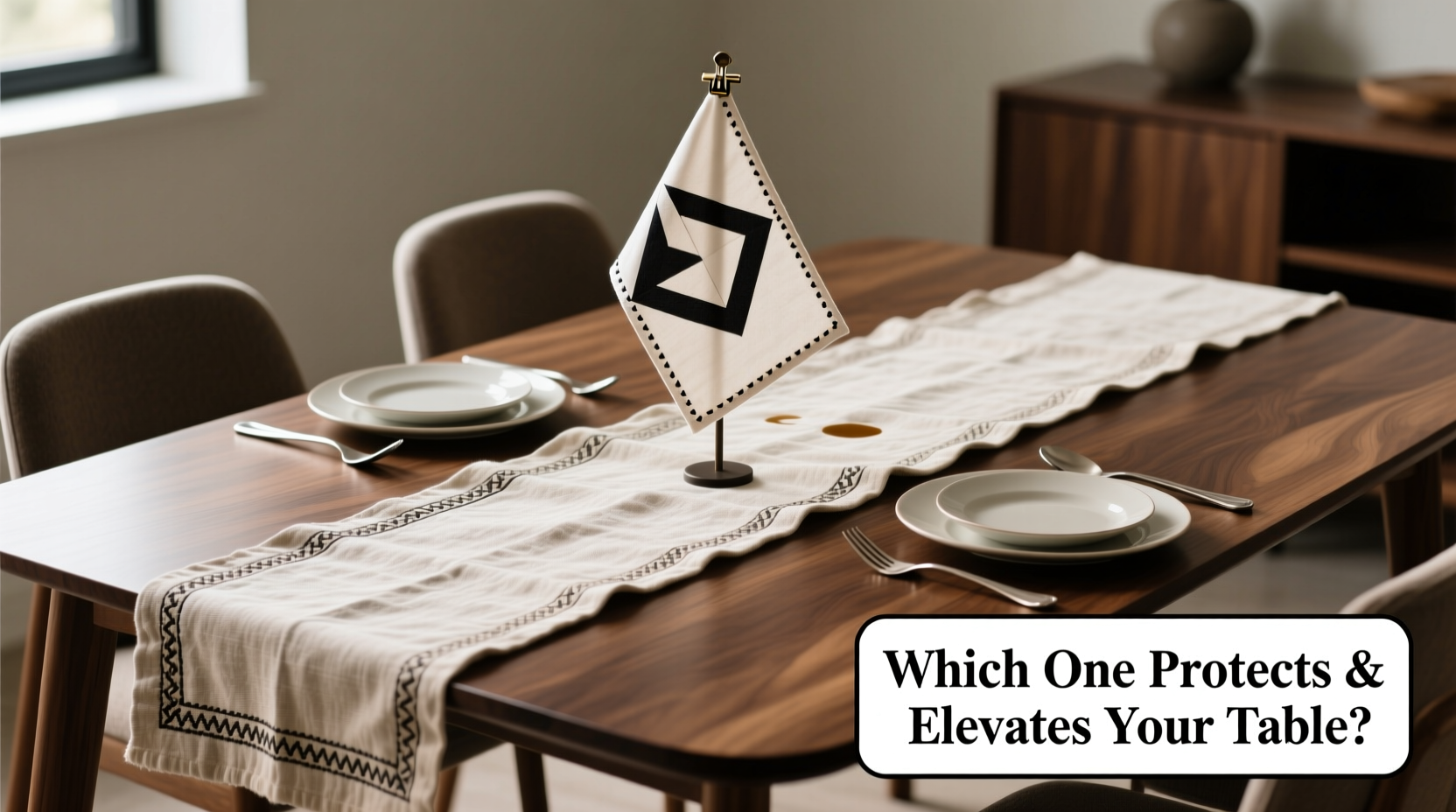
A table flag is typically a narrow fabric strip, often adorned with a logo, monogram, or decorative pattern, placed vertically along the center of a table. It’s commonly used in formal events, political gatherings, or branded functions where visibility and symbolism are key. Table flags are usually mounted on small poles and inserted into weighted bases or holders, keeping them upright rather than flat on the surface.
In contrast, a table runner is a long, horizontal strip of fabric that runs down the center of a table, from one end to the other or slightly shorter. Made from materials like linen, cotton, burlap, or silk, runners are primarily decorative but also offer a layer of protection for the tabletop beneath. They are staples in weddings, holiday meals, and upscale restaurants due to their elegance and versatility.
While both items enhance visual appeal, their structural differences influence not only appearance but also functionality—especially when it comes to safeguarding your furniture.
Visual Impact: Which Looks Better?
The question of which looks better depends heavily on context, theme, and setting.
Table flags create a bold, symbolic presence. They draw the eye upward, adding height and formality. In boardrooms or political rallies, they reinforce identity and authority. However, because they occupy vertical space, they can obstruct sightlines across the table, making conversation less intimate. Their visual strength lies in branding and ceremony, not warmth or coziness.
Table runners, on the other hand, contribute to ambiance through texture, color, and flow. They ground the table setting, providing a cohesive backdrop for centerpieces, place settings, and lighting. A well-chosen runner can elevate a simple table into a curated display, especially when paired with complementary napkins, vases, or candles. Designers frequently use runners to define themes—rustic, modern, festive—making them more versatile for social and domestic environments.
Tip: For intimate gatherings, choose a soft-toned table runner to create warmth; for formal or institutional events, a centered table flag adds gravitas.Protection: Do They Shield Your Table?
When it comes to protecting your table, the answer is clear: table runners provide meaningful protection; table flags do not.
Runners lie directly on the table surface, acting as a barrier against scratches, spills, heat marks, and everyday wear. While they won’t stop heavy impacts or prolonged water exposure, they absorb minor damage and can be easily removed, washed, or replaced. Natural fiber runners like cotton or linen are particularly effective at cushioning delicate wood finishes.
Table flags, however, sit above the surface on stands. They offer zero physical protection. In fact, the base or pole mechanism may scratch the table if not properly padded. Some flag holders come with rubber feet, but even then, their purpose is stability—not surface preservation.
“Runners are part of a layered defense strategy for fine furniture. Think of them as both armor and art.” — Laura Bennett, Interior Preservation Specialist
Comparison Table: Key Differences at a Glance
| Feature | Table Flag | Table Runner |
|---|---|---|
| Position | Vertical (stands upright) | Horizontal (lies flat) |
| Primary Use | Symbolism, branding, identification | Decoration, protection, ambiance |
| Table Protection | None | Moderate to high (depending on material) |
| Sightline Interference | Yes (blocks view across table) | No |
| Ease of Cleaning | Wipe surface only | Machine or hand washable |
| Best For | Conferences, ceremonies, official events | Dining tables, weddings, home decor |
Real-World Example: Wedding vs. Boardroom Setup
Consider a wedding reception setup. The couple chooses ivory linen table runners with lace edging for each dining table. These runners not only complement the floral centerpieces and china but also protect the rented wooden tables from wine spills, candle wax, and cutlery scrapes. After the event, the runners are collected, laundered, and stored—ready for future use. The tables underneath remain unblemished.
Now, picture a corporate boardroom. Each seat has a small table flag displaying the company logo and the attendee’s name. These flags reinforce professionalism and hierarchy. However, during a coffee spill, the liquid flows directly onto the polished mahogany table. Without a runner, the wood absorbs the stain, requiring immediate polishing. The flags, while impressive, contributed nothing to protection.
This contrast highlights a fundamental truth: function follows form. If your priority is protection and atmosphere, go with a runner. If identity and positioning matter most, a flag serves better—even at the cost of utility.
Actionable Checklist: Choosing the Right Option
- ✅ Determine the primary goal: decoration and protection, or branding and formality?
- ✅ Measure your table length and width to ensure proper fit (runner should overhang by 6–12 inches on each end).
- ✅ Choose runner material based on expected use (e.g., polyester-cotton blend for durability, silk for elegance).
- ✅ If using a table flag, ensure the base has non-scratch padding.
- ✅ Layer a runner under a centerpiece, then place small flags at intervals if both aesthetics and branding are needed.
- ✅ Test cleanability: run a damp cloth over a sample to see if it stains or frays.
Frequently Asked Questions
Can I use both a table flag and a runner together?
Yes. Many event planners layer a runner first for protection and style, then insert small table flags at intervals for guest names or branding. Just ensure the flag bases don’t damage the runner fabric or slide around.
Do table runners prevent heat damage from dishes?
To some extent. Thick or quilted runners can resist moderate heat from serving platters, but they are not substitutes for trivets. Always use heat pads under hot dishes to avoid scorching.
Are table flags outdated in modern decor?
Not necessarily. While less common in residential settings, they remain standard in diplomatic, academic, and corporate environments. Their relevance depends on context, not trends.
Final Recommendation: Balance Beauty and Practicality
If you're choosing solely based on which option “looks better,” the answer leans toward the table runner for most scenarios. Its ability to harmonize colors, textures, and tableware makes it a designer favorite. More importantly, it actively protects your table—a benefit no flag can match.
However, dismissing table flags entirely would overlook their unique role in formal and institutional spaces. They command attention, convey status, and establish order. The smart approach is not to pick one over the other universally, but to match the accessory to the environment.
💬 What’s your go-to table accent? Have you tried combining flags and runners? Share your experiences and photos in the comments—we’d love to hear how you balance style and protection in your space.








