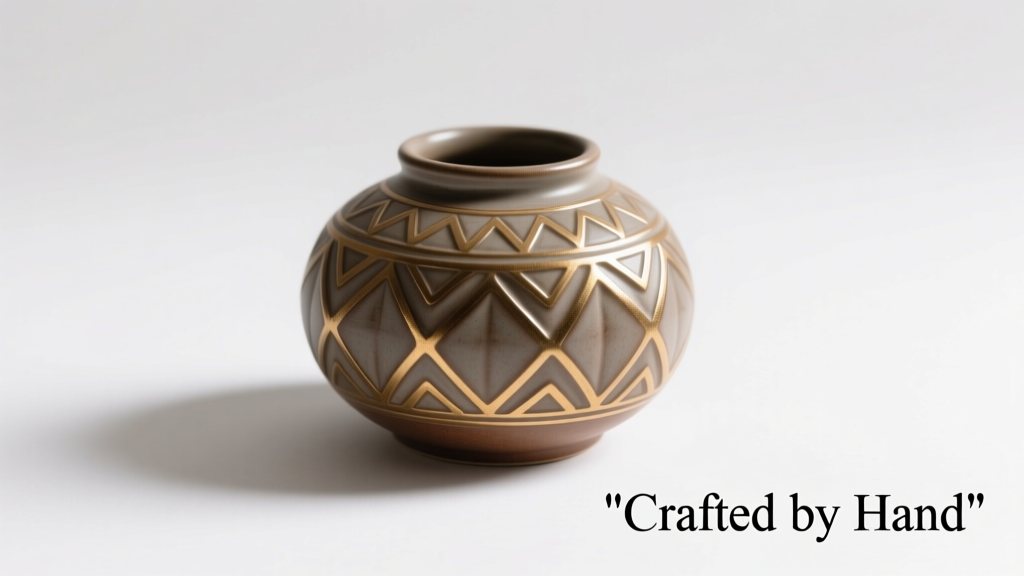
Types of Spoon Holders for Dining Table
A spoon holder for dining table is an essential kitchen accessory designed to securely hold cooking utensils, serving spoons, ladles, and other tableware. By elevating utensils off the table surface, it helps maintain cleanliness, prevents cross-contamination, and enhances overall dining hygiene. Spoon holders also contribute to kitchen organization and can serve as stylish decor elements. Available in a wide range of materials, sizes, and functionalities, they cater to diverse culinary needs and aesthetic preferences.
Traditional Spoon Holder
Crafted from ceramic or clay, traditional spoon holders feature classic craftsmanship and often showcase hand-painted motifs, cultural patterns, or rustic finishes. These holders blend seamlessly with heritage or farmhouse-style kitchens.
Advantages
- Timeless, elegant appearance
- Heat-resistant and stable
- Easy to clean with mild soap
- Adds cultural or vintage charm to the table
Limitations
- Fragile—can crack if dropped
- Limited capacity for multiple utensils
- Not ideal for heavy or wet utensils
Best for: Formal dining settings, traditional kitchens, decorative use
Wooden Spoon Holder
Made from natural hardwoods like teak, walnut, or bamboo, wooden spoon holders offer a warm, organic look. Their grain patterns and earthy tones make them a favorite in modern rustic and eco-conscious kitchens.
Advantages
- Natural, non-slip surface grips utensils firmly
- Excellent heat insulation for hot spoons
- Durable and long-lasting with proper care
- Eco-friendly and biodegradable material
Limitations
- Requires occasional oiling to prevent drying
- May absorb moisture or odors if not sealed
- Not dishwasher-safe
Best for: Everyday cooking, eco-friendly homes, rustic or minimalist decor
Spoon Holder with Design
These decorative spoon holders are made from metal, plastic, or resin and come in imaginative shapes such as animals, flowers, abstract sculptures, or whimsical characters. They double as functional tools and conversation-starting kitchen art.
Advantages
- Highly decorative and fun
- Variety of colors and styles available
- Often larger with multi-utensil capacity
- Great for themed kitchens or children’s spaces
Limitations
- Some designs may compromise stability
- Plastic versions may degrade over time
- Purely aesthetic models may lack functionality
Best for: Modern kitchens, gift items, family dining rooms, creative decor
Magnetic Spoon Holder
An innovative solution featuring a magnetic base and compatible metal utensils. The magnet securely holds the spoon in place, preventing slips and saving counter space. Often wall-mounted or integrated into range hoods.
Advantages
- Space-saving and efficient
- Prevents utensils from falling or sliding
- Easy access during cooking
- Modern, sleek appearance
Limitations
- Requires magnetic-compatible utensils
- Installation may be needed for wall models
- Higher price point than basic holders
Best for: Compact kitchens, modern cooking spaces, frequent cooks
Multi-functional Spoon Holder
Engineered for maximum utility, these holders combine a spoon rest with additional features such as salt and spice dispensers, knife racks, storage compartments, or even built-in timers. Ideal for optimizing small kitchen areas.
Advantages
- Maximizes counter space efficiency
- Combines multiple kitchen tools in one
- Reduces clutter and improves organization
- Often made from durable, easy-to-clean materials
Limitations
- Bulkier than standard holders
- Higher initial cost
- Some functions may go unused
Best for: Small kitchens, busy households, minimalist or organized spaces
| Type | Material | Style | Functionality | Best For |
|---|---|---|---|---|
| Traditional | Ceramic, Clay | Vintage, Cultural | Basic spoon holding | Formal dining, decorative use |
| Wooden | Teak, Walnut, Bamboo | Natural, Rustic | Heat-resistant, stable grip | Daily cooking, eco-friendly homes |
| With Design | Metal, Plastic, Resin | Modern, Whimsical | Decorative + functional | Kitchen aesthetics, themed decor |
| Magnetic | Stainless Steel, Magnetic Alloy | Contemporary, Minimalist | Secure, space-saving hold | Small kitchens, frequent use |
| Multi-functional | Plastic, Metal, Composite | Practical, Integrated | Storage + utensil hold | Space-constrained environments |
Expert Tip: When selecting a spoon holder, consider your cooking habits and kitchen layout. For frequent cooks, a magnetic or multi-functional model offers efficiency, while those valuing aesthetics may prefer a decorative or wooden design. Always ensure the holder is easy to clean and compatible with your most-used utensils.
Designs of Spoon Holders: Functionality and Style in the Modern Kitchen
Spoon holders are more than just functional kitchen accessories—they are essential tools that combine practicality with aesthetic appeal. Designed to keep spoons, ladles, and other utensils clean and organized during cooking, spoon rests come in a wide variety of styles, materials, and configurations to suit different kitchen themes, cooking habits, and user preferences. From traditional ceramic pieces to innovative magnetic models, the evolution of spoon holder design reflects both technological advancements and changing culinary lifestyles.
Traditional Spoon Holders: Classic Elegance Meets Practicality
Traditional spoon rests are characterized by their timeless, bowl-like design with a flat base and slightly raised edges. These features prevent spoons from slipping off and help contain drips, protecting countertops from mess. Typically crafted from durable materials such as ceramic, stoneware, glass, or polished metal, traditional spoon holders are often chosen for their ability to complement formal table settings and classic kitchen decor.
Many traditional models feature decorative glazing, hand-painted patterns, or minimalist finishes, making them not only functional but also decorative elements on the countertop. Some include grooves or indentations to stabilize utensils, enhancing usability while maintaining a refined appearance.
Modern Spoon Holders: Innovation and Multi-Functionality
As kitchen spaces become more compact and multifunctional, modern spoon holders have evolved to meet the demands of contemporary living. Designers now prioritize space-saving features, versatility, and ease of cleaning. Foldable spoon rests made from silicone or flexible plastics can be flattened for storage, ideal for small kitchens or travel. Others incorporate hooks, slots, or hanging mechanisms that allow for vertical storage on cabinet doors or near stovetops, improving accessibility and reducing clutter.
Multitiered or compartmentalized designs enable users to organize multiple utensils simultaneously—such as a spoon, spatula, and tongs—keeping them within reach and neatly arranged. These advanced holders often integrate non-slip bases or heat-resistant materials, ensuring safety and stability during use.
Wooden Spoon Holders
Wooden spoon rests bring a warm, natural element to the kitchen. Crafted from sustainably sourced hardwoods like bamboo, acacia, or walnut, these holders offer durability and a rustic-chic aesthetic. Many feature smooth finishes, engraved details, or organic shapes that echo natural forms.
Wood is naturally heat-resistant and gentle on utensils, making it ideal for holding hot spoons without damage. However, proper care—such as occasional oiling and avoiding prolonged water exposure—is essential to prevent warping or cracking.
Silicone Spoon Holders
Silicone has become a popular material due to its flexibility, heat resistance, and easy maintenance. Silicone spoon rests are non-porous, stain-resistant, and dishwasher-safe, making them highly hygienic. Their pliability allows for collapsible or foldable designs, which are perfect for limited storage spaces.
Available in a vibrant spectrum of colors, silicone holders can match or accentuate kitchen color schemes. Some models include textured surfaces or non-slip bottoms to securely hold utensils during use.
Innovative and Themed Spoon Holder Designs
| Design Type | Material Commonly Used | Best For | Key Benefits |
|---|---|---|---|
| Traditional Bowl-Style | Ceramic, Glass, Metal | Classic Kitchens, Formal Dining | Elegant appearance, drip containment, durable |
| Wooden Rests | Bamboo, Walnut, Acacia | Rustic or Natural-Themed Kitchens | Warm aesthetic, eco-friendly, heat-resistant |
| Silicone Holders | Food-Grade Silicone | Small Kitchens, Families, Travel | Foldable, colorful, dishwasher-safe, non-slip |
| Magnetic Holders | Stainless Steel + Magnet | Compact Kitchens, Frequent Cooks | Space-saving, always accessible, no counter clutter |
| Multi-Compartment | Plastic, Silicone, Composite | Busy Cooks, Large Families | Holds multiple utensils, organized workspace |
Tip: When selecting a spoon holder, consider your cooking habits, available counter space, and cleaning preferences. For example, porous materials like untreated wood require more maintenance, while silicone and ceramic are easier to clean. Magnetic models work best in kitchens with compatible metal surfaces. Choosing the right design enhances both kitchen efficiency and overall culinary enjoyment.
Scenarios of Spoon Holders: Practical Uses Across Environments
Spoon holders, also known as spoon rests, are more than just decorative kitchen accessories—they are functional tools designed to maintain cleanliness, improve organization, and enhance efficiency in a variety of settings. From home kitchens to professional environments, their ability to securely hold utensils while catching drips makes them indispensable across multiple scenarios.
Home Kitchen Use
In domestic cooking spaces, spoon holders play a crucial role in maintaining hygiene and countertop cleanliness. They provide a designated spot for placing cooking utensils—such as wooden spoons, spatulas, ladles, and slotted spoons—while preparing meals, preventing sauce splatters and oil drips from soiling surfaces.
- Prevents cross-contamination by keeping used utensils off countertops
- Ideal for simmering sauces, soups, or stews where frequent stirring is required
- Heat-resistant models (ceramic, silicone, or stainless steel) can withstand hot utensils directly from pots and pans
- Some designs include grooves or ridges to hold multiple tools at once
Pro tip: Pair with a splatter guard for maximum mess control during frying or boiling.
Outdoor Cooking & Grilling
Spoon holders are equally valuable outside the kitchen, especially during barbecues or outdoor cooking sessions. They offer a clean, elevated surface to rest grilling tools like tongs, meat forks, and basting brushes that may be coated with marinades or juices.
- Stops sticky marinade from dripping onto picnic tables or grill stands
- Durable stainless steel or enamel-coated models resist rust and high temperatures
- Compact and portable options are perfect for camping or tailgating
- Can double as a drip tray for grilled vegetables or meats
Smart choice: Look for foldable or lightweight designs for easy storage and transport.
Hospitality & Dining Services
In restaurants, cafes, and catering operations, spoon holders serve both practical and aesthetic purposes. Placed on dining tables or buffet lines, they act as elegant utensil organizers during multi-course meals or self-service events.
- Allow guests to rest cutlery between courses without placing it directly on plates or tablecloths
- Essential in buffet setups where diners may return to the food station multiple times
- Available in stylish materials like porcelain, bamboo, or brushed metal to match restaurant decor
- Help maintain food safety standards by minimizing contact with unclean surfaces
Industry insight: High-end restaurants often use custom-branded spoon rests as part of their table setting.
Crafting & Workshop Organization
Beyond culinary applications, spoon holders prove surprisingly useful in creative and workshop environments. Their compartmentalized design makes them ideal for organizing small tools and supplies that are frequently used and need to be kept clean.
- Hold paintbrushes, palette knives, or glue applicators in art studios
- Keep scissors, rulers, or pens upright and accessible on workbenches
- Prevent liquid adhesives or inks from staining desks when brushes are set down
- Useful in DIY, sewing, or model-building projects where precision tools are used intermittently
Creative hack: Use a ceramic spoon rest as a mini paint palette during watercolor or acrylic sessions.
Expert Recommendation: When selecting a spoon holder, consider material durability, ease of cleaning, and multi-functionality. For example, a dishwasher-safe ceramic or silicone model is ideal for kitchens, while a collapsible stainless steel version suits outdoor enthusiasts. In professional settings, prioritize sleek, hygienic designs that align with brand aesthetics and health regulations.
| Environment | Common Uses | Recommended Materials | Key Benefits |
|---|---|---|---|
| Residential Kitchen | Resting cooking spoons, spatulas, ladles | Ceramic, silicone, bamboo | Heat resistance, drip containment, easy cleaning |
| Outdoor Grilling | Holding basting brushes, tongs, skewers | Stainless steel, enamel-coated metal | Durable, weather-resistant, portable |
| Restaurants & Catering | Tabletop utensil rests, buffet service | Porcelain, brushed metal, acrylic | Hygienic, stylish, professional appearance |
| Art Studios & Workshops | Organizing brushes, tools, adhesives | Plastic, ceramic, silicone | Prevents mess, improves workflow, multi-use |
Additional Considerations
- Size & Capacity: Choose a spoon rest with enough space to accommodate multiple utensils, especially in busy kitchens or commercial settings.
- Non-Slip Base: Models with rubberized or weighted bottoms prevent sliding during use.
- Design Aesthetics: Available in minimalist, rustic, modern, or colorful styles to complement kitchen or dining decor.
- Eco-Friendly Options: Bamboo, recycled glass, or biodegradable materials appeal to environmentally conscious users.
- Cleaning & Maintenance: Smooth, non-porous surfaces resist staining and are easier to sanitize—ideal for food service environments.
How to Choose the Perfect Spoon Holder for Your Dining Table
Selecting the right spoon holder for your dining table goes beyond mere convenience—it enhances both the functionality and aesthetic appeal of your mealtime experience. Whether you're serving a family dinner or hosting a formal gathering, the ideal spoon rest keeps utensils organized, prevents messes, and complements your table setting. This comprehensive guide explores the key considerations for choosing a spoon holder that blends practicality with style, ensuring it meets your culinary and design needs.
Pro Tip: A well-chosen spoon holder not only protects your table from sauce drips and heat damage but also streamlines kitchen-to-table serving, making it easier to manage multiple dishes during meal prep and service.
Key Factors to Consider When Choosing a Spoon Holder
- Functionality: Prioritize Practical Design
A high-performing spoon holder should serve as a reliable utility tool during cooking and dining. Consider the following functional aspects:
- Size & Capacity: Choose a spoon rest large enough to accommodate various utensils—spoons, spatulas, ladles, and tongs—without overcrowding. A spacious design prevents utensils from touching the table surface, maintaining cleanliness.
- Edge Design: Opt for models with raised edges or a rimmed border to prevent utensils from slipping off, especially when handling wet or greasy tools.
- Heat Resistance: Since utensils often come straight from hot pots and pans, ensure the holder is made from heat-resistant materials that can withstand temperatures up to at least 400°F (200°C).
- Multi-Compartment Layout: Spoon rests with separate sections or grooves help organize different utensils, reducing clutter and cross-contamination between cooking tools.
- Drainage Features: Some advanced designs include small channels or wells to collect excess liquid, minimizing drips and mess on your table or countertop.
- Material: Balance Durability, Safety, and Maintenance
The material of the spoon holder significantly impacts its performance, longevity, and ease of care. Here’s a breakdown of common options:
Material Pros Cons Best For Ceramic Stylish, heat-resistant, non-porous surface Can chip or crack if dropped Elegant table settings, frequent use Stainless Steel Durable, rust-resistant, easy to clean, modern look May show fingerprints; can be slippery Modern kitchens, commercial use Silicone Flexible, heat-resistant, foldable for storage, lightweight Can absorb odors over time Compact kitchens, travel, temporary setups Wood (Bamboo or Hardwood) Natural aesthetic, gentle on utensils, eco-friendly Requires hand-washing; not dishwasher-safe Rustic, farmhouse, or eco-conscious decor Tempered Glass Elegant appearance, non-reactive, easy to wipe clean Heavy; risk of breakage if mishandled Dining tables, formal settings Maintenance Notes: Ceramic, glass, and stainless steel models are typically dishwasher-safe, while wooden and silicone holders should be cleaned with mild soap and a damp cloth. Always dry wooden holders immediately to prevent warping or mold growth.
- Design & Aesthetic Compatibility
The spoon holder should harmonize with your dining room’s overall décor and layout. Consider these design elements:
- Style Matching: For modern or minimalist interiors, sleek materials like stainless steel, glass, or matte black ceramic work best. In rustic, traditional, or country-style spaces, wooden or handcrafted ceramic holders add warmth and charm.
- Color & Finish: Neutral tones (white, gray, black, natural wood) offer versatility, while bold colors or patterns can serve as a decorative accent. Choose finishes that resist staining from tomato-based sauces or oil splatters.
- Ergonomics & Placement: Ensure the spoon holder is easily accessible from the stove or serving area. It should sit securely on the table without sliding and allow for one-handed utensil placement.
- Portability: If you frequently move utensils from kitchen to table, consider lightweight or collapsible designs that are easy to carry and store.
Expert Tip: Test the spoon holder with your most commonly used utensils before finalizing your purchase. Make sure long-handled ladles or wide spatulas fit comfortably without tipping over. A good rule of thumb: the holder should extend at least 1 inch beyond the utensil’s handle on both sides.
Additional Considerations for Optimal Use
- Dishwasher Safety: Check manufacturer guidelines—some materials may degrade with repeated high-heat washing.
- Non-Slip Base: Look for holders with rubberized feet or textured bottoms to prevent sliding during use.
- Multi-Use Potential: Some spoon rests double as trivets, condiment trays, or herb-cutting boards, maximizing kitchen efficiency.
- Size Proportion: Match the holder’s size to your table and serving dishes—oversized holders can dominate small tables, while tiny ones may be impractical for family meals.
- Guest-Friendly Design: In formal settings, choose a design that allows guests to easily identify where serving utensils belong, enhancing dining etiquette and flow.
Ultimately, the perfect spoon holder strikes a balance between form and function. By evaluating material durability, heat resistance, ease of cleaning, and visual harmony with your dining space, you can select a piece that enhances both the practicality and elegance of your table. Whether you prefer a sleek stainless steel model for a contemporary kitchen or a hand-carved wooden rest for a cozy farmhouse table, the right choice will make serving easier, cleaner, and more enjoyable.
Frequently Asked Questions About Spoon Holders
Q1: What is a spoon holder?A spoon holder is a practical kitchen accessory specifically designed to cradle cooking spoons, ladles, spatulas, and other utensils during food preparation and cooking. It serves as a resting place for utensils, keeping them off countertops and preventing drips and messes while you're in the middle of cooking. Available in various styles—from countertop stands to pot-mounted clips—spoon holders help maintain a clean, organized workspace and reduce the need for constant washing during meal prep.
Q2: What are spoon holders made of?Spoon holders are crafted from a range of durable and functional materials, each offering unique benefits:
- Silicone: Heat-resistant, flexible, and easy to clean; often features non-slip bases and can withstand high temperatures from hot pots and pans.
- Stainless Steel: Durable, rust-resistant, and modern in appearance; ideal for heavy-duty use and often paired with silicone inserts for added protection.
- Ceramic: Aesthetic and stylish, often hand-decorated; best suited for light use and cooler utensils due to limited heat tolerance.
- Wood: Natural and visually warm, commonly made from bamboo or beech; requires occasional oiling to prevent drying and cracking, and should not be soaked in water.
The choice of material often depends on your cooking habits, kitchen decor, and whether you prioritize heat resistance, ease of cleaning, or visual appeal.
Q3: What are the benefits of using a spoon holder?Using a spoon holder offers several practical advantages that enhance both hygiene and efficiency in the kitchen:
- Keeps Countertops Clean: Prevents sauce, oil, or soup from dripping onto surfaces by providing an elevated, contained space for utensils.
- Improves Organization: Reduces clutter by giving utensils a designated home during cooking, making it easier to access tools quickly.
- Enhances Safety: Minimizes the risk of accidentally knocking a utensil into a dirty sink or onto the floor.
- Saves Time and Water: Eliminates the need to wash spoons repeatedly between taste tests or stirring intervals.
- Protects Surfaces: Shields countertops and stovetops from heat damage, especially when using holders made from heat-resistant materials like silicone or metal.
Overall, a spoon holder streamlines the cooking process and contributes to a more enjoyable and mess-free experience.
Q4: How do people use spoon holders?Spoon holders are primarily used to rest cooking spoons during food preparation, but their utility extends to a wide variety of kitchen tools:
- Cooking Spoons & Ladles: Ideal for stirring soups, stews, or sauces, allowing you to set them down without making a mess.
- Spatulas: Perfect for flipping pancakes or scraping bowls, keeping rubber or silicone ends off dirty surfaces.
- Slotted Spoons & Tongs: Can be safely placed in larger holders or stands with wide openings.
- Teaspoons & Small Utensils: Useful for holding measuring spoons during baking or seasoning.
Some models come with magnetic strips, clip-on designs for pot edges, or foldable stands for compact storage. Whether placed beside the stove, on the counter, or directly on a pot rim, spoon holders adapt to different cooking setups and preferences.
Q5: Are spoon holders heat resistant?Heat resistance varies significantly depending on the material:
| Material | Heat Resistance | Recommended Use |
|---|---|---|
| Silicone | Yes (typically up to 450°F/230°C) | Suitable for direct contact with hot pots and utensils; ideal for active cooking. |
| Stainless Steel | Yes (highly resistant to heat) | Durable for heavy-duty and high-temperature environments; often used in professional kitchens. |
| Ceramic | Limited (can crack under sudden temperature changes) | Best for cooler utensils; avoid placing extremely hot tools directly on the surface. |
| Wood | No (can warp, scorch, or crack) | Use only with warm, not hot, utensils; requires careful maintenance to preserve integrity. |
Always check the manufacturer’s guidelines before exposing a spoon holder to high heat. For frequent high-temperature cooking, opt for silicone or stainless steel models to ensure safety and longevity.