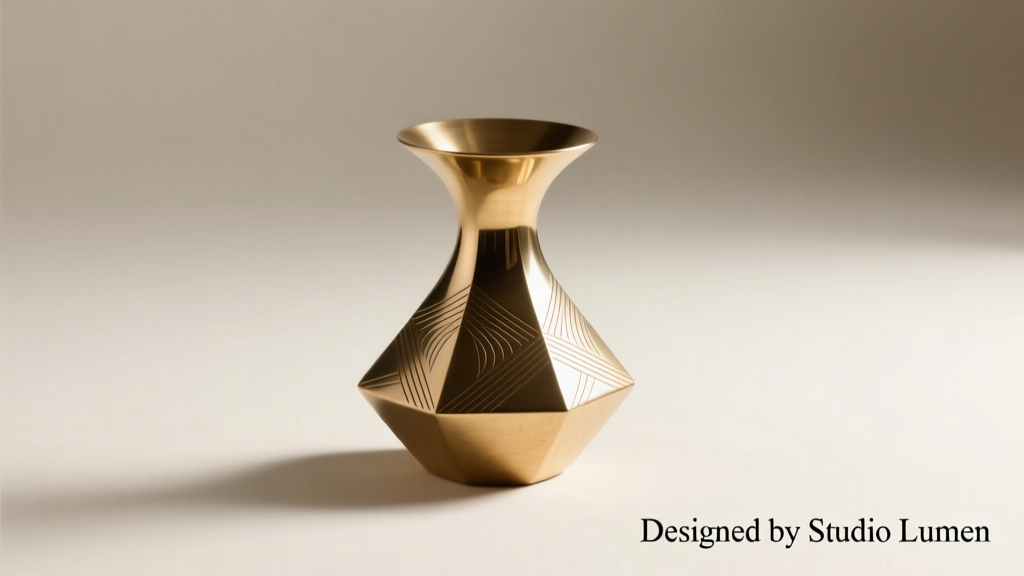
Types of Soap Cage Solid Dish
A soap cage solid dish is an essential bathroom or kitchen accessory designed to hold bar soap while allowing proper drainage and air circulation. The right soap dish not only extends the life of your soap by preventing it from becoming soggy but also enhances the aesthetic appeal of your space. Different materials offer unique benefits in terms of durability, eco-friendliness, style, and maintenance. Below is a comprehensive breakdown of the most common types of solid soap dishes available today.
Stainless Steel Soap Dish
Known for its sleek, polished finish, stainless steel offers a modern and minimalist look that complements contemporary bathrooms and kitchens.
Advantages
- Highly resistant to rust and corrosion
- Durable and long-lasting
- Easy to clean with minimal maintenance
- Hygienic and non-porous surface
- Suitable for both residential and commercial use
Limitations
- Can be more expensive than plastic or bamboo
- Metal may feel cold to the touch
- May show water spots or fingerprints without regular wiping
Best for: Modern homes, high-moisture environments, commercial restrooms
Bamboo Soap Dish
Crafted from 100% renewable and biodegradable bamboo, this eco-conscious option brings natural warmth and organic beauty to any space.
Advantages
- Made from sustainable, fast-growing bamboo
- Naturally water-resistant with proper treatment
- Eco-friendly and biodegradable at end of life
- Lightweight yet sturdy
- Adds a rustic or spa-like aesthetic to décor
Limitations
- Requires occasional oiling to maintain water resistance
- May warp or crack if left in standing water
- Lifespan shorter than metal or ceramic if not properly cared for
Best for: Eco-friendly households, minimalist or nature-inspired interiors, sustainable living
Ceramic Soap Dish
Available in a wide array of colors, patterns, and finishes, ceramic soap dishes combine functionality with artistic flair.
Advantages
- Glazed surface is non-porous and easy to clean
- Available in countless designs and styles
- Premium, luxurious appearance
- Excellent drainage with molded or drilled holes
- Prevents soap from sitting in water
Limitations
- Fragile—can chip or crack if dropped
- Heavier than plastic or bamboo options
- May require careful placement to avoid accidents
Best for: Decorative bathrooms, gift items, vintage or elegant interiors
Plastic Soap Dish
An affordable and practical choice, plastic soap dishes are widely used in homes, hotels, and public facilities due to their versatility and low cost.
Advantages
- Extremely affordable and budget-friendly
- Lightweight and easy to move or replace
- Available in multiple colors, shapes, and patterns
- Many include built-in drainage and drying ridges
- Resistant to water and does not rust or degrade easily
Limitations
- Less durable—can crack or become brittle over time
- May yellow or stain with prolonged use
- Less environmentally friendly (unless made from recycled materials)
Best for: High-turnover environments, children’s bathrooms, temporary or travel use
| Type | Durability | Eco-Friendliness | Style & Design | Best Application |
|---|---|---|---|---|
| Stainless Steel | Excellent | Good | Modern, Minimalist | Kitchens, modern bathrooms, commercial use |
| Bamboo | Good | Excellent | Natural, Rustic, Organic | Eco-homes, spa bathrooms, sustainable living |
| Ceramic | Fair | Good | Luxurious, Decorative | Master bathrooms, guest rooms, gift use |
| Plastic | Fair | Poor | Versatile, Trendy | Children’s rooms, hotels, budget setups |
Expert Tip: To maximize the lifespan of your soap dish, ensure it is placed in a well-ventilated area and clean it regularly to prevent soap scum buildup. For bamboo dishes, apply food-grade mineral oil every few months to maintain water resistance.
Industrial Applications of a Soap Cage Solid Dish
A soap cage solid dish is more than just a bathroom accessory—it plays a vital role across multiple industries by enhancing hygiene, improving product presentation, and supporting operational efficiency. These durable, functional, and often aesthetically designed trays are used in various commercial environments where cleanliness, organization, and user experience matter. Below is a detailed exploration of the key industrial applications of soap cage solid dishes.
Key Industrial Applications
Hospitality Industry
Hotels, resorts, bed-and-breakfasts, and guest houses widely incorporate soap cage solid dishes as essential elements of their bathroom amenities. These dishes contribute to a polished and professional appearance, aligning with interior design themes ranging from minimalist modern to classic luxury.
By securely holding bar soaps, the dishes prevent slipping, reduce water pooling, and minimize mess on countertops and shower surfaces. This not only improves guest satisfaction through a clean and organized environment but also reduces housekeeping time and maintenance costs. Additionally, branded or custom-designed soap dishes can enhance the perceived value of the stay, reinforcing the property’s image of quality and attention to detail.
Retail and Wholesale Distribution
Retailers and wholesalers are major distributors of soap cage solid dishes, sourcing them in bulk for resale across diverse markets. These businesses offer a broad product range to meet varying consumer preferences—styles include minimalist chrome finishes, rustic ceramic models, retro-patterned designs, and industrial-strength plastic variants.
Plastic dishes are popular for budget-friendly options due to their durability and low production cost, while ceramic and stainless steel versions cater to premium segments seeking elegance and longevity. Wholesalers benefit from scalable supply chains, enabling them to serve hotels, spas, retail chains, and e-commerce platforms. Many also offer private labeling, allowing brands to customize dishes for marketing or loyalty programs.
Hygiene Product Manufacturing
Soap and personal care manufacturers integrate solid soap dishes into their packaging and product bundles to elevate the unboxing experience and add functional value. These dishes are especially common in gift sets, organic skincare lines, and artisanal soap collections.
By including a matching or complementary dish, manufacturers ensure that their products remain dry, intact, and visually appealing during transit and storage. This protective function extends shelf life and reduces waste. Moreover, offering a coordinated dish encourages repeat purchases and strengthens brand identity. Some companies even design innovative, reusable dishes that promote sustainability—aligning with eco-conscious consumer trends.
Commercial Laundries, Spas, and Salons
In professional environments like spas, salons, fitness centers, and commercial laundries, soap cage solid dishes are indispensable for organizing therapeutic, antiseptic, or specialty soaps used in treatments and cleaning routines.
Dishes help categorize different soap types (e.g., medicated, exfoliating, fragrance-specific), ensuring easy access and preventing cross-contamination. Their design allows for quick drainage and efficient sanitization between uses, which is critical in maintaining health and safety standards. In high-traffic facilities, durable materials such as stainless steel or antimicrobial plastics are preferred for long-term performance and compliance with hygiene regulations.
| Industry | Primary Use | Common Materials | Key Benefits |
|---|---|---|---|
| Hospitality | Bathroom amenity organization | Stainless steel, ceramic, plastic | Enhances guest experience, reduces mess, supports branding |
| Retail & Wholesale | Mass distribution and resale | Plastic, ceramic, metal alloys | Variety of price points, customizable designs, scalable inventory |
| Hygiene Manufacturing | Packaging and product bundling | Ceramic, recyclable plastic, bamboo composites | Improves presentation, protects product, promotes sustainability |
| Spas & Commercial Facilities | Sanitary storage and organization | Stainless steel, antimicrobial plastic | Easy cleaning, infection control, durability under heavy use |
Emerging Trends and Innovations
Important: When selecting soap cage solid dishes for industrial use, consider factors such as material durability, ease of cleaning, resistance to mold and corrosion, and alignment with brand aesthetics. Poor-quality dishes can lead to frequent replacements, hygiene issues, or negative customer perceptions. Investing in well-designed, industry-specific solutions ensures long-term value and operational efficiency.
What to Consider When Buying a Soap Cage Solid Dish
Selecting the right soap dish goes beyond simple functionality—it impacts hygiene, bathroom aesthetics, and the longevity of your soap bars. A well-chosen solid soap cage ensures proper drainage, prevents soap from becoming mushy, and complements your space’s design. Below are the key factors to consider when choosing a high-quality soap dish that meets both practical and visual needs.
Material Quality and Durability
The material of a soap dish significantly influences its durability, maintenance, and overall appearance. Different materials offer unique benefits depending on your environment and design preferences.
- Plastic: Lightweight, affordable, and resistant to rust, making it ideal for travel or humid environments. Modern versions are BPA-free and UV-resistant to prevent yellowing.
- Ceramic: Offers a classic, elegant look with substantial weight that resists sliding. Glazed finishes prevent water absorption and are easy to clean, though they can chip if dropped.
- Bamboo: A sustainable, eco-friendly option with natural water-resistant properties. It adds a warm, rustic touch to bathrooms but requires occasional oiling to maintain integrity.
- Metal (Stainless Steel, Brass, Bronze): Highly durable and corrosion-resistant, especially in wet areas. Stainless steel is low-maintenance, while brass and bronze develop a patina over time for a vintage appeal.
Pro tip: In high-humidity areas like showers, prioritize non-porous, rust-proof materials like stainless steel or high-grade plastic.
Drainage and Drying Efficiency
Effective water drainage is crucial to extend the life of your soap bar and maintain hygiene. A poorly draining dish can lead to soggy, wasted soap and bacterial buildup.
- Look for dishes with drainage holes, slits, or grooves that allow water to flow away quickly.
- Elevated or caged designs lift the soap above the base, minimizing contact with pooled water.
- Some models feature angled surfaces to direct water toward the edges or down the drain.
- Non-slip ridges or grids enhance airflow and prevent the soap from sticking.
Key benefit: Proper drainage not only preserves soap but also reduces soap scum and mold accumulation.
Design and Aesthetic Appeal
The soap dish should harmonize with your bathroom or kitchen décor, enhancing the space rather than clashing with it. Design choices range from minimalist to ornate, depending on your style.
- Modern & Minimalist: Sleek lines, neutral colors (white, black, chrome), and geometric shapes suit contemporary bathrooms.
- Vintage or Ornate: Brass or bronze cages with intricate detailing add elegance to traditional or luxury spaces.
- Rustic or Natural: Bamboo, stone, or wood-look dishes complement farmhouse, spa, or nature-inspired themes.
- Wall-mounted vs. countertop styles offer flexibility in space utilization and visual balance.
Design tip: Match the finish of your soap dish to other bathroom fixtures (faucets, towel bars) for a cohesive look.
Ease of Cleaning and Maintenance
A soap dish should be easy to clean to prevent grime, mildew, and soap residue buildup—common issues in damp environments.
- Dishes made from smooth, non-porous materials (ceramic, stainless steel, high-density plastic) resist staining and are simple to wipe down.
- Removable or modular designs allow for thorough cleaning underneath and between parts.
- Avoid materials with deep grooves or porous surfaces that trap moisture and are harder to sanitize.
- Dishwasher-safe options offer convenient deep cleaning for plastic and metal models.
Hygiene note: Regular cleaning with mild soap or vinegar solution helps maintain a fresh, germ-free surface.
Size and Compatibility
Choosing the right size ensures your soap fits securely without overhanging or wobbling, which can lead to slipping or inefficient drying.
- Standard store-bought soap bars (3.5" x 2.5") fit most universal dishes.
- Larger handmade or artisanal soaps may require oversized or custom-fit dishes with wider bases.
- Deep cages or high walls help contain oddly shaped or soft soaps that tend to deform.
- Wall-mounted models should be installed at a comfortable height and away from direct water spray.
Smart choice: Measure your soap before purchasing, especially if using large or irregularly shaped bars.
Installation and Placement Options
Consider how and where the soap dish will be used—this affects installation type and usability.
- Adhesive-mounted: Easy to install without drilling; ideal for renters or tile surfaces. Ensure strong, waterproof adhesive.
- Screw-mounted: More permanent and stable, suitable for heavy-duty use in family bathrooms.
- Suction cups: Temporary solution; can lose grip over time in humid conditions.
- Countertop models offer flexibility but take up space; wall-mounted versions save counter area and reduce clutter.
Time-saving tip: Opt for no-drill, adhesive-backed dishes with strong silicone seals for quick, damage-free installation.
Expert Recommendation: For most households, a stainless steel or ceramic soap cage with elevated drainage and a sleek design offers the best balance of durability, hygiene, and style. If sustainability is a priority, bamboo is an excellent eco-conscious alternative—just ensure it has a proper sealant to resist moisture. Always prioritize function first: a beautiful dish that doesn’t drain well will lead to wasted soap and frequent cleaning.
| Material | Best For | Lifespan | Maintenance Level |
|---|---|---|---|
| Stainless Steel | High-humidity areas, modern bathrooms | 5+ years | Low (wipe clean) |
| Ceramic | Elegant spaces, countertop use | 3–5 years | Medium (avoid impacts) |
| Bamboo | Eco-friendly homes, rustic themes | 2–4 years | Medium (occasional oiling) |
| Plastic (High-Density) | Travel, kids’ bathrooms, budget use | 1–3 years | Low (dishwasher safe) |
Additional Considerations
- Soap Compatibility: Some soaps (like glycerin or melt-and-pour varieties) are softer and require better airflow to prevent melting.
- Anti-Slip Features: Rubber feet, suction bases, or textured bottoms prevent sliding on wet surfaces.
- Multi-Function Designs: Some dishes include compartments for loofahs, washcloths, or small bottles.
- Brand Reputation: Trusted brands often provide better material quality, drainage engineering, and customer support.
- Environmental Impact: Recyclable or biodegradable materials reduce ecological footprint.
How to Install and Use a Soap Cage Solid Dish – Complete Guide
A soap cage solid dish is a stylish and functional bathroom or kitchen accessory designed to hold bar soap while promoting drainage and hygiene. Unlike traditional soap dishes that allow water to pool, a caged or elevated design keeps soap dry and extends its lifespan. This comprehensive guide covers everything you need to know about installing, using, and maintaining your soap cage dish for optimal performance and long-term durability.
Safety & Surface Warning: When mounting on tiles, glass, or delicate surfaces, ensure adhesive or suction mounts are suitable for the material. Avoid overtightening screws on brittle surfaces. Test stability before placing heavy or frequently used items.
Installation Instructions
Proper installation ensures your soap cage remains secure, functional, and visually appealing. Follow these steps based on your model and mounting preference.
- Choosing the Ideal Location
Selecting the right spot is crucial for both convenience and longevity. The ideal location should be:
- Near the sink or shower for easy access during handwashing or bathing
- Within arm’s reach but not directly under constant water spray
- In an area with good airflow to promote drying and prevent mold buildup
- Avoid placing in low-lying spots where water tends to collect
- Consider countertops, vanity edges, shower niches, or beside the tub
Tip: Position the dish where it complements your bathroom décor and keeps the surrounding area clutter-free.
- Mounting Options by Material Type
Different materials require different mounting methods. Choose the appropriate technique based on your soap dish construction:
- Plastic or Ceramic Dishes: Typically use strong adhesive strips or suction cups. These are non-invasive, easy to install, and ideal for temporary setups or renters.
- Stainless Steel or Brass Dishes: Often require permanent mounting using screws, wall anchors, or industrial-strength epoxy. These provide maximum durability and are best for high-traffic areas.
- Dishes with Brackets: If your model includes a mounting bracket, attach the bracket first using appropriate hardware (included or purchased separately), ensuring it's securely fastened to tile, drywall, or stone.
Always follow the manufacturer’s instructions and use recommended tools such as a drill, level, screwdriver, or silicone sealant if needed.
- Ensuring Stability and Leveling
A level installation prevents water from pooling on one side and enhances both function and appearance:
- Use a small spirit level during installation to confirm horizontal alignment
- Adjust suction cups or adhesive pads to fine-tune positioning
- For screw-mounted dishes, pre-drill holes carefully to avoid cracking tiles
- Test stability by gently pressing down on the dish after mounting
A well-leveled dish allows water to drain evenly, reducing soap mush and bacterial growth.
Usage Guidance
Using a soap cage dish correctly maximizes hygiene, extends soap life, and maintains a clean aesthetic.
- Placing the Soap Properly
The primary function of a soap cage solid dish is to hold bar soap securely while allowing air circulation and drainage:
- Center the soap bar within the cage or on the platform to ensure balanced drying
- Avoid letting the soap rest against the side, which can trap moisture
- Choose models with raised grids, slats, or open cages to elevate the soap above standing water
- Allow space around the soap for airflow—don’t overcrowd with multiple bars
This promotes faster drying and reduces bacterial contamination.
- Selecting the Right Soap Type
While most bar soaps work well, some are better suited for cage dishes:
- Natural, glycerin-based, or handmade soaps are gentle on sensitive skin and often come in attractive shapes
- Avoid overly soft or oily soaps that dissolve quickly and leave residue
- For sensitive skin, choose fragrance-free, hypoallergenic, or dermatologist-tested options
- Do not place liquid soap bottles, shampoo bars (unless specifically designed), or sponges inside the cage unless intended
Proper soap selection enhances both user experience and dish cleanliness.
- Coordinating with Bathroom Accessories
Enhance your space by pairing the soap cage with complementary fixtures:
- Add matching items like a soap dispenser, lotion pump, toothbrush holder, or towel ring
- Match finishes (e.g., brushed nickel, matte black, chrome) for a cohesive look
- Group accessories neatly on countertops or mount them at consistent heights in the shower
This creates a polished, spa-like atmosphere in bathrooms or kitchens.
Maintenance and Care Tips
Regular cleaning keeps your soap cage hygienic, odor-free, and looking new.
- Clean the dish at least once a week—or more often in humid environments
- Remove soap residue by rinsing under warm running water and scrubbing gently with a soft brush or cloth
- For stubborn buildup, soak in a mixture of vinegar and water (1:1 ratio) for 15–30 minutes
- Wipe dry after cleaning to prevent water spots and mineral deposits, especially in hard water areas
- Inspect adhesive or suction mounts monthly for wear; replace as needed to maintain security
- Check metal dishes for signs of rust or tarnishing, particularly in steamy showers
| Aspect | Best Practices | Common Mistakes | Recommended Tools |
|---|---|---|---|
| Installation | Level mounting, proper surface prep | Mounting in wet zones, skipping the level check | Adhesive strips, drill, spirit level, anchors |
| Soap Usage | Center placement, elevated design | Overlapping soaps, leaving wet bars overnight | Soap saver mesh (optional), drying mat |
| Cleaning | Weekly rinse, deep clean monthly | Using abrasive pads, ignoring buildup | Vinegar solution, soft brush, microfiber cloth |
| Accessory Pairing | Matching finishes, organized layout | Mismatched styles, overcrowding | Design planner, measuring tape |
Expert Tip: To extend the life of your bar soap, consider using a soap saver bag or placing a small drying rack underneath the cage. This further improves airflow and reduces moisture retention, keeping your soap firm and effective longer.
Additional Recommendations
- Rotate soaps regularly to prevent one bar from sitting unused and deteriorating
- Use a removable tray or liner if available for easier cleaning
- Consider a magnetic or modular soap dish system for customizable arrangements
- In shared bathrooms, label dishes or use color-coded soaps to avoid mix-ups
- Replace damaged or corroded dishes promptly to maintain hygiene and safety
With proper installation, mindful usage, and routine care, your soap cage solid dish will remain a functional and attractive part of your bathroom or kitchen for years. Whether you're upgrading your space or organizing for efficiency, this simple accessory can make a big difference in daily convenience and cleanliness.
Frequently Asked Questions About Soap Solid Dish Cages
Q1: Will a Soap Solid Dish Cage Need Replacement Over Time?The lifespan of a soap solid dish cage depends on its material, frequency of use, and exposure to moisture. With proper care, these dishes can last for years, but they should be replaced when signs of wear or damage become evident.
- Plastic Models: Durable and resistant to water, but may develop cracks or discoloration over time, especially with prolonged sun exposure or aggressive cleaning agents.
- Metal Variants: Typically made from stainless steel or aluminum, these resist general wear and are less prone to cracking. However, lower-quality metals may begin to rust or corrode in humid bathroom environments.
- Bamboo or Wood: Natural materials that require occasional oiling to prevent drying and splitting. These may degrade faster if left in standing water.
Regular inspection is recommended—replace the dish if you notice structural damage, sharp edges, persistent mold buildup, or instability in the cage structure. Proactive replacement ensures hygiene and prevents potential accidents.
Q2: What Are the Common Problems with Soap Cage Solid Dishes?Two of the most frequent issues users encounter are water pooling and soap mushiness, both of which compromise cleanliness and shorten soap life.
- Water Accumulation: Occurs when the dish lacks drainage holes or slits, trapping moisture underneath the soap. This creates a damp environment conducive to bacterial growth and mold.
- Flat Surface Design: Dishes without elevation keep the soap in direct contact with pooled water, accelerating disintegration and creating a slippery, unsanitary mess.
- Poor Airflow: Enclosed or overly dense cage designs limit air circulation, slowing drying time and promoting residue buildup.
To avoid these problems, choose a dish with elevated bars or a mesh base that lifts the soap above the surface. Look for models with open-grid patterns, side vents, or slanted bases to encourage drainage and faster drying. These features significantly improve hygiene and extend the life of your soap bar.
Q3: Are Custom Soap Cage Solid Dishes Available?Yes, many manufacturers and artisans offer custom-made soap cage solid dishes tailored to specific preferences in design, size, material, and finish.
- Design Flexibility: Options include personalized engravings, unique shapes (e.g., geometric, nature-inspired), or matching existing bathroom fixtures.
- Material Choices: Customers can select from stainless steel, brass, bamboo, recycled plastic, or even ceramic-coated metals based on aesthetic and functional needs.
- Size & Fit: Custom sizing ensures compatibility with oversized soap bars or specific sink configurations.
However, it's important to note that custom orders often come with conditions:
- Minimum Order Quantity (MOQ): Some suppliers require bulk purchases, especially for industrial or hospitality clients.
- Lead Time: Handcrafted or bespoke items may take 2–6 weeks to produce, depending on complexity and availability of materials.
- Cost: Customization typically increases price due to labor, tooling, and material sourcing.
For individuals or small businesses, consider reaching out to local metalworkers or eco-conscious artisans who specialize in sustainable bathroom accessories.
Q4: Are There Eco-Friendly Options for Soap Dishes?Absolutely. As sustainability becomes a priority, many eco-conscious alternatives to traditional plastic soap dishes are now widely available.
- Bamboo: A fast-growing, renewable resource that’s naturally antimicrobial and biodegradable. Bamboo dishes are lightweight, stylish, and compostable at end-of-life (if untreated).
- Recycled Metals: Stainless steel or aluminum made from post-consumer materials reduces mining demand and lowers carbon footprint. These are highly durable and fully recyclable.
- Recycled Plastic: Made from ocean-bound or post-industrial plastic waste, these dishes repurpose existing materials and help reduce landfill pollution.
- Plant-Based Composites: Emerging materials like rice husk or wheat straw mixed with biodegradable resins offer plastic-free, sturdy alternatives.
Choosing an eco-friendly soap dish supports a circular economy, reduces single-use plastic dependency, and aligns with green living principles. Always check product certifications (e.g., FSC, Recycled Content Label) to verify environmental claims.
Q5: Do All Soap Dishes with Solid Cages Have Drainage Features?No, not all soap dishes with solid cages include effective drainage. While many modern designs incorporate holes, slits, or raised grids, some decorative or minimalist models prioritize aesthetics over functionality.
Key considerations when selecting a dish:
- Drainage Holes: Essential for allowing water to escape and preventing stagnation. Look for multiple perforations or a slotted base.
- Elevated Cage Design: Ensures the soap sits above the surface, minimizing contact with residual moisture.
- Angled or Sloped Base: Helps direct water toward the edges or down through openings.
Flat, solid-bottom dishes without drainage are generally not recommended for wet environments like showers or humid bathrooms, as they trap water and accelerate soap degradation. When shopping, prioritize function alongside style—opt for a dish that balances visual appeal with practical moisture management for a cleaner, longer-lasting soap experience.









