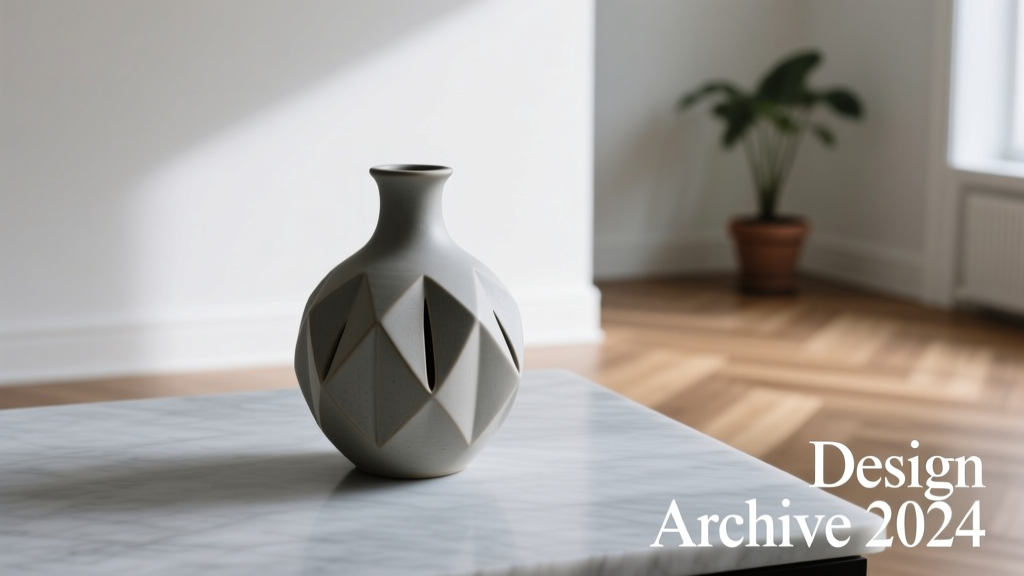
Types of Small Vases with Yellow Flowers
A small vase with yellow flowers is a vibrant and uplifting decor element that brings warmth, cheer, and elegance to any space. Whether used in homes, offices, or events, these vases combine the natural beauty of yellow blooms with artistic container design. Below is a comprehensive guide to the most popular types, including their characteristics, ideal flowers, and best uses.
Yellow Flower Glass Vases
Clear or tinted glass vases are a timeless choice for showcasing bright yellow flowers like daffodils, sunflowers, and tulips. Their transparency highlights the stems and water, creating a clean, modern aesthetic that complements both minimalist and traditional interiors.
Advantages
- Enhances visibility of stems and water clarity
- Complements any decor style
- Easy to clean and reuse
- Ideal for fresh flower arrangements
Limitations
- Can be fragile if dropped
- Shows water spots and mineral deposits
- May require frequent cleaning
Best for: Living rooms, dining tables, weddings, and spring-themed decor
Yellow Ceramic Vases
These vases feature a solid build with glossy or matte yellow glazes, offering both durability and artistic flair. Their weight provides stability, making them perfect for tabletops and shelves. They pair beautifully with roses, lilies, and chrysanthemums.
Advantages
- Sturdy and less prone to tipping
- Available in a wide range of artistic designs
- Scratch-resistant surface with long-lasting color
- Excellent for both indoor and semi-outdoor use
Limitations
- Heavier than other materials
- Can chip if dropped on hard surfaces
- Limited visibility of water level
Best for: Entryways, kitchens, and as statement pieces in living areas
Yellow Plastic Vases
An affordable and practical option, yellow plastic vases are lightweight and shatterproof. They come in various shades and styles, ideal for temporary displays, children’s rooms, or high-traffic areas. Suitable for both real and artificial flowers like daisies, orchids, and peonies.
Advantages
- Highly durable and impact-resistant
- Budget-friendly for bulk use
- Lightweight and easy to move
- Available in fun, vibrant colors and shapes
Limitations
- May appear less premium than glass or ceramic
- Potential to degrade under prolonged UV exposure
- Can scratch or fade over time
Best for: Classrooms, parties, outdoor events, and temporary floral displays
Yellow Metal Vases
Offering a sleek, industrial-chic look, yellow metal vases (often made from brass, copper, or powder-coated steel) add a bold, modern touch. Their strength supports larger blooms like hydrangeas, proteas, and orchids, and they double as sculptural decor even when empty.
Advantages
- Extremely durable and long-lasting
- Unique aesthetic for contemporary spaces
- Resistant to water damage (when coated)
- Can be polished for renewed shine
Limitations
- Can dent if struck hard
- May develop condensation inside
- Heavier than plastic or glass
Best for: Modern interiors, offices, galleries, and accent decor
Yellow Vintage Vases
These charming vases—crafted from glass, porcelain, or ceramic—feature antique designs, hand-painted details, or retro patterns. They evoke nostalgia and elegance, perfectly suited for primroses, daisies, or vintage-style tulips.
Advantages
- Unique, one-of-a-kind designs
- Adds historical charm and character
- Often collectible and heirloom-quality
- Creates a warm, inviting atmosphere
Limitations
- Can be expensive or hard to find
- May require careful handling
- Limited availability in matching sets
Best for: Farmhouse decor, antique collections, and nostalgic gift arrangements
| Vase Type | Durability | Aesthetic Appeal | Best Flowers | Ideal Use |
|---|---|---|---|---|
| Glass | Medium | High | Daffodils, Tulips, Sunflowers | Home decor, events, gifts |
| Ceramic | High | High | Roses, Lilies, Chrysanthemums | Tabletops, living spaces |
| Plastic | Medium | Medium | Daisies, Peonies, Orchids | Parties, schools, outdoor use |
| Metal | Very High | High | Hydrangeas, Proteas, Orchids | Modern interiors, accent pieces |
| Vintage | Variable | Very High | Primroses, Tulips, Daisies | Antique decor, gifts, nostalgia |
Design Tip: For a balanced look, pair transparent glass vases with tall yellow blooms and greenery, while using opaque ceramic or vintage vases with shorter, clustered arrangements for a cozy, inviting feel.
Design of Small Vase with Yellow Flowers
The design of a small vase plays a pivotal role in enhancing the natural beauty of yellow flowers, transforming a simple floral arrangement into an elegant centerpiece. Thoughtful consideration of form, color, texture, and placement ensures that the vase complements the vibrant hue of the blooms while harmonizing with its surroundings. Below is a detailed exploration of key design elements that contribute to a visually striking and functionally effective yellow flower display.
Key Design Elements for a Small Yellow Flower Vase
Shape and Size
The shape and size of a vase directly influence the structure and visual impact of a floral arrangement. For small vases—typically under 12 inches in height—compact designs are ideal for showcasing shorter-stemmed flowers such as tulips, daffodils, or potted ranunculus. These vases offer a minimalist charm, perfect for intimate settings like breakfast nooks or office desks.
Vases with narrow or slender necks help maintain tight, upright arrangements, making them excellent choices for bold blooms like sunflowers or yellow roses. The constriction at the neck supports the stems and encourages a cohesive, clustered look. In contrast, wide-bodied vases allow for more expansive arrangements, providing space for longer stems and leafy greens to spread out into a lush, naturalistic display.
Color and Finish
The color and finish of the vase significantly affect how the yellow flowers are perceived. Neutral tones such as white, soft gray, or matte black serve as excellent backdrops, allowing the bright yellow petals to stand out without visual competition. These colors create a clean, modern aesthetic suitable for both contemporary and traditional interiors.
Metallic finishes like gold, brass, or silver add a touch of luxury and depth, enhancing the warmth of yellow hues through reflective contrast. The surface finish also plays a crucial role: glossy finishes amplify light reflection, intensifying the vibrancy of the flowers, while matte or textured surfaces offer a more subdued, sophisticated look that softens the overall appearance. This makes matte vases ideal for creating calming, elegant displays in living rooms or bedrooms.
Motifs and Patterns
Decorative elements such as hand-painted motifs, geometric patterns, or floral engravings can elevate a simple ceramic vase into a work of art. When paired with yellow flowers, subtly patterned vases—especially those featuring complementary botanical illustrations or abstract designs—add visual interest without overwhelming the blooms.
For instance, a vase with delicate blue or green floral patterns can echo garden-inspired themes, creating a cohesive narrative between the container and its contents. Solid-colored vases with embossed textures or engraved lines also provide dimensionality, grounding the arrangement and enhancing its overall glamour. The key is balance: intricate patterns should enhance, not compete with, the natural beauty of the flowers.
Placement and Context
The intended location of the vase influences its design and functionality. A small yellow flower vase on a dining table should be low-profile to avoid obstructing conversation, yet stylish enough to serve as a focal point during meals. Daytime placements benefit from light-reflective materials that catch natural sunlight, amplifying the cheerful energy of yellow blooms.
In contrast, vases placed on coffee tables, mantelpieces, or entryway consoles can be slightly larger and more decorative, acting as statement pieces. These areas often allow for taller or sculptural vases that command attention. Regardless of location, functionality remains essential: a well-designed vase must include proper drainage or a removable liner to keep flowers fresh and prevent water damage to surfaces.
| Design Element | Impact on Yellow Flowers | Best Use Cases |
|---|---|---|
| Slender Neck Vase | Keeps stems upright and grouped; enhances vertical elegance | Yellow roses, tulips – formal arrangements |
| Wide-Mouth Vase | Allows natural spreading of stems; creates airy look | Ranunculus, daffodils with greenery – casual displays |
| Matte Black Finish | Contrasts vividly with yellow; adds modern sophistication | Minimalist interiors, offices |
| Gold Accents | Enriches warmth and luxury; enhances golden tones | Living rooms, special occasions |
| Patterned Ceramic | Adds artistic flair; complements floral themes | Kitchens, sunrooms, seasonal decor |
Tips for Optimal Floral Presentation
Note: Avoid placing yellow flower vases in direct sunlight for extended periods, as this can cause premature wilting and fading of petals. Additionally, ensure the vase is stable and not easily tipped—especially in homes with children or pets. A thoughtfully designed vase not only showcases the beauty of yellow flowers but also contributes to a joyful, inviting atmosphere.
Yellow Flower Ideas: Brighten Your Space with Sunshine Hues
Yellow flowers radiate joy, warmth, and positivity, making them a perfect choice for enhancing the beauty and cheerfulness of any home or garden. Their vibrant tones evoke the energy of sunlight and can uplift any space. Whether displayed in vases, used in seasonal arrangements, or combined with greenery, yellow blooms offer endless creative possibilities. Below are thoughtful and practical ideas for incorporating yellow flowers into your decor with lasting impact.
Fresh Cut Flowers
Nothing brings life to a room quite like fresh yellow blooms. Popular varieties such as daffodils, tulips, sunflowers, yellow roses, and lilies are widely available at florists and gardens. Their bright color and natural fragrance instantly elevate the ambiance of any space.
- Cut stems at a 45-degree angle to maximize water absorption and prolong freshness
- Remove lower leaves to prevent bacterial growth in the water
- Use flower food to nourish the blooms and inhibit microbial development
- Change water every 2–3 days and re-trim stems to extend vase life up to 2–3 weeks
Pro tip: Keep fresh arrangements away from direct sunlight and ripening fruit to slow wilting.
Dried Flowers
Dried yellow flowers offer a low-maintenance, long-lasting alternative to fresh blooms. Varieties like wheat stalks, dried lavender, billy balls (craspedia), and yellow statice retain their color and shape for months or even years when properly preserved.
- Perfect for rustic, farmhouse, or bohemian interior styles
- No watering or trimming required—ideal for high-traffic or hard-to-reach areas
- Can be combined with ribbons, twine, or decorative vases for added charm
- Resistant to dust and fading when kept out of direct sunlight
Creative idea: Frame dried yellow blooms in shadow boxes for wall art with a vintage flair.
Artificial Flowers
Modern artificial yellow flowers—such as silk sunflowers, faux daisy sprays, or realistic lilies—offer enduring beauty with zero maintenance. High-quality designs are nearly indistinguishable from real flowers and are perfect for spaces where natural blooms struggle.
- Ideal for dimly lit rooms, entryways, or outdoor patios exposed to weather
- Available in a wide range of styles, from lifelike to stylized decorative forms
- Easy to clean with a quick wipe or gentle dusting
- Great for allergy sufferers or those who travel frequently
Design tip: Mix artificial blooms with real greenery for a balanced, natural look.
Greenery and Filler
Enhance your yellow flower arrangements by incorporating complementary greenery and textured fillers. Elements like forsythia branches, yellow-tipped eucalyptus, or golden berries add depth, volume, and seasonal character.
- Forsythia branches bring early spring energy with vibrant yellow buds
- Golden berries or hypericum add a pop of color and rustic texture
- Ferns or ruscus provide lush background contrast to bright yellow blooms
- Always ensure greenery is well-hydrated to prevent wilting and maintain arrangement integrity
Stylistic note: Use asymmetrical arrangements for a more organic, garden-picked appearance.
Seasonal Arrangements
Rotating yellow flower displays with the seasons keeps your decor dynamic and in harmony with nature’s rhythm. Each season offers unique blooms that reflect its character and mood.
- Spring: Daffodils, tulips, and forsythia symbolize renewal and fresh beginnings
- Summer: Sunflowers, yellow zinnias, and wildflowers celebrate warmth and abundance
- Fall: Golden chrysanthemums, dried wheat, and marigolds complement autumn palettes
- Winter: Potted primroses, kalanchoe, or forced hyacinths bring color to colder months
Bonus benefit: Seasonal rotation supports sustainability by using in-season, locally grown flowers.
Designer Recommendation: For a balanced and visually appealing arrangement, follow the "rule of three"—combine three types of elements: a focal flower (e.g., sunflower), a secondary bloom (e.g., yellow rose), and a textural filler (e.g., eucalyptus). This creates harmony, depth, and professional polish in any vase display.
| Flower Type | Best For | Lifespan | Special Care Tips |
|---|---|---|---|
| Fresh Cut (e.g., tulips, daffodils) | Centerpieces, living rooms, dining tables | 7–14 days | Trim stems daily, use flower food, avoid ethylene exposure |
| Dried (e.g., billy balls, wheat) | Rustic decor, shelves, entryways | 6–12 months+ | Keep out of direct sunlight to prevent fading |
| Artificial (e.g., silk sunflowers) | Bathrooms, offices, outdoor spaces | Years | Dust regularly, avoid prolonged UV exposure |
| Seasonal Potted (e.g., primrose) | Winter interiors, windowsills | 4–8 weeks (in bloom) | Provide indirect light and consistent moisture |
Additional Styling Tips
- Vase Selection: Clear glass highlights stem beauty; amber or gold vases enhance warm tones; ceramic vases add modern elegance
- Color Pairing: Combine yellow with white for freshness, purple for contrast, or green for a natural garden feel
- Arrangement Height: Taller vases suit entryways; short mason jars work well on kitchen counters
- Scent Consideration: Fragrant blooms like yellow lilies add sensory appeal but may be overwhelming in small spaces
- Eco-Friendly Choices: Opt for locally grown, pesticide-free flowers to support sustainability
How to Choose the Perfect Yellow Flowers in a Small Vase
Selecting the ideal yellow flowers for a small vase is more than just picking a cheerful bloom—it’s about creating a balanced, visually appealing arrangement that enhances your space. Whether you're decorating a kitchen counter, office desk, or entryway table, the right combination of flower type, vase size, material, color, and maintenance needs can elevate your decor. This guide walks you through the essential considerations to help you make an informed and stylish choice.
Pro Tip: Yellow flowers symbolize joy, energy, and positivity. Placing them in high-traffic or mood-sensitive areas like dining rooms or home offices can boost ambiance and uplift spirits.
Key Factors to Consider When Choosing Yellow Flowers and Vases
- Flower Type
Choosing the right flower variety is crucial for both visual appeal and practicality. For small vases, short-stemmed or compact blooms work best. Consider these popular yellow options:
- Tulips: Elegant and simple, tulips have a graceful droop that adds softness to arrangements. They’re easy to arrange and last well with fresh water.
- Sunflowers: While typically tall, dwarf varieties are perfect for small vases. Their bold presence brings warmth and vibrancy, though they may need extra support.
- Pansies & Primroses: These delicate, face-like flowers are ideal for indoor potted displays or short-lived cut arrangements. They thrive in cooler environments and add a whimsical charm.
- Yellow Orchids: Sophisticated and long-lasting, orchids offer a luxurious touch. While not traditional cut flowers, mini-phalaenopsis in small vases create a stunning, modern look.
Tip: Mix textures by combining smooth tulips with ruffled pansies for added depth and interest.
- Vase Size
The proportions between the flowers and vase are essential for a polished look. A small vase typically ranges from 4 to 8 inches in height and works best with shorter stems (4–6 inches).
- Small vases concentrate the fragrance and visual impact, making them perfect for intimate spaces.
- They limit stem length, preventing flopping and ensuring stability.
- Larger vases with too few flowers can appear sparse, while a small vase filled with just a few blooms creates a curated, intentional display.
Rule of Thumb: The total height of the arrangement (flowers + vase) should be no more than 1.5 times the height of the vase for balanced proportions.
- Material and Style
The vase’s material and design should complement both the flowers and your interior decor. Each material brings a different aesthetic:
- Ceramic: Offers a warm, matte finish. A neutral or soft yellow ceramic vase enhances the cheerfulness of the flowers without competing with them.
- Glass: Classic and timeless, glass vases showcase stem lines and water clarity. Ideal for minimalist or traditional settings.
- Metal (Brass, Copper, or Matte Gold): Adds a modern or vintage flair. Reflective surfaces amplify light and highlight the vibrancy of yellow blooms.
- Porcelain or Glazed Pottery: Brings elegance and can feature decorative patterns that add character without overwhelming the arrangement.
Ensure the vase style aligns with your room’s theme—rustic, modern, bohemian, or Scandinavian.
- Color Coordination
The interplay between flower color and vase tone can dramatically affect the mood of your arrangement:
- Neutral Vases (White, Cream, Gray, Beige): Allow bright yellow flowers to stand out boldly, creating a fresh and clean look.
- Matte Finish Vases: Soften the intensity of yellow, giving a more relaxed, organic feel—ideal for rustic or calming spaces.
- Shiny or Metallic Vases: Reflect light and enhance the luminosity of yellow petals, adding glamour and sophistication.
- Complementary Colors: Soft green or light blue vases can create a harmonious, nature-inspired palette when paired with yellow blooms.
Avoid overly bright or clashing vase colors that distract from the flowers. The goal is harmony, not competition.
- Maintenance and Longevity
Consider how much care you’re willing to provide. Different flower types and arrangements require varying levels of upkeep:
- Fresh Cut Flowers: Require daily water changes, stem trimming, and removal of wilted petals. Tulips and sunflowers typically last 5–7 days with proper care.
- Potted Blooms (e.g., Pansies, Primroses): Need indirect sunlight and regular watering. They can last for weeks and be enjoyed beyond a single arrangement.
- Dried or Artificial Flowers: Require no watering but may need occasional dusting. They offer a long-term decorative solution with minimal effort.
- Greenery Additions: Eucalyptus, ferns, or ivy can extend the life and texture of an arrangement while requiring little maintenance.
Tip: Add a floral preservative to water to extend the life of cut flowers by several days.
| Factor | Best Options | Avoid | Lifespan & Care Level |
|---|---|---|---|
| Flower Type | Tulips, Dwarf Sunflowers, Pansies, Orchids | Large-headed blooms with long stems (e.g., standard sunflowers) | 5–14 days (moderate care) |
| Vase Size | 4–8 inch height, narrow neck | Wide or oversized vases | N/A (permanent) |
| Material | Glass, Ceramic, Matte Metal | Overly ornate or dark-colored vases | Varies by flower type |
| Color Pairing | White, Cream, Soft Green, Gold | Bright Orange, Red, or Neon Tones | Enhances visual impact |
| Maintenance | Daily water change, weekly trimming | Infrequent care or stagnant water | High for fresh, low for artificial |
Design Insight: For a cohesive look, group small vases with yellow flowers in multiples of three on a tray or shelf. This creates a curated vignette that draws the eye and enhances room decor.
Final Tips for a Stunning Display
- Choose seasonal yellow flowers for better availability, freshness, and value.
- Use floral foam or a frog pin to keep stems in place in narrow vases.
- Pair yellow blooms with green foliage to add depth and mimic natural growth patterns.
- Place arrangements away from direct sunlight and heat sources to prolong freshness.
- Refresh the arrangement every few days by rotating or replacing a few stems.
With thoughtful selection and attention to detail, a small vase of yellow flowers can become a radiant focal point in your home. Whether you prefer the simplicity of a single tulip or the cheerfulness of a mixed bouquet, the right combination of flower and vase will bring lasting beauty and joy to your space.
Frequently Asked Questions About Yellow Flowers for Vases and Indoor Display
Q1: Which are the best yellow flowers suitable for a small vase?When selecting yellow flowers for a small vase, it's important to choose varieties that are not only vibrant but also proportionate in size and stem length. Some of the top choices include:
- Tulips: Elegant and slender, yellow tulips add a cheerful touch and naturally droop slightly, creating a graceful curve in small arrangements.
- Daffodils: With their trumpet-shaped blooms, daffodils bring bold color and a springtime feel. Choose miniature varieties for compact vases.
- Sunflowers: While standard sunflowers can be too large, dwarf sunflower varieties (8–12 inches tall) fit perfectly in small vases and radiate warmth.
- Yellow Roses: Classic and timeless, smaller-bloomed yellow roses offer sophistication and longevity in water.
- Yellow Lilies: Opt for shorter stems or single blooms; their large, fragrant flowers make a striking centerpiece even in modest containers.
These flowers not only fit well in small vases but also complement various interior styles—from modern minimalist to rustic farmhouse.
Q2: How to arrange yellow flowers in a vase properly?Creating a visually appealing yellow flower arrangement involves both technique and creativity. Follow these professional tips for a polished look:
- Prepare the Stems: Use sharp scissors or floral shears to cut stems at a 45-degree angle. This increases water absorption and prevents the stems from sitting flat at the bottom of the vase.
- Remove Excess Foliage: Strip leaves that would fall below the waterline to prevent bacterial growth and cloudy water.
- Build Structure: Start with greenery or filler stems to create a base, then add focal flowers like roses or lilies, followed by secondary blooms such as daffodils or tulips.
- Asymmetry for Interest: Arrange flowers at varying heights and angles to achieve a natural, dynamic look. Avoid symmetrical patterns, which can appear stiff.
- Add Texture: Incorporate sprigs of eucalyptus, ferns, or baby’s breath to enhance depth and contrast against the bright yellow hues.
Freshly cut flowers arranged with care will last longer and make a more impactful visual statement in any room.
Q3: How do I take care of yellow flowers in a vase?Proper care is essential to extend the vase life of yellow flowers, which typically last 5–10 days with the right maintenance. Here’s how to keep them looking fresh:
- Change Water Daily: Fresh water prevents bacteria buildup. Always rinse the vase when refilling to remove residue.
- Use Flower Food: Add the included packet or a homemade solution (1 teaspoon sugar + 2 drops bleach + 1 teaspoon lemon juice per quart of water) to nourish blooms and inhibit microbes.
- Re-Cut Stems: Every two to three days, trim ½ inch off the stems at an angle to refresh water uptake.
- Avoid Heat and Sun: Place the vase in a cool area away from direct sunlight, heating vents, and ripening fruit (which emits ethylene gas that speeds aging).
- Mist Petals: Lightly spritzing the blooms with water can help maintain hydration, especially in dry environments.
With consistent care, your yellow floral display can remain vibrant and uplifting for over a week.
Q4: Which yellow flowers are ideal for low-light conditions?If you're decorating a room with limited natural light, certain yellow potted flowers thrive without direct sun exposure. These are excellent choices for offices, north-facing rooms, or shaded corners:
- Primroses (Primula vulgaris): These delicate, cheerful flowers bloom in bright yellow and prefer cool, indirect light. They are perfect for tabletop displays and flower boxes.
- Yellow Orchids (e.g., Phalaenopsis): Known for their elegance, yellow orchids flourish in low to medium light and can bloom for months with proper care.
- Golden Pothos (Epipremnum aureum): Though not a flowering plant, its heart-shaped yellow-green variegated leaves add a sunny touch and are extremely low-maintenance.
- Peace Lily with Yellow Tint (rare cultivars): Some hybrid peace lilies feature pale yellow blooms and tolerate low light well.
These plants not only survive but enhance dim spaces with their warm tones, making them ideal for creating a cozy, inviting atmosphere indoors.
Q5: Are there any yellow flowers suitable for people with allergies?Yes, many yellow flowers are considered hypoallergenic because they produce little to no airborne pollen, making them safe for allergy sufferers. Recommended options include:
- Yellow Roses: Most modern hybrid tea and garden roses are bred for beauty over pollen production. Their tightly packed petals trap pollen, reducing dispersion.
- Yellow Gerbera Daisies: These vibrant, daisy-like flowers have low pollen output and are often used in allergy-friendly arrangements.
- Orchids: With minimal pollen and enclosed reproductive parts, orchids are among the most allergy-safe flowering plants.
- Calla Lilies: These sleek, yellow-spurred blooms are not true lilies and are generally non-allergenic.
To further reduce allergen risks, avoid flowers with strong fragrances (which can trigger sensitivities) and wipe petals gently with a damp cloth upon arrival to remove any residual pollen. Choosing these hypoallergenic varieties allows everyone to enjoy the joy of yellow blooms without discomfort.