Quilting is more than a craft—it’s a way to express individuality, preserve memories, and create functional art. For many, the idea of starting a large quilt can feel overwhelming. That’s where small quilting projects come in. Compact, manageable, and often completed in a weekend, these mini creations offer a low-pressure way to experiment with techniques, test new fabrics, and reignite creative energy. The best part? Many high-quality free patterns are available online, shared by generous designers and thriving crafting communities.
Whether you're a beginner looking to build confidence or an experienced quilter seeking inspiration, small projects provide immediate satisfaction and endless opportunities for innovation. From patchwork coasters to modern wall hangings, the world of mini quilts is vibrant and accessible. This guide explores how to find reliable free patterns, what types of projects deliver the most creative return, and how to use them as springboards for your own designs.
Why Small Quilting Projects Work Wonders
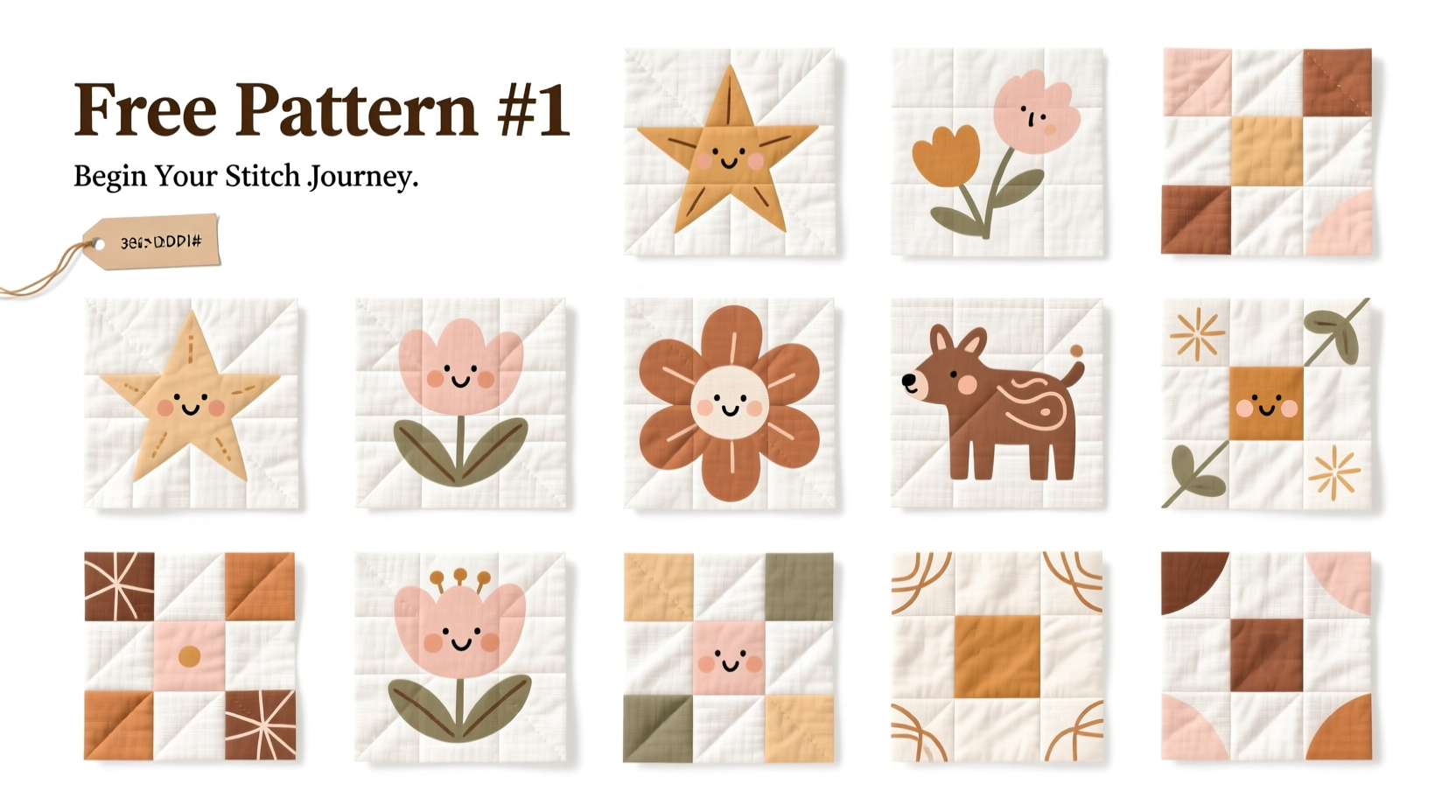
Small quilting projects are ideal for several reasons beyond their manageable size. They require fewer materials, making them cost-effective and sustainable—especially when using fabric scraps. Their shorter completion time provides a sense of accomplishment that fuels motivation. More importantly, they serve as excellent learning tools for mastering skills like precision piecing, appliqué, binding, and quilting motifs.
Because they’re less intimidating, small projects encourage risk-taking. You might try bold color combinations, unfamiliar block styles, or hand embroidery without the fear of investing weeks into a full-sized quilt. This freedom fosters creativity and helps develop a personal aesthetic.
Tip: Use small quilting projects to test new sewing machine feet, threads, or batting before committing to a larger piece.Top Free Pattern Sources Worth Bookmarking
The internet is rich with talented quilt designers who share free patterns to inspire others. These resources range from independent blogs to nonprofit organizations promoting textile arts. When selecting a pattern, look for clear instructions, illustrated steps, and downloadable PDFs for ease of use.
- Moda Bake Shop – Known for its weekly project features using precuts, Moda offers beginner-friendly tutorials with vibrant fabric pairings.
- Applique In A Day – Offers a variety of free downloadable patterns, including seasonal mini quilts and foundation paper piecing designs.
- Connecting Threads – Provides free patterns across skill levels, with filters for project type and technique.
- Riley Blake Designs Blog – Regularly publishes free small quilt patterns, often tied to holidays or fabric collections.
- Urban Elements by Latifah Saafir – Features culturally inspired mini quilts celebrating heritage and community.
Always check usage rights. Most free patterns are for personal use only, though some allow limited sales for charity purposes. Giving credit to the designer when sharing on social media is both respectful and supportive of the quilting community.
5 Creative Small Quilting Projects to Try Today
Here are five popular small quilting ideas—each achievable in under 10 hours and supported by widely available free patterns.
- Mini Table Runner (Holiday or Seasonal) – A quick weekend sew that adds charm to any dining table. Look for free star, leaf, or snowflake block patterns to match the season.
- Quilted Coasters – Functional and fun, these use simple strip piecing or log cabin blocks. Ideal for scrap-busting and gifting.
- Wall Hanging Quilts (8”–16”) – Modern mini art quilts are trending. Search for geometric, nature-inspired, or abstract designs from indie pattern makers.
- Pillow Covers with Pieced Tops – Combine quilting and home decor. Many free patterns include envelope backs for easy closure.
- Quilted Tote Bag – Slightly larger but still compact, tote patterns teach lining, interfacing, and strap attachment—all valuable skills.
“Small quilts are the sketchbook of the quilt world—they allow you to play, fail, and innovate without consequence.” — Laura Mullen, Textile Artist and Educator
Step-by-Step: How to Complete Your First Mini Quilt
Follow this timeline to turn a free pattern into a finished piece over a weekend:
- Saturday Morning: Gather & Prep (1 hour)
Select your pattern and collect fabrics, thread, batting, and tools. Pre-wash fabrics if needed and press them flat. - Saturday Afternoon: Cut & Piece (3 hours)
Cut all pieces accurately using a rotary cutter and mat. Sew blocks together, pressing seams as you go for crisp results. - Sunday Morning: Layer & Baste (1.5 hours)
Sandwich the quilt top, batting, and backing. Smooth layers and baste with pins, spray, or thread. - Sunday Afternoon: Quilt & Bind (3 hours)
Quilt by hand, machine, or stitch-in-the-ditch. Trim edges evenly, then attach binding for a polished finish.
Maximizing Creativity: Turning Patterns Into Personal Projects
A free pattern doesn’t have to be followed exactly. Think of it as a starting point. Swap color schemes, rotate blocks, or add hand-stitched details like French knots or running stitches. One quilter transformed a basic star coaster pattern into a set of moon phases by altering shapes and using dark background fabric with metallic thread accents.
Consider keeping a “mini quilt journal” where you sketch modifications, note fabric choices, and rate techniques. Over time, this becomes a personalized design archive.
| Project Type | Estimated Time | Skill Level | Ideal For |
|---|---|---|---|
| Coasters (set of 4) | 4–6 hours | Beginner | Scrap busting, gifts |
| Wall Hanging (12\"x12\") | 8–10 hours | Intermediate | Modern decor, skill-building |
| Table Runner (12\"x36\") | 10–12 hours | Beginner+ | Seasonal decorating |
| Pillow Cover (16\"x16\") | 6–8 hours | Beginner | Home sewing fusion |
Frequently Asked Questions
Where can I find truly free quilting patterns without hidden costs?
Stick to reputable quilt fabric company blogs (like Moda, Riley Blake, or Windham Fabrics) and established designer websites. These often offer genuinely free patterns as marketing tools. Avoid sites requiring email sign-ups for every download—many are lead generators rather than true resource hubs.
Can I sell items made from free patterns?
It depends on the designer’s terms. Most free patterns are for personal use only. Some allow finished items to be sold in small quantities for charity or at craft fairs, but always review the copyright notice. When in doubt, contact the designer directly.
What’s the best batting for small quilting projects?
Cotton or cotton-blend batting works well for washable items like coasters and pillows. For wall hangings, consider lightweight fusible fleece to minimize bulk. Pre-quilted fabric is also a smart shortcut for ultra-fast projects.
Making the Most of Every Stitch
Small quilting projects are not just about efficiency—they’re about intention. Each tiny quilt holds the potential to teach, heal, and inspire. By embracing free patterns as creative catalysts rather than rigid templates, you open the door to a more experimental, joyful practice.
Start small, finish strong, and let each project build toward something greater—a body of work that reflects your journey, one patch at a time.
🚀 Ready to start stitching? Download a free mini quilt pattern today, gather your scraps, and make something beautiful in a single weekend. Share your creation online and tag it #MiniQuiltMagic—your next idea might inspire someone else.








