Acne is more than just a teenage concern—it affects millions of adults, particularly those with sensitive or oily skin. While skincare routines, diet, and hormones play major roles in breakouts, an often-overlooked factor is what your face rests on every night: your pillowcase. Silk and satin pillowcases have gained popularity as potential allies in the fight against acne. But do they actually help? And if so, which material is better—silk or satin? This article breaks down the science, compares materials, and reveals whether switching pillowcases can truly reduce breakouts.
The Role of Pillowcases in Skin Health
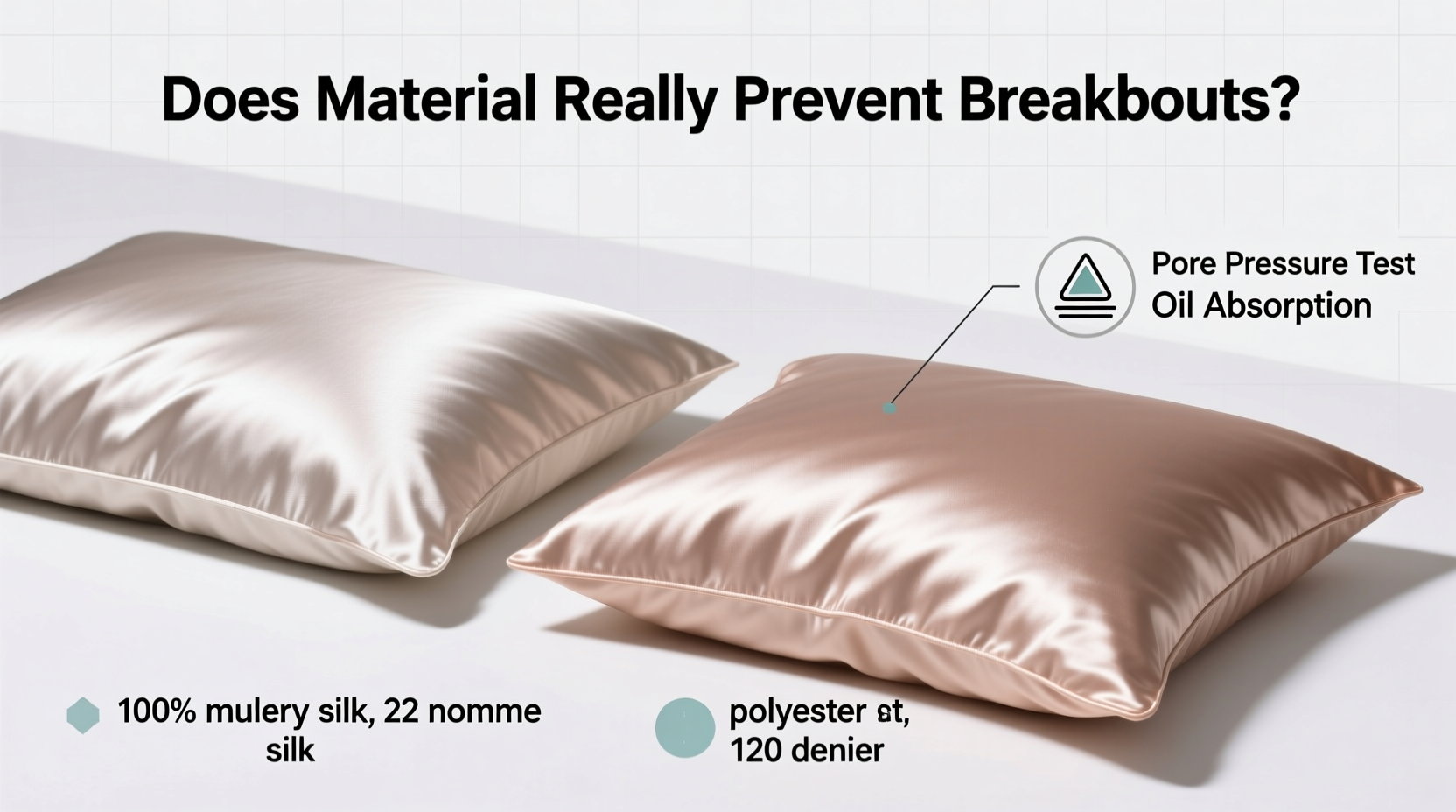
Your pillowcase comes into prolonged contact with your face for 6–8 hours each night. During that time, it collects sweat, oil, bacteria, and residual makeup. Cotton pillowcases, the most common type, are highly absorbent and can wick moisture from your skin, potentially drying it out. They also create more friction, which may contribute to irritation and micro-tears—especially for those using retinoids or acne treatments.
Silk and satin are frequently promoted as gentler alternatives. Advocates claim these materials reduce friction, retain skin moisture, and harbor fewer bacteria. But not all satin is created equal, and silk isn’t always what it seems. Understanding the differences between them is key to determining whether either can genuinely impact acne.
Silk vs Satin: What’s the Difference?
Silk is a natural protein fiber produced by silkworms. It's breathable, hypoallergenic, and naturally temperature-regulating. Real silk (specifically mulberry silk) has a smooth texture and subtle sheen due to its triangular fiber structure, which reflects light unevenly.
Satin, on the other hand, is not a material but a weave. It can be made from silk, polyester, nylon, or rayon. When people refer to \"satin pillowcases,\" they’re usually talking about synthetic satin made from polyester. These mimic the glossy feel of silk at a lower cost but lack many of silk’s natural benefits.
Tip: Always check the label. If it says “polyester satin,” it’s not silk. True silk will list “100% mulberry silk” or similar.How Friction Affects Acne-Prone Skin
Friction from rough fabrics like cotton can irritate sensitive skin, especially when combined with active acne treatments such as benzoyl peroxide or tretinoin. These ingredients increase skin sensitivity, making it more prone to redness and inflammation when rubbed against coarse surfaces.
Silk and satin offer a smoother surface, reducing mechanical stress during sleep. This can minimize irritation and help preserve the skin barrier—a critical defense against environmental aggressors and bacterial invasion.
“Reducing nighttime friction can support skin recovery, especially for patients using topical retinoids. A smooth pillowcase complements treatment by minimizing additional trauma.” — Dr. Lena Patel, Board-Certified Dermatologist
While reduced friction won’t directly kill acne-causing bacteria, it creates a less inflammatory environment—potentially reducing the frequency of breakouts over time.
Moisture Retention and Hydration Balance
Dry skin can trigger excess sebum production as a compensatory mechanism, leading to clogged pores and breakouts. Cotton absorbs moisture aggressively, including facial oils and applied serums. In contrast, silk and satin are less absorbent, allowing hydrating products to stay on the skin longer.
This benefit is particularly valuable for those using acne medications that dry the skin. By preserving natural oils and applied moisturizers, silk and satin may help maintain a balanced moisture barrier, reducing the risk of reactive sebum overproduction.
Bacterial Buildup and Allergens
All pillowcases accumulate bacteria, dead skin cells, and fungi over time. However, the rate and type depend on the fabric. Cotton traps moisture, creating a breeding ground for acne-associated bacteria like Propionibacterium acnes. Synthetic satin, being non-porous and often treated with chemicals, may resist moisture absorption but can still harbor microbes on its surface.
Real silk has natural antimicrobial properties due to a protein called sericin. Studies suggest sericin inhibits the growth of certain bacteria and fungi. While not a sterilizing agent, this trait may slightly reduce microbial load compared to cotton or synthetic satin.
Additionally, silk is naturally hypoallergenic, making it a better choice for those with sensitive skin or conditions like rosacea that can mimic or worsen acne.
Washing Frequency Matters More Than Material
No pillowcase—no matter how luxurious—will prevent breakouts if it’s not cleaned regularly. Experts recommend changing pillowcases every 2–3 days for acne-prone individuals.
Silk requires gentle care: hand washing or delicate machine cycles with pH-neutral detergent. Improper cleaning can degrade fibers and diminish benefits. Polyester satin is easier to wash and more durable but may retain odors and static over time.
Tip: Use a mild, fragrance-free detergent and avoid fabric softeners, which can coat fibers and trap oils.Comparative Analysis: Silk vs Satin for Acne Prevention
| Feature | 100% Mulberry Silk | Polyester Satin | Cotton (for reference) |
|---|---|---|---|
| Natural Material | Yes | No | Yes |
| Friction Level | Very Low | Low | High |
| Moisture Absorption | Low | Very Low | High |
| Antimicrobial Properties | Moderate (sericin) | None | Low |
| Hypoallergenic | Yes | Rarely | Depends on finish |
| Durability | Moderate (delicate with use) | High | High |
| Price Range | $50–$100+ | $10–$25 | $10–$20 |
| Best For | Sensitive, acne-prone, dry skin | Budget-conscious users seeking smooth feel | General use, not ideal for acne |
While both silk and satin reduce friction and retain moisture better than cotton, only real silk offers additional biological advantages like antimicrobial protection and superior breathability. Polyester satin may feel smooth but lacks the skin-friendly properties of natural silk.
Real-World Impact: A Mini Case Study
Maya, a 28-year-old graphic designer, struggled with persistent chin and jawline acne despite using prescription topicals. Her dermatologist suggested evaluating lifestyle factors, including her bedding. Maya switched from a cotton pillowcase to a 22-momme mulberry silk one and committed to changing it every three days.
Within four weeks, she noticed less morning redness and fewer new breakouts. While her acne didn’t vanish, the severity decreased, and her skin felt less tight upon waking. She attributed this to reduced irritation and better product retention overnight. Importantly, she maintained her skincare routine—proving the pillowcase was a supportive factor, not a standalone cure.
When she later tried a polyester satin version to save money, she experienced slight itching and more frequent clogged pores, likely due to static and chemical residues. She reverted to silk and maintained clearer skin.
“It wasn’t a miracle fix, but it was part of a system that finally gave me control over my breakouts.” — Maya R., case subject
Can a Pillowcase Really Stop Breakouts?
The short answer: no single pillowcase can “stop” acne. Acne is a multifactorial condition influenced by hormones, genetics, diet, hygiene, and skincare. However, switching to silk—particularly high-quality mulberry silk—can support clearer skin by:
- Reducing friction-induced irritation
- Preserving skin hydration and barrier function
- Limiting bacterial buildup through natural antimicrobial traits
- Minimizing disruption of topical treatments
Think of a silk pillowcase as a complementary tool—not a replacement for proper skincare. Its value lies in creating a less hostile sleep environment for vulnerable skin.
Step-by-Step Guide to Maximizing Benefits
- Choose 100% mulberry silk with a momme weight of 19–25 for durability and softness.
- Replace old cotton cases and designate the silk case exclusively for your use.
- Wash every 2–3 days using cold water and a silk-safe detergent.
- Air-dry flat away from direct sunlight to prevent fiber degradation.
- Pair with clean hands and face—never sleep with makeup or heavy product residue.
- Use alongside non-comedogenic products to avoid compounding pore-clogging risks.
- Monitor skin changes over 4–6 weeks before assessing effectiveness.
Common Myths Debunked
- Myth: All satin is the same as silk.
Truth: Most satin is synthetic and lacks silk’s health benefits. - Myth: Silk prevents all acne.
Truth: It supports skin health but doesn’t treat hormonal or internal causes. - Myth: Any smooth fabric works.
Truth: Breathability and fiber composition matter—polyester can trap heat and sweat.
Frequently Asked Questions
Does satin help with acne scars?
Satin may reduce friction that worsens post-inflammatory hyperpigmentation, but it doesn’t actively fade scars. For scar improvement, use targeted treatments like vitamin C, azelaic acid, or professional procedures.
How often should I replace my silk pillowcase?
With proper care, a high-quality silk pillowcase lasts 9–12 months. Signs of wear include thinning fabric, loss of sheen, or snags. Replace it when integrity declines to maintain hygiene and performance.
Can men benefit from silk pillowcases for acne?
Absolutely. Skin biology is similar across genders. Men with facial hair may find silk reduces beard frizz and follicle irritation, indirectly supporting clearer skin around the jawline.
Checklist: Choosing the Right Pillowcase for Acne-Prone Skin
- ✅ Confirm it’s 100% mulberry silk (not “silk-like” or polyester satin)
- ✅ Look for 19–25 momme weight for optimal thickness
- ✅ Check for OEKO-TEX® or similar certification (free from harmful dyes/chemicals)
- ✅ Opt for envelope or hidden zipper closure to prevent snagging
- ✅ Commit to washing every 2–3 days
- ✅ Pair with a consistent acne skincare routine
- ✅ Avoid using on damp hair (can weaken silk fibers)
Conclusion: A Supportive Tool, Not a Cure-All
The idea that silk or satin pillowcases can stop breakouts is overstated—but dismissing them entirely overlooks their real benefits. High-quality silk offers measurable advantages for acne-prone skin: reduced friction, better moisture retention, and modest antimicrobial effects. It’s a smart addition to a holistic skincare strategy, especially for those dealing with treatment-related dryness or irritation.
Synthetic satin provides a budget-friendly alternative with some surface-level perks but falls short in breathability and long-term skin compatibility. For meaningful results, invest in genuine mulberry silk and maintain strict hygiene.
💬 Ready to test the difference? Swap your cotton pillowcase for a certified silk one and track your skin over a month. Share your experience—your journey could help others find relief from stubborn breakouts.








