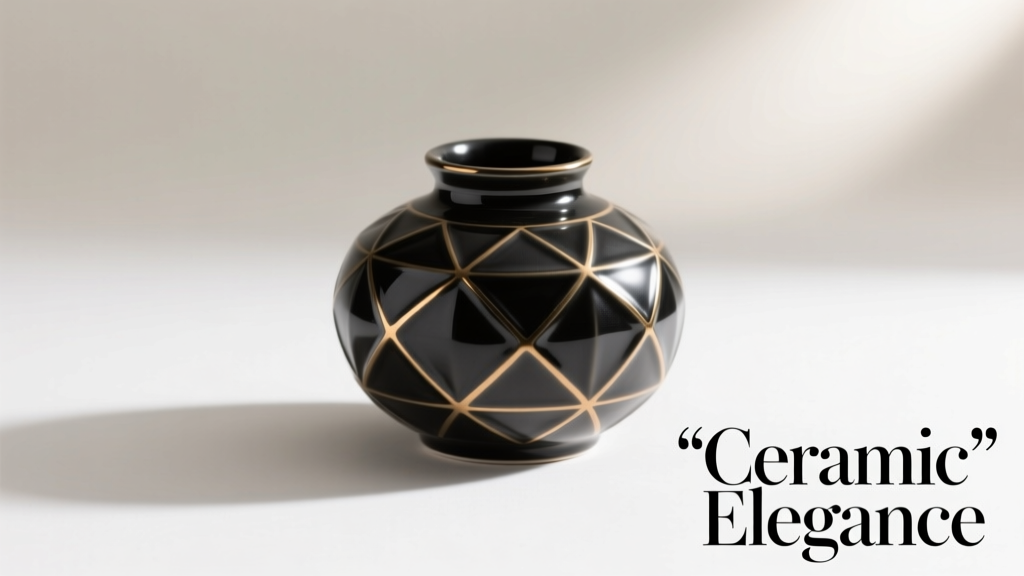
Types of Rope Jars
A rope jar is a unique and versatile storage container characterized by a rope-wrapped exterior that enhances both its visual appeal and functionality. These jars come in various sizes, from compact containers ideal for small items to large vessels capable of storing bulk goods. While most rope jars feature a classic round silhouette, their internal surfaces are typically smooth to allow for easy cleaning and efficient organization. Available in a range of materials—including glass, metal, wood, and ceramic—each type of rope jar offers distinct benefits in terms of durability, aesthetics, and practical use. Whether used for decorative display or functional storage, rope jars blend craftsmanship with utility.
Rope Jar with Glass
Made from thick, durable glass and wrapped with natural or synthetic rope, these jars combine transparency with rustic charm.
Advantages
- Clear visibility of contents
- Available in transparent, frosted, or tinted finishes
- Smooth interior for easy cleaning
- Decorative appeal with natural rope accents
- Ideal for displaying flowers, candles, or pantry items
Limitations
- Breakable if dropped or impacted
- Heavier than plastic or wood alternatives
- Rope may absorb moisture over time
Best for: Kitchen organization, bathroom storage, decorative centerpieces, and gift packaging
Metal Rope Jar
Crafted from stainless steel, aluminum, or other robust metals, these jars are wrapped with rope for grip and style.
Advantages
- Highly durable and impact-resistant
- Resistant to rust and corrosion (especially stainless steel)
- Lightweight yet strong construction
- Variety of finishes: polished, brushed, or matte
- Rope provides secure grip and visual contrast
Limitations
- May dent under heavy impact
- Can conduct heat or cold (not ideal for temperature-sensitive items)
- Limited transparency (contents not visible)
Best for: Outdoor use, tool storage, office supplies, and industrial-style decor
Wooden Rope Jar
Built from solid or laminated wood and accented with rope detailing, these jars offer warmth and natural elegance.
Advantages
- Natural insulation for temperature-sensitive items
- Highly durable with proper maintenance
- Warm, organic aesthetic complements rustic or modern interiors
- Rope adds grip and artistic flair
- Eco-friendly and biodegradable material
Limitations
- Not waterproof—requires sealing to prevent moisture damage
- May warp or crack in extreme humidity or dryness
- Harder to clean than non-porous materials
Best for: Storing dry goods, craft supplies, fire starters, or as statement decor in living spaces
Ceramic Rope Jar
Handcrafted from clay and fired at high temperatures, these jars feature a smooth, non-porous finish with decorative rope accents.
Advantages
- Exceptional durability and scratch resistance
- Non-porous surface resists stains and odors
- Versatile designs—from minimalist to artisanal
- Rope enhances grip and adds tactile interest
- Retains coolness, ideal for tea, spices, or bread
Limitations
- Fragile—can crack or chip if dropped
- Heavier than plastic or metal options
- Higher cost due to handcrafting process
Best for: Pantry storage, kitchen countertops, artisanal gifting, and home decor
| Type | Durability | Aesthetic Appeal | Functionality | Best Use Case |
|---|---|---|---|---|
| Glass Rope Jar | Medium | High | High | Decorative display, kitchen & bathroom storage |
| Metal Rope Jar | Very High | Medium | Very High | Outdoor, industrial, or utility storage |
| Wooden Rope Jar | High | Very High | Medium | Rustic decor, dry goods, eco-conscious homes |
| Ceramic Rope Jar | High | Very High | High | Kitchen storage, artisanal presentation |
Expert Tip: To extend the life of your rope jar, avoid prolonged exposure to direct sunlight or moisture, especially for wooden and natural fiber rope variants. For glass and ceramic jars, use mild soap and a soft cloth to preserve the finish and prevent rope deterioration.
Designs of Rope Jars: Aesthetic Appeal and Functional Versatility
Rope jars have become increasingly popular in home décor and functional storage due to their unique blend of rustic charm and practical design. These handcrafted or commercially produced containers combine natural materials with creative craftsmanship, offering a wide range of styles—from minimalist modern to coastal cottage aesthetics. Whether used for decoration, organization, or candle lighting, rope jars cater to diverse tastes and interior themes.
Types and Design Variations of Rope Jars
Glass Rope Jar
Glass rope jars are among the most versatile and widely used designs. Made from clear or tinted glass, these jars feature rope accents—typically wrapped around the neck, base, or entire body—adding texture and visual interest. Available in cylindrical, round, square, and apothecary shapes, they allow full visibility of contents, making them ideal for storing dry goods, cotton balls, spices, or craft supplies.
The transparency of glass enhances their functionality in kitchens, bathrooms, and pantries, while the natural rope detailing introduces warmth and organic appeal. Many glass rope jars come with bamboo lids, metal clamps, or cork stoppers, further enhancing their utility and aesthetic cohesion in farmhouse, industrial, or Scandinavian interiors.
Votive Rope Jar
Votive rope jars are specifically designed to hold small candles, creating ambient lighting with a rustic or nautical flair. Typically compact and cylindrical, these jars often feature a full or partial rope wrap made from durable, moisture-resistant materials like jute, sisal, or hemp. The rope may be sealed with a clear varnish or wax coating to prevent fraying and increase longevity, especially in humid environments such as bathrooms or outdoor patios.
Some votive rope jars incorporate decorative elements like seashells, driftwood accents, or rope flowers, transforming them into elegant centerpieces for weddings, dinner tables, or seasonal décor. Their soft glow through translucent glass creates a cozy atmosphere, making them favorites for evening lighting and holiday displays.
Rope-Covered Jars
Rope-covered jars take the concept of texture and tactile design further by wrapping the entire exterior surface in rope. This technique involves tightly coiling or spiraling the rope around the jar and securing it with waterproof adhesive or twine. The result is a fully insulated, grippable surface that adds both visual depth and functional durability.
These jars are commonly used as decorative storage solutions on shelves, vanities, or entryway tables. They’re perfect for holding items like buttons, hair ties, office supplies, or bath salts. The natural fibers provide a warm contrast to smooth glass, enhancing their role in bohemian, coastal, or earth-toned décor schemes. DIY enthusiasts often personalize these jars with paint, stencils, or embedded embellishments for unique handmade gifts.
Rope Flower Jar
A rope flower jar blends rustic craftsmanship with floral elegance, creating a hybrid decorative piece. These jars typically start as glass or ceramic vessels wrapped in rope to form a textured base or collar. The "flower" element comes in various forms: real or artificial blooms inserted into the jar, rope woven into petal-like patterns, or painted floral motifs that complement the natural fiber design.
Popular in wedding décor, spa settings, and seasonal displays, rope flower jars serve as vases, candle holders, or standalone centerpieces. The juxtaposition of rugged rope and delicate blossoms creates a balanced aesthetic—earthy yet refined. Some designs integrate LED fairy lights within the floral arrangement for added enchantment in evening settings.
Rope Mason Jar
The rope mason jar is a beloved craft project and décor staple, combining the timeless appeal of mason jars with the natural beauty of rope. Traditionally used for food preservation, mason jars are repurposed by wrapping thick jute or cotton rope around the exterior, often starting from the base and spiraling upward. The rope is secured with strong glue or tied with twine at the neck for a finished look.
These jars are frequently customized with ribbons, lace, seashells, or small wooden charms, making them ideal for rustic weddings, beach-themed parties, or farmhouse kitchens. Beyond décor, rope mason jars function as drinking glasses (with care), candle holders, or organizers for utensils and brushes. Their nostalgic charm and eco-friendly upcycling potential make them a favorite among DIY crafters and sustainable living advocates.
Functional vs. Decorative Uses
While all rope jars share a common aesthetic foundation, their applications vary significantly. Functional rope jars—such as glass rope jars in kitchens or rope-covered organizers—prioritize accessibility, durability, and ease of cleaning. These often feature removable lids, smooth finishes, and food-safe materials.
In contrast, decorative rope jars—like votive or flower jars—are designed primarily for visual impact. They emphasize artistic details, unique textures, and thematic harmony with seasonal or event-based décor. Understanding this distinction helps consumers choose the right type based on their needs, whether it's daily utility or special occasion enhancement.
| Design Type | Primary Use | Common Materials | Ideal Settings |
|---|---|---|---|
| Glass Rope Jar | Storage & Organization | Clear glass, jute, sisal, bamboo lid | Kitchen, bathroom, pantry |
| Votive Rope Jar | Candle holder & Ambient lighting | Tinted glass, coated jute, wax seal | Dining table, patio, bedroom |
| Rope-Covered Jar | Decorative storage | Thick rope, waterproof adhesive | Shelves, vanity, entryway |
| Rope Flower Jar | Centerpiece & Floral display | Ceramic/glass, artificial flowers, woven rope | Weddings, spas, living room |
| Rope Mason Jar | DIY craft & Multi-use décor | Mason jar, cotton rope, ribbon | Farmhouse, beach house, events |
Benefits and Creative Applications
Important: When using rope jars with candles or near heat sources, ensure the rope is treated or coated to resist ignition. Maintain a safe distance from open flames and never leave burning candles unattended. For food storage, only use jars with food-safe seals and avoid direct contact between rope and consumables. Regular dusting and gentle cleaning will preserve both the glass and rope elements for long-term enjoyment.
Usage Scenarios of Rope Jars: Practical and Creative Applications
Rope jars—glass or ceramic containers wrapped with decorative rope—are more than just charming home accessories. Their unique blend of durability, aesthetic appeal, and functional design makes them ideal for a wide range of uses across different environments. From everyday organization to special event decor, rope jars offer sustainable, stylish, and practical solutions for modern living.
Storage and Organization
Rope jars excel in keeping spaces tidy and items easily accessible. The sturdy construction and secure lids (when used) prevent spills, while the visible contents make identification effortless. Their textured rope exterior adds grip and visual warmth, enhancing both utility and decor.
- Kitchen storage: Perfect for holding spices, coffee beans, sugar, flour, baking soda, or tea bags—keeping countertops neat and ingredients within reach
- Bathroom essentials: Store cotton balls, Q-tips, hair clips, scrunchies, or bath salts in a moisture-resistant container that resists slipping
- Office organization: Use to hold pens, pencils, paper clips, sticky notes, rubber bands, or USB drives—ideal for desk decluttering
- Craft room solutions: Organize beads, buttons, threads, yarn scraps, or small tools like needles and pins
Pro tip: Label jars with chalkboard stickers or twine tags for a clean, coordinated look.
Outdoor & Gardening Use
Thanks to their rustic charm and durability, rope jars transition beautifully into outdoor spaces. Whether on a patio, balcony, or garden shed, they combine function with natural aesthetics.
- Garden tool holders: Store small hand tools like trowels, pruning shears, gloves, or seed packets—easily visible and protected from moisture
- Seed and bulb organization: Keep seeds labeled and dry; use for storing plant markers or fertilizer tablets
- Outdoor lighting: Transform jars into ambient lanterns by placing LED candles, fairy lights, or solar-powered lamps inside—ideal for evening gatherings
- Patio decor: Fill with pebbles, sand, or shells for coastal-themed centerpieces or wind chime bases
Eco-friendly idea: Pair with biodegradable twine labels for sustainable garden tracking.
Craft & DIY Projects
Rope jars serve as a blank canvas for creative expression. Their simple structure invites customization, making them a favorite among crafters and upcycling enthusiasts.
- Customized decor: Paint, stencil, or wrap jars with different rope patterns, fabrics, or washi tape to match seasonal or room-specific themes
- Functional crafts: Convert into soap dispensers (with pump lids), flower vases, pencil holders, or even coin banks
- Upcycling projects: Repurpose old mason or food jars by wrapping them with jute, hemp, or colored rope—reducing waste and promoting sustainability
- Gift-making base: Use as a foundation for handmade gifts filled with bath salts, cookies, or mini plants
Creative tip: Combine with wood lids or metal spigots for a farmhouse or industrial look.
Special Occasions & Events
Rope jars add a personalized, elegant touch to weddings, parties, baby showers, and holidays. Their reusable nature also makes them eco-conscious alternatives to disposable decor.
- Wedding centerpieces: Fill with wildflowers, succulents, or fairy lights for a romantic, rustic ambiance
- Party favors: Gift guests with mini rope jars containing candies, bath bombs, or homemade jam—personalized with name tags
- Themed decorations: Create beach motifs with sand, shells, and starfish; use for autumn centerpieces with pinecones and cinnamon sticks
- Holiday displays: Fill with ornaments, LED tea lights, or peppermint candies for festive tabletop arrangements
Sustainable choice: Guests can reuse the jar after the event, reducing waste and extending the gift’s value.
Expert Recommendation: When using rope jars for food storage, ensure the rope is tightly secured and not in direct contact with consumables. Opt for food-safe glue and sealants during DIY projects. For outdoor use, choose UV-resistant rope materials like polypropylene to prevent fading and degradation over time.
| Use Case | Best Jar Type | Suggested Contents | Style Tips |
|---|---|---|---|
| Kitchen Organization | Mason jars with metal lids | Spices, coffee, sugar, pasta | Label with chalk markers; group in sets of three |
| Bathroom Storage | Wide-mouth glass jars | Cotton balls, bath salts, hair accessories | Add wooden lids for a spa-like feel |
| Garden Utility | Durable glass or ceramic | Seeds, tools, plant tags | Use weather-resistant jute or synthetic rope |
| Event Decor | Clear glass with decorative lids | Candles, flowers, candies | Incorporate lace, ribbons, or paint for theme matching |
Additional Benefits of Rope Jars
- Eco-Friendly: Reusable and often made from recycled materials, rope jars support zero-waste lifestyles
- Cost-Effective: Inexpensive to make or buy, with long-term usability across multiple purposes
- Aesthetic Flexibility: Adaptable to farmhouse, coastal, bohemian, minimalist, or industrial interior styles
- Child-Safe Organization: Great for teaching kids to organize toys, art supplies, or school items in a fun, tactile way
- Gift Potential: Thoughtful, handmade containers that impress recipients with both beauty and utility
How to Choose the Right Rope Jar: A Comprehensive Guide for Business Buyers
Selecting the ideal rope jar is more than just a matter of storage—it's about functionality, safety, brand presentation, and long-term value. Whether you're managing inventory in a marine supply store, organizing ropes in a hardware warehouse, or curating products for retail display, choosing the right rope jar can significantly impact efficiency and customer satisfaction. This guide provides in-depth insights into the key factors business buyers should evaluate when sourcing rope jars for commercial use.
Important Note: The term "rope jar" typically refers to a container designed specifically for storing coiled or braided ropes, preventing tangles and protecting materials from environmental damage. While not a standardized industrial product category, these jars are commonly used in nautical, outdoor gear, craft, and hardware industries.
Key Factors to Consider When Choosing Rope Jars
- Function and Purpose
Determine the primary use of the rope jar—whether it's for storage, retail display, inventory organization, or customer resale. For example:
- Storage-focused jars: Prioritize capacity, stackability, and protection from dust and moisture.
- Retail display jars: Emphasize visual appeal, transparency, and branding alignment.
- Workshop or field use: Focus on durability, portability, and resistance to impact or weather exposure.
- Material and Durability
The material of the jar directly affects its longevity and suitability for different environments:
- Glass jars: Ideal for showcasing premium ropes in retail settings; offer excellent clarity but are fragile and not suited for outdoor or high-traffic areas.
- Plastic (e.g., polycarbonate or acrylic): Lightweight, shatter-resistant, and cost-effective—perfect for warehouses or mobile operations. Look for UV-resistant options if used outdoors.
- Metal containers with lining: Provide maximum durability and protection against moisture and pests; often used in marine or industrial applications.
- Aesthetic Considerations
If the jars are part of your customer-facing presentation, aesthetics play a crucial role:
- Choose clear glass or transparent plastic to showcase rope texture, color, and quality.
- Opt for jars with clean lines, modern finishes, or customizable labels that align with your brand identity.
- Consider tinted or frosted designs for a premium or artisanal look, especially in boutique or craft markets.
- Ease of Access and Organization
Efficient access improves workflow and reduces handling time:
- Select jars with wide-mouth openings to allow easy insertion and removal of thick or coiled ropes.
- Look for models with removable lids or flip-top closures for frequent access.
- Incorporate labeling systems—either pre-labeled or user-customizable—to identify rope types, lengths, diameters, or strengths at a glance.
- Consider modular or stackable designs to maximize shelf space and maintain an organized inventory system.
- Safety and Protection
Protecting the integrity of stored ropes is essential for performance and safety:
- Ensure airtight or moisture-resistant seals to prevent mildew, corrosion (in synthetic ropes), or degradation from humidity.
- Choose jars with smooth interiors to minimize abrasion and fraying during storage.
- Prevent tangling by using jars with internal guides, spools, or dividers—especially useful for mixed-length or multi-strand ropes.
- For industrial or marine applications, verify that the jar protects against UV exposure, saltwater spray, and temperature fluctuations.
- Compliance with Regulations
Depending on your industry, certain standards may apply:
- In marine or construction sectors, ensure storage solutions don’t compromise rope certifications (e.g., load ratings, safety factors).
- If selling pre-packaged rope sets, check local packaging and labeling regulations for consumer goods.
- For food-grade or medical-grade ropes (e.g., in specialized manufacturing), confirm that jar materials meet FDA or ISO standards for contamination control.
- Supplier Reputation
Partnering with a reliable supplier ensures consistent quality and support:
- Research suppliers with proven experience in industrial containers or specialty packaging.
- Read customer reviews and request product samples before placing bulk orders.
- Prioritize vendors who offer warranties, bulk pricing, and responsive customer service.
- Check if they provide customization options such as branded logos, color matching, or unique sizes.
- Cost Considerations
Balancing upfront cost with long-term value is critical for business buyers:
- Higher-quality jars may have a steeper initial price but reduce replacement costs and product loss over time.
- Compare total cost of ownership—including durability, maintenance, and potential damage to stored ropes.
- Negotiate volume discounts for large orders and inquire about return policies or defective item replacements.
- Avoid extremely low-cost options made from thin plastics or poor seals, which can lead to frequent failures and customer complaints.
| Critera | Best Use Case | Recommended Materials | Top Features to Look For |
|---|---|---|---|
| Display & Retail | Boutique stores, gift shops, online product photography | Clear glass, acrylic | Attractive design, transparency, labeling space, dust-tight lid |
| Warehouse Storage | Inventory management, bulk storage | Durable plastic, polycarbonate | Stackable, wide opening, UV-resistant, impact-proof |
| Outdoor/Industrial Use | Marine supply, construction sites, field operations | Reinforced plastic, lined metal | Weatherproof, corrosion-resistant, secure closure, portability |
| Organization & Sorting | Workshops, repair facilities, climbing gyms | Transparent plastic with dividers | Modular design, internal spools, color-coded lids, easy labeling |
Expert Tip: When testing rope jars, perform a real-world simulation—place a typical rope inside, seal it, and simulate handling, storage, and retrieval. Observe how easily the rope feeds out, whether it tangles, and how well the jar protects against dust or moisture over several days.
Additional Recommendations for Business Buyers
- Standardize jar sizes across your inventory to simplify logistics and shelving.
- Train staff on proper rope coiling techniques before storage to maximize jar efficiency.
- Monitor stored ropes periodically for signs of degradation, even in sealed jars.
- Consider eco-friendly jar options (recyclable materials, refillable designs) to align with sustainability goals.
- Keep a small inventory of spare jars to replace damaged units quickly and maintain operational continuity.
Choosing the right rope jar is a strategic decision that impacts product preservation, operational efficiency, and brand image. By carefully evaluating function, material, safety, and supplier reliability, business buyers can make informed choices that deliver lasting value. Remember, the best rope jar isn’t always the cheapest—it’s the one that best supports your specific operational needs while protecting your investment in quality rope products.
Frequently Asked Questions About Rope Jars
Q1: What are the benefits of using a rope jar?Rope jars are more than just storage containers—they combine practicality with aesthetic appeal. Designed with a braided rope accent around the rim or body, these jars offer several key advantages:
- Functional Storage: They provide a secure and accessible way to store small, frequently used items, reducing clutter in homes and offices.
- Visual Appeal: The natural texture and craftsmanship of the rope detail add warmth and character to any space, elevating the overall decor.
- Organization: By designating specific rope jars for specific items, users can streamline daily routines and maintain a clean, orderly environment.
- Eco-Friendly Option: Many rope jars are made from sustainable materials like glass or ceramic with organic rope finishes, making them a responsible choice for environmentally conscious consumers.
Whether used in kitchens, bathrooms, or workspaces, rope jars enhance both function and style.
Q2: What can one store inside a rope jar?Rope jars are highly versatile and can be used to store a wide variety of small household items. Their compact size and attractive design make them ideal for organizing everyday essentials. Common uses include:
- Kitchen: Spices, tea bags, coffee pods, sugar, or baking ingredients like cinnamon sticks and dried herbs.
- Bathroom: Cotton balls, swabs, hair ties, bobby pins, or bath salts.
- Office/Desk: Pens, pencils, paper clips, rubber bands, or sticky notes.
- Living Areas: Remote controls, candles, matches, or decorative items like dried flowers and seashells.
- Entryway: Keys, coins, or small accessories for quick access.
Because of their decorative nature, rope jars can double as gift containers or part of a curated shelf display, blending utility with interior design.
Q3: How can rope jars be used for organization?Rope jars are excellent tools for creating an organized and visually harmonious living space. Here’s how they can be effectively used:
- Group Similar Items: Use matching rope jars to categorize related objects—such as office supplies or kitchen spices—making them easy to identify and access.
- Maximize Counter and Shelf Space: Place rope jars on countertops, bathroom vanities, or bookshelves to keep frequently used items within reach while minimizing clutter.
- Label for Clarity: Add custom labels to each jar for a clean, minimalist look and improved functionality, especially in shared or high-traffic areas.
- Create Zones: Designate specific jars for specific zones—like a “self-care” jar with bath products or a “desk essentials” jar—to promote intentional organization.
- Stack or Arrange Stylishly: Their uniform shape and rustic charm allow rope jars to be arranged in rows, clusters, or even stacked (if designed for it), enhancing both order and décor.
With thoughtful placement and use, rope jars transform disorganized spaces into tidy, inviting areas.
Q4: Are rope jars durable?Yes, most rope jars are crafted from high-quality, long-lasting materials designed to withstand everyday use. Durability depends on construction, but typical features include:
- Sturdy Base Material: Often made from thick glass, ceramic, or BPA-free plastic, ensuring resistance to breakage and wear over time.
- Reinforced Rope Accents: The rope is usually tightly woven and securely attached, either glued or embedded, to prevent fraying or loosening.
- Moisture Resistance: Suitable for use in humid environments like bathrooms or kitchens, especially if the jar has a sealed lid.
- Easy to Clean: Most are dishwasher-safe or can be wiped down with a damp cloth, maintaining their appearance with minimal effort.
With proper care—such as avoiding extreme temperature changes and direct sunlight—rope jars can last for years, offering excellent value for their cost and enhancing your space throughout their lifespan.
Q5: Can rope jars be used in different interior styles?Absolutely. One of the greatest strengths of rope jars is their design versatility. Their natural, textured aesthetic allows them to seamlessly blend into a wide range of interior themes:
| Interior Style | Compatibility with Rope Jars |
|---|---|
| Modern Minimalist | Adds subtle warmth and texture without disrupting clean lines; ideal in neutral tones. |
| Coastal/Beach | Perfect fit—rope details echo nautical elements like ship ropes and driftwood. |
| Boho (Bohemian) | Complements layered textures, natural materials, and eclectic decor. |
| Traditional/Farmhouse | Enhances rustic charm; pairs well with wood, linen, and vintage accents. |
| Scandinavian | Supports the focus on simplicity and natural materials, adding organic detail. |
Available in various sizes, colors, and rope finishes (natural jute, black cord, braided cotton), rope jars can be customized to match any room’s palette and personality. This adaptability makes them a favorite among interior designers and homeowners alike.









