Decorating rental properties for the holidays can be a delicate balancing act. You want your space to feel festive and inviting, but you also need to protect your security deposit and respect lease agreements. One of the most common challenges renters face is how to hang Christmas lights on windows and glass surfaces without causing damage. Two popular solutions—magnetic and suction cup lights—are often touted as renter-friendly options. But which one truly delivers on ease, safety, and visual appeal? This guide breaks down both technologies, compares their performance in real-world scenarios, and helps you make an informed decision.
Understanding the Challenge: Decorating Glass Without Damage
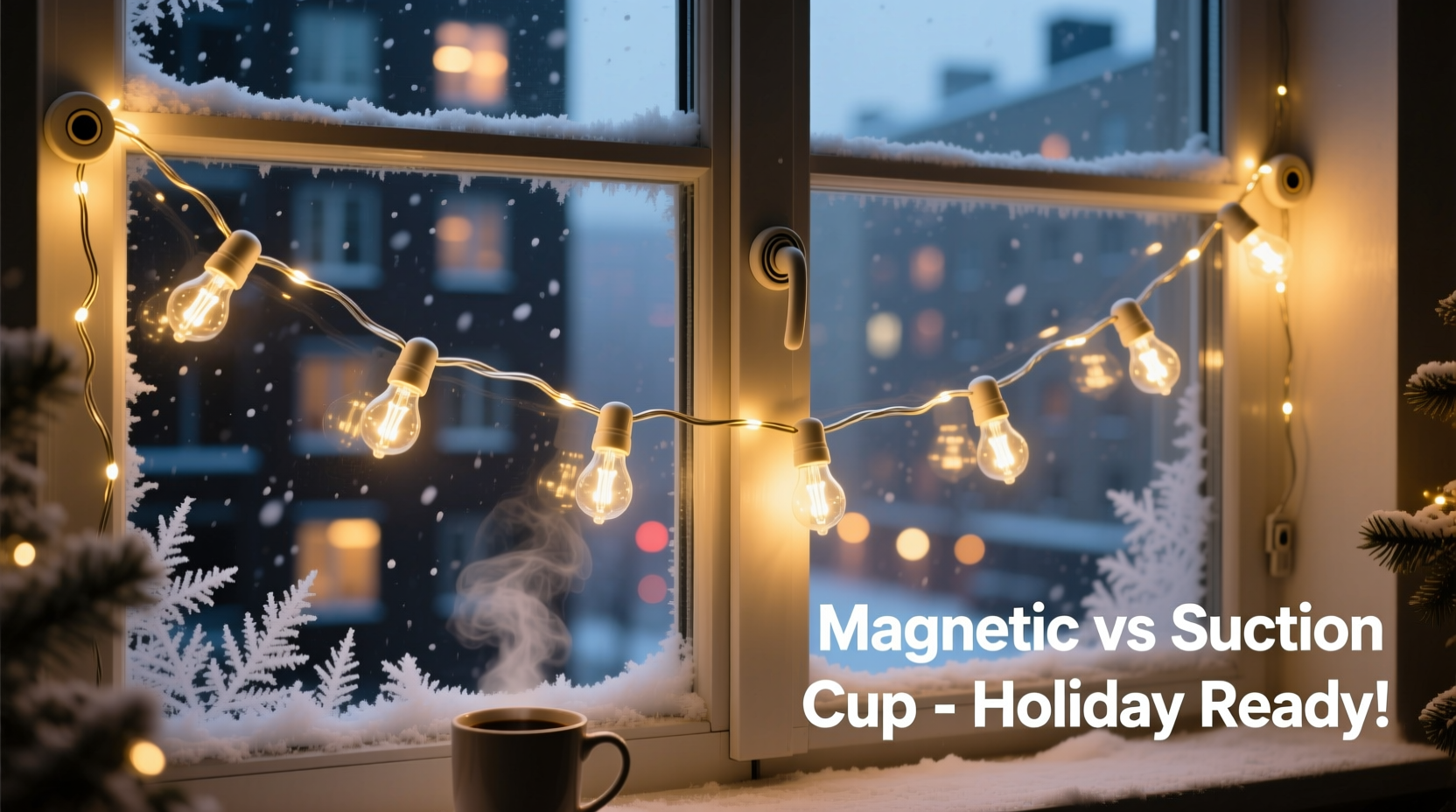
Rental agreements typically prohibit permanent alterations like drilling, nailing, or using adhesives that could leave marks. Traditional light strings with clips or tape are risky—they may pull paint, crack seals, or leave residue. The ideal solution must hold securely, look polished, and come down cleanly. Both magnetic and suction cup lights promise this, but they operate on entirely different principles and suit different environments.
Glass windows, especially large panes in modern apartments, offer a stunning backdrop for holiday lighting. However, their smooth, non-magnetic surface presents unique challenges. Not all glass is created equal—tempered, double-glazed, or low-emissivity (Low-E) coated windows may react differently to mounting methods. Understanding your window type is crucial before choosing a lighting system.
How Magnetic Christmas Lights Work
Magnetic Christmas lights use small, powerful neodymium magnets embedded in the bulb bases or attached via clips. They work in pairs: one magnet attaches to the inside of the glass, and its counterpart aligns on the outside, sandwiching the pane between them. The lights themselves are usually strung along the exterior magnet strip, creating a seamless glow visible from both sides.
These systems are particularly effective on thinner glass, such as standard single-pane windows. Their strength lies in the magnetic field’s ability to penetrate glass up to 1/4 inch thick, depending on the magnet quality. High-end models include rubberized coatings to prevent scratching and adjustable tension for varying glass thicknesses.
One major advantage of magnetic lights is their stability in wind and rain. Because the connection is mechanical and force-based, they’re less likely to fall during storms compared to suction-based alternatives. They also allow for precise alignment, making patterns like snowflakes or outlines appear more professional.
Tip: Test magnet strength on a small area first—some older or insulated glass units may be too thick for standard magnetic sets.How Suction Cup Christmas Lights Work
Suction cup lights rely on small plastic cups with flexible rims that create a vacuum seal when pressed against clean glass. Each cup holds a single bulb or connects to a string via a clip. Installation is simple: clean the glass, press the cup firmly, and attach the light. They’re widely available, inexpensive, and require no tools.
The main appeal of suction cup lights is their universal compatibility. They work on any smooth, non-porous surface—glass, mirrors, tiles—even if it's not magnetic. This makes them ideal for renters with metal-coated or laminated windows where magnets fail.
However, their reliability depends heavily on environmental conditions. Cold temperatures reduce suction power, and repeated thermal expansion from sun exposure can break the seal over time. In humid climates or areas with frequent rain, moisture under the rim compromises adhesion. Many users report cups detaching after a few weeks, leading to sagging or dangling wires.
“Suction cups are great for short-term displays, but I wouldn’t trust them on a windy balcony for more than a month.” — Jordan Lee, Renter Lifestyle Blogger and Seasonal Decor Specialist
Head-to-Head Comparison: Magnetic vs Suction Cup Lights
| Feature | Magnetic Lights | Suction Cup Lights |
|---|---|---|
| Installation Ease | Moderate (requires two-person setup for precision) | Easy (single-user, press-and-stick) |
| Durability in Wind/Rain | Excellent (secure hold through storms) | Fair to Poor (cups may detach in heavy weather) |
| Glass Compatibility | Limited to thinner, non-insulated glass | Universal (works on all smooth glass types) |
| Risk of Damage | Very low (if rubber-coated; no residue) | Low, but possible residue or micro-scratches |
| Aesthetic Precision | High (aligned pairs create clean lines) | Variable (cups may tilt or shift) |
| Cost | Higher ($30–$70 per set) | Lower ($10–$25 per set) |
| Removal & Reusability | Easy; fully reusable year after year | Easy, but cups degrade over time |
Real-World Example: A Downtown Apartment Holiday Display
Alice, a tenant in a high-rise Chicago apartment, wanted to decorate her floor-to-ceiling windows for Christmas. Her lease prohibited any permanent fixtures, and she was concerned about wind gusts from the lakefront. She initially tried suction cup lights—affordable and easy to install alone. Within two weeks, six cups had fallen due to temperature swings and strong winds. The remaining lights looked uneven, and residue required vinegar cleaning.
The following year, Alice invested in a magnetic system. With help from her partner, she placed interior and exterior magnets in perfect alignment. Despite winter storms and sub-zero temperatures, the lights stayed secure for the entire season. When removed in January, the glass showed no marks. The initial effort paid off in durability and appearance, making her display the talk of the building.
Step-by-Step Guide: Installing Magnetic Lights Safely
- Clean the glass thoroughly: Use isopropyl alcohol and a lint-free cloth to remove oils, dust, and residues from both sides of the window.
- Test magnet strength: Place a magnet pair on the glass to ensure they hold firmly. If they slide or separate easily, the glass may be too thick.
- Plan your layout: Lay out the light string indoors first to confirm spacing and length. Mark positions lightly with a pencil if needed.
- Install interior magnets first: Attach the inner magnets at marked points, pressing firmly to ensure contact.
- Align exterior magnets: From outside, match each outer magnet to its inner counterpart. Use a level or laser guide for straight lines.
- Attach light string: Clip or thread the lights onto the exterior magnets, ensuring even distribution.
- Inspect and adjust: Step back and check alignment. Tighten any loose connections and test wind resistance gently.
Checklist: Choosing the Right System for Your Rental
- ✅ Measure your window thickness—magnets work best under 1/4 inch.
- ✅ Check for metal coatings or films—these can block magnetic fields.
- ✅ Assess exposure to wind and weather—outdoor-facing windows favor magnets.
- ✅ Consider help availability—magnetic installation is easier with two people.
- ✅ Evaluate budget—magnets cost more upfront but last longer.
- ✅ Prioritize aesthetics—if you want crisp, symmetrical designs, magnets win.
- ✅ Think long-term—magnetic sets are more reusable and sustainable.
Frequently Asked Questions
Can magnetic lights damage double-pane windows?
No, properly designed magnetic lights do not damage double-pane windows as long as the glass isn’t cracked or compromised. The magnets exert pressure across the surface, not point stress. However, avoid sliding them once in place to prevent micro-scratches.
Do suction cup lights leave residue?
Some do, especially in hot or humid conditions. Silicone-based cups are less likely to leave residue than PVC. Clean the area immediately after removal using rubbing alcohol for best results.
Are magnetic lights safe for tinted or Low-E glass?
Yes, but test in an inconspicuous area first. The magnets won’t harm the coating, but dragging them across the surface might. Lift rather than slide when adjusting position.
Final Recommendation: When to Choose Which
If you live in a high-wind area, plan a detailed light display, or intend to reuse decorations annually, magnetic lights are the superior choice. Their durability, clean appearance, and reusability justify the higher price for serious decorators.
Suction cup lights are best for temporary, indoor-facing displays, quick setups, or when decorating non-magnetic surfaces. They’re ideal for renters who move frequently or want a low-commitment option for a single season.
Ultimately, the best choice balances your environment, aesthetic goals, and willingness to invest time and money. Neither option violates typical rental agreements when used correctly, but magnetic systems offer greater peace of mind for long-term, weather-exposed installations.
Conclusion: Light Up Your Holidays the Renter-Safe Way
Choosing between magnetic and suction cup Christmas lights isn’t just about convenience—it’s about respecting your living space while expressing seasonal joy. With the right approach, you can create a dazzling display that delights neighbors, honors your lease, and comes down as cleanly as it went up. Whether you opt for the precision of magnets or the simplicity of suction cups, preparation and product quality make all the difference.
💬 Have experience with magnetic or suction cup lights in your rental? Share your tips, wins, or warnings in the comments—your insight could help another renter deck the halls with confidence!








