In compact urban apartments or minimalist homes where every square foot counts, furniture must do more than just look good—it needs to function intelligently. The motorized orbit tree, a sleek vertical storage system that rotates via remote control or app, has emerged as a novel solution for clothing storage in tight living environments. But is it truly worth the investment, especially when paired with modern interior aesthetics? For those balancing limited floor space with high design standards, the answer isn't always straightforward—but it’s increasingly leaning toward yes.
Unlike traditional wardrobes or closet systems, the motorized orbit tree operates on a circular rail, allowing garments to glide silently into view at the touch of a button. Its futuristic appeal aligns seamlessly with contemporary design trends—think clean lines, hidden mechanisms, and smart home integration. Yet beyond its visual allure lies a practical promise: maximizing vertical space without sacrificing accessibility or style. This article explores the value proposition of the motorized orbit tree specifically for small spaces and modern interiors, weighing functionality, cost, installation logistics, and long-term usability.
How the Motorized Orbit Tree Works
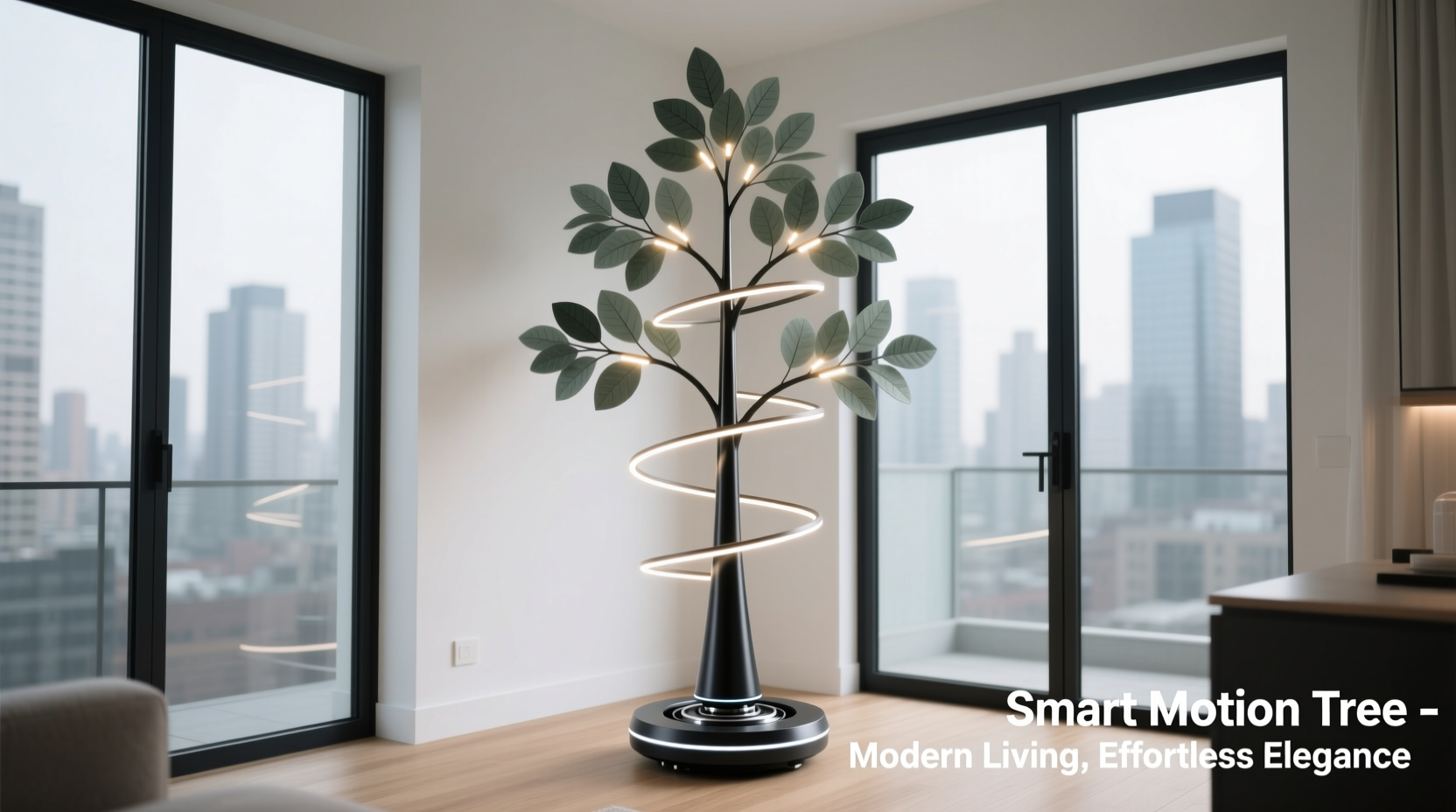
The core mechanism of a motorized orbit tree revolves around an overhead rotating track powered by a quiet electric motor. Garments hang from custom hangers attached to moving carriages that travel along a circular or oval rail mounted to the ceiling or wall structure. Activation is typically done through a wireless remote, smartphone app, or voice assistant integration (such as Alexa or Google Home), causing the loop to rotate slowly so users can browse their wardrobe like a retail display.
Most models offer programmable settings—some allow you to set rotation speed, pause points, or even designate sections for different types of clothing (e.g., workwear, casual, evening). The entire unit remains compact, usually spanning between 4 to 6 feet in diameter, making it ideal for walk-in closets, alcoves, or repurposed nooks in studio apartments.
Tip: Measure your ceiling height and clearance before purchasing—most systems require at least 8.5 feet of vertical space and secure joist support for safe mounting.Space Efficiency in Compact Living Environments
One of the most compelling arguments for adopting a motorized orbit tree in small dwellings is its exceptional use of vertical space. Traditional wardrobes consume valuable floor area and often leave upper regions underutilized. In contrast, the orbit tree lifts storage off the ground entirely, freeing up floor space for other uses—be it a seating area, workspace, or simply uncluttered openness.
In micro-apartments common in cities like New York, Tokyo, or Berlin, residents frequently adopt multi-functional furniture. A motorized orbit tree fits this philosophy perfectly: it's both a storage unit and a design feature. By tucking away clothes within arm’s reach yet out of the way, it supports open-plan layouts without compromising on organization.
Moreover, because the system rotates, there's no need for wide access paths or double-door clearance. You only need enough room to stand in front of the unit while selecting items—often less than two feet. This makes it suitable for narrow corridors, recessed walls, or behind sliding partitions, further enhancing spatial flexibility.
Comparison: Orbit Tree vs. Conventional Storage Solutions
| Feature | Motorized Orbit Tree | Traditional Wardrobe | Sliding Closet System |
|---|---|---|---|
| Floor Space Used | Minimal (vertical) | High (frontage + depth) | Moderate (depth-dependent) |
| Accessibility | Full rotation; all items visible | Limited to front row | Sectional access |
| Installation Complexity | High (structural mounting required) | Low (freestanding) | Moderate (wall-fixed rails) |
| Aesthetic Integration | High (customizable finishes) | Variable (bulkier profiles) | Medium (visible tracks) |
| Smart Features | Yes (app control, automation) | No | Rarely |
The data shows that while installation demands are higher, the payoff in terms of space efficiency and ease of access is significant—especially in constrained environments.
Design Compatibility with Modern Interiors
Modern decor emphasizes minimalism, concealed technology, and seamless integration between form and function. The motorized orbit tree excels here not only because of how it looks but also how discreetly it operates. Available in matte black, brushed nickel, white lacquer, or even wood-veneer finishes, these units can be tailored to match cabinetry, flooring, or accent tones in a curated interior scheme.
When enclosed in glass-fronted niches or integrated into built-in shelving, the orbit tree becomes part of the architecture rather than an afterthought. Some designers have begun incorporating them behind mirrored panels or retractable doors, revealing the rotating wardrobe only when in use—a dramatic reveal reminiscent of luxury boutiques or fashion editorials.
“Smart storage solutions like the motorized orbit tree represent the next evolution of residential design: where utility meets elegance without compromise.” — Lena Park, Interior Architect & Sustainable Living Advocate
This level of sophistication appeals to homeowners who value innovation and craftsmanship. It also resonates with younger demographics embracing smart homes, where automated lighting, climate control, and entertainment systems are standard. Adding wardrobe automation feels like a natural extension—not a gimmick, but a logical upgrade.
Real-World Application: A Case Study in Urban Minimalism
Consider the case of Daniel Reyes, a graphic designer living in a 550-square-foot loft conversion in downtown Portland. His apartment features exposed beams, concrete floors, and floor-to-ceiling windows—hallmarks of industrial-modern style. With no dedicated bedroom or closet space, he needed a storage solution that wouldn’t disrupt the open flow.
Daniel installed a 5-foot diameter motorized orbit tree in a recessed wall cavity near his sleeping platform. He chose a satin aluminum finish to complement his stainless steel fixtures and paired it with LED strip lighting that activates during rotation. Since installation, he reports spending less time searching for outfits and more satisfaction with his daily routine.
\"It used to be frustrating digging through piles or opening multiple drawers,\" he says. \"Now I can spin my entire wardrobe in 30 seconds. It’s efficient, yes—but it also feels luxurious, like something out of a sci-fi film made real.\"
Importantly, the system didn’t require structural renovation. An electrician handled wiring, and a contractor secured the rail to ceiling joists. Total project time: one weekend. For Daniel, the blend of performance and aesthetic harmony justified the $2,800 investment.
Practical Considerations Before Buying
Despite its advantages, the motorized orbit tree isn’t universally suitable. Several factors should guide your decision:
- Structural Support: The rail must be anchored into ceiling joists or a reinforced frame. Drywall alone cannot bear the load.
- Noise Level: While most units operate quietly (<30 dB), sensitive sleepers may notice faint hums if installed near bedrooms.
- Power Access: Requires nearby electrical outlet or hardwiring—plan accordingly during renovation phases.
- Clothing Type: Best suited for lighter garments (shirts, dresses, jackets). Heavy winter coats or bulky items may strain motors over time unless specified for high weight capacity.
- Maintenance: Motors and tracks require occasional dusting and lubrication. Most manufacturers recommend annual servicing.
Step-by-Step Guide to Evaluating Suitability
- Assess Available Space: Identify a location with sufficient ceiling height and clearance radius.
- Check Structural Integrity: Confirm presence of ceiling joists using a stud finder or consult a contractor.
- Inventory Your Wardrobe: Determine volume and weight of hanging clothes to ensure compatibility.
- Review Power Options: Locate nearest outlet or budget for electrical work if needed.
- Compare Models: Research brands offering quiet motors, app integration, and finish options matching your decor.
- Obtain Professional Quotes: Get installation estimates from specialists familiar with automated systems.
- Plan for Future Flexibility: Consider whether the unit can be relocated if you move.
Cost-Benefit Analysis Over Time
Initial costs range from $1,800 to $4,000 depending on size, brand, and customization. Installation adds $300–$700 if professional help is required. While steep compared to a basic closet rod, the long-term benefits include reduced wear on clothing (due to better air circulation and gentler handling), improved organization habits, and enhanced property appeal.
In markets where premium rentals or resale value matters, built-in smart features can differentiate a unit. Real estate agents note increasing buyer interest in “tech-integrated” storage, particularly among professionals aged 30–45. From this perspective, the motorized orbit tree isn’t merely a personal convenience—it can contribute to broader lifestyle value.
Frequently Asked Questions
Can I install a motorized orbit tree myself?
While some DIY enthusiasts attempt self-installation, it’s strongly advised to hire a professional. Proper alignment, electrical safety, and structural anchoring are critical. Incorrect installation risks damage to ceilings, injury, or motor failure.
Does it work with all types of clothing?
It works best with shirts, blouses, dresses, suits, and lightweight jackets. Avoid hanging extremely heavy items like fur coats or wet garments regularly, as this can accelerate wear on the motor and suspension system.
What happens during a power outage?
Most models include manual override options—either a detachable crank or the ability to gently rotate the ring by hand. Once power returns, the system recalibrates automatically.
Final Checklist Before Purchase
- ✅ Measure Your Space
- Ensure adequate diameter and headroom.
- ✅ Verify Ceiling Structure
- Must support dynamic load (check manufacturer specs).
- ✅ Choose Finish & Controls
- Pick color and interface (remote/app/voice) that suit your preferences.
- ✅ Confirm Weight Capacity
- Match to your typical wardrobe load.
- ✅ Budget for Installation
- Include labor and potential electrical upgrades.
- ✅ Review Warranty Terms
- Look for minimum 2-year coverage on motor and electronics.
Conclusion: A Smart Investment for the Right Setting
The motorized orbit tree is not a one-size-fits-all solution, but for individuals living in small spaces who prioritize modern design, technological integration, and intelligent use of space, it offers a rare convergence of beauty and utility. It transforms a mundane chore—getting dressed—into an effortless, even enjoyable experience. More than a closet, it’s a statement piece reflecting a forward-thinking approach to urban living.
If your environment allows for secure installation, your wardrobe benefits from visibility and rotation, and your aesthetic leans toward sleek, tech-enhanced interiors, then yes—the motorized orbit tree is worth it. It represents not excess, but optimization: doing more with less, elegantly and efficiently.
💬 Have you considered integrating smart storage into your home? Share your thoughts or questions below—let’s explore the future of functional design together.








