
DHgate is one of the largest global B2B and B2C e-commerce platforms connecting international buyers with Chinese suppliers. While it offers incredible deals on electronics, fashion, tools, and more, its open marketplace also attracts counterfeiters and unreliable vendors. For savvy shoppers, the real value lies not just in low prices—but in knowing how to separate genuine products from knockoffs and trustworthy sellers from risky ones. With the right approach, you can consistently source high-quality, authentic items while avoiding scams.
Understand How DHgate’s Marketplace Works
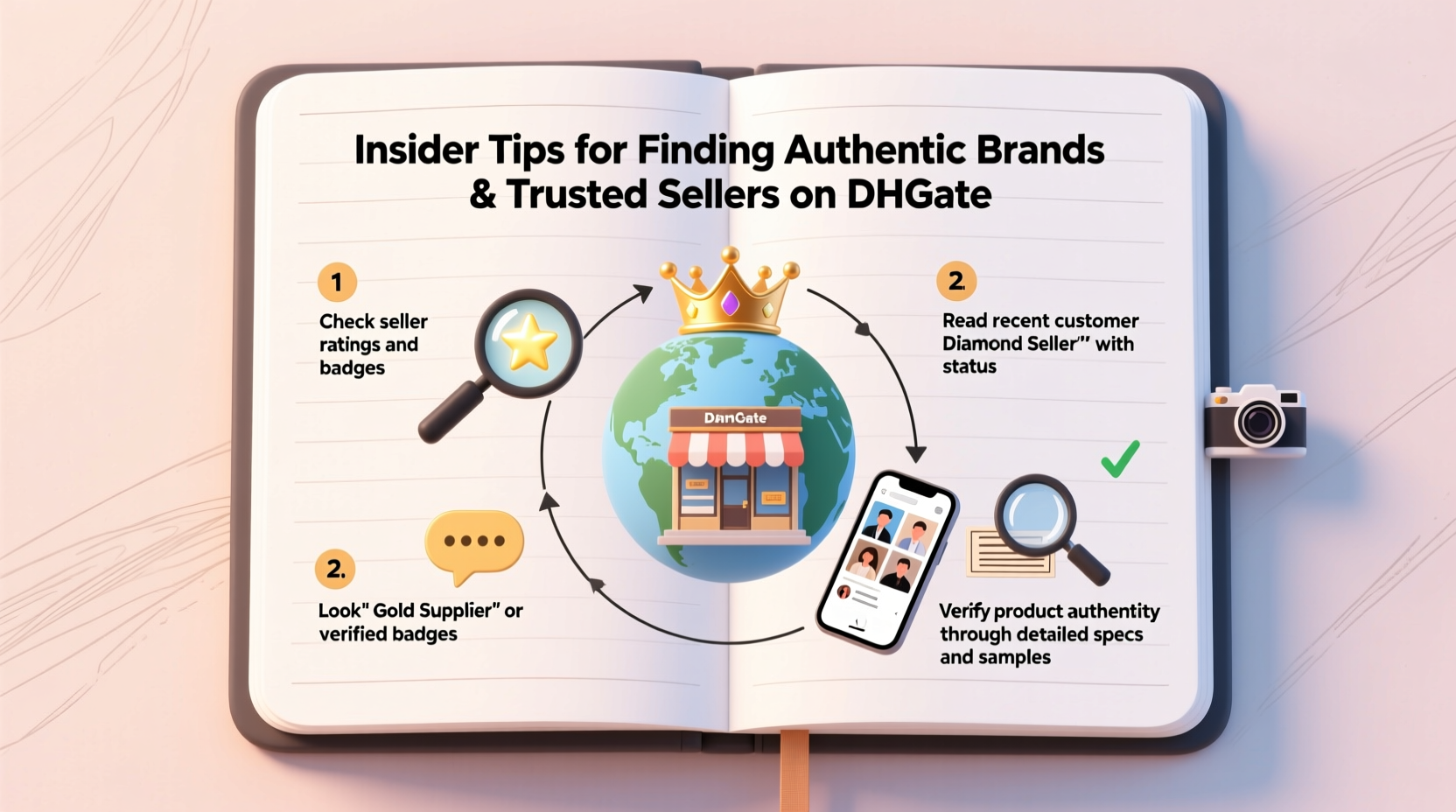
DHgate operates as a third-party platform where thousands of independent suppliers list their products. Unlike Amazon or eBay, many of these sellers are small manufacturers or trading companies with varying levels of quality control. This means product authenticity depends heavily on the individual seller—not the platform itself. The key to success is treating every purchase as a mini-supplier audit rather than a simple transaction.
Because branding regulations differ across regions, some listings may use well-known brand names (like “Apple-style” chargers or “Samsung-compatible” cables) without being officially licensed. True counterfeits—products falsely claiming to be branded goods—are against DHgate's policy, but enforcement varies. Your responsibility as a buyer is to scrutinize both the product description and the seller’s credibility before purchasing.
Tip: If a deal seems too good to be true—especially for premium electronics or luxury accessories—it likely involves imitation or misleading branding.How to Identify Trusted Sellers: 7 Key Indicators
Not all DHgate sellers are created equal. A reliable vendor will have a track record of transparency, responsiveness, and consistent shipping. Here’s what to look for:
- Store Age and Transaction Volume: Sellers with stores older than two years and over 1,000 completed orders generally have proven reliability.
- Positive Feedback Rate: Look for a feedback score above 97%. Below 95% should raise red flags.
- Detailed Product Descriptions: Authentic-focused sellers provide clear specs, real photos, and disclaimers about compatibility or design inspiration.
- Responsive Customer Service: Test them by asking a pre-purchase question. Reliable sellers reply within 24 hours.
- Verified Supplier Badge: This blue checkmark indicates DHgate has verified the business legitimacy.
- Return Policy & Warranty Offers: Sellers confident in authenticity often offer returns or short warranties.
- Consistent Branding Across Listings: Professional packaging mockups, logo usage, and uniform presentation suggest long-term operations.
“Many legitimate manufacturers on DHgate produce for major brands under contract but sell similar designs independently. The difference between ‘inspired by’ and ‘fake’ comes down to honesty in marketing.” — Li Wei, Sourcing Consultant for EU Retailers
Checklist: Steps to Verify Authenticity Before Buying
Before clicking \"Buy Now,\" follow this verification process:
- ✅ Confirm the seller has at least a 97% positive review rate
- ✅ Check that recent reviews (last 30 days) mention product quality and authenticity
- ✅ Read beyond star ratings—look for phrases like “real metal,” “works perfectly,” or “matches original”
- ✅ Message the seller to ask: “Is this an original [Brand] product?” Avoid those who claim authenticity without proof
- ✅ Compare listing images with official brand product photos
- ✅ Ensure the price aligns reasonably with market value (e.g., a $20 “genuine” Ray-Ban is impossible)
- ✅ Use DHgate’s escrow protection—never pay outside the platform
Spotting Fakes: Common Red Flags
Counterfeit items often slip through due to subtle misrepresentations. Use the following table to assess risk:
| Warning Sign | What It Means | Action to Take |
|---|---|---|
| Brand name used exactly (e.g., “iPhone Charger”) | Likely violates DHgate policy if not authorized | Avoid or confirm it's compatible, not original |
| Stock photos only, no user-uploaded images | Seller may not have physical inventory | Wait for recent buyer photos in reviews |
| Extremely low price compared to retail | Implies inferior materials or forgery | Assume it’s not authentic unless proven otherwise |
| No response to customer messages | Poor support indicates low accountability | Choose a different seller |
| Overuse of terms like “OEM,” “Original,” “Grade A” | Marketing jargon masking poor quality | Cross-check with actual buyer comments |
Real Example: Finding a Genuine Replacement Battery
Sophie, a freelance photographer based in Lisbon, needed a replacement battery for her Sony Alpha camera. She found three options on DHgate: one priced at $12 claiming to be “original Sony OEM,” another at $18 labeled “high-capacity compatible,” and a third at $25 from a store called “ProGear Electronics” offering a 1-year warranty.
She investigated each seller. The $12 option had a 92% rating, vague descriptions, and no recent photo reviews. The $18 listing had mixed feedback, with one user commenting, “Lasted two weeks before swelling.” The $25 seller had a 98.5% rating, detailed technical specs, and multiple buyers confirming it worked flawlessly for months.
Sophie messaged the ProGear team, asking whether the battery was made by Sony. They responded clearly: “We manufacture compatible batteries meeting Sony specifications, but we are not affiliated with Sony. No original branding is used.” She purchased confidently—and after six months of daily use, the battery still performs reliably.
This case illustrates how clarity, communication, and critical thinking outweigh price when seeking authenticity.
Maximize Buyer Protection Features
DHgate offers robust buyer safeguards—if you use them correctly. The platform holds your payment in escrow until you confirm delivery, which protects against non-receipt and gross misrepresentation. To maximize protection:
- Always open a dispute within 15 days of delivery if the item is fake or significantly different from the listing.
- Upload evidence: photos, video unboxing, and side-by-side comparisons with authentic versions.
- Select “Item not as described” as your dispute reason when dealing with counterfeit concerns.
- Avoid extending the delivery time unnecessarily—this reduces your dispute window.
The most effective disputes include timestamps, model number mismatches, material inconsistencies, and packaging discrepancies. Buyers who document thoroughly win resolution cases over 80% of the time, according to internal DHgate data cited in a 2023 e-commerce compliance report.
Frequently Asked Questions
Can I buy real branded products on DHgate?
Officially branded products from companies like Apple, Samsung, or Nike are rarely sold legitimately on DHgate unless listed by authorized distributors—which is uncommon. Most “branded” items are either counterfeits or unauthorized replicas. However, many sellers offer high-quality compatible or inspired alternatives that function well without infringing on trademarks.
What does “compatible with” mean on DHgate?
This phrase indicates the product is designed to work with a specific brand or model but isn’t produced by that brand. For example, a “compatible with Fitbit” band is made to fit the device but comes from a third-party manufacturer. These are legal and often excellent value—if accurately described.
How do I report a fake product?
Open a dispute in your DHgate order section, select “Item not as described,” and upload evidence such as photos showing missing logos, poor build quality, or incorrect labeling. You can also report the listing directly using the “Report Item” link below the product description. DHgate typically responds within 3–7 business days.
Final Thoughts: Shop Smart, Stay Confident
Finding authentic products and trustworthy sellers on DHgate isn’t about luck—it’s about applying consistent research habits and understanding the platform’s ecosystem. By focusing on seller history, reading between the lines of product descriptions, and leveraging buyer protections, you can avoid scams and build relationships with vendors who deliver real value.
The best DHgate shoppers aren’t the ones who find the cheapest deals—they’re the ones who balance cost, quality, and credibility to make informed choices. Whether you're sourcing gadgets, apparel, or industrial parts, treat each purchase as a partnership. Ask questions, demand transparency, and reward honesty with repeat business.
🚀 Start applying these tips today. Revisit your past orders, re-evaluate your go-to sellers, and refine your search strategy. Share your experiences in the comments—your insights could help others avoid costly mistakes.








