
Pet owners know the joy of having a furry companion, but they also face the constant battle with loose fur clinging to sofas, chairs, and cushions. While lint rollers are convenient, not everyone keeps one on hand—and even when they do, they can be wasteful or run out at the worst possible moment. The good news is that effective alternatives exist in nearly every household. With common tools and clever techniques, you can banish pet hair from your furniture quickly, affordably, and sustainably—all without reaching for a lint roller.
This guide explores practical, science-backed methods using items like rubber gloves, damp sponges, and microfiber cloths. Whether you’re preparing for guests or just want a cleaner living space, these strategies deliver fast results and long-term benefits for both your home and your pets’ comfort.
Why Pet Hair Sticks—and Why It’s Hard to Remove
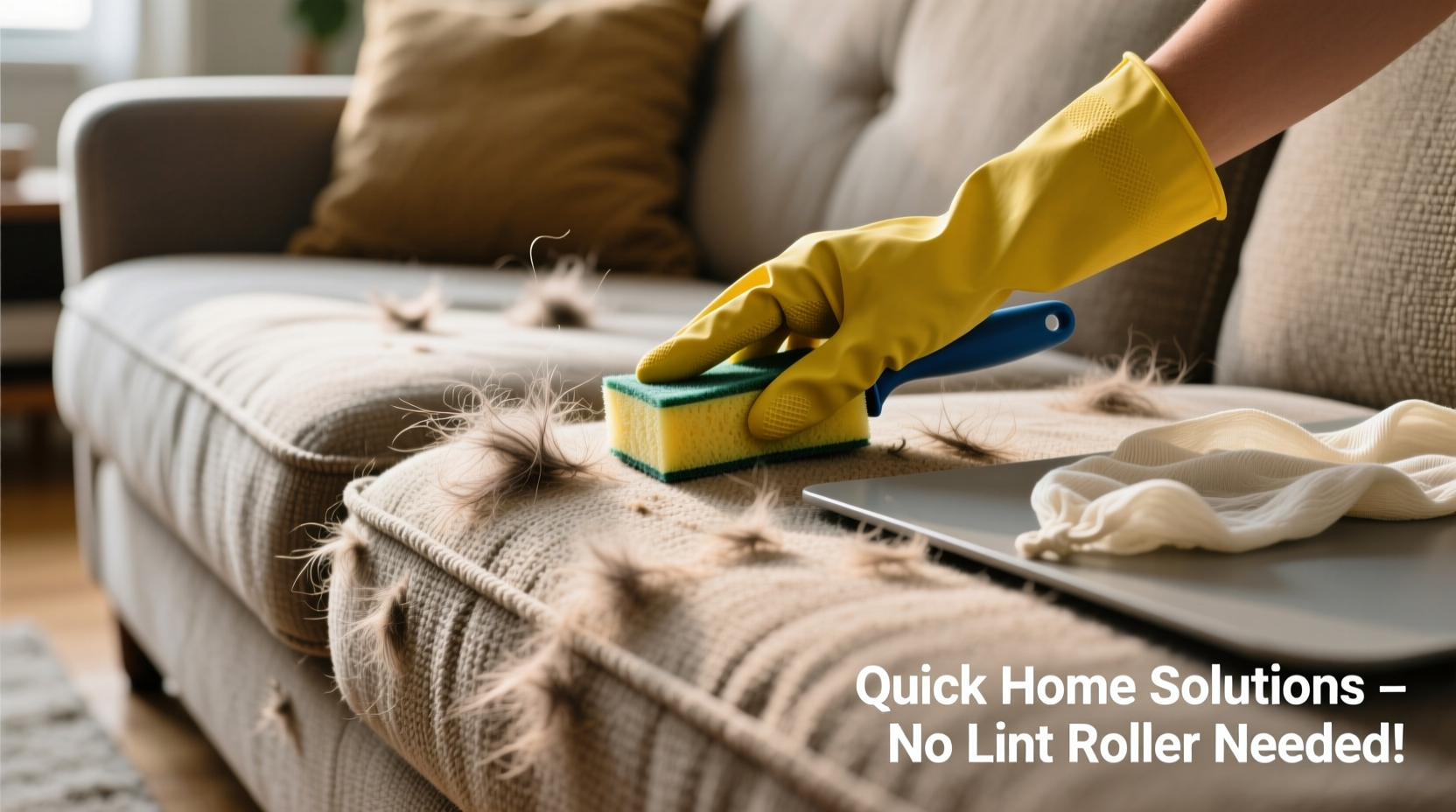
Pet hair doesn’t just settle on furniture—it clings. This happens due to static electricity and the natural oils in animal fur, which create an adhesive effect on fabric surfaces. Most upholstery materials, especially synthetic fibers like polyester or microfiber, generate static, making them magnets for stray hairs. Over time, embedded fur attracts dust and dander, worsening allergies and reducing air quality.
Traditional vacuuming often fails because many vacuums lack the right attachments or suction power for low-pile fabrics. Worse, some models blow air that redistributes hair instead of capturing it. That’s why targeted, hands-on techniques often work better than machinery alone.
“Static cling is the main reason pet hair resists removal. The solution isn’t more force—it’s smarter friction.” — Dr. Lena Torres, Home Environmental ScientistTip: Dust or groom your pet regularly to reduce shedding at the source.
Effective Household Tools That Replace Lint Rollers
You don’t need specialty products to combat pet hair. Many kitchen and cleaning supplies double as powerful hair-removal tools. The key is leveraging moisture, texture, and electrostatic principles to lift and collect fur efficiently.
Rubber Gloves (Dish or Cleaning)
One of the most accessible and effective solutions is a simple pair of rubber gloves. When worn on damp hands, the rubber creates friction that gathers hair into clumps. The slightly tacky surface grabs onto strands while repelling dust, making it ideal for both dry and lightly soiled areas.
- Put on a pair of rubber gloves (latex-free if preferred).
- Dampen your hands slightly under water—just enough to create moisture, not dripping wet.
- Run your gloved hands over the furniture in one direction using firm, sweeping motions.
- As hair collects, gather it into a ball and dispose of it in the trash.
This method works best on couches, armchairs, and car seats. For textured fabrics, use circular motions to reach deeper fibers.
Damp Sponge or Microfiber Cloth
A slightly wet sponge or tightly woven microfiber cloth uses surface tension to trap pet hair. As you wipe across upholstery, the moisture weighs down the hair, preventing it from scattering, while the fabric lifts it cleanly.
- Use a non-abrasive sponge or lint-free cloth.
- Wring it out well—too much water can damage certain fabrics.
- Wipe in straight lines, re-wetting as needed.
- Rinse frequently to avoid redepositing hair.
This technique is excellent for leather, vinyl, and tightly woven synthetics. Avoid using excess water on porous or delicate materials like untreated cotton or silk blends.
Squeegee (Window or Shower)
An underrated tool for furniture care is the humble squeegee. Its flexible rubber blade glides over surfaces, gathering hair into neat rows. Originally designed for removing water, it works equally well on dry fur.
- Select a small handheld squeegee (6–10 inches).
- Run it across the fabric in consistent strokes, overlapping slightly.
- After each pass, wipe collected hair off the blade into a trash can.
- For stubborn spots, lightly mist the area first.
Users report up to 90% faster cleanup compared to vacuuming, especially on large sectional sofas. Keep one dedicated to furniture to avoid cross-contamination with cleaning chemicals.
Tip: A $2 squeegee from the hardware store can outperform expensive pet hair vacuums on flat surfaces.Step-by-Step Guide: Deep Cleaning Furniture Without a Lint Roller
When pet hair has built up over days or weeks, a systematic approach ensures thorough removal. Follow this five-step process for best results:
- Prep the Area: Remove cushions and toss any washable covers into the laundry. Lightly brush off large debris with your hand or a dry towel.
- Choose Your Tool: Based on fabric type, select rubber gloves, a damp cloth, or a squeegee. For mixed materials, start with gloves for versatility.
- Work in Sections: Divide the furniture into zones (e.g., backrest, seat, arms). Tackle one at a time to avoid missing spots.
- Use Directional Strokes: Always move in the same direction. This aligns fibers and pushes hair toward edges where it can be lifted easily.
- Final Vacuum (Optional): After manual removal, use a vacuum with a brush attachment to capture residual particles. This step enhances cleanliness but isn’t required if hair is fully removed.
For heavily shedded areas, repeat the process twice—once dry, once with slight moisture—to ensure complete pickup. Allow fabric to air-dry completely before replacing cushions.
Do’s and Don’ts of Pet Hair Removal
| Do’s | Don’ts |
|---|---|
| Use damp rubber gloves for maximum grip | Use dry paper towels—they scatter hair |
| Brush furniture in one direction | Apply excessive water to fabric |
| Wash removable covers weekly during peak shedding | Use fabric softener sheets directly on upholstery |
| Store tools like squeegees in a cleaning caddy | Ignore crevices between cushions |
| Groom pets regularly to reduce shedding | Use sticky tape repeatedly—it damages fabric over time |
Following these guidelines prevents damage to furniture while maximizing efficiency. Remember: consistency beats intensity. Five minutes daily removes more hair than one hour monthly.
Real-Life Example: How Sarah Cleared Her Sofa in 12 Minutes
Sarah, a dog owner in Portland, struggled with her golden retriever’s year-round shedding. Her beige microfiber sofa was constantly covered, and lint rollers ran out quickly. After trying several failed hacks—including duct tape and dryer sheets—she discovered the rubber glove method through a friend.
She followed a simple routine: every evening after walking her dog, she put on dish gloves, dampened her hands, and spent 5–7 minutes wiping down the couch. Within a week, she noticed less hair transfer to her clothes. On day ten, she timed herself doing a full deep clean: 12 minutes from start to finish, including cushion edges. “It looks better than when I used the lint roller,” she said. “And I’m not wasting plastic rolls every few days.”
Now, Sarah cleans her furniture three times a week and reports fewer allergy symptoms in her family. Her secret? Consistency and the right friction.
Expert-Approved Alternative Methods
Beyond gloves and sponges, professionals recommend a few lesser-known but highly effective tactics:
Lint Brush (Reusable Fabric Comb)
A traditional lint brush—often made with natural bristles and a wooden handle—is a sustainable alternative to disposable rollers. Run it over fabric in short, brisk strokes. Unlike sticky tape, it doesn’t leave residue and lasts for years with proper care.
Velcro Hair Roller (Strap Version)
Veterinary clinics and groomers often use Velcro-backed rollers to remove loose fur from animals. These can be gently rolled over furniture too. Simply press and lift—the hooks catch hair effectively without damaging fabric.
Aluminum Foil Ball
Crumple a sheet of aluminum foil into a tight ball and use it like a scrubber. The conductive metal neutralizes static while the texture lifts hair. Though unconventional, this trick works well on velvet and corduroy.
“The best tools for pet hair aren’t always marketed for it. Look for items that create controlled friction and manage static.” — Mark Delaney, Professional Organizer & Home Hygiene Consultant
Checklist: Quick Pet Hair Removal Routine
Follow this daily or weekly checklist to keep furniture consistently fur-free:
- ☐ Remove cushions and shake outdoors
- ☐ Choose tool: rubber gloves, damp cloth, or squeegee
- ☐ Lightly dampen tool if needed
- ☐ Wipe furniture in one direction using firm strokes
- ☐ Gather hair clumps and discard
- ☐ Spot-clean edges and seams with a toothbrush
- ☐ Vacuum lightly (optional)
- ☐ Wash removable covers every 5–7 days during heavy shedding
Completing this list takes less than 10 minutes and prevents buildup that leads to deeper cleaning sessions.
Frequently Asked Questions
Can I use a dryer sheet to remove pet hair?
Dryer sheets can help reduce static, making hair easier to wipe away, but they shouldn’t be used alone. Rubbing a sheet over fabric may loosen some hair, but it won’t collect it. Instead, use a dryer sheet to wipe down a rubber glove first—this reduces static and boosts grip.
Will water damage my fabric furniture?
Minimal moisture is safe for most synthetic and treated fabrics. Always wring out cloths or sponges well. Test a small hidden area first. Avoid soaking; instead, use a barely damp surface to attract hair without saturating fibers.
How often should I clean pet-friendly furniture?
For homes with shedding pets, light cleaning every 2–3 days prevents accumulation. Deep clean once a week. During seasonal shedding (spring and fall), increase frequency to every other day.
Conclusion: Take Control of Pet Hair Today
Removing pet hair from furniture doesn’t require expensive gadgets or disposable products. With simple household items and a bit of technique, you can maintain a clean, welcoming space without relying on lint rollers. The methods outlined here—from rubber gloves to squeegees—are proven, eco-friendly, and efficient. They save money, reduce waste, and integrate seamlessly into daily routines.
Start tonight: grab a glove, dampen your hands, and run them across your couch. You’ll be amazed at how much hair comes up—and how easy it is to maintain. Small actions, repeated consistently, lead to lasting results. Your furniture—and your guests—will thank you.
💬 Have a favorite pet hair hack? Share your tip in the comments and help fellow pet owners keep their homes fur-free!








