Cat owners love the companionship, playfulness, and warmth their feline friends bring—until they come home to shredded upholstery. Scratching is a natural, essential behavior for cats. It helps them shed old claw layers, stretch muscles, mark territory, and relieve stress. Unfortunately, the living room sofa often becomes the unintended target. Replacing furniture isn’t always practical or affordable. The good news? You don’t have to. With understanding, consistency, and a few strategic interventions, you can redirect your cat’s scratching instincts away from your couch—and keep both your pet and your furniture intact.
Why Cats Scratch: Understanding the Behavior
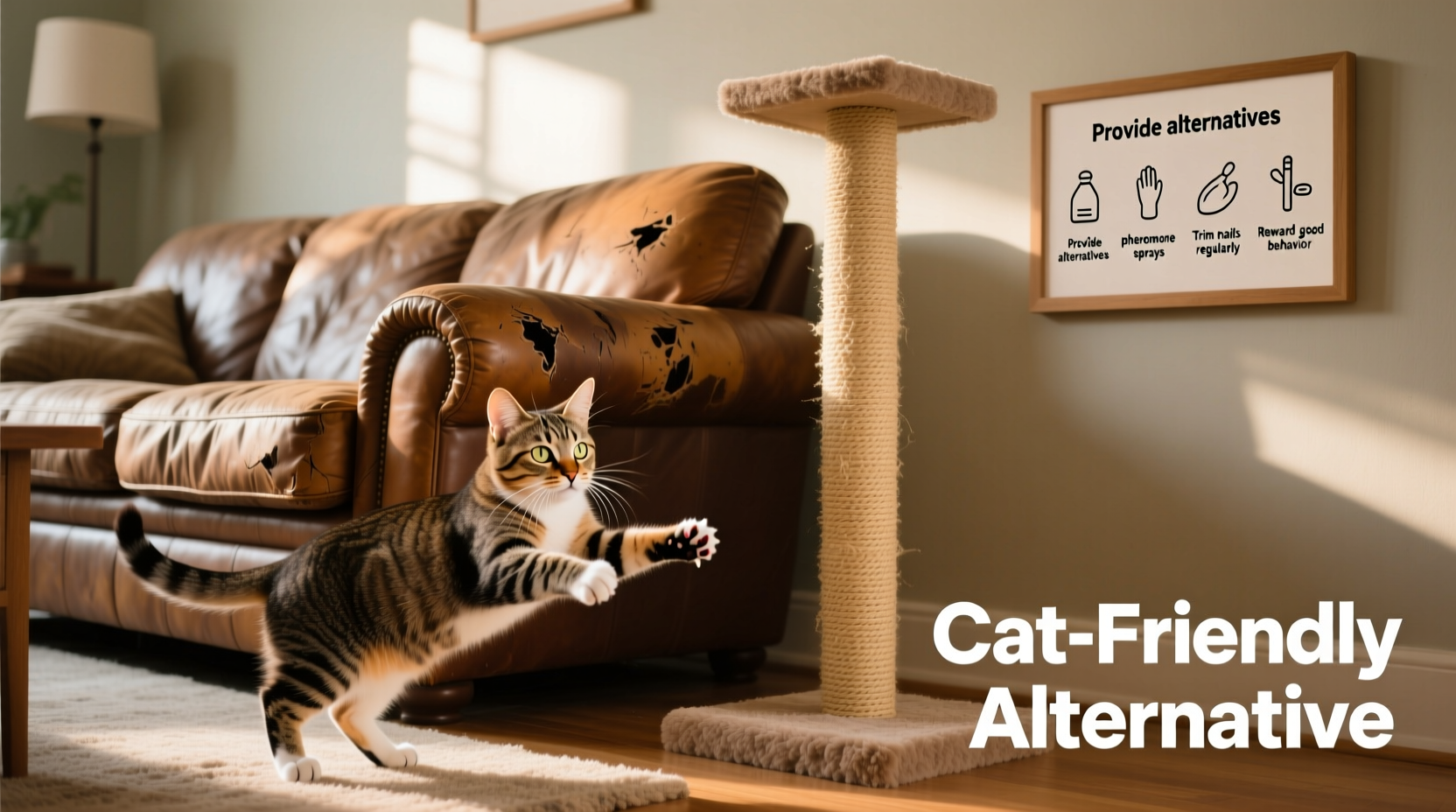
Before attempting to change a behavior, it's important to understand why it exists. Scratching isn’t destructive mischief; it’s deeply rooted in feline biology and psychology. Cats scratch for several key reasons:
- Muscle stretching: Scratching allows cats to stretch their back, shoulders, and paws after naps or periods of inactivity.
- Claw maintenance: The action helps shed the outer sheaths of their claws, keeping them sharp and healthy.
- Scent marking: Cats have scent glands in their paw pads. Scratching deposits pheromones, marking the area as familiar and safe.
- Emotional regulation: Scratching can be a response to stress, excitement, or territorial insecurity.
When a cat targets the couch, it’s usually because the texture, height, or location suits their needs. A tall, vertical surface near a window or sleeping area is ideal real estate in a cat’s mind. Instead of viewing this as defiance, see it as communication: your cat is seeking an appropriate outlet.
“Scratching is not a bad habit—it’s a necessary behavior. Our job is to guide it toward acceptable surfaces.” — Dr. Sarah Milligan, Feline Behavior Consultant
Effective Alternatives to Furniture Replacement
Replacing your couch may seem like the fastest fix, but it’s neither cost-effective nor guaranteed to solve the problem. A new sofa might still attract your cat if better scratching options aren’t provided. Instead, focus on redirection, deterrence, and environmental enrichment.
Step-by-Step Guide: Redirecting Scratching Behavior
Changing where your cat scratches takes time and consistency. Follow this six-week timeline to create lasting change:
- Week 1: Assess & Observe
Track when and where your cat scratches. Note the direction (vertical vs. horizontal), frequency, and emotional state. This helps identify preferences and triggers. - Week 2: Introduce Alternative Scratching Posts
Place multiple scratching posts near targeted furniture. Choose sturdy models that match your cat’s preference—sisal rope, cardboard, or carpeted surfaces. Height should allow full stretch. - Week 3: Make the Couch Less Appealing
Use temporary deterrents like double-sided tape, aluminum foil, or plastic covers on scratched areas. These textures are unpleasant but harmless. - Week 4: Encourage Use of Alternatives
Sprinkle catnip on new posts or use toys to lure your cat toward them. Reward with treats when they use the post. - Week 5: Reinforce Positive Behavior
Continue rewarding desired scratching. Avoid punishment, which increases anxiety and worsens the issue. - Week 6: Gradually Remove Deterrents
Once consistent use of alternatives is established, slowly phase out couch deterrents while monitoring behavior.
Choosing and Placing the Right Scratching Surfaces
Not all scratching posts are created equal. Many commercial options fail because they’re too short, wobbly, or made from unappealing materials. To succeed, match the post to your cat’s preferences.
| Scratching Surface | Best For | Likelihood of Success |
|---|---|---|
| Sisal rope posts (vertical) | Cats who stretch upward, prefer rough texture | High – most durable and preferred by majority |
| Cardboard scratchers (horizontal/angled) | Cats who scratch flat surfaces or knead | High – inexpensive and replaceable |
| Carpeted posts | Cats already used to carpeted furniture | Medium – less durable, may encourage carpet scratching |
| Wooden logs or branches | Cats who enjoy natural textures | Medium – requires secure mounting |
Placement matters just as much as design. Position scratchers within 3 feet of the couch initially, then gradually move them if needed. Stability is critical—a wobbly post teaches your cat it’s unreliable. Anchor tall posts to walls if necessary.
Deterrents That Work—Without Harming Your Cat
While redirection is the long-term solution, deterrents help break the habit during transition. The goal is not to punish, but to make the couch temporarily undesirable.
- Double-sided sticky tape: Cats dislike sticky paws. Apply adhesive strips (like Sticky Paws) on armrests and corners.
- Aluminum foil: Temporary coverage creates an unpleasant sound and texture. Use only during initial training.
- Plastic slipcovers: Textured vinyl protectors discourage scratching while preserving furniture.
- Scent deterrents: Citrus sprays (diluted lemon or orange extract) repel many cats. Test on fabric first to avoid staining.
- Motion-activated air sprayers: Devices like Ssscat release a quick puff of air when triggered, startling but not harming the cat.
Avoid punitive methods such as yelling, spraying water, or using shock mats. These damage trust and increase anxiety, potentially worsening scratching or leading to other behavioral issues.
Tip: Combine deterrents with positive reinforcement. When your cat avoids the couch and uses the post, reward immediately.Real-Life Example: Bella the Siamese
Sarah, a cat owner in Portland, struggled with her 3-year-old Siamese, Bella, who had shredded two couches in 18 months. Frustrated and facing a $2,000 replacement quote, she consulted a feline behaviorist. The turning point came when she realized Bella scratched most after waking up near the sunlit living room window—the same spot as the couch.
The solution was twofold: First, Sarah installed a tall sisal post right next to the couch, anchoring it to the wall for stability. She rubbed it with silver vine powder, which Bella loved. Second, she covered the couch arm with a textured plastic protector and placed a motion-activated air sprayer nearby.
Within three weeks, Bella consistently used the post. By week six, the air sprayer was removed, and the plastic cover replaced with a washable fabric guard. One year later, the original couch remains intact, and Bella has two additional scratchers in different rooms.
This case illustrates that success comes not from eliminating the behavior, but from understanding its context and offering better options.
Checklist: How to Stop Couch Scratching (Without New Furniture)
Follow this actionable checklist to implement a humane, effective plan:
- ✅ Observe your cat’s scratching patterns for 3–5 days
- ✅ Purchase or build at least one sturdy scratching post (sisal recommended)
- ✅ Place the post directly next to or in front of the targeted couch area
- ✅ Apply non-damaging deterrents (tape, foil, or plastic cover) to the couch
- ✅ Use catnip, silver vine, or treats to encourage post use
- ✅ Reward your cat every time they use the correct surface
- ✅ Trim your cat’s claws every 2–3 weeks to reduce damage
- ✅ Monitor progress weekly and adjust placement or materials as needed
- ✅ Gradually remove deterrents once new habits form (after 4–6 weeks)
- ✅ Maintain multiple scratchers in high-traffic areas long-term
Frequently Asked Questions
Can I completely stop my cat from scratching?
No—and you shouldn’t try to. Scratching is a natural, healthy behavior essential to your cat’s physical and emotional well-being. The goal is not elimination, but redirection to appropriate surfaces.
Will nail caps prevent couch damage?
Yes, soft nail caps like Soft Paws can significantly reduce damage. They’re glued over the claws and last 4–6 weeks. Most cats adapt quickly, and they’re painless to apply. However, they don’t address the root behavior, so combine them with environmental changes for best results.
What if my multi-cat household has different scratching habits?
In homes with multiple cats, provide individualized options. One cat may prefer vertical sisal, another a horizontal cardboard pad. Offer at least one scratching station per cat, placed in separate zones to avoid competition.
Final Thoughts: Coexistence Is Possible
Your cat doesn’t hate your couch. They’re simply following instinct in an environment that hasn’t been designed with their needs in mind. By respecting their natural behaviors and making thoughtful adjustments, you can protect your furniture without compromising your pet’s well-being.
The key is consistency, patience, and empathy. Change won’t happen overnight, but with the right tools and approach, most cats adapt within a few weeks. The result? A harmonious home where both you and your cat feel satisfied and secure.
💬 Have a success story or tip for redirecting cat scratching? Share your experience in the comments—your insight could help another frustrated cat owner find peace with their furry roommate.