
Digging is a natural canine behavior rooted in instinct—dogs may dig to cool off, hide food, chase prey, or simply out of boredom. While this behavior might be normal, it can quickly turn destructive when your dog turns your carefully curated flower beds into excavation zones. If you're looking for ways to protect your garden without installing a fence, you're not alone. Many pet owners face the same challenge, especially in urban or shared outdoor spaces where fencing isn't an option.
The good news? You don’t need a physical barrier to deter digging. With the right combination of environmental management, training, and behavioral redirection, you can keep both your flowers and your dog happy. This guide explores proven, humane strategies that address the root causes of digging and help you reclaim your garden—one paw print at a time.
Understand Why Dogs Dig
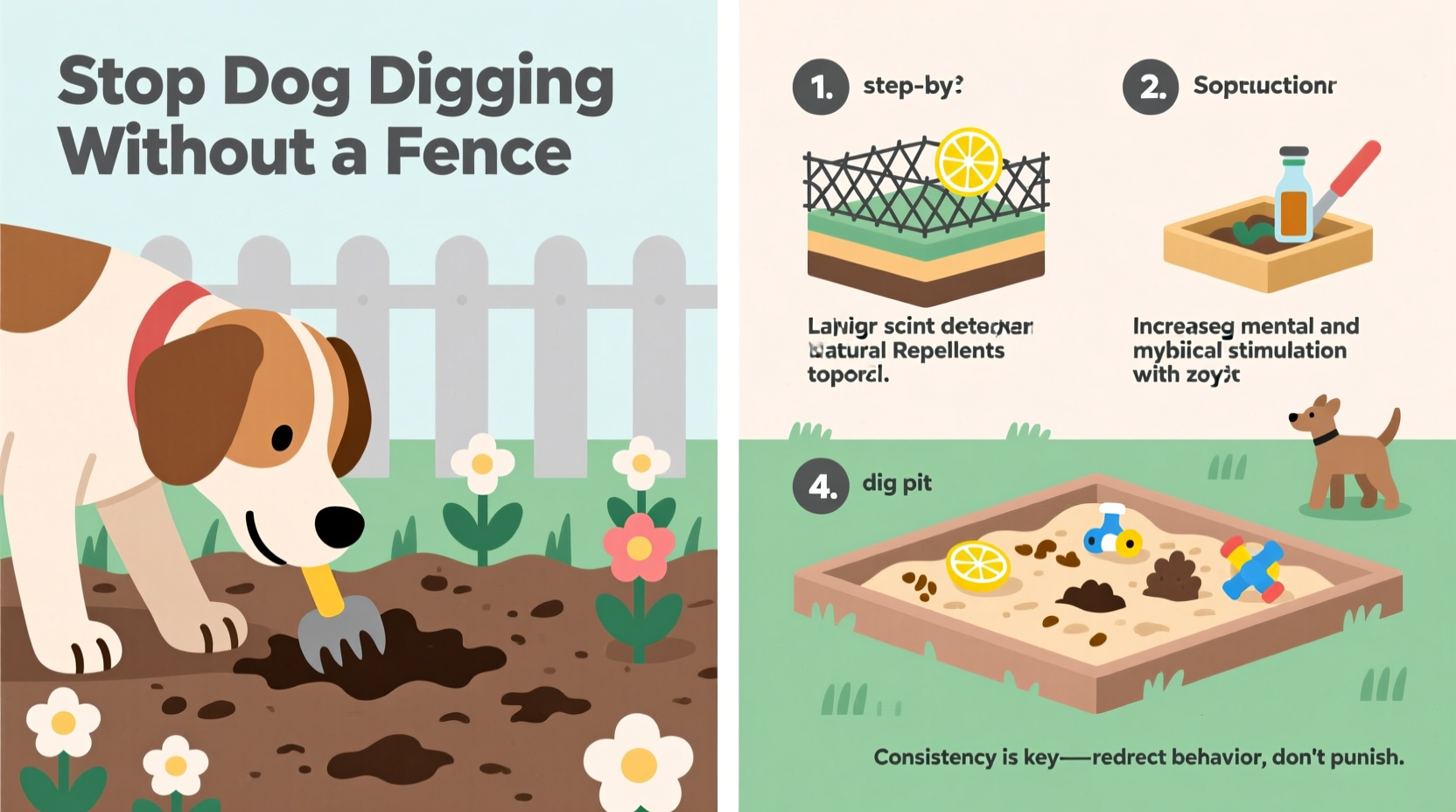
Before implementing any deterrent, it’s essential to understand why your dog is digging. Addressing the cause is far more effective than simply punishing the behavior. Common reasons include:
- Boredom or excess energy: Dogs left alone in the yard with nothing to do often resort to digging as entertainment.
- Thermoregulation: Some dogs dig shallow holes to lie in cooler soil during hot weather.
- Hunting instincts: The scent or movement of small animals like moles or insects can trigger digging.
- Escape attempts: Though less common without a fence, some dogs dig near boundaries trying to get under or through barriers.
- Breeding or nesting: Pregnant females may dig to create a den; unspayed females in heat may also show nesting behaviors.
- Food caching: Instinct drives some dogs to bury treats or toys for later retrieval.
“Digging isn’t misbehavior—it’s communication. When a dog digs in flower beds, they’re responding to an unmet need, whether it’s stimulation, comfort, or instinct.” — Dr. Laura Hemming, Certified Animal BehavioristTip: Observe your dog’s digging pattern. Is it random or focused in one area? Does it happen when they’re alone or during certain times of day? These clues help identify the trigger.
Humane Deterrents That Work
Once you’ve identified the likely cause, you can choose appropriate deterrents. The key is consistency and pairing unpleasant sensory experiences with the act of digging—without causing fear or pain.
Natural Repellents
Dogs have sensitive noses, and strong or bitter scents can discourage them from entering specific areas. Try these safe, non-toxic options:
- Citrus peels: Scatter orange, lemon, or grapefruit rinds around the perimeter of your flower bed. Most dogs dislike the smell.
- Vinegar solution: Mix equal parts white vinegar and water in a spray bottle. Lightly mist the soil surface (avoid spraying plants directly).
- Essential oils: Peppermint, eucalyptus, or citronella oil diluted in water can act as natural repellents. Use sparingly—never apply undiluted oils to soil.
- Bitter apple spray: Commercial sprays designed for chew prevention can also deter digging when applied to mulch or soil edges.
Texture-Based Barriers
Dogs dislike stepping on or digging into uncomfortable textures. Introduce materials that make the flower bed less inviting:
- Chicken wire or mesh: Lay hardware cloth just beneath the soil surface or cover the top with decorative mulch on top. Ensure edges are tucked to prevent injury.
- Pointed rocks or gravel: Place flat river stones or crushed rock around plant bases. Dogs avoid sharp textures under their paws.
- Plastic carpet runners: Place upside-down (nubs up) around vulnerable areas. The texture discourages walking and digging.
Scent and Sound Triggers
Some motion-activated devices startle dogs without harming them:
- Motion-activated sprinklers: Devices like the ScareCrow spray a burst of water when movement is detected. Effective for daytime deterrence.
- Ultrasonic repellers: Emit high-frequency sounds when triggered by motion. Results vary—some dogs ignore them over time.
| Deterrent Type | Effectiveness | Best For | Lifespan |
|---|---|---|---|
| Citrus peels | Moderate | Occasional diggers, warm climates | 3–5 days |
| Vinegar spray | Moderate | Hot spots, short-term use | 1–2 days (after rain) |
| Hardware cloth | High | Chronic diggers, all seasons | Years (if secured) |
| Motion sprinkler | High | Unsupervised yards, large areas | 2–5 years |
| Plastic carpet runner | High initially | Temporary training aid | 3–6 months |
Create a Designated Digging Zone
One of the most effective long-term solutions is to redirect the behavior rather than suppress it. Give your dog a legal place to dig.
Set up a “digging box” or sandbox in a corner of your yard. Fill it with loose soil, sand, or mulch. Bury toys, treats, or scented items to encourage use. When you catch your dog digging in the flower bed, calmly redirect them to the digging zone and praise them for using it.
“I trained my border collie mix to dig only in her sandbox by burying frozen peanut butter Kongs every morning. Within two weeks, she ignored the garden completely.” — Sarah T., Portland, OR
Step-by-Step: Build a Dog-Friendly Digging Box
- Choose a shaded or partially sunny spot away from flower beds.
- Select a container: a kiddie pool, wooden planter, or defined ground area (2x3 ft minimum).
- Fill with soft, clean sand or loamy soil (avoid toxic mulches like cocoa bean).
- Bury interactive items: squeaky toys, treat-dispensing puzzles, or bones.
- Encourage use by playing near the box and rewarding exploration.
- Supervise early sessions and gently redirect unwanted digging.
Address the Root Causes
Deterrents and redirection work best when paired with lifestyle changes that reduce the motivation to dig.
Increase Physical and Mental Exercise
A tired dog is less likely to engage in destructive behaviors. Ensure your dog gets enough daily activity based on breed, age, and health:
- Long walks or jogs (especially in the morning and evening).
- Fetch, frisbee, or agility drills in a safe area.
- Mental challenges: puzzle feeders, obedience training, scent games.
Provide Shade and Comfort
If your dog digs to cool off, offer better alternatives:
- Install a covered dog run or shade sail.
- Provide a cooling mat or wading pool.
- Allow access to a cool indoor space during peak heat.
Limit Access to Triggers
If pests are driving the digging, address the underlying issue:
- Treat lawns for grubs, ants, or other insects.
- Use humane traps or professional services for moles or voles.
- Seal gaps under sheds or decks where small animals nest.
Training and Positive Reinforcement
Teach your dog that flower beds are off-limits using consistent cues:
- Use a firm but calm “Leave it” command when approaching the bed.
- Redirect to a toy or activity when digging begins.
- Reward compliance with treats, praise, or playtime.
- Never yell or punish after the fact—this creates fear, not learning.
Checklist: Stop Flower Bed Digging Without a Fence
Your Action Plan
- Observe and identify your dog’s digging triggers.
- Remove or reduce access to pests or escape points.
- Install textured deterrents (rocks, mesh, carpet runners).
- Apply natural repellents weekly or after rain.
- Build and train your dog to use a designated digging box.
- Increase daily exercise and mental stimulation.
- Provide shade and cooling alternatives.
- Use positive reinforcement for desired behavior.
- Monitor progress and adjust methods as needed.
Frequently Asked Questions
Will coffee grounds keep dogs from digging?
Coffee grounds have a strong smell that may temporarily deter some dogs, but they are not consistently effective. More importantly, used coffee grounds can be toxic if ingested in large quantities due to caffeine residue. It's safer to use citrus peels or commercial pet-safe repellents instead.
Can I train an older dog to stop digging?
Yes. While puppies may learn faster, adult dogs are fully capable of changing behavior with consistent training and environmental adjustments. Focus on redirection, enrichment, and removing incentives to dig. Older dogs often respond well to routine and clear boundaries.
Are ultrasonic devices safe and effective?
Most ultrasonic repellers are safe and do not harm hearing. However, effectiveness varies widely—some dogs habituate quickly, while others remain responsive. Pair them with other deterrents for best results, and monitor your dog’s stress levels (e.g., panting, avoidance).
Conclusion: A Garden and Dog That Thrive Together
Protecting your flower beds doesn’t require sacrificing your dog’s freedom or happiness. By understanding the reasons behind digging and applying thoughtful, humane strategies, you can coexist peacefully with your pet in shared outdoor spaces. The goal isn’t perfection—it’s balance. With patience, consistency, and a little creativity, you can enjoy vibrant blooms and a joyful dog in the same yard.
Start small: pick one deterrent, build a digging zone, and increase daily walks. Track what works and refine your approach. Your efforts will pay off in fewer muddy paws, healthier plants, and a stronger bond with your dog.
💬 Have a tip that worked for your dog? Share your experience in the comments—your insight could help another pet owner save their garden!








