Reusable grocery bags are a sustainable alternative to single-use plastic, helping reduce waste and environmental impact. However, without proper care, these bags can become breeding grounds for harmful bacteria, mold, and even foodborne pathogens like E. coli and Salmonella. Studies have shown that unwashed reusable bags used for groceries—especially those carrying raw meat, produce, or refrigerated items—can harbor dangerous microbes that transfer to other surfaces and foods. The solution? A consistent, effective disinfection routine. This guide provides science-backed methods, practical steps, and expert insights to keep your reusable bags clean, safe, and long-lasting.
Why Disinfection Matters: The Hidden Risks of Reusable Bags
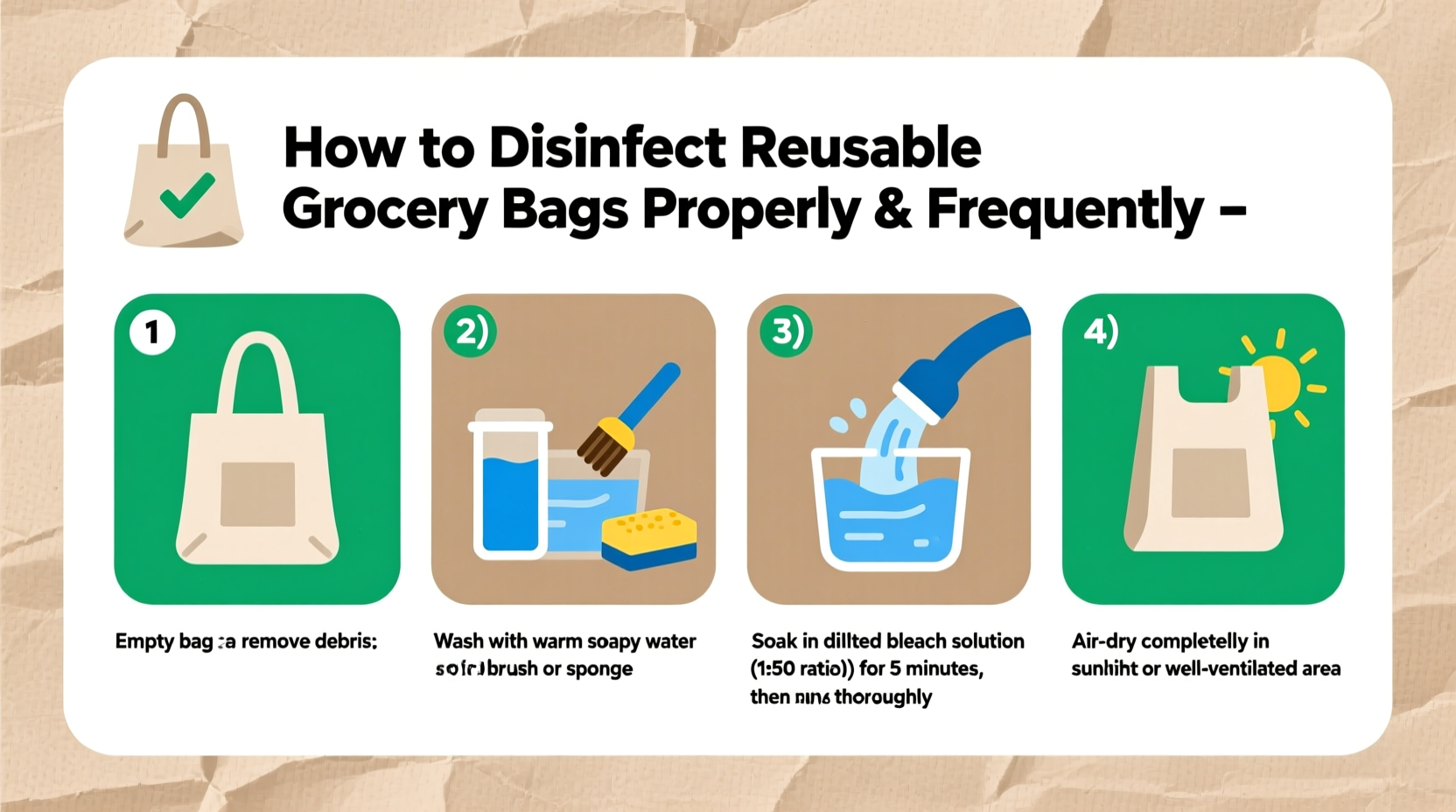
While reusable bags are eco-friendly, their repeated use creates an environment where germs thrive. Moisture from fresh produce, spills from packaged goods, and contact with contaminated store surfaces all contribute to microbial buildup. A University of Arizona study found that nearly half of tested reusable grocery bags contained coliform bacteria, with 12% testing positive for E. coli—both indicators of fecal contamination.
The risk increases when bags are stored in warm environments like car trunks, which accelerate bacterial growth. Cross-contamination becomes a real concern when the same bag carries raw chicken one day and bread the next. Without regular cleaning, you're not just transporting groceries—you may be transporting illness.
“Many consumers don’t realize that reusable bags need the same hygiene attention as kitchen sponges or cutting boards. They’re high-touch items that require frequent disinfection.” — Dr. Lisa Martinez, Environmental Health Specialist at the CDC
Step-by-Step Guide to Disinfecting Different Bag Materials
Not all reusable bags are created equal. The material determines the safest and most effective cleaning method. Below is a detailed, step-by-step approach tailored to common bag types.
1. Cotton and Fabric Bags (Including Canvas and Poly-Cotton Blends)
These soft, woven bags are machine-washable but require careful handling to prevent shrinkage or damage.
- Empty and Shake Out Debris: Turn the bag inside out and shake vigorously to remove crumbs, leaves, or packaging scraps.
- Pre-Treat Stains: Use a small amount of oxygen-based cleaner on visible stains like juice spills or dirt marks.
- Wash in Hot Water: Place in the washing machine with similar colors using hot water (at least 60°C / 140°F) and standard detergent. Add ½ cup white vinegar to boost disinfection and deodorize.
- Air Dry Completely: Hang upside down in a well-ventilated area. Avoid dryers unless the label specifies tumble drying, as heat can warp handles or cause shrinkage.
- Inspect Before Reuse: Check for lingering odors or moisture, which could indicate mold growth.
2. Non-Woven Polypropylene (Common \"Green\" Grocery Bags)
These lightweight, crinkly bags are popular at supermarkets but cannot be machine washed. Instead, they require manual cleaning.
- Spot Clean After Each Use: Wipe interior and exterior with a disinfectant wipe or cloth dampened with soapy water.
- Deep Clean Weekly: Mix 1 tablespoon of bleach per quart of water. Dampen a cloth with the solution and thoroughly wipe all surfaces. Let sit for 5 minutes before wiping with clean water.
- Dry Thoroughly: Lay flat on a drying rack away from direct sunlight, which can degrade the material over time.
3. Insulated and Cooler-Lined Bags
Used for frozen or perishable items, these bags trap moisture and are especially prone to mildew.
- Remove Liner if Possible: Some models have removable liners that can be hand-washed.
- Clean Interior with Disinfectant: Spray a food-safe disinfectant (like hydrogen peroxide or diluted isopropyl alcohol) inside the bag. Wipe thoroughly with a microfiber cloth.
- Deodorize Naturally: Sprinkle baking soda inside, let sit for 30 minutes, then vacuum or shake out.
- Air Dry Open-Sided: Prop the bag open with a towel inside to speed drying and prevent musty smells.
4. Nylon and Polyester Bags
Durable and water-resistant, these synthetic bags often tolerate machine washing—but always check labels.
- Use Cold to Warm Water: Wash on gentle cycle with mild detergent. High heat can melt fibers or weaken seams.
- Add Disinfectant: Include a laundry sanitizer (e.g., Lysol Laundry Sanitizer) instead of bleach, which can discolor synthetics.
- Air or Low-Heat Dry: Tumble dry on low only if specified. Otherwise, hang to dry.
Disinfection Frequency: When and How Often to Clean
Regular cleaning prevents pathogen accumulation. The frequency depends on usage and contents:
| Bags Used For | Cleaning Frequency | Recommended Method |
|---|---|---|
| Raw meat, poultry, seafood | After every use | Machine wash (if fabric) or disinfect with bleach solution (synthetic) |
| Fresh produce, dairy, refrigerated items | Every 1–2 uses | Wipe interior with disinfectant; deep clean weekly |
| Dry goods (canned foods, pasta, snacks) | Weekly or bi-weekly | Spot clean as needed; full wash monthly |
| General mixed shopping | At least once a week | Wash or wipe depending on material |
Do’s and Don’ts of Reusable Bag Hygiene
Avoid common mistakes that compromise cleanliness and bag longevity.
| Do’s | Don’ts |
|---|---|
| Designate specific bags for raw meats and produce to avoid cross-contamination | Use the same bag for raw chicken and bakery items without cleaning |
| Store bags in a cool, dry cabinet at home—not in hot cars | Leave bags in your vehicle for days between uses |
| Label bags by category (e.g., “Meat,” “Produce”) with fabric tags or colored handles | Mix uncleaned bags together in a crowded closet |
| Use EPA-registered disinfectants or natural alternatives like vinegar-hydrogen peroxide combos | Soak delicate bags in undiluted bleach or harsh chemicals |
Mini Case Study: A Family Reduces Illness Through Bag Hygiene
The Thompson family in Portland, Oregon, experienced recurring stomach bugs among their two young children. After ruling out food sources and daycare exposure, they consulted a public health nurse who asked about their grocery habits. They used four reusable bags weekly but had never washed them—believing “they don’t get dirty.”
Following the nurse’s advice, they began washing fabric bags weekly and wiping synthetic ones after each trip. They also separated bags by food type and stopped storing them in the car trunk. Within two months, the incidence of gastrointestinal illness dropped to zero. A follow-up swab test of their previously unwashed bags revealed high levels of Enterobacter and traces of Salmonella—likely transferred from raw meat packaging.
This case highlights how simple hygiene practices can have measurable health benefits.
Checklist: Your Weekly Reusable Bag Maintenance Routine
Stay on top of bag sanitation with this actionable checklist:
- ✅ Empty all bags immediately after returning from shopping
- ✅ Sort bags by last contents (meat, produce, dry goods)
- ✅ Machine wash fabric bags or wipe down non-washable types
- ✅ Disinfect interiors with EPA-approved wipes or DIY spray (3% hydrogen peroxide)
- ✅ Air dry completely before storing
- ✅ Rotate clean bags into active use
- ✅ Inspect monthly for wear, odor, or mold spots
Frequently Asked Questions
Can I use hand sanitizer to clean my reusable grocery bag?
No. Hand sanitizers are designed for skin, not fabrics. Alcohol-based formulas may degrade materials and leave residues. For spot cleaning, use disinfectant wipes labeled safe for surfaces or a cloth with soapy water followed by a rinse.
Is vinegar enough to disinfect a reusable bag?
Vinegar has mild antimicrobial properties but does not meet EPA standards for disinfection. While it helps reduce odor and some bacteria, it won’t kill resilient pathogens like E. coli or norovirus. For true disinfection, combine vinegar with hydrogen peroxide (apply separately, not mixed) or use a registered disinfectant.
How long can bacteria survive in a reused grocery bag?
Studies show that Salmonella and E. coli can survive on fabric surfaces for up to 28 days under room temperature conditions. In warm, moist environments (like a car trunk), survival time may be shorter but initial contamination levels rise faster due to accelerated reproduction.
Expert Insight: What Health Organizations Recommend
Public health agencies emphasize preventive hygiene for reusable containers. According to the U.S. Department of Agriculture (USDA), “Consumers should treat reusable grocery bags like dishcloths or sponges—items that come into frequent contact with food and require regular cleaning.”
“Cleaning reusable bags isn’t just about appearance—it’s a food safety practice. Just like you wouldn’t pack lunch in a dirty container, you shouldn’t carry groceries in an unclean bag.” — USDA Food Safety and Inspection Service
Conclusion: Make Disinfection a Habit, Not an Afterthought
Disinfecting reusable grocery bags is a simple yet powerful habit that protects your household’s health. With the right techniques and a consistent schedule, you can enjoy the environmental benefits of reusables without compromising safety. Whether you choose machine washing, targeted wiping, or natural disinfectants, the key is frequency and thoroughness. Treat your bags like any other food-contact surface—because they are.
💬 Ready to make bag hygiene part of your routine? Start tonight: gather your bags, sort them by material, and clean at least one. Share this guide with friends and help build a healthier, more sustainable shopping culture—one clean bag at a time.